Tell No One
"The dead don't email, unless they aren't dead."
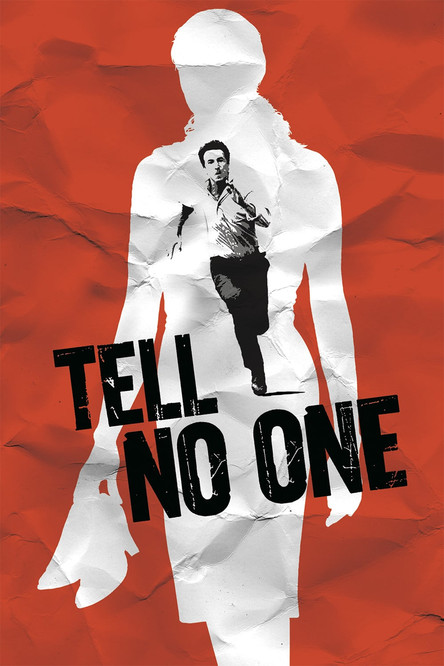
The 2000s were a strange, transitional time for the cinematic thriller. We were moving away from the polished, high-gloss suspense of the 90s and into a grittier, more frantic era defined by shaky cams and tech-paranoia. Yet, in 2006, Guillaume Canet (who most knew as an actor in films like The Beach) delivered Tell No One (Ne le dis à personne), a French mystery that felt both classically Hitchcockian and breathlessly modern. It’s a film that understands a fundamental truth about grief: it doesn't just fade; it sits in your bones until something—like a cryptic email—jolts it back to life.

The first time I sat down to watch this, I was actually trying to fix a leaky faucet in my kitchen while the DVD menu looped for forty-five minutes. Now, the haunting opening score is inextricably linked to the smell of plumber’s putty in my mind, but even that DIY disaster couldn't distract me once the film actually started.
The Anatomy of a Ghost
The premise is the kind of hook that Harlan Coben (who wrote the source novel) specializes in. François Cluzet plays Alex Beck, a pediatrician still reeling eight years after the brutal murder of his wife, Margot (Marie-Josée Croze). He’s a man who has built a life out of scar tissue. Then comes the email. It’s a link to a real-time outdoor camera, and for a split second, a woman who looks exactly like Margot walks past the lens and looks directly into his soul.
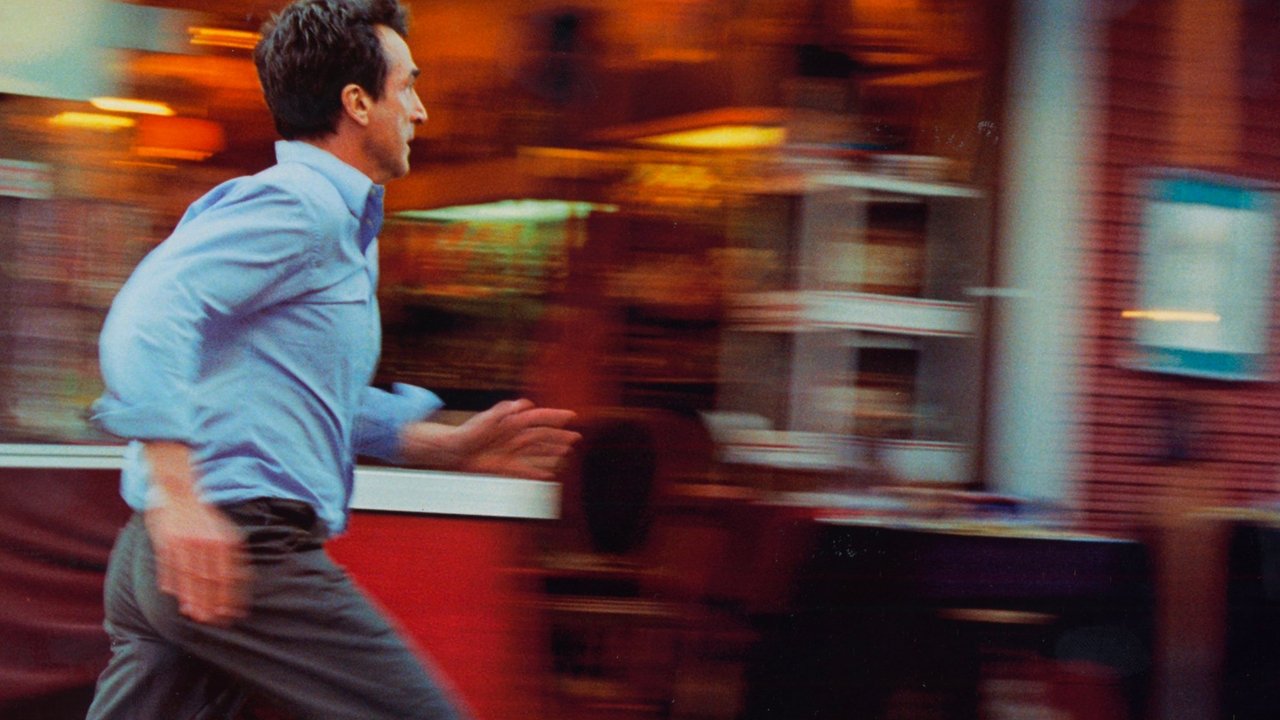
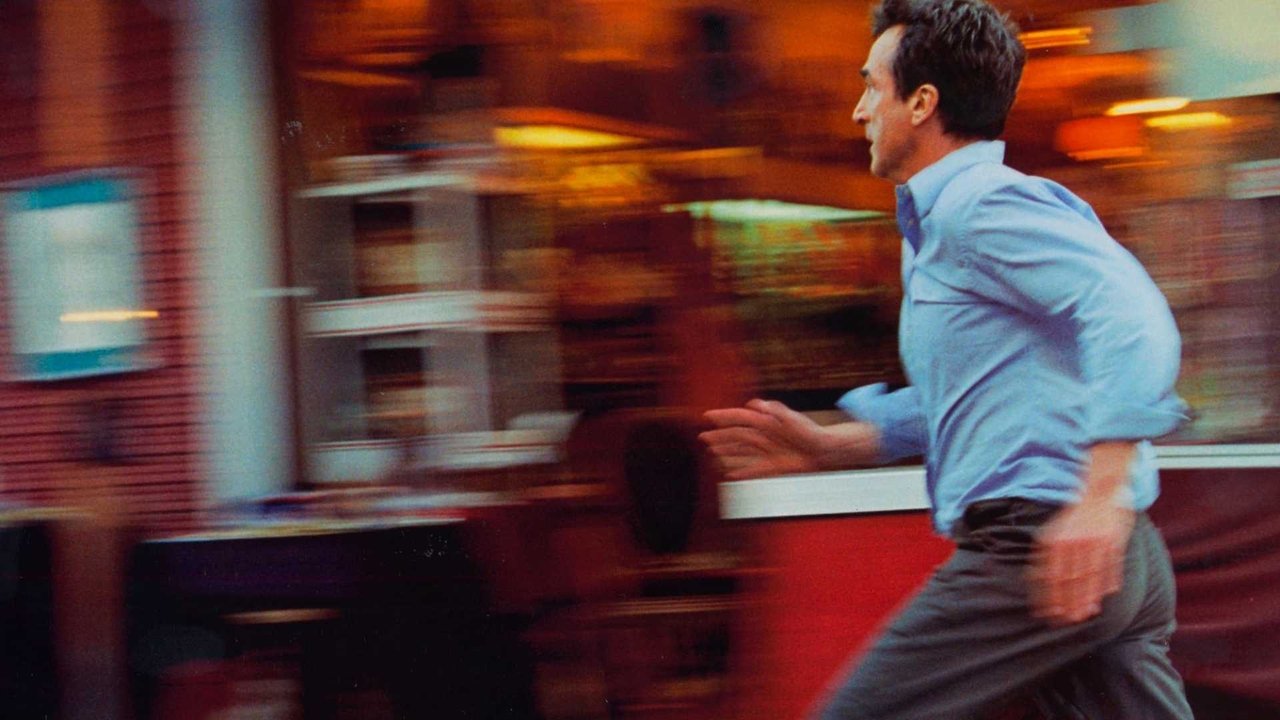
François Cluzet is the engine that makes this work. He doesn't look like a typical action star; he looks like a tired dad who buys his sweaters at a discount, which makes his subsequent desperation feel terrifyingly real. When he starts running—and he runs a lot in this movie—he looks more like a caffeinated hamster than a superspy, and that vulnerability is exactly why I couldn't look away. You aren't watching a hero; you're watching a man who is physically and emotionally falling apart in real-time.
A Masterclass in Kinetic Despair

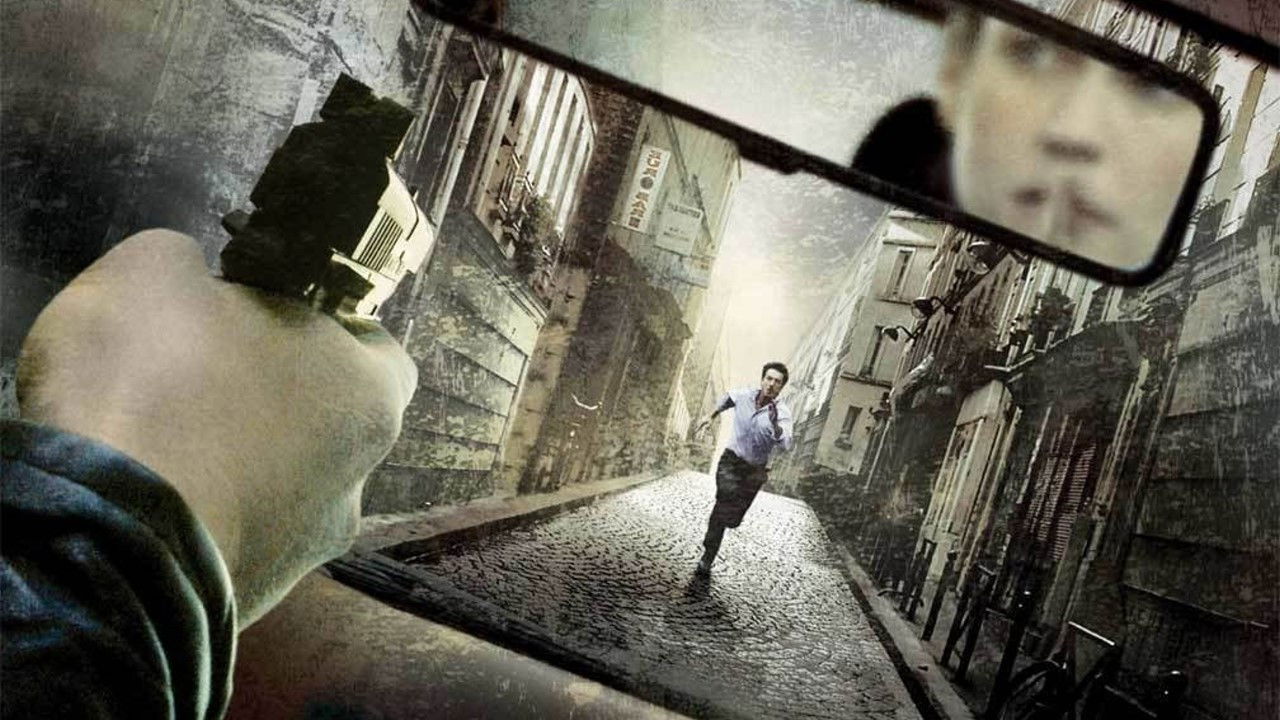
While the mystery is the lure, the execution is what keeps you hooked. Guillaume Canet directs with a frantic, nervous energy that perfectly mirrors Alex’s headspace. The standout sequence is a foot chase that sees Alex darting through heavy traffic on the Paris périphérique. It’s a sequence that bypasses the "cool" factor of most chases and goes straight for the jugular. There’s no CGI sheen here; it’s just the sound of heavy breathing, the screech of tires, and the palpable sense that our protagonist is one trip away from a very messy end.
The supporting cast is an absolute embarrassment of riches for anyone who follows French cinema (or international film in general). André Dussollier brings a weary, bureaucratic gravity as the father-in-law, and Kristin Scott Thomas turns up as Alex’s close friend, Hélène. She’s effortless here, providing a grounded, cynical warmth that balances out the mounting hysteria of the plot. And I have to mention François Berléand as the detective; he approaches the "suspicious cop" trope with a dry, observational wit that makes him feel like a real person rather than a plot obstacle.
The Digital Bridge
Looking back at 2006, Tell No One sits right on the edge of the digital revolution. The plot hinges on technology that felt cutting-edge at the time—webcam links, early smartphone communication, the mystery of the "untraceable" email—but it’s used to tell a story about ancient themes: secrets, class corruption, and the lengths a person will go to for a lost love. It’s a film that captured the post-9/11 anxiety of being watched, suggesting that the internet is basically a masterclass in making me check my own spam folder for ghosts.
What’s truly impressive is how the film handles its complex web of subplots. There are corrupt wealthy families, inner-city gang leaders, and shadowy hitmen, yet Guillaume Canet manages to keep the emotional stakes front and center. It never feels like a puzzle box for the sake of being clever. Every revelation feels like a weight being added to Alex’s shoulders. The darkness here isn't just in the shadows of the cinematography; it's in the moral rot that the investigation slowly uncovers.
The film ends not with a bang, but with a quiet, devastatingly beautiful moment that recontextualizes everything you just watched. It’s rare for a thriller to be this relentless and still find room for genuine, un-ironic heart. If you missed this during the mid-2000s DVD boom, or if it’s been sitting on your watchlist while you opted for more familiar English-language fare, rectify that immediately. It is a reminder that the best mysteries aren't about who did it, but what it costs the survivors to finally know the truth.
Keep Exploring...
-
Infernal Affairs
2002
-
I'm Not Scared
2003
-
Little White Lies
2010
-
Arlington Road
1999
-

Mystic River
2003
-
Lucky Number Slevin
2006
-
Mesrine: Killer Instinct
2008
-
The Girl with the Dragon Tattoo
2009
-
Caché
2005
-
The Pledge
2001
-
In the Valley of Elah
2007
-
The Protector
2005
-

Inland Empire
2006
-

Undisputed II: Last Man Standing
2006
-
United 93
2006
-
Before the Devil Knows You're Dead
2007
-
Mesrine: Public Enemy #1
2008
-
Mother
2009
-
Primal Fear
1996
-
L.A. Confidential
1997