The Black Dahlia
"Style drowns the substance in the City of Angels."
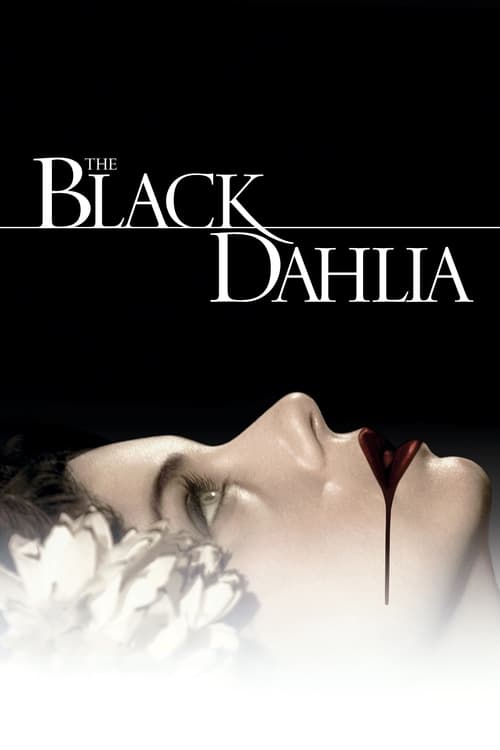
I remember picking up the two-disc special edition DVD of The Black Dahlia from a bargain bin in 2008, convinced that the critics had simply "missed it." This was Brian De Palma, for heaven's sake—the man who gave us Scarface and The Untouchables. He was taking on James Ellroy’s most haunting novel with a cast that looked like a 2006 Vanity Fair "Young Hollywood" cover. On paper, it was a slam dunk. In practice, I spent two hours on my couch eating a slightly-too-salty bowl of microwave popcorn, growing increasingly bewildered as a beautiful noir thriller slowly collapsed into a heap of expensive-looking nonsense.
The Lure of the Neon Shadow
There is no denying that The Black Dahlia is a magnificent object to look at. From the opening frames, Vilmos Zsigmond (the legendary cinematographer of Close Encounters of the Third Kind) captures a version of 1940s Los Angeles that feels like it’s been dipped in amber and tobacco smoke. It has that mid-2000s "prestige" sheen—the kind of film where the costume budget likely exceeded the GDP of a small nation.
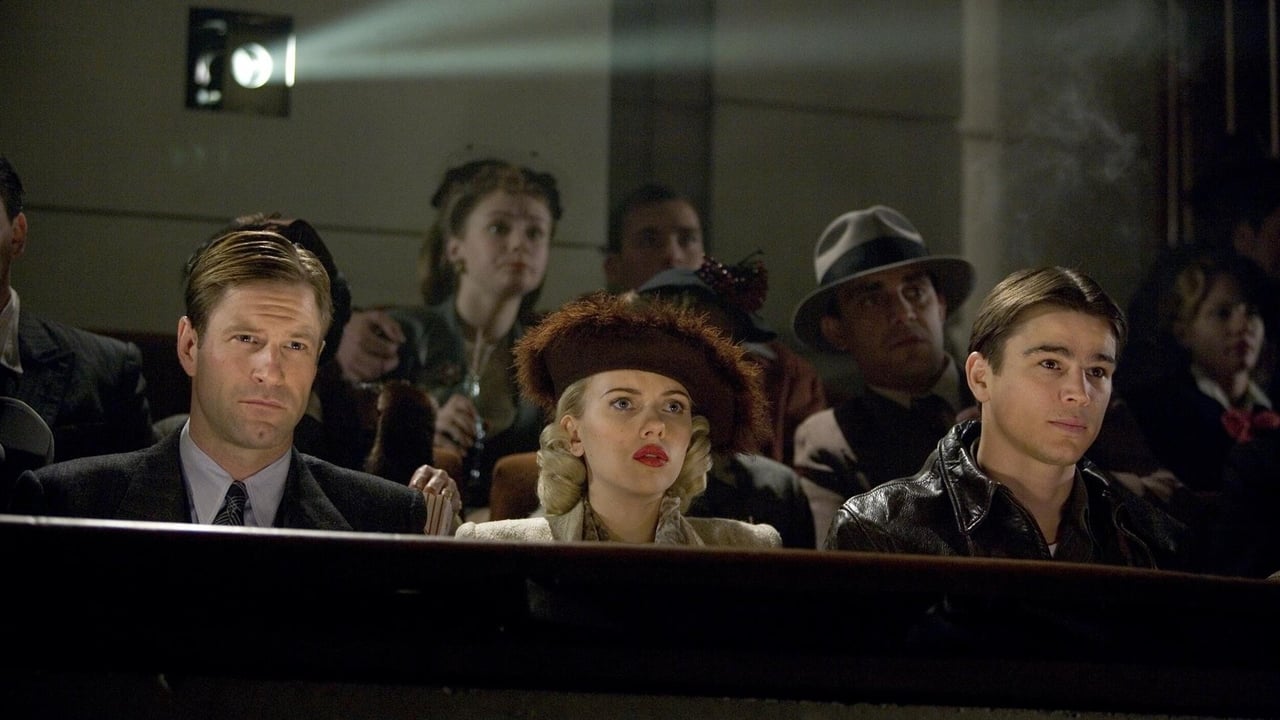
I’m a sucker for De Palma’s voyeuristic camera, and he doesn’t disappoint here. There’s a signature crane shot during the discovery of Elizabeth Short’s body that is purely hypnotic. The camera drifts away from the detectives, soaring over a vacant lot to find a mother and child stumbling upon the gruesome scene. It’s peak De Palma: technical, detached, and oddly beautiful. But as the investigation into the murder of the "Dahlia" (Mia Kirshner) begins to entwine with the lives of two boxer-cops, Bucky Bleichert (Josh Hartnett) and Lee Blanchard (Aaron Eckhart), the film begins to lose its footing. It’s like watching a master painter spend hours detailing the lace on a sleeve while the person wearing the shirt is clearly falling off a cliff.
Miscasting the Shadows
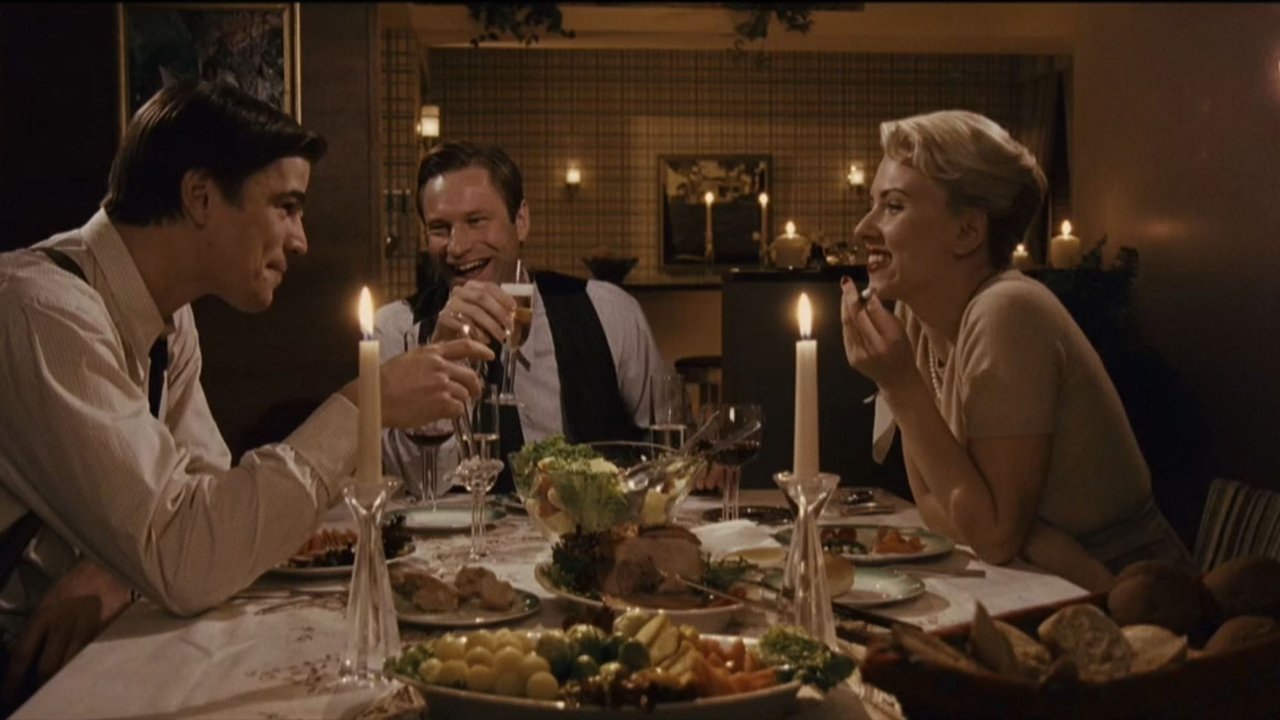
The biggest hurdle for me—and I suspect for many who revisited this during the DVD era—is the central trio. Josh Hartnett was at the height of his "leading man" push here, but he feels fundamentally modern. Every time he narrated in that classic noir voiceover, I didn’t hear a grizzled 1940s detective; I heard a guy who looked like he was waiting for his Starbucks order to be called. He’s too soft, too clean-shaven in spirit for the grime of Ellroy’s world.
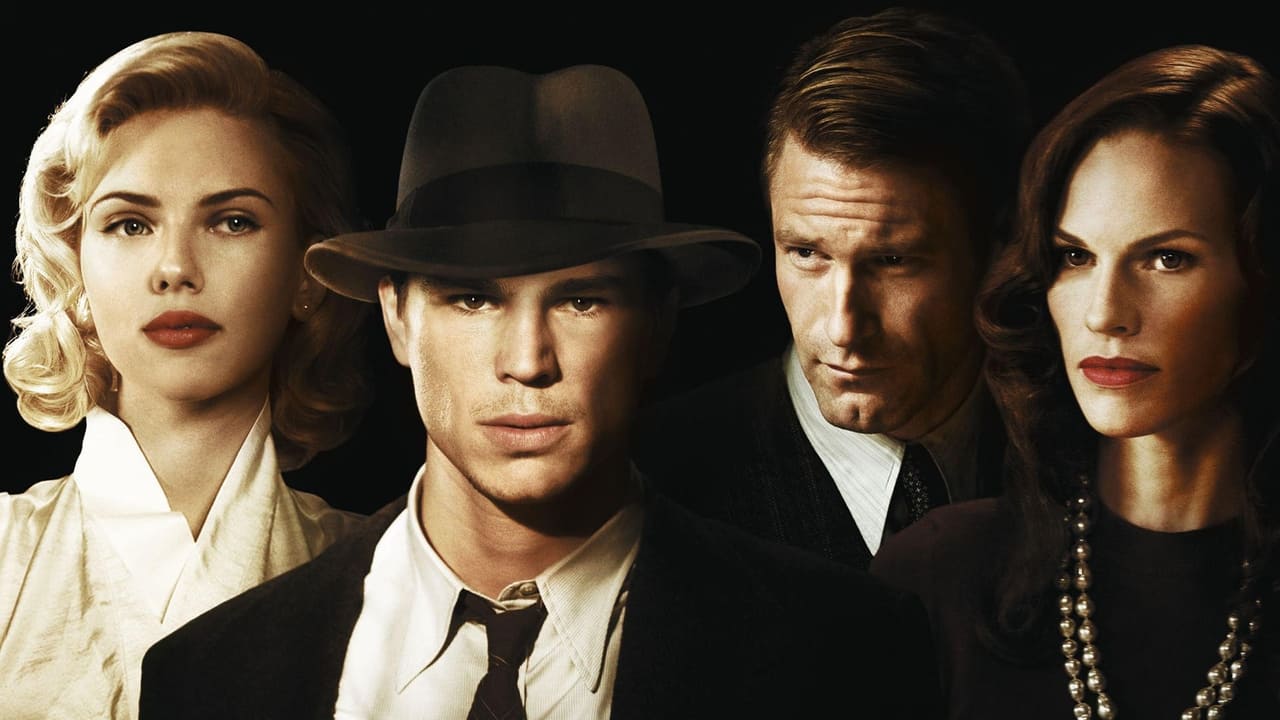
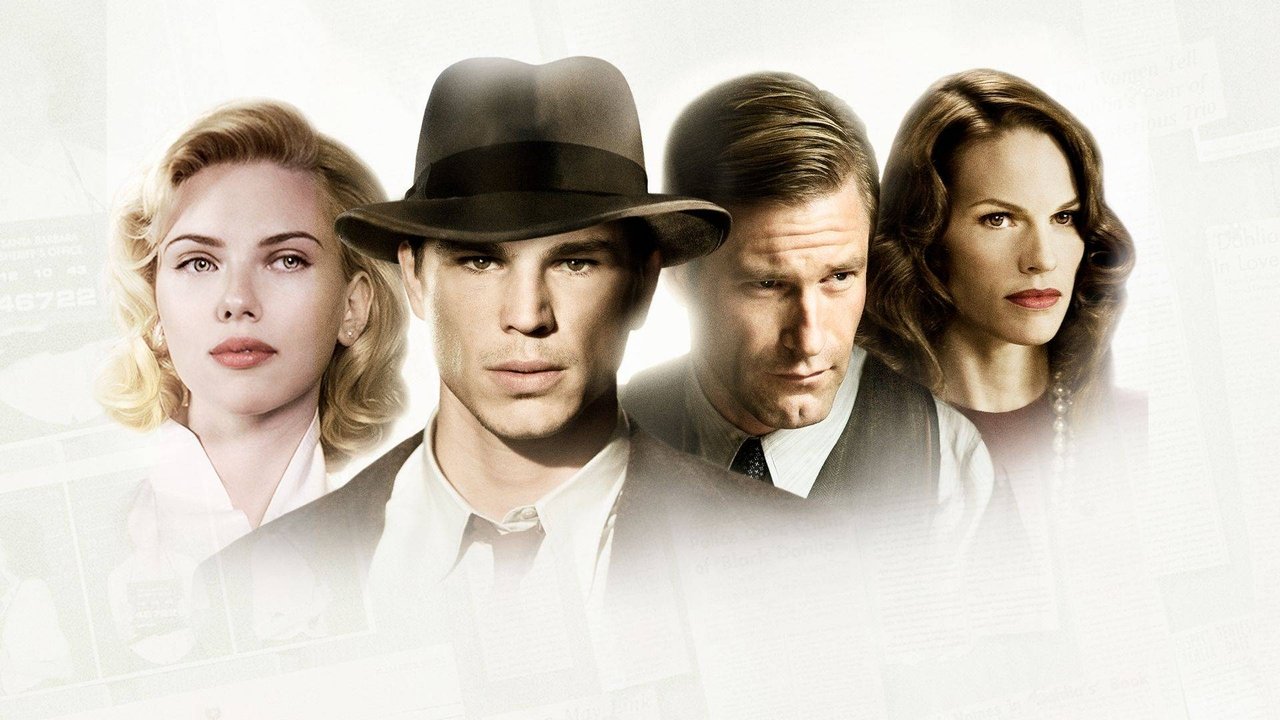
Opposite him, Scarlett Johansson is cast as Kay Lake, the classic "girl between two friends." Johansson is an incredible actress (look at Lost in Translation or Marriage Story), but here she’s reduced to a living prop. She leans against doorframes, exhales smoke, and wears sweaters that surely required structural engineering, yet she feels totally disconnected from the stakes of the murder. Then there’s Hilary Swank, playing a femme fatale named Madeleine Linscott. I love Swank, but her performance here is borderline camp, bordering on a high-school theater kid’s impression of Lauren Bacall.
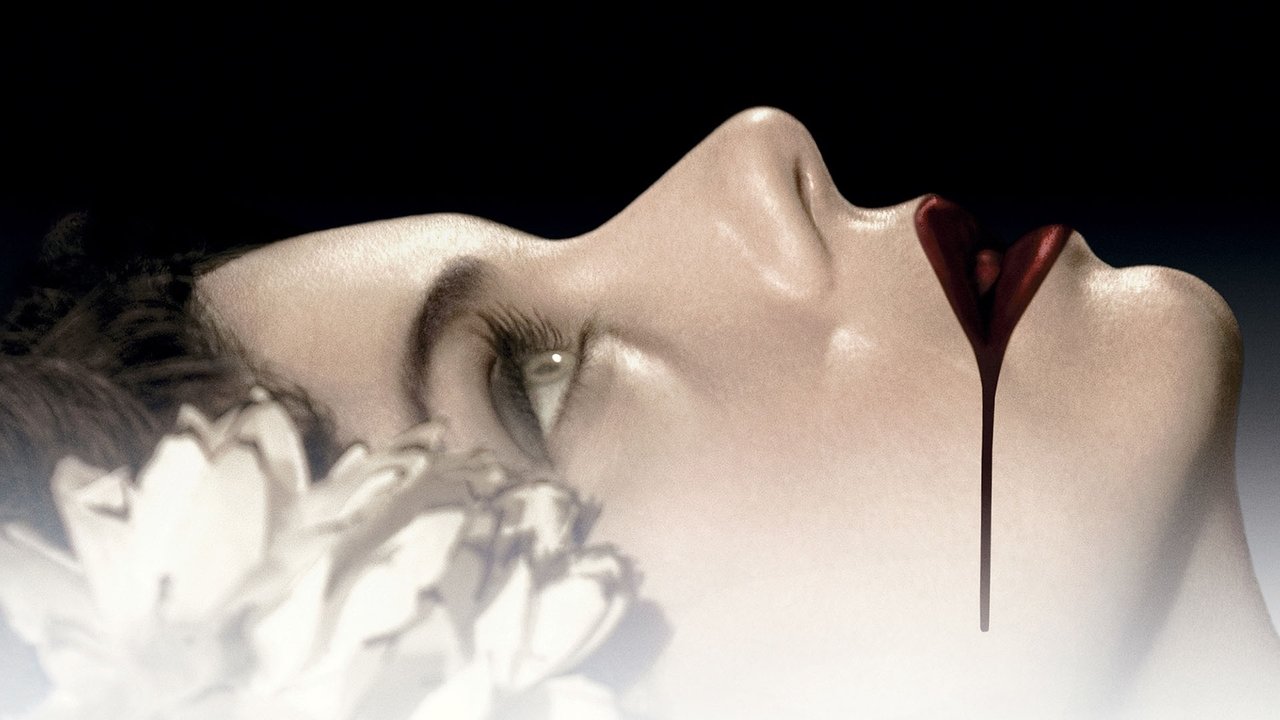
The only person who truly understands the assignment is Mia Kirshner. As Elizabeth Short, she appears mostly in grainy, black-and-white "screen tests." She is heartbreaking. In those few minutes of footage, she captures the desperation and shattered dreams of a girl who just wanted to be someone. When the movie focuses on her, it finds its soul. When it returns to the cops, it’s just guys in big hats shouting about "stag films."
A Masterpiece Lost in Translation
It’s a bit of a tragedy that this wasn’t the masterpiece we wanted. Interestingly, David Fincher (the mind behind Zodiac and The Social Network) was originally attached to direct this as a five-hour miniseries. Looking back, that was the only way to do it. Ellroy’s book is a dense, suffocating labyrinth of corruption, and trying to squeeze it into 121 minutes results in a third act that feels like a fever dream—and not the good kind.
The plot eventually veers into a subplot involving a wealthy, eccentric family (led by Fiona Shaw, who is acting in a completely different movie than everyone else) that is so bizarre it actually becomes funny. I once watched this film on a Tuesday night while my neighbor was loudly practicing the tuba, and somehow, the discordant brass notes perfectly matched the tonal whiplash of the finale. By the time the "twist" is revealed, the film has traded its noir soul for a grand-guignol circus act that feels more like a parody of De Palma than the real thing.
The irony is that the production didn’t even shoot in Los Angeles. To save money, they recreated 1940s Hollywood in Bulgaria. There’s something poetic about that: a movie about a fake town, filmed in a fake version of that town, featuring actors who often feel like they’re faking their way through a genre they don't quite understand.
If you’re a De Palma completionist or a lighting nerd, The Black Dahlia is a mandatory watch just for the aesthetics. It’s a fascinating failure from an era when studios still took $50 million gambles on R-rated, adult-oriented dramas. It’s gorgeous, it’s ambitious, and it’s almost entirely hollow. You’ll remember the way the light hits the smoke, but you probably won't remember why anyone was actually mad at each other.
Keep Exploring...
-
Snake Eyes
1998
-
Murder by Numbers
2002
-
Basic
2003
-

Out of Time
2003
-
The Hunted
2003
-
The Brave One
2007
-
Edge of Darkness
2010
-

Domino
2005
-

Lakeview Terrace
2008
-
Untraceable
2008
-
The Last House on the Left
2009
-
Brooklyn's Finest
2010
-
Takers
2010
-

The Devil's Own
1997
-
A Perfect Murder
1998
-
The Siege
1998
-
Broken City
2013
-

Revolver
2005
-

Pride and Glory
2008
-
The Pledge
2001