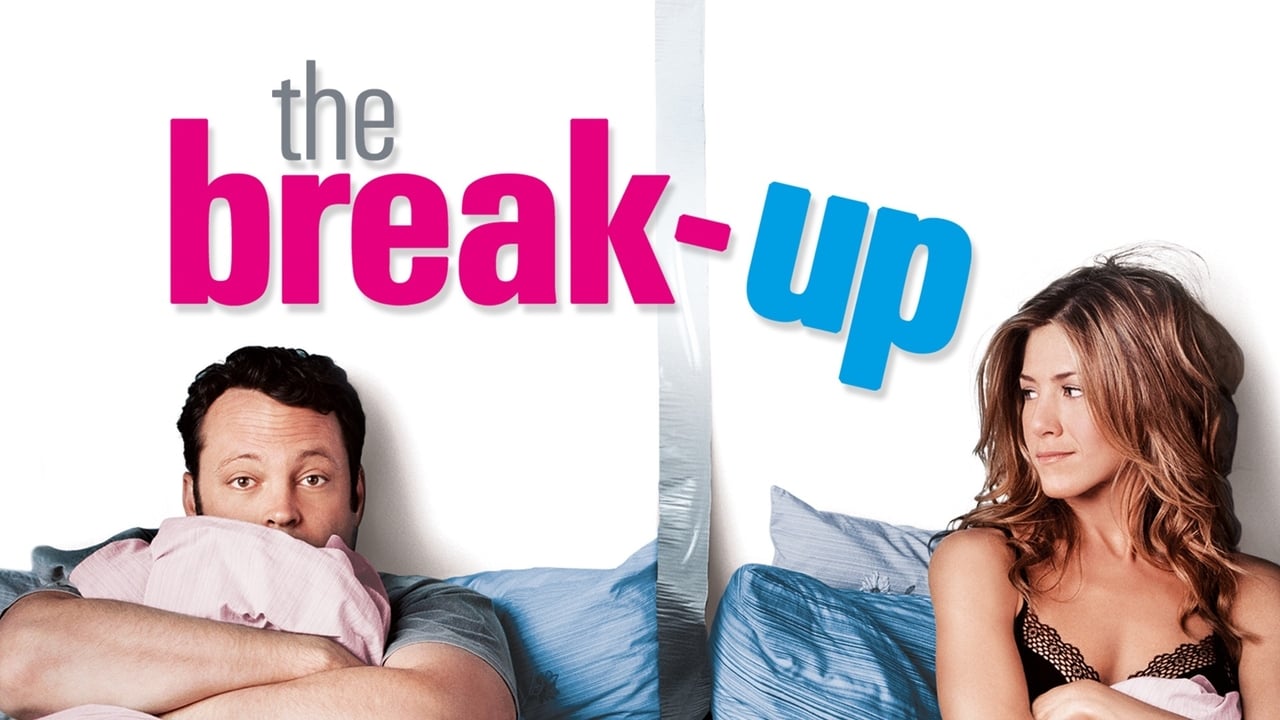
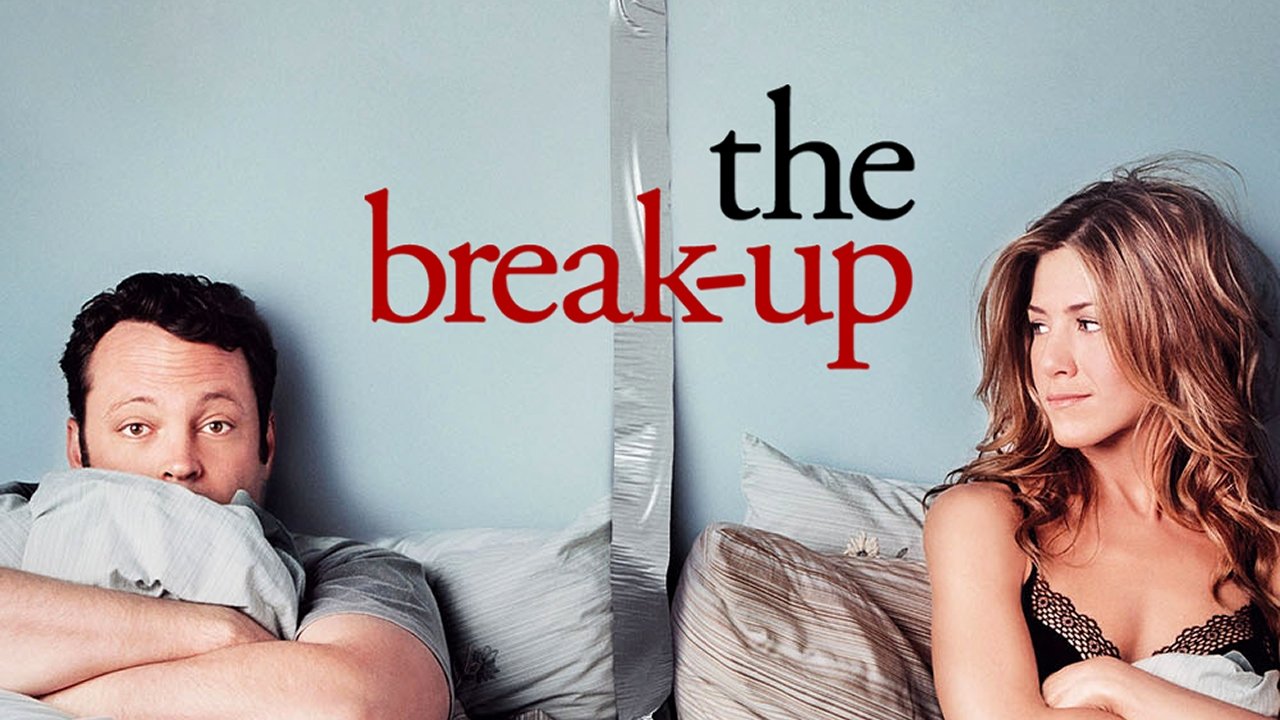
The Break-Up
"Breaking up is easy. Moving out is war."
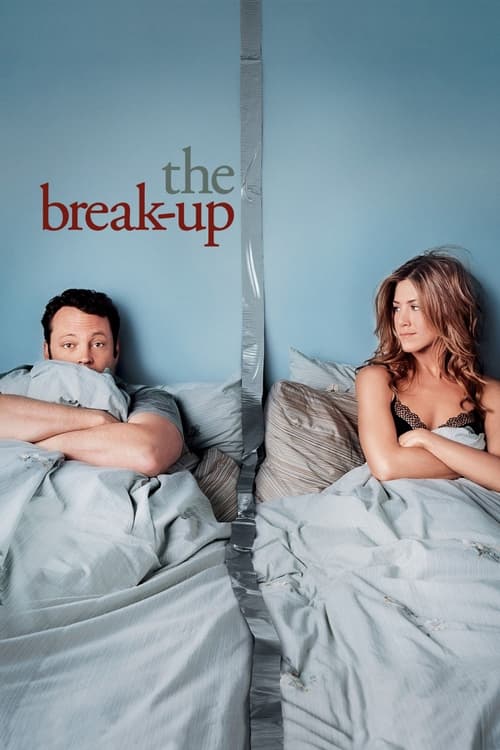
Most romantic comedies end with a desperate sprint through an airport terminal or a rain-soaked confession of love. The Break-Up decides to skip the foreplay and start exactly where most movies end: the moment the honeymoon phase dies in a fire of resentment and unwashed dishes. I watched this one on a laptop with a cracked screen while eating cold lo mein, which honestly felt like the appropriate atmosphere for a movie about a deteriorating relationship. It’s a film that was marketed as a wacky, "battle of the sexes" romp but revealed itself to be a surprisingly sharp, occasionally painful look at how two people who love each other can still be absolutely toxic together.
The Bait-and-Switch of 2006
Looking back, the marketing for this film was one of the greatest tonal deceptions of the 2000s. Coming off the massive success of Wedding Crashers (2005), everyone expected Vince Vaughn to deliver another high-octane blast of "frat-pack" hilarity. Instead, director Peyton Reed—who would later jump into the MCU with Ant-Man—gave us a domestic drama disguised as a comedy. It was the era of the DVD "Unrated Edition" and the rise of the Apatow-adjacent humor, but The Break-Up had more in common with Who’s Afraid of Virginia Woolf? than Old School.
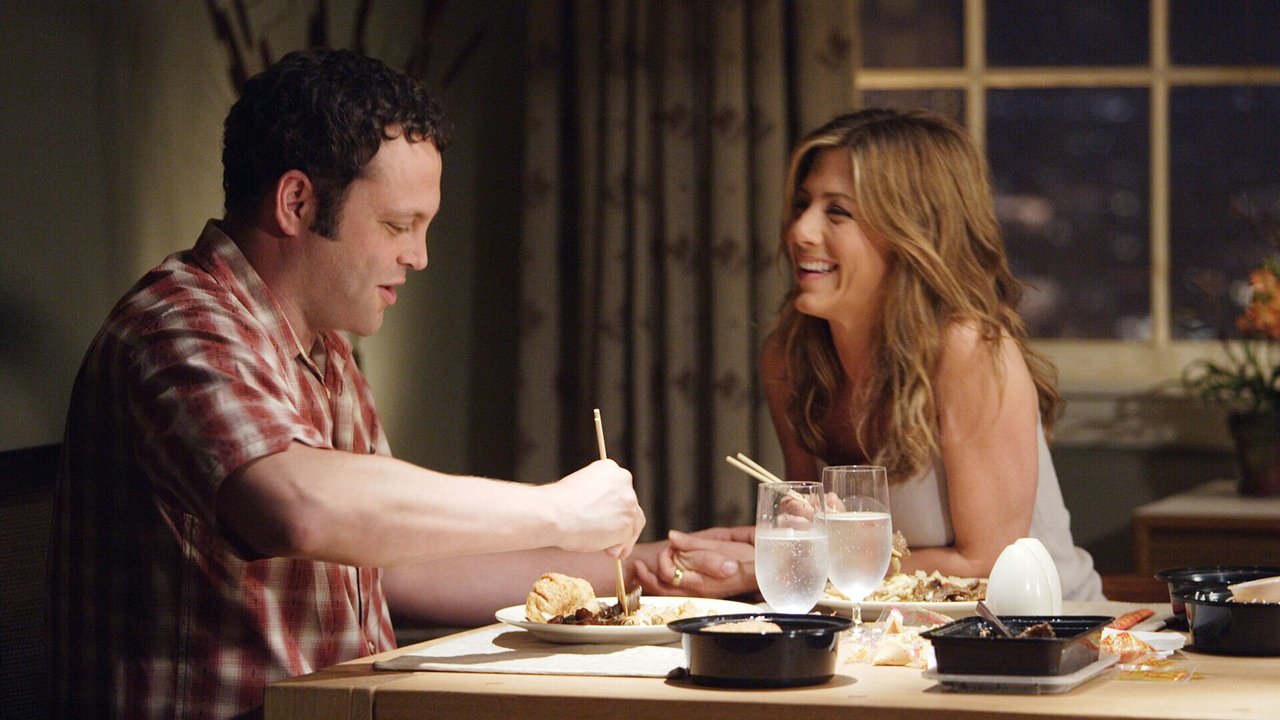
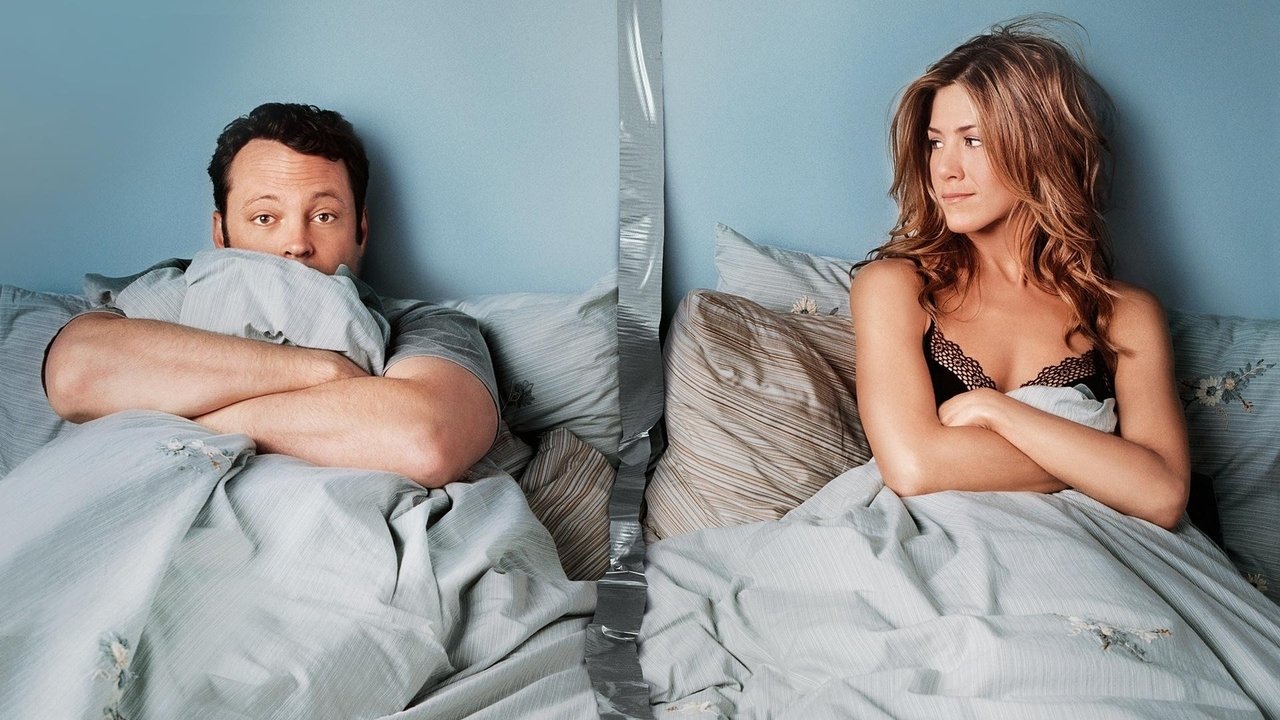
The premise is deceptively simple: Brooke (Jennifer Aniston) and Gary (Vince Vaughn) have a blow-out fight over three lemons and a lack of appreciation. Brooke dumps him, but because neither is willing to give up their gorgeous Chicago condo, they become hostile roommates. This leads to a series of escalating "war tactics," from Gary hosting a strip-poker night to Brooke trying to make him jealous with a string of rebound dates. The 12-lemon bowl is the greatest villain in 21st-century cinema, serving as a citrus-based monument to Gary’s total inability to listen.
Performances That Sting
This movie works because Vince Vaughn and Jennifer Aniston are willing to be genuinely unlikeable. Gary is a classic "man-child" archetype that was popular in the mid-aughts, but Vince Vaughn adds a layer of defensive stubbornness that makes him feel real. Gary Grobowski is essentially a sentient pile of video game controllers and unwashed gym shorts, yet you can still see the charm that probably won Brooke over in the first place.
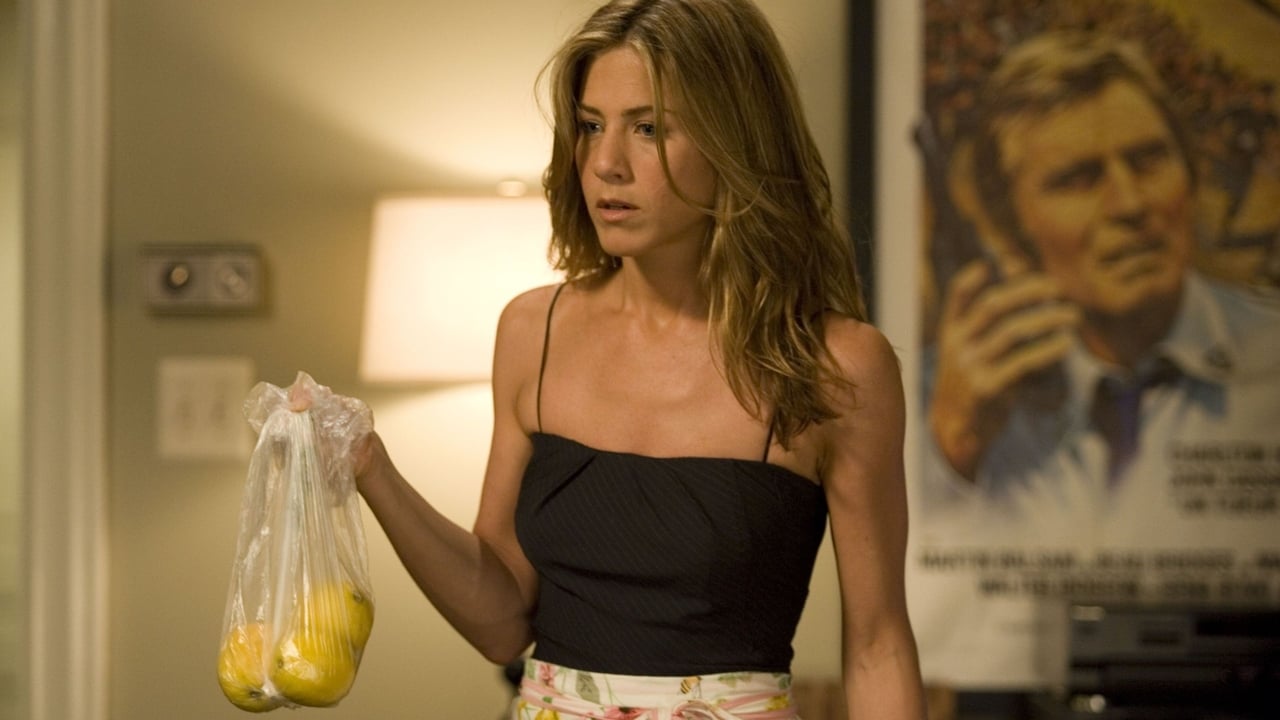
Jennifer Aniston, meanwhile, delivers some of her best big-screen work here. She captures that specific type of exhaustion that comes from being the "manager" of a relationship. When she finally breaks down during the "I just want you to want to do the dishes" speech, it’s not a comedic moment; it’s a genuinely sad piece of acting that anyone who has ever been in a failing relationship will feel in their marrow.
The supporting cast is an absolute murderer’s row of talent. Jason Bateman plays the "reasonable" friend Riggleman with the dry wit he’d eventually perfect in Arrested Development, and Judy Davis is terrifyingly brilliant as Brooke’s high-strung, art-gallery boss. Even Joey Lauren Adams (of Chasing Amy fame) pops up to provide some grounded perspective. The chemistry between the ensemble feels like a real Chicago social circle, aided by the film’s commitment to its Windy City locations—from the tour boats to the bars.
A $200 Million Domestic Dispute
Despite its cynical heart, The Break-Up was a massive blockbuster. It raked in over $205 million against a $52 million budget, proving that audiences were hungry for something that felt a bit more authentic than the standard-issue rom-com. It hit the "sweet spot" of the DVD culture era, where the special features were almost as famous as the movie itself. I remember the buzz surrounding the alternate endings on the disc; the studio reportedly struggled with how to end a movie where the leads don’t necessarily end up together.
The film captures a very specific 2006 aesthetic: the transition from the polished, studio-look of the 90s to the more handheld, improvisational feel that would dominate the next decade. There’s a lot of "Vince-prov" happening here—long, rambling rants that feel less like scripted dialogue and more like a comedian finding the rhythm of a scene in real-time. While some of the gender politics have aged a bit (Gary’s "men just want to be left alone" stance is a bit dated), the core emotional truth—that sometimes love isn't enough to bridge a personality gap—remains evergreen.
In the landscape of the 2000s, The Break-Up stands out as a film that had the courage to be a bit of a bummer. It’s funny, yes, but it’s the kind of funny that makes you wince because you recognize the argument. It’s a movie that understands that the end of a relationship isn’t usually a grand explosion; it’s a slow, quiet realization that happens over a sink full of dirty plates. If you're looking for a fairytale, look elsewhere, but if you want a movie that treats its characters like actual humans with flaws and mortgages, this one still holds plenty of weight.
By the time the credits roll, you might not be cheering for a reunion, but you’ll certainly be glad you don't live in that apartment. It manages to be a blockbuster about failure, a comedy about sadness, and a romance about why we stop being romantic. It’s a messy, loud, stubborn film—just like Gary and Brooke themselves.
Keep Exploring...
-

Yes Man
2008
-

The Bounty Hunter
2010
-

Something's Gotta Give
2003
-
Two Weeks Notice
2002
-
Shall We Dance?
2004
-
About a Boy
2002
-
Freaky Friday
2003
-
Just Married
2003
-

Monster-in-Law
2005
-
Friends with Benefits
2011
-

George of the Jungle
1997
-
The Sweetest Thing
2002
-
The Switch
2010
-
Bird on a Wire
1990
-
The Three Musketeers
1993
-
Shakespeare in Love
1998
-
The Wedding Singer
1998
-

There's Something About Mary
1998
-
The Mexican
2001
-

Mr. & Mrs. Smith
2005