The Da Vinci Code
"The world’s most dangerous secret is hiding in plain sight."
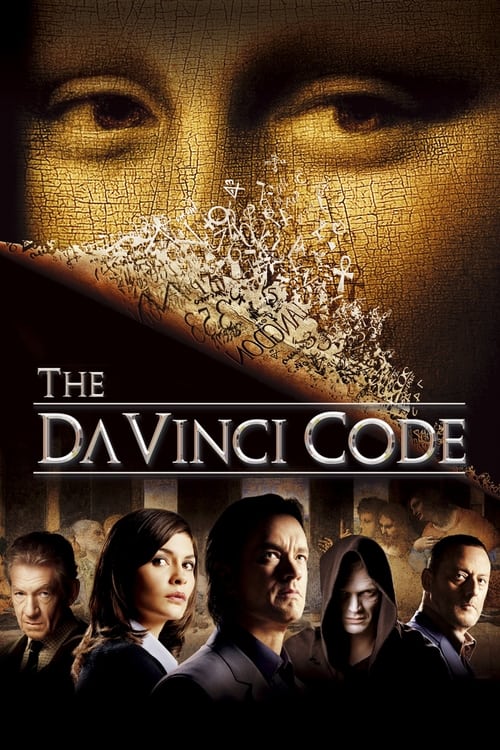
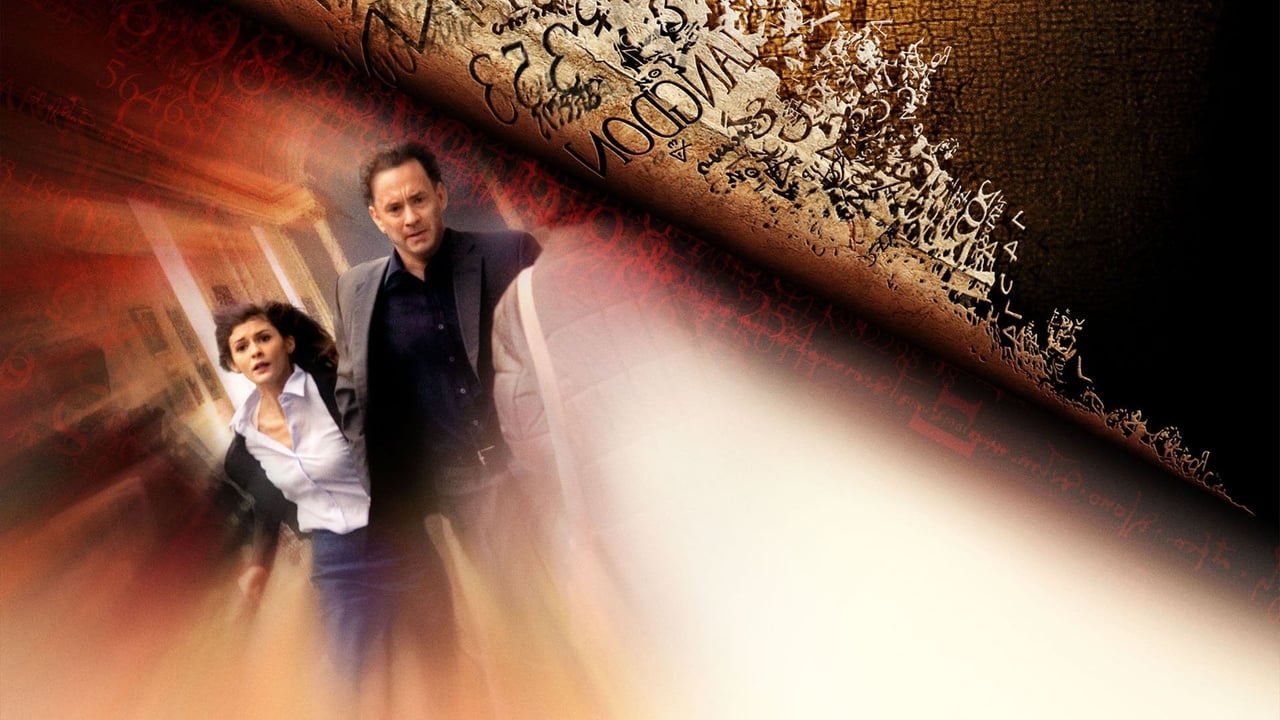
In 2006, you couldn’t board a flight or sit in a doctor’s waiting room without seeing that iconic red-and-yellow book cover. Dan Brown’s The Da Vinci Code wasn't just a bestseller; it was a cultural hurricane that made every suburbanite suddenly feel like an expert on Gnosticism and the Merovingian dynasty. When Ron Howard teamed up with Tom Hanks to bring Robert Langdon to the big screen, the hype wasn't just about a movie—it felt like we were all about to be let in on a secret that might actually break the world.
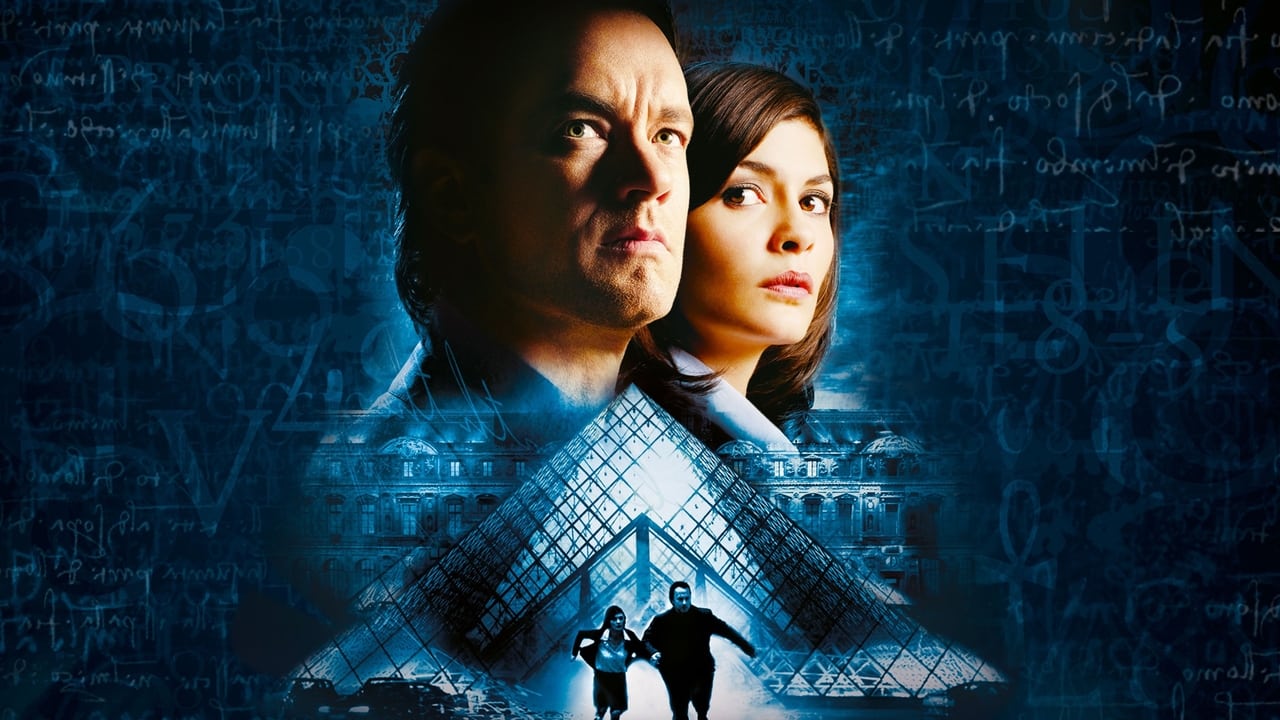
Looking back, the film is a fascinating relic of that mid-2000s transition. We were moving away from the gritty, handheld realism of the early Bourne era and leaning back into the "prestige blockbuster"—movies that felt expensive, sounded important, and weren’t afraid to spend twenty minutes explaining art history in a dark room. I watched this again recently on a Sunday afternoon while trying to ignore a neighbor’s leaf blower, and honestly, the sheer earnestness of it all is its greatest charm.
The Mullet, The Muse, and The Monk
Let’s address the elephant in the Louvre: Tom Hanks’ hair. It’s a flowing, feathered choice that suggests Robert Langdon spends as much time with a blow-dryer as he does with symbology. Despite the mane, Hanks brings that essential "Everyman" gravity he perfected in the 90s (think Apollo 13 or Saving Private Ryan) to a role that is essentially just a man reading things out loud. He’s the anchor in a sea of increasingly wild performances.
Beside him, Audrey Tautou—still riding the wave of Amélie—serves as Sophie Neveu. While their chemistry feels more like a concerned uncle and a distant niece than a duo on the run, she provides the necessary emotional stakes. But the movie truly belongs to the supporting cast. Ian McKellen is clearly having the time of his life as Sir Leigh Teabing. He delivers exposition like he’s performing Shakespeare at the Globe, making a scene about a dinner party slide-show feel like a high-stakes heist. Then there’s Paul Bettany as Silas. Long before he was a purple android in the MCU, he was a terrifying, self-flagellating monk, providing the film with its most visceral and unsettling imagery.
A Masterclass in Night Shoots and High Tension

The production scale here is massive. With a $125 million budget, Ron Howard wasn't interested in cutting corners. He secured permission to film inside the Louvre at night, which adds an atmospheric weight you just can't replicate on a soundstage. Salvatore Totino’s cinematography treats the museum like a haunted cathedral, all shadows and golden hued-reflections.
There’s a specific "DVD Culture" energy to this film. It’s the kind of movie designed for the "Special Features" era, where you’d spend hours watching documentaries on how they built a replica of the Mona Lisa because they weren't allowed to shine movie lights on the real one. The film treats its puzzles with such reverence that you almost feel smarter just for watching it. Even if the plot relies on characters being remarkably slow to realize that "O, Draconian devil" is an anagram, the pacing keeps you locked in.
And we have to talk about Hans Zimmer. His score, specifically "Chevaliers de Sangreal," is arguably one of the greatest pieces of film music from the 2000s. It takes the somewhat intellectual exercise of solving a cryptex and turns it into a soaring, spiritual revelation. It’s the kind of music that makes you feel like you’ve discovered the Holy Grail just by finding your car keys.
The Blockbuster that Poked the Bear
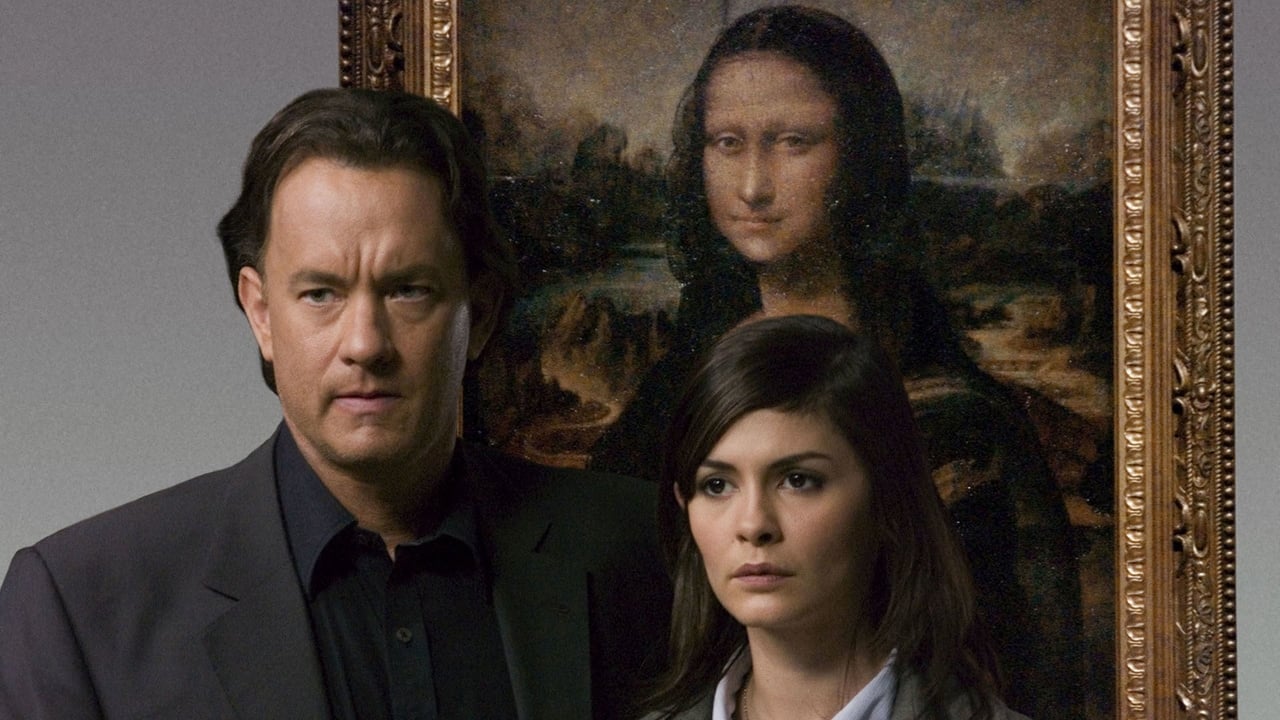
The cultural footprint of The Da Vinci Code was gargantuan. It raked in over $760 million worldwide, becoming the second-highest-grossing film of 2006, trailing only Pirates of the Caribbean: Dead Man's Chest. But its success was fueled by a firestorm of controversy. The Vatican wasn't exactly thrilled about a story suggesting Jesus and Mary Magdalene had a daughter, and the ensuing calls for boycotts did exactly what you’d expect: they sold a mountain of tickets.
Akiva Goldsman’s screenplay (he also wrote A Beautiful Mind) had the unenviable task of turning a talky, internal book into a cinematic thriller. It occasionally buckles under the weight of its own "info-dumps," but it captures that post-9/11 anxiety where we all suspected the people in charge were hiding something from us. It was the ultimate "what if" story for a cynical age.
What’s most striking today is how The Da Vinci Code represents the end of an era. It’s a massive, R-rated (well, PG-13, but adult-skewing) drama-thriller that doesn't feature a single explosion or a guy in a cape. It’s a movie for grown-ups that became a global phenomenon. In a landscape now dominated by interconnected universes, there’s something refreshing about a high-budget hunt through history that ends not with a portal in the sky, but with a man kneeling on a sidewalk in Paris, finally understanding his place in the world.
Ultimately, The Da Vinci Code is a deeply polished, occasionally clunky, but undeniably engrossing piece of 2000s cinema. It’s a film that takes itself very seriously, which is exactly why it’s so fun to revisit. While it might not "rock the foundations of Christianity" quite like the marketing promised, it remains a top-tier example of the "Dad Thriller"—a movie that’s smart enough to keep you thinking and fast enough to keep you from asking too many questions.
Keep Exploring...
-
Angels & Demons
2009
-

Inferno
2016
-
Ransom
1996
-
Signs
2002
-
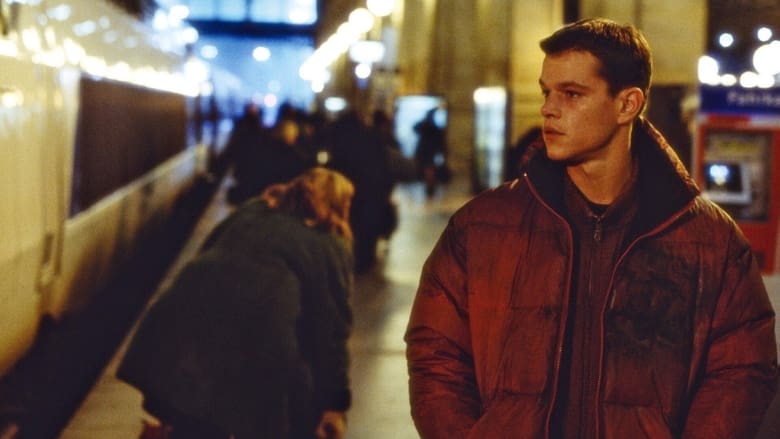
The Bourne Identity
2002
-

National Treasure
2004
-
The Village
2004
-
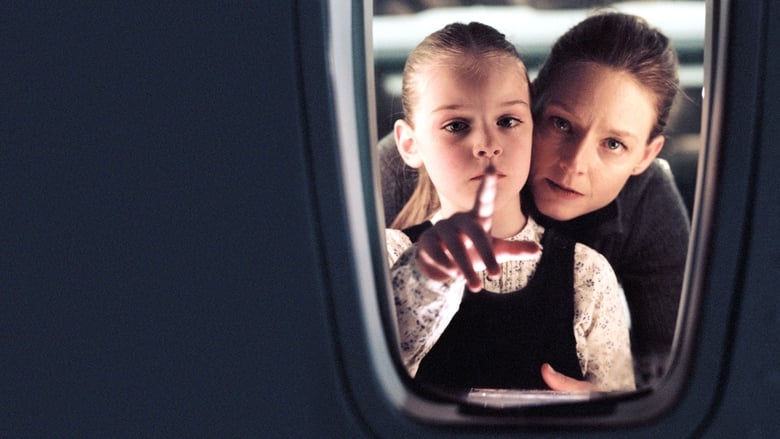
Flightplan
2005
-
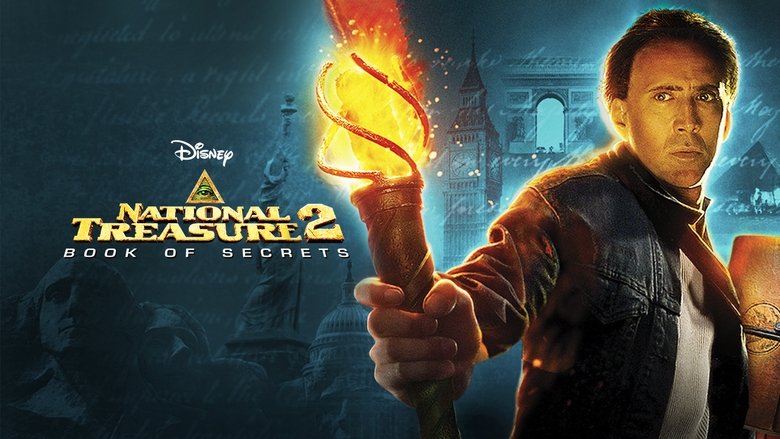
National Treasure: Book of Secrets
2007
-
Knowing
2009
-
Super 8
2011
-
Gothika
2003
-
The Grudge
2004
-
Disturbia
2007
-
The Girl with the Dragon Tattoo
2009
-
Limitless
2011
-
Source Code
2011
-
Unknown
2011
-

Cinderella Man
2005
-
I Am Legend
2007