The Departed
"In a city of rats, the truth is the first to die."

There is a specific, jagged energy to South Boston that only a few filmmakers can truly bottle without it feeling like a theme park. By 2006, we had seen plenty of "Bah-ston" crime flicks, but when the opening chords of "Gimme Shelter" kicked in over grainy footage of the busing riots, it felt like Martin Scorsese wasn’t just visiting; he was colonizing. I saw this for the first time in a theater where the air conditioner was broken, sitting next to a guy who was aggressively checking his Motorola Razr every ten minutes. The blue glow of his flip phone was annoying, but honestly, it matched the cold, steel-blue color palette cinematographer Michael Ballhaus splashed across the screen.
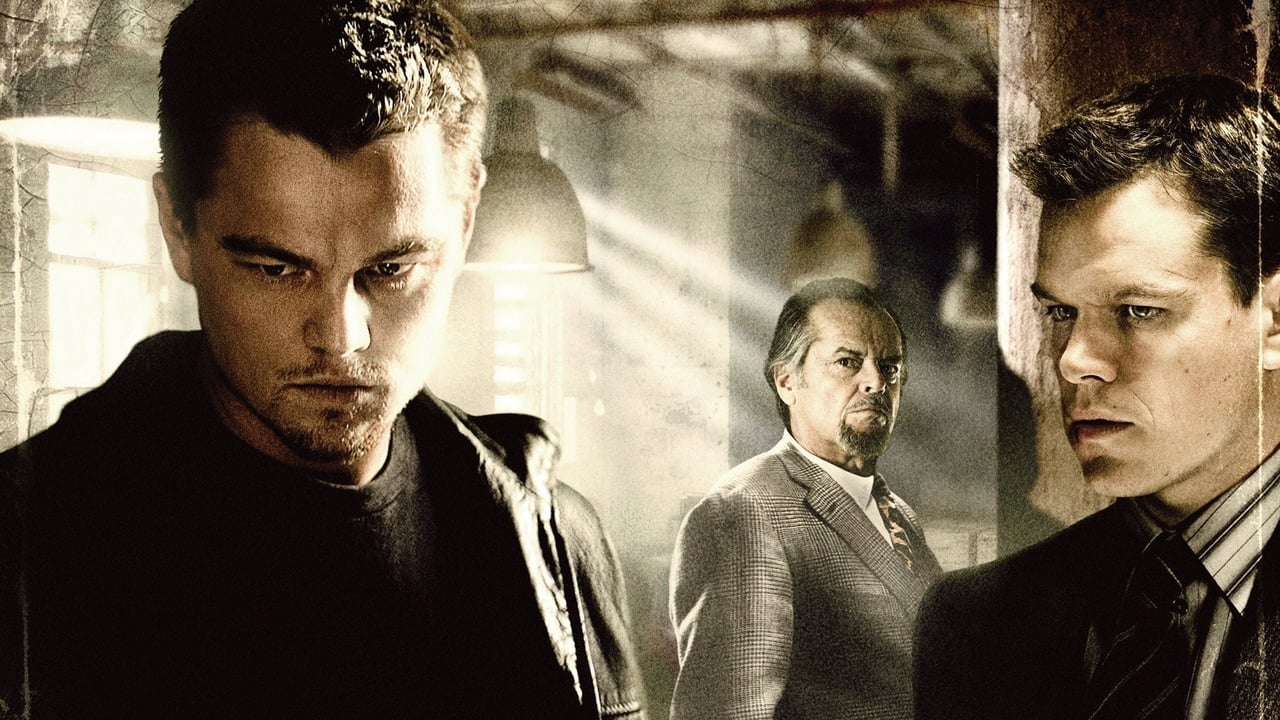
The Mirror Image of Moral Rot
The Departed arrived at a fascinating crossroads in cinema history. We were deep into the "DVD era," where cinephiles were obsessively comparing this film to its source material, the Hong Kong masterpiece Infernal Affairs. It’s a classic setup: Billy (Leonardo DiCaprio) is a cop pretending to be a criminal, while Colin (Matt Damon) is a criminal pretending to be a cop. They are two sides of a tarnished coin, spinning through a city that wants to swallow them both whole.
What strikes me looking back is how Leonardo DiCaprio finally shed the last of his "teen idol" skin here. His Billy Costigan isn't a hero; he’s a vibrating nerve ending. You can see the cortisol levels rising in his eyes every time he has to look at Frank Costello. Contrast that with Matt Damon, who plays Colin Sullivan with a terrifying, plastic-wrapped ambition. Colin is the ultimate post-9/11 villain—a man who uses the system’s own bureaucracy and "hero" worship to hide his predatory nature. While the film is a blast to watch, the stakes feel heavy and permanent. There is no "fun" in the violence; it’s quick, messy, and usually happens in a cramped elevator or a dirty back alley.
A Masterclass in High-Volume Hostility
We have to talk about Jack Nicholson. There’s a school of thought that suggests he’s chewing too much scenery as Costello, but I’d argue he’s the only one playing the role correctly. He’s the personification of a decaying empire. Apparently, Nicholson took a lot of liberties with the script, including the improvised scene where he pulls a real gun on DiCaprio to get a genuine reaction. It worked. He’s a monster, but a charismatic one who is clearly bored by his own evil.
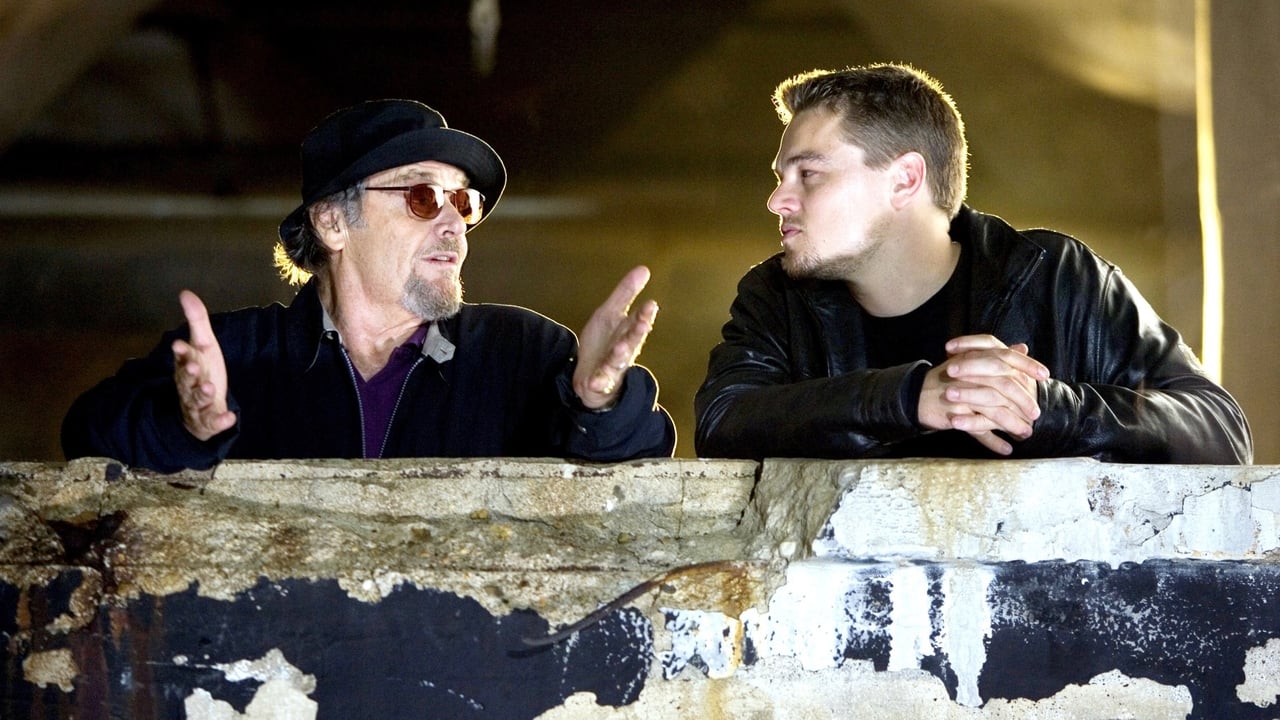
Then there’s the supporting cast, which is essentially an All-Star team of guys who look like they’ve never had a good day in their lives. Mark Wahlberg is the standout as Dignam, a man whose primary job is to be an abrasive jerk to everyone in a ten-mile radius. His dialogue, penned by William Monahan, is a foul-mouthed poetry that I still find myself quoting. Wahlberg essentially weaponized the F-word into a rhythmic instrument, and it’s no surprise he walked away with an Oscar nomination for it.
The trivia behind the scenes is just as gritty as the film. For instance, Ray Winstone (who plays the terrifying Mr. French) and Nicholson reportedly did not get along at all on set, which adds a genuine layer of friction to their scenes. Also, in a nod to the 1932 classic Scarface, Scorsese hid an "X" in the frame—via tape on a window, a structural beam, or a floor pattern—every time a character was about to be killed. It’s the kind of detail that made the DVD commentary tracks of that era so rewarding to sit through.
The Long-Awaited Crown
For years, the narrative around Martin Scorsese was the "Great Snub." How had the man who made Taxi Driver and Raging Bull not won a Best Director Oscar? The Departed finally broke that curse at the 79th Academy Awards. Some critics at the time suggested it was a "lifetime achievement" win for a film that wasn't his absolute best, but looking back nearly two decades later, that feels dismissive.
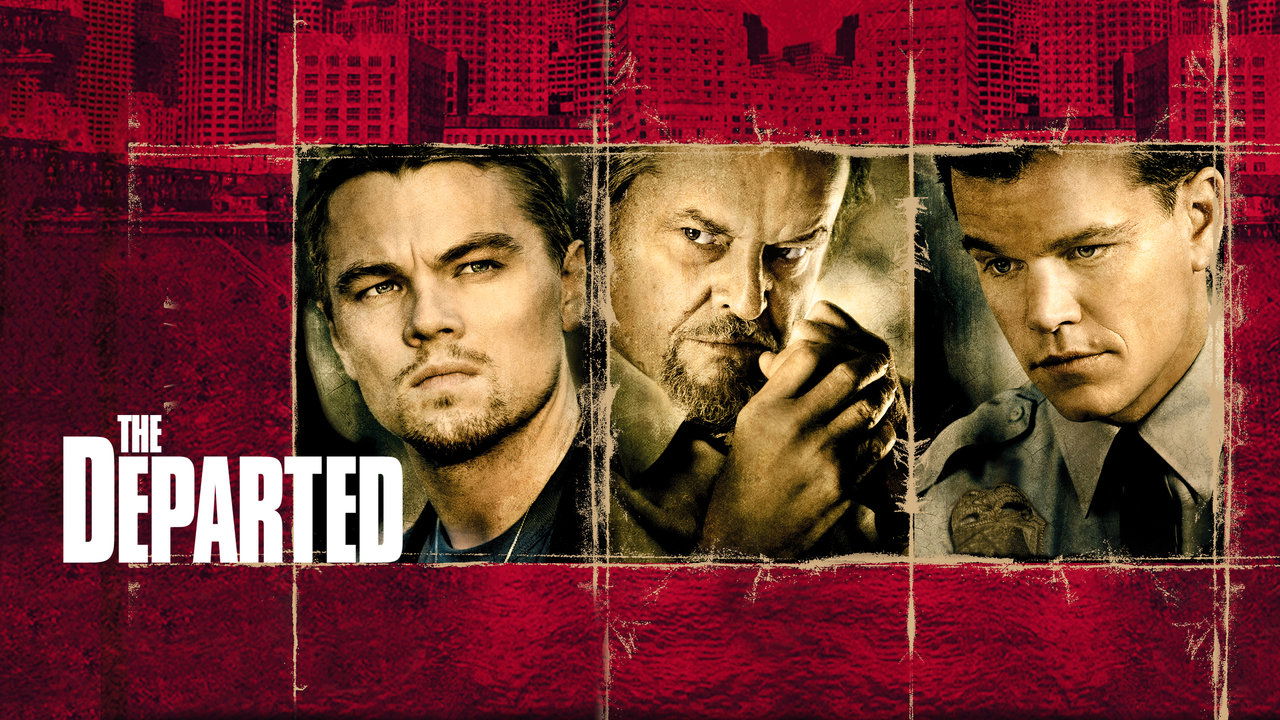
This movie is a technical marvel of pacing. The editing by Thelma Schoonmaker is so fast it’s almost predatory. It captures that mid-2000s anxiety perfectly—the feeling that someone is always watching, whether it's via a burner phone or a state-sanctioned wiretap. And while the ending, featuring a very literal CGI rat, remains one of the most debated "on-the-nose" metaphors in modern cinema, it fits the film’s operatic, cynical soul. The CGI rat is basically a middle finger to the audience’s desire for a neat, heroic resolution, and I’ve grown to love its audacity.
This isn't just a great crime movie; it’s a record of a master filmmaker finally letting loose and having a bit of grim, blood-soaked fun with a massive studio budget. It’s the kind of prestige picture they don't make much anymore—one that respects the audience's intelligence while still delivering the "holy shit" moments of a summer blockbuster. If you haven't revisited it lately, do yourself a favor and dive back into the shadows of Southie. Just maybe skip the salt and vinegar chips; the movie provides more than enough acidity on its own.

Keep Exploring...
-
Shutter Island
2010
-
Gangs of New York
2002
-
Cape Fear
1991
-
Casino
1995
-
The Wolf of Wall Street
2013
-
GoodFellas
1990
-
The Dark Knight
2008
-
Catch Me If You Can
2002
-
Memories of Murder
2003
-
The Silence of the Lambs
1991
-
Carlito's Way
1993
-
The Usual Suspects
1995
-
Fargo
1996
-
L.A. Confidential
1997
-
Road to Perdition
2002
-
Collateral
2004
-
The Aviator
2004
-

Law Abiding Citizen
2009
-
Prisoners
2013
-
Blood Diamond
2006