The Devil Wears Prada
"Success is the ultimate accessory—if you can survive it."
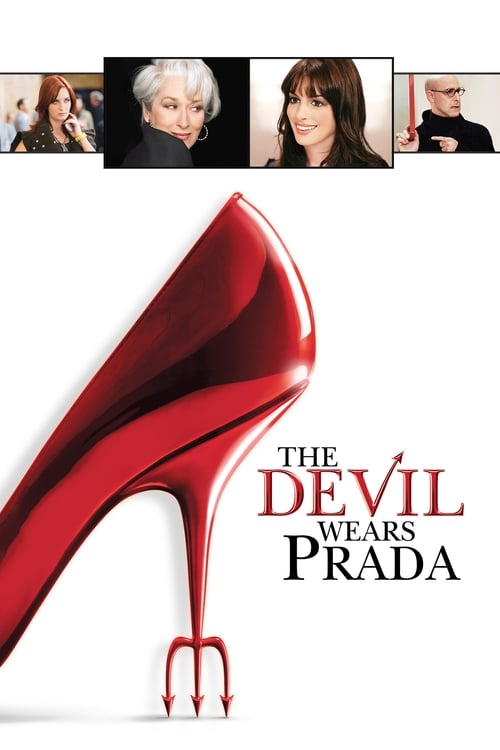
There is a specific sound that defined 2006 for me: the rhythmic, terrifying clack-clack-clack of high-end heels hitting a marble floor. It’s a sound that still triggers a minor sympathetic cortisol spike in anyone who has ever worked for a boss with a "soft-spoken but deadly" management style. I first watched The Devil Wears Prada on a tiny, boxy television in my college dorm while eating a lukewarm grilled cheese—the irony of which was not lost on me given the film's notorious disdain for carbs.
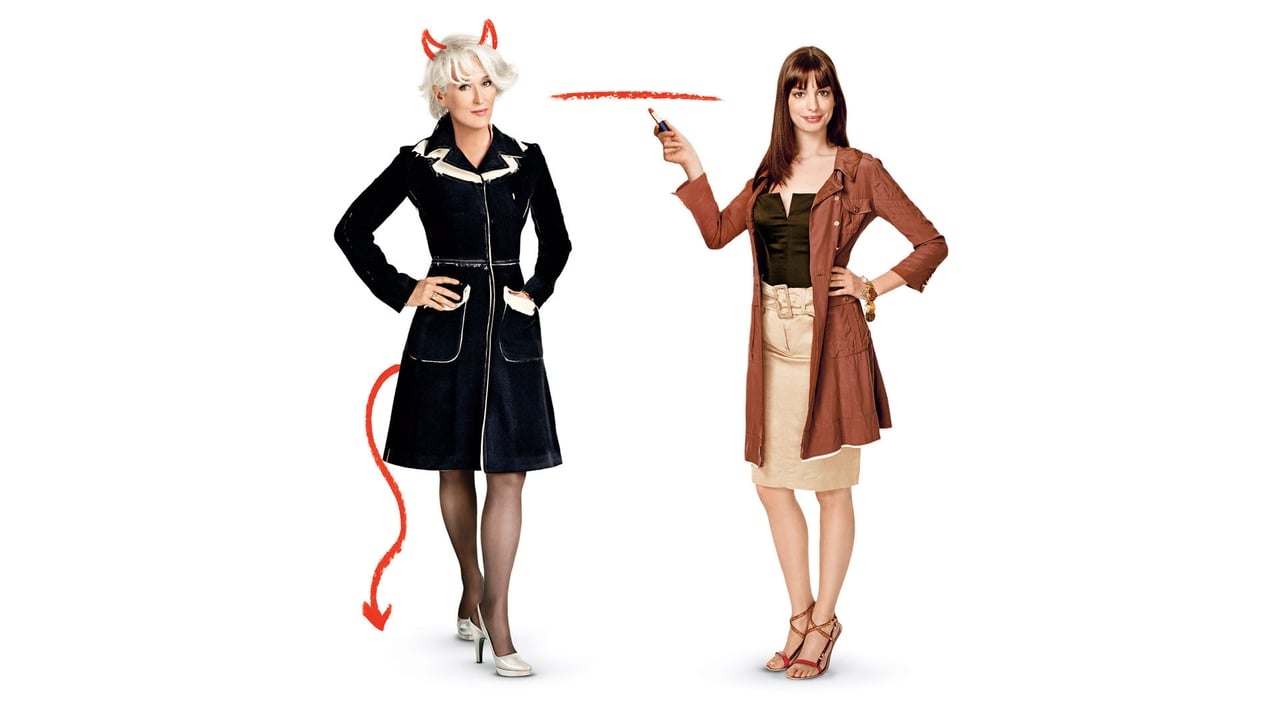
Even then, through the low-res glare of mid-2000s cable TV, the film felt like something special. It wasn’t just a "chick flick" (a reductive term we’ve thankfully mostly buried); it was a war movie where the trenches were made of Chanel tweed and the ammunition was a well-timed, judgmental squint.
The Gospel According to Miranda
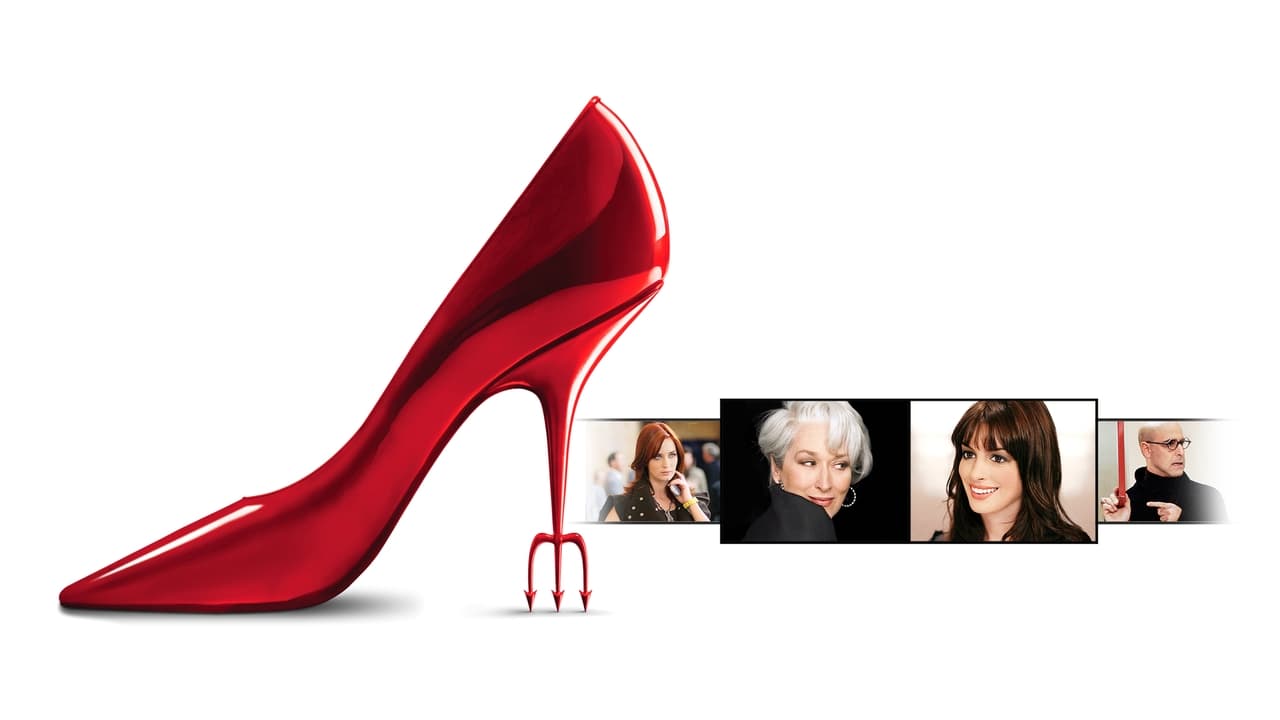
Let’s be honest: we are all here for Meryl Streep. Looking back at the mid-2000s, this was a pivotal moment for her. She was already a legend, but playing Miranda Priestly transformed her into a terrifying cultural icon for a new generation. She made a choice that most actors wouldn't—she didn't yell. Instead, she lowered her voice to a whisper, forcing everyone in the room (and the theater) to lean in, making her eventual strikes feel twice as sharp.
Apparently, Streep drew inspiration from Clint Eastwood’s vocal delivery and the intimidating presence of Martha Stewart. It’s a masterclass in stillness. Watching her deliver the "cerulean sweater" monologue—a sequence that explains the trickledown economics of the fashion industry—is still the most satisfying piece of exposition in modern cinema. She manages to make a character who is essentially a corporate bully feel like a structural necessity.
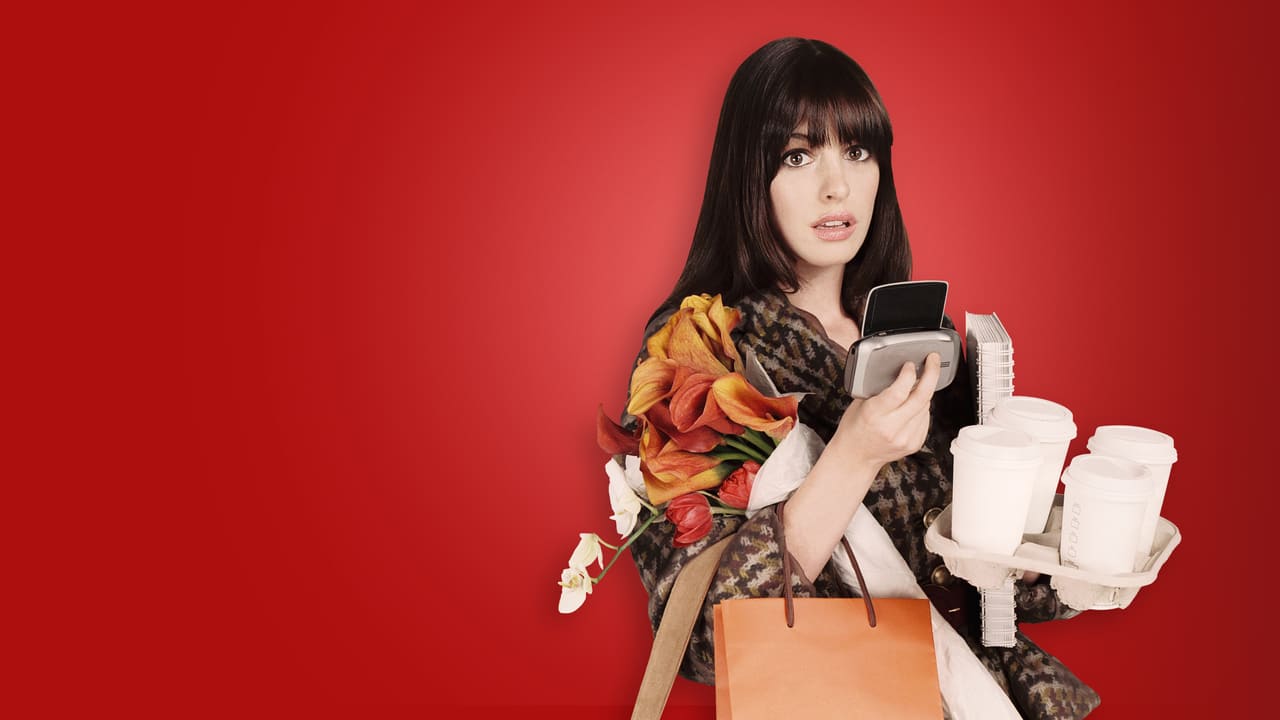
Opposite her, Anne Hathaway plays Andy Sachs with the perfect amount of wide-eyed "I’m too smart for this" energy that slowly dissolves into "I need those Chanel boots more than my dignity." It’s easy to forget how much Hathaway had to ground the movie. If she didn't feel real, the whole thing would have floated away into a cloud of perfume and pretension.
A Million Girls Would Kill For This
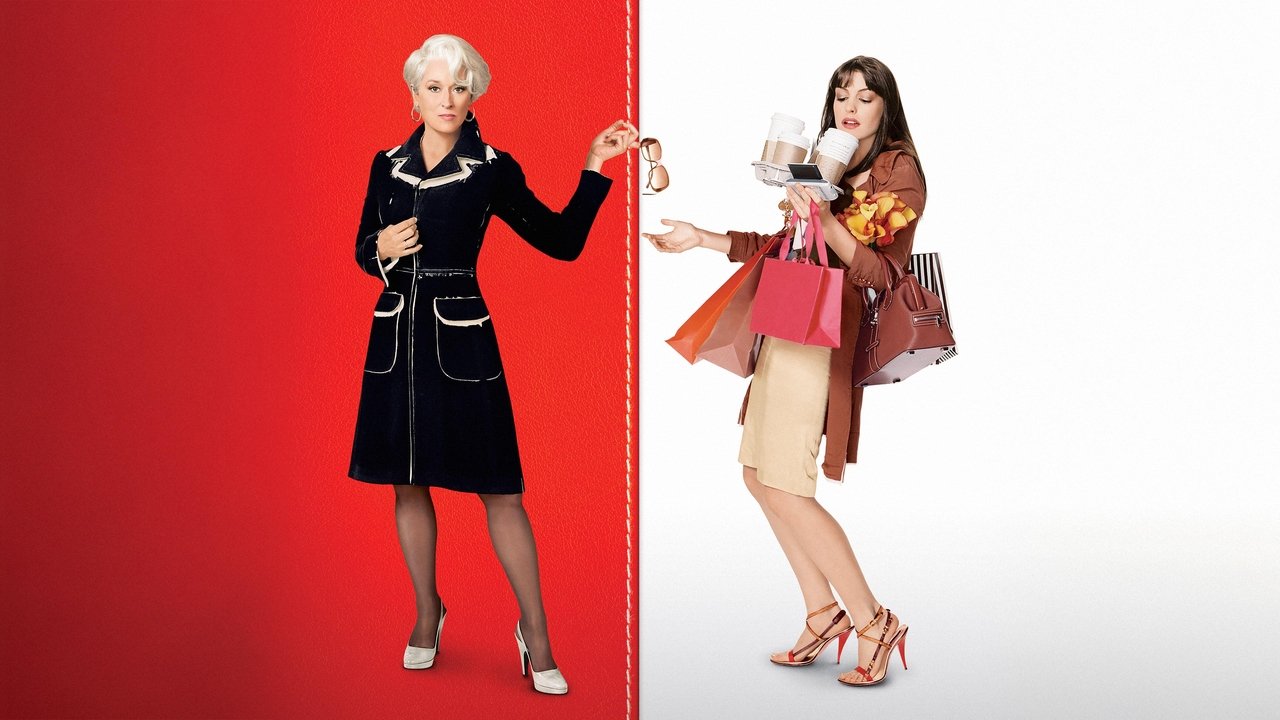
The supporting cast is where the film’s "Comedy" tag really earns its keep. Emily Blunt essentially launched her Hollywood career here as the high-strung, calorie-counting Emily. Her delivery of "I'm one stomach flu away from my goal weight" is legendary, but it’s her desperate loyalty to a woman who doesn't even know her name that gives the movie its tragicomic edge.
Then there’s Stanley Tucci as Nigel. Tucci provides the film’s soul, acting as the bridge between Andy’s cynicism and the industry’s artistry. When he tells Andy that she isn't trying, she’s just whining, it’s a moment of tough-love truth that many "Modern Cinema" dramas of that era lacked. He reminds us that fashion isn't just about clothes; it's about art you live your life in.
However, viewing this through a 2024 lens, there is one glaring issue that has aged like milk: the boyfriend. Adrian Grenier’s Nate is a human wet blanket who actively sabotages his girlfriend’s career because she’s busy at a high-stakes job. Looking back, Nate is the actual villain of the movie, a gaslighting chef who throws a tantrum because he didn't get a birthday cupcake. The internet has spent the last decade rightfully roasting him, and I’m happy to join that choir.
The Legacy of the $100,000 Wardrobe
Director David Frankel and costume designer Patricia Field (the genius behind Sex and the City) created a visual language that felt impossibly expensive. Fun fact: the production only had about $100,000 for costumes, which is basically the price of one of Miranda’s handbags. Field managed to leverage her industry connections to borrow over $1 million worth of couture. The result is a film that looks like a moving Vogue spread, capturing that specific pre-recession, glossy Hollywood sheen.
Financially, the film was a juggernaut, turning a $35 million budget into over $320 million worldwide. It hit that sweet spot of the "DVD culture" peak, where people would buy the special edition just to see the deleted scenes and the "making of" fashion segments. It also marked the beginning of the end for the traditional romantic comedy, shifting the focus toward female ambition and the personal cost of "having it all."
The film captures a world on the brink of a digital shift—there are no influencers here, just the iron-fisted gatekeepers of print media. It’s a time capsule of a professional world that was about to be disrupted by the internet, yet the central conflict of the film—how much of yourself are you willing to trade for a seat at the table?—remains timeless.
The Devil Wears Prada is that rare blockbuster that gets better with age, mostly because we’ve all had a Miranda Priestly in our lives. It’s witty, impeccably paced, and features a performance by Meryl Streep that remains the gold standard for cinematic antagonists. Whether you’re in it for the fashion or the workplace trauma, it’s a delicious, sharp-edged joy. That's all.
Keep Exploring...
-
Love & Other Drugs
2010
-
Shall We Dance?
2004
-
About a Boy
2002
-

About Schmidt
2002
-
Mean Girls
2004
-
The Bucket List
2007
-
Morning Glory
2010
-

Arthur Christmas
2011
-
Lost in Translation
2003
-
Something's Gotta Give
2003
-
Mr. & Mrs. Smith
2005
-
The Artist
2011
-
We Bought a Zoo
2011
-
Fried Green Tomatoes
1991
-
The Santa Clause
1994
-
Marley & Me
2008
-
Silver Linings Playbook
2012
-
Birdman or (The Unexpected Virtue of Ignorance)
2014
-
As Good as It Gets
1997
-
Stepmom
1998