The Fall
"A mythic epic fueled by a child’s imagination."

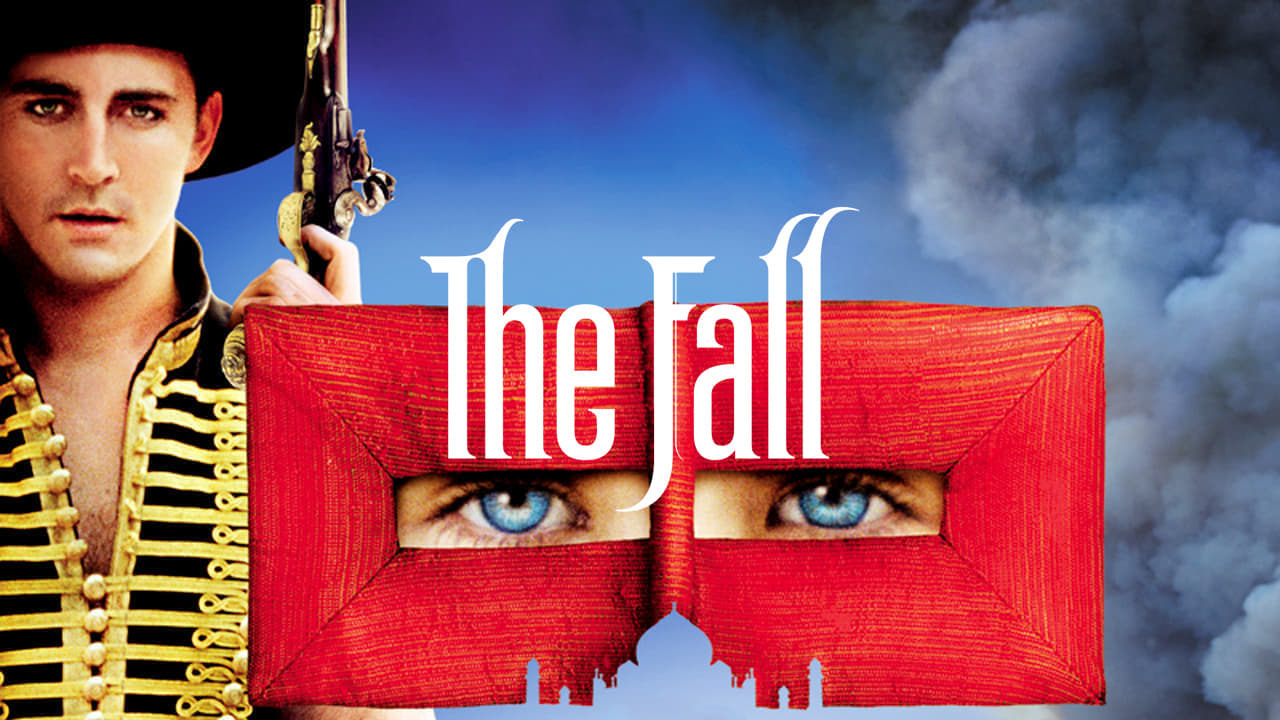
I first watched The Fall on a laptop with a cracked screen in a dorm room that smelled faintly of old coffee and wet wool, yet even through those pixelated fractures, I knew I was seeing something that shouldn't exist. It felt like a secret—a transmission from a more ambitious, more vibrant planet. Director Tarsem Singh (known for The Cell) reportedly spent four years and his own life savings to make this happen, shooting across 28 different countries. In an era where cinema was sprinting toward the digital safety of green screens and early CGI, Tarsem did the most radical thing possible: he went outside.
A Masterpiece of Practical Audacity
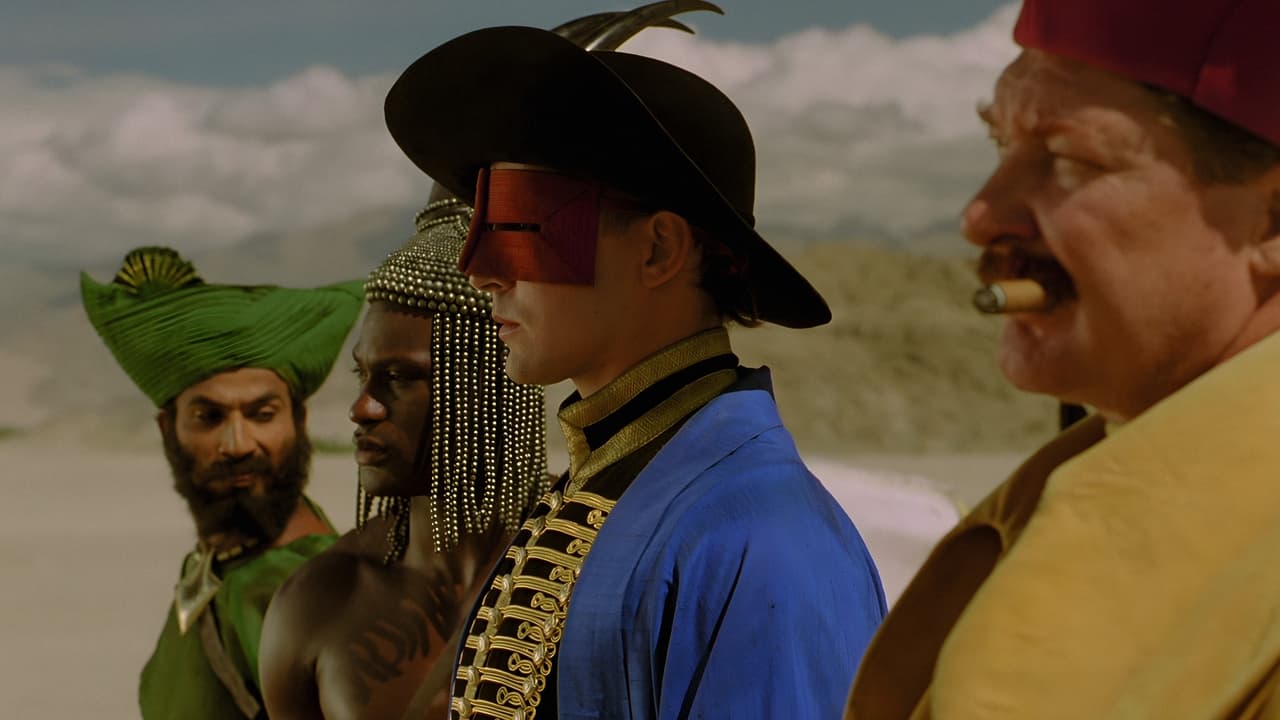
Looking back at 2006, we were right in the thick of the "CGI revolution." Pirates of the Caribbean: Dead Man's Chest was wowing audiences with Davy Jones’ digital tentacles, and the industry was quickly deciding that physical sets were a nuisance. Then came The Fall, a movie that looks more expensive than the GDP of a small nation but was actually a scrappy, self-funded labor of love. Every frame feels like a deliberate middle finger to the "fix it in post" mentality. When you see a sprawling blue city or a man emerging from a burning tree, you aren’t looking at a render farm’s hard work; you’re looking at Jodhpur, India, and a set of mind-blowing practical effects.
The story is a nested doll. In a 1920s Los Angeles hospital, Roy Walker (Lee Pace), a stuntman paralyzed after a fall, begins spinning a yarn for Alexandria, a young girl with a broken arm. Roy’s tale is a revenge epic involving five heroes—including a masked bandit and an explosive expert—who are trying to take down the evil Governor Odious (Daniel Caltagirone). But because the story is being interpreted through the mind of a child, the visuals are skewed by her limited experience. When Roy mentions an "Indian," he means a Native American, but Alexandria imagines a man from India (played by Jeetu Verma). It is a brilliant exploration of how we translate words into images, and Tarsem Singh captures that friction with staggering beauty.
The Art of the Unscripted Moment
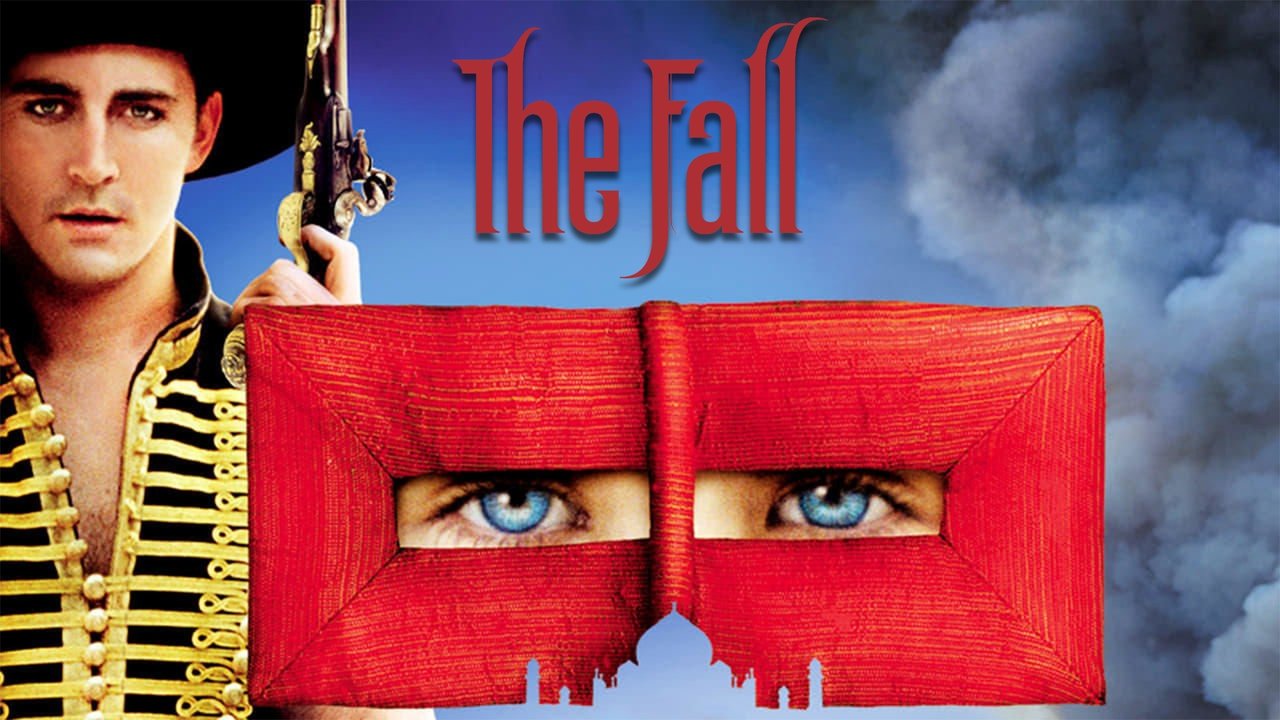
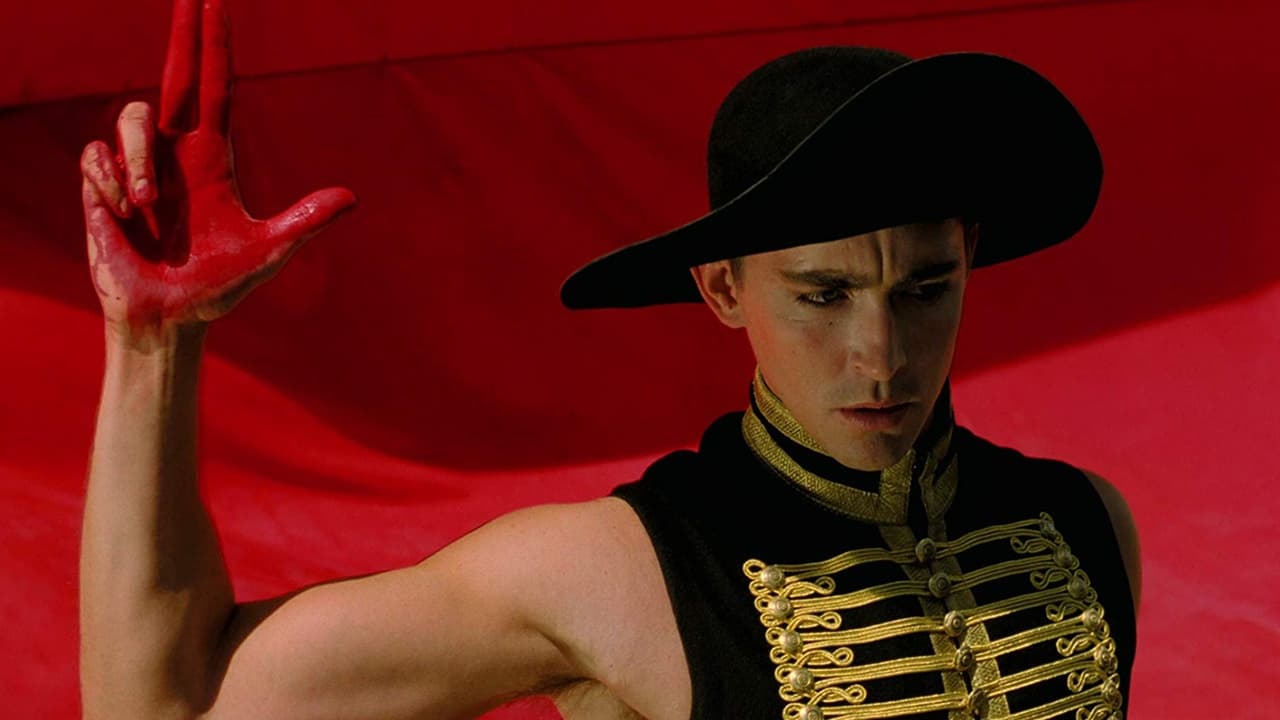
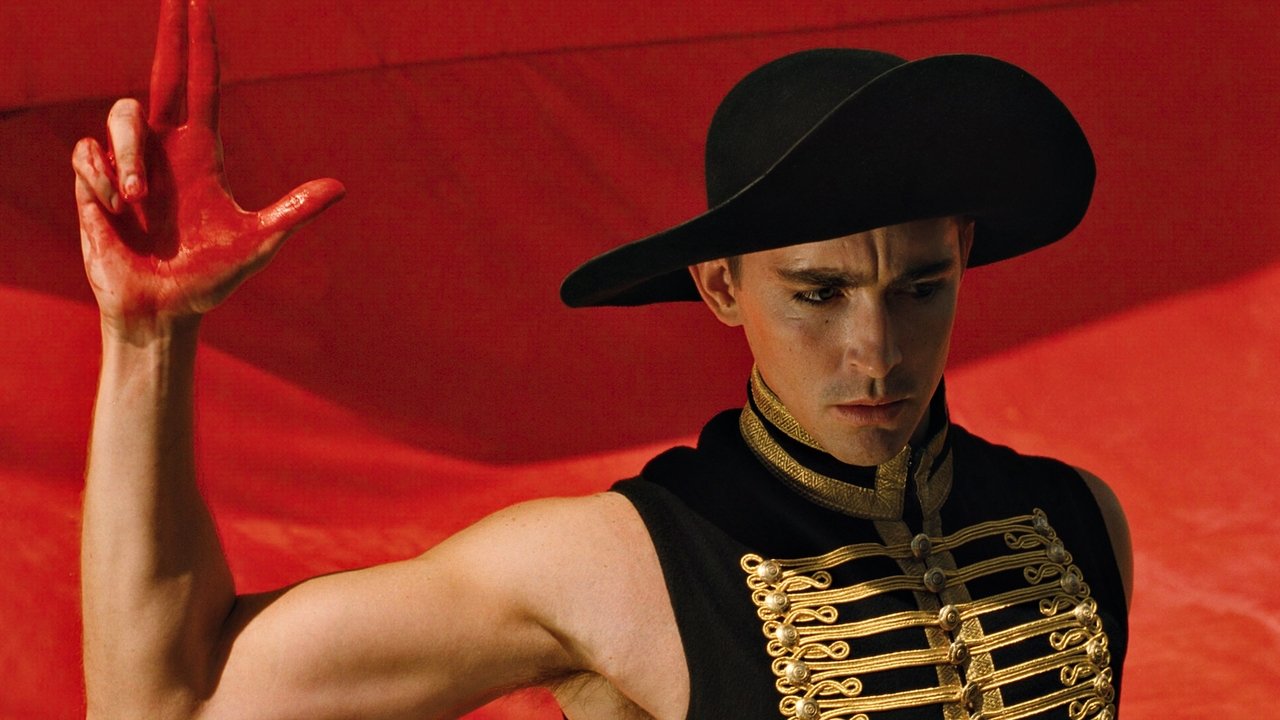
While the fantasy sequences are a riot of color—Tarsem Singh is what happens when you give a Renaissance painter a Panavision camera and a blank check—the heart of the film is the gray, quiet hospital room. Lee Pace is breathtakingly vulnerable here, long before he was playing Elven kings or Marvel villains. He captures the desperate, manipulative edge of a man who has lost his will to live and is using his stories as a lure to get a child to steal morphine for him.
The chemistry between Lee Pace and the young girl (played by Catinca Untaru, who isn't even listed in the primary credits sometimes but is the soul of the film) is unlike anything else in cinema. To keep the girl’s performance authentic, Tarsem actually told her that Pace was really paralyzed. The crew kept the ruse going for weeks, filming their conversations in long, intimate takes where the dialogue was largely improvised. When she stumbles over her words or touches Roy’s face, it’s real. It’s an acting masterclass built on a foundation of gentle deception, and it gives the film an emotional weight that balances out its stylistic excesses.
Why Did This Disappear?
It’s frankly a crime that The Fall isn't a household name. It was "lost in the shuffle" is an understatement; it was practically buried. Because it didn't fit into the burgeoning franchise model of the mid-2000s and wasn't a traditional "indie" drama, studios didn't know how to market it. It had a tiny release and earned back a fraction of its budget. For years, the only way to see it was a now-out-of-print Blu-ray that collectors guard like dragon gold.
I think the film’s obscurity also stems from a misunderstanding of Tarsem's intent. Critics at the time often dismissed him as a visual stylist who lacked substance. But looking at it now, the substance is in the subtext. It’s a film about the ethics of storytelling—about how we use narratives to heal or to hurt. It deals with suicide, despair, and the loss of innocence in a way that feels incredibly modern. It doesn't hold your hand through the "cerebral" bits; it just lets the imagery and the raw, unpolished performances do the heavy lifting.
The Fall is a rare specimen: a film that is both a technical marvel and a deeply human experience. It’s a reminder of a time when directors were still willing to gamble everything on a vision that didn't involve a cape or a pre-existing IP. If you can find a copy—whether it’s a dusty DVD in a bargain bin or a rare streaming appearance—drop everything and watch it. It’s the kind of movie that reminds you why you fell in love with the medium in the first place, proving that the most powerful special effect in the world is still a well-told story and a child’s imagination.
Keep Exploring...
-
Big Fish
2003
-
A Little Princess
1995
-
Nebraska
2013
-
Millennium Actress
2002
-
Into the Wild
2007
-
Justice League: The Flashpoint Paradox
2013
-
The Tale of The Princess Kaguya
2013
-
The Spiderwick Chronicles
2008
-

Wizards of Waverly Place: The Movie
2009
-
The Count of Monte Cristo
2002
-
Holes
2003
-
Inland Empire
2006
-
Across the Universe
2007
-
Rescue Dawn
2007
-
The Way Back
2010
-
Neon Genesis Evangelion: The End of Evangelion
1997
-
A Dog's Will
2000
-

Hero
2002
-
Spirit: Stallion of the Cimarron
2002
-
Treasure Planet
2002