The Fast and the Furious: Tokyo Drift
"Sideways is the only way forward."

Imagine a franchise losing its two biggest stars—the blue-eyed poster boy and the gravel-voiced muscle—only to double down by moving the entire production to a country where the cars have the steering wheels on the "wrong" side. In 2006, The Fast and the Furious: Tokyo Drift looked like a desperate, straight-to-DVD death rattle. Instead, it became the soul of the entire series. I remember watching this on a flickering CRT monitor while eating a lukewarm Cup Noodles that I’m pretty sure was three months past its expiration date, and honestly, the salt and the neon just made sense together.
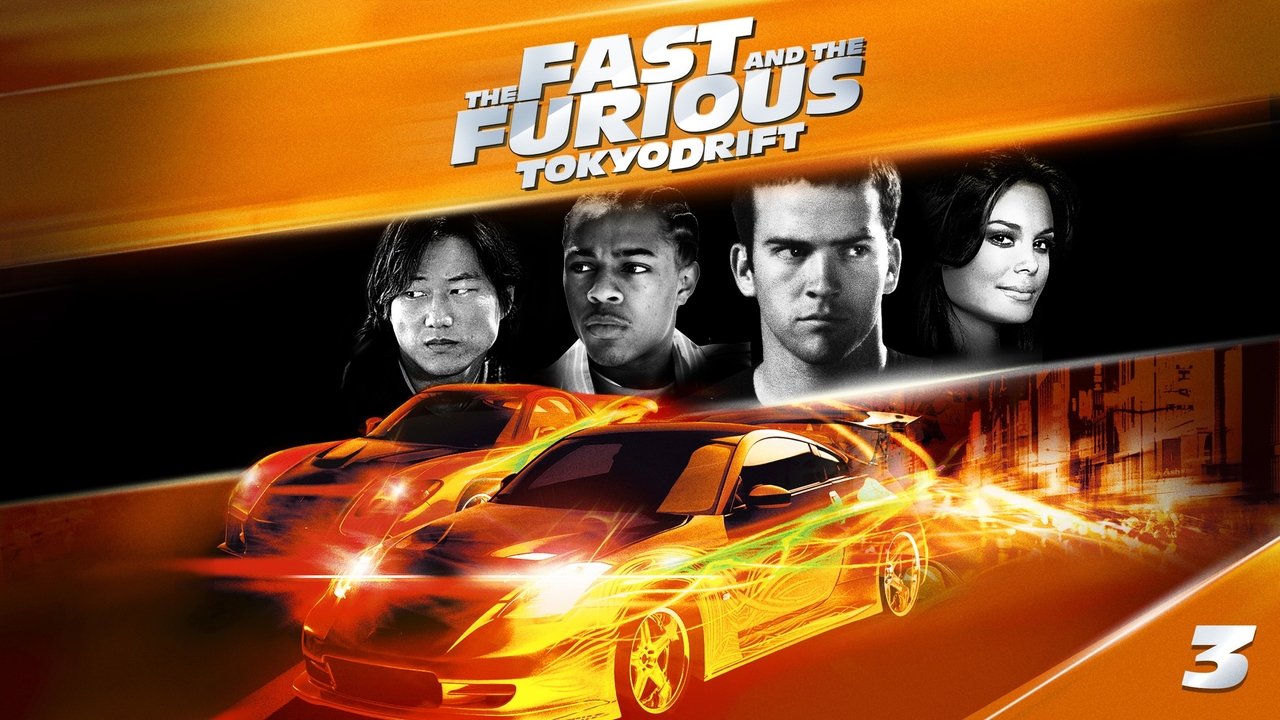
Looking back, Tokyo Drift arrived right as the "pimp my ride" era of car culture was hitting its peak. This wasn't the polished, international heist-flick vibe of the later Fast movies. It was greasy, loud, and obsessed with the physics of a perfect slide. It’s the black sheep that eventually became the shepherd, and it’s arguably the most "cinema" entry in a franchise that eventually traded gravity for satellites.
The Southern Fried Fish Out of Water
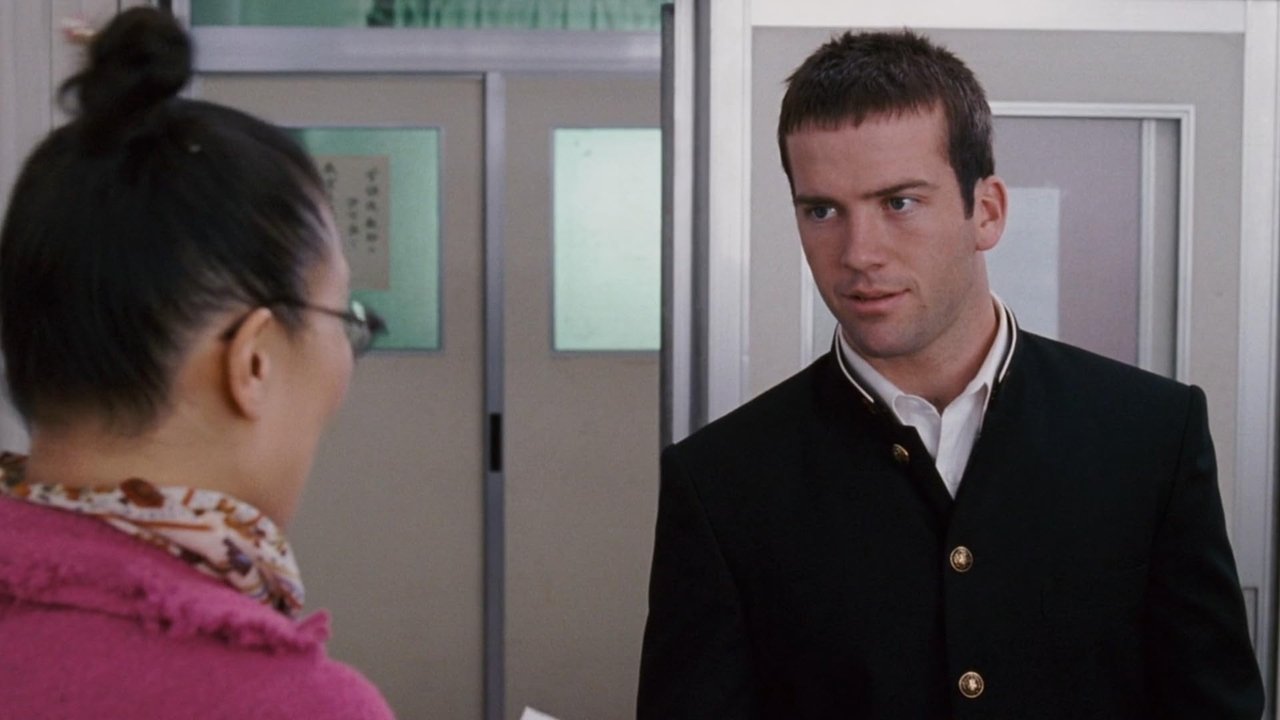
The plot is gloriously simple, almost like a 1950s Western rebooted for the Tuner generation. Lucas Black plays Sean Boswell, a high schooler who looks like he’s lived through three recessions and a mortgage crisis despite supposedly being seventeen. After a disastrous (and wonderfully destructive) opening race involving a half-built housing development and a lot of shattered glass, Sean is shipped off to Tokyo to live with his military dad.
Once there, he discovers that the Japanese underground doesn't care about the American obsession with quarter-mile drag racing. They care about "drifting." It’s a ballet of burning rubber, and Sean is the guy trying to dance with two left feet. This sets the stage for a classic underdog story, but it’s elevated by Justin Lin’s direction. Before he became the architect of the modern Fast universe, Lin (who previously made the excellent indie Better Luck Tomorrow) brought a specific, grounded energy to the screen. He understood that we didn't just want to see cars go fast; we wanted to see them dance.
The Han Dynasty and the Art of the Slide
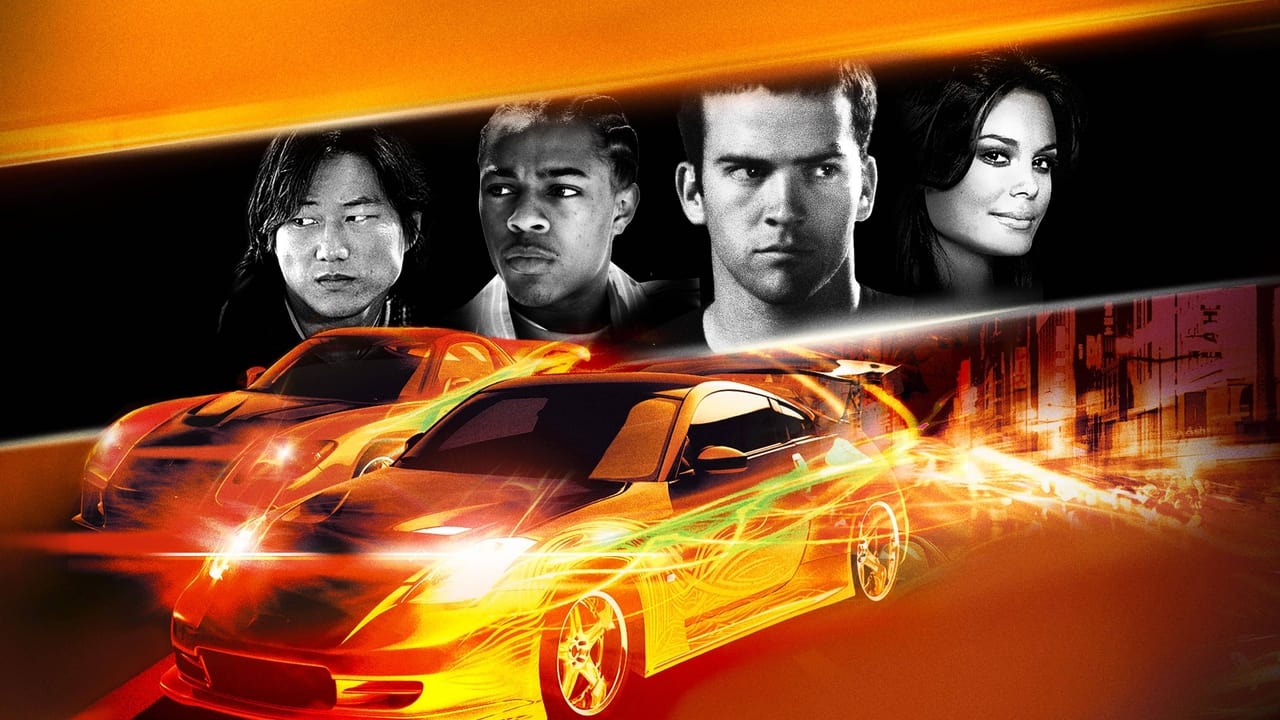
The real reason anyone still talks about this movie—and the reason it has earned its cult stripes—is Sung Kang as Han Lue. While Lucas Black is a serviceable lead, Kang is effortlessly cool. He spends half the movie leaning against things and eating chips, yet he carries the emotional weight of the entire film. He’s the mentor who doesn't just teach Sean how to drive, but how to exist in a city that doesn't want him.
The chemistry between them is what anchors the film, making it feel less like a corporate product and more like a character study with nitrous oxide. Apparently, Kang's character was so popular that the producers literally broke the timeline of the entire franchise just to keep him around for three more movies, turning Tokyo Drift into a weirdly placed prequel/sequel hybrid that wouldn't be resolved until 2013’s Fast & Furious 6.
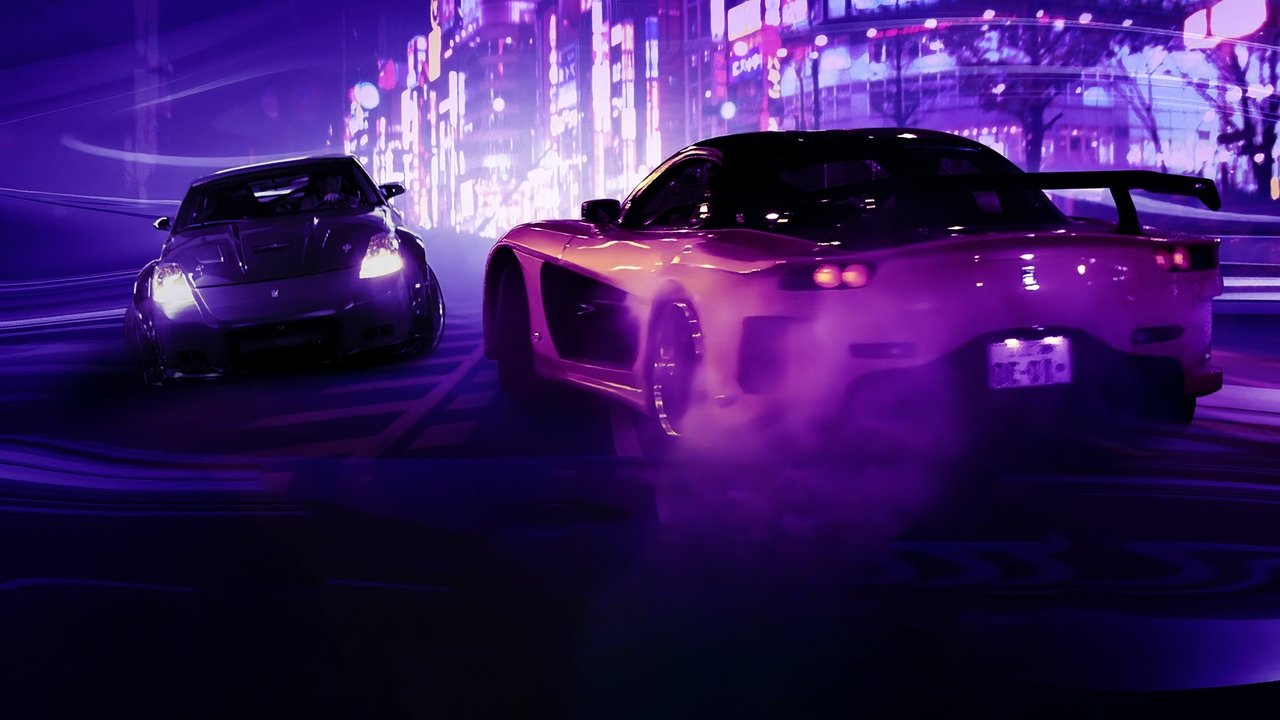
The action itself is a masterclass in the transition from practical to digital. We were in that mid-2000s sweet spot where CGI was getting good, but directors still preferred to wreck actual cars when possible. The production reportedly went through over 100 cars, and you can feel the weight of the metal. When Sean scrapes his car against the walls of a spiral parking garage—a sequence that Justin Lin shot with a claustrophobic, tactile tension—it hurts. It feels physical. There’s a scene where they drift through the famous Shibuya Crossing, and while some of it was a set, the crew actually filmed some of it illegally in the real Tokyo streets. Justin Lin supposedly stayed behind to get arrested if the cops showed up, pretending to be the director so the actual crew could get away. That’s the kind of renegade filmmaking that gave this movie its grit.
A Neon-Soaked Reassessment

Is it perfect? Of course not. The dialogue is often as stiff as a new set of tires, and the villain, D.K. (Brian Tee), is your standard-issue "I’m rich and mean" antagonist. But looking back from an era where movies are often over-lit and digitally smoothed, the cinematography by Stephen F. Windon (who also shot Star Trek Beyond) is a revelation. Tokyo looks like a living, breathing creature—all magenta, cyan, and deep shadows. It captured a very specific Y2K-adjacent tech-anxiety, where the world felt small enough to travel but big enough to get lost in.
The soundtrack, headlined by the Teriyaki Boyz, is an absolute earworm that practically defined the "cool Japan" aesthetic for a generation of Westerners. It’s a film that knows exactly what it is. It doesn't try to save the world; it just tries to win a race and get the girl (Nathalie Kelley). In the context of the 1990-2014 era, it represents that wonderful moment where a franchise was allowed to experiment and fail—or, in this case, fail and then be rediscovered as a masterpiece of its genre.
The cameo at the end—which I won’t spoil, though everyone knows it by now—was the bridge that saved the franchise, but the movie stands on its own four wheels regardless. It’s a film about finding a family in the most unlikely of places, usually while traveling 80 miles per hour sideways. If you’ve skipped it because it doesn't have the "main" cast, you’re missing out on the best actual racing movie of the entire twenty-year run. Grab some snacks, ignore the southern accent coming out of a "teenager," and enjoy the slide.
Keep Exploring...
-
Fast & Furious
2009
-
Fast Five
2011
-
Fast & Furious 6
2013
-
2 Fast 2 Furious
2003
-
The Fast and the Furious
2001
-
F9
2021
-
Fast X
2023
-
Furious 7
2015
-
The Fate of the Furious
2017
-
Cellular
2004
-
Faster
2010
-
Colombiana
2011
-

The Negotiator
1998
-
Gangster Squad
2013
-
xXx
2002
-
Basic
2003
-
The Hunted
2003
-
Contraband
2012
-
The Score
2001
-

Domino
2005