The Fountain
"One love, a thousand years, and a dying star."
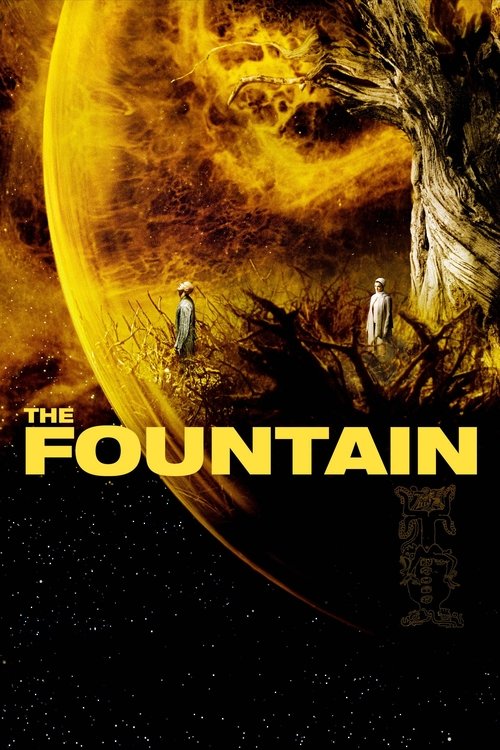
When the credits rolled on my first viewing of The Fountain, I sat in total silence for ten minutes, barely noticing that I was sitting on a sharp piece of LEGO my nephew had left on the sofa. That’s the kind of movie this is. It’s the sort of ambitious, heart-on-sleeve swing that simply doesn't happen in the modern studio system anymore—at least not with a $35 million budget and two A-list stars. In 2006, critics weren't quite sure if Darren Aronofsky was a genius or if he’d simply lost his mind. Looking back at it now, through a lens of nearly two decades of increasingly sanitized blockbusters, I’m convinced it’s the former.
A Shipwrecked Ambition
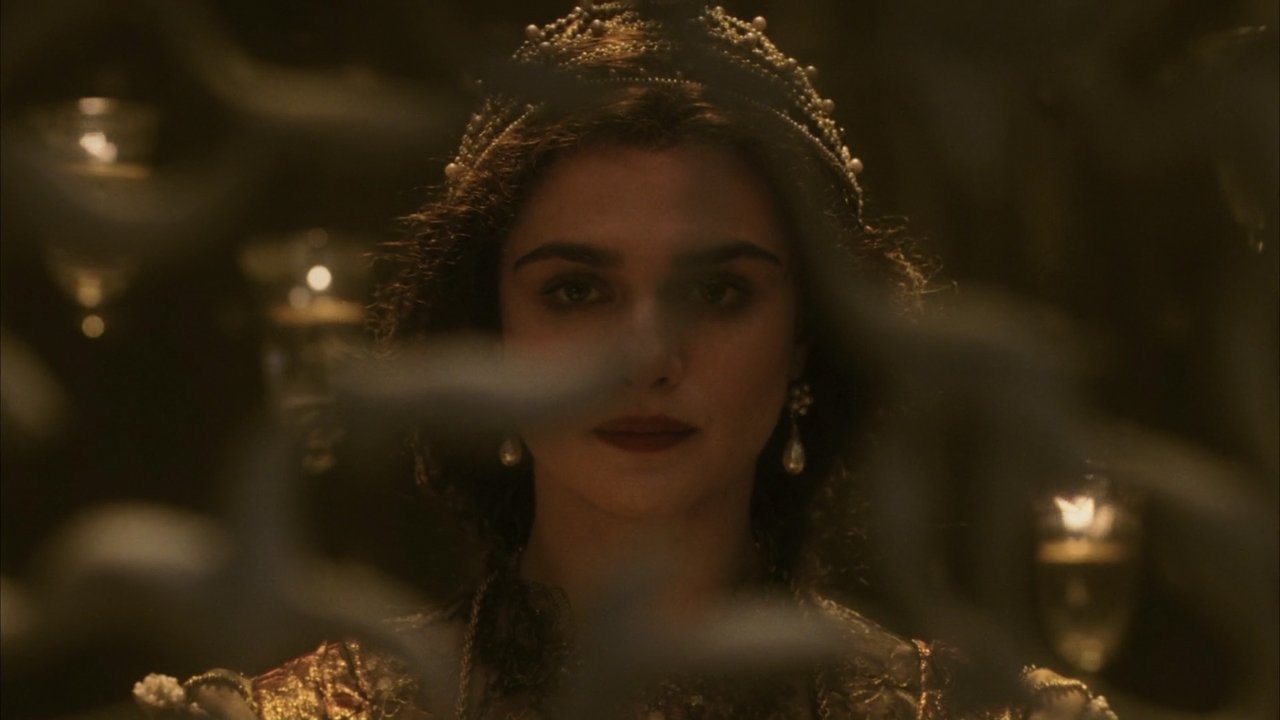
The story behind the film is almost as dramatic as the plot itself. Originally, this was supposed to be a $70 million sci-fi epic starring Brad Pitt and Cate Blanchett. Seven weeks before shooting, Pitt walked away over creative differences, the sets in Australia were literally auctioned off as scrap, and the project was declared dead. Most directors would have moved on, but Darren Aronofsky—fresh off the grueling success of Requiem for a Dream—spent years stripping the script down to its emotional bones.
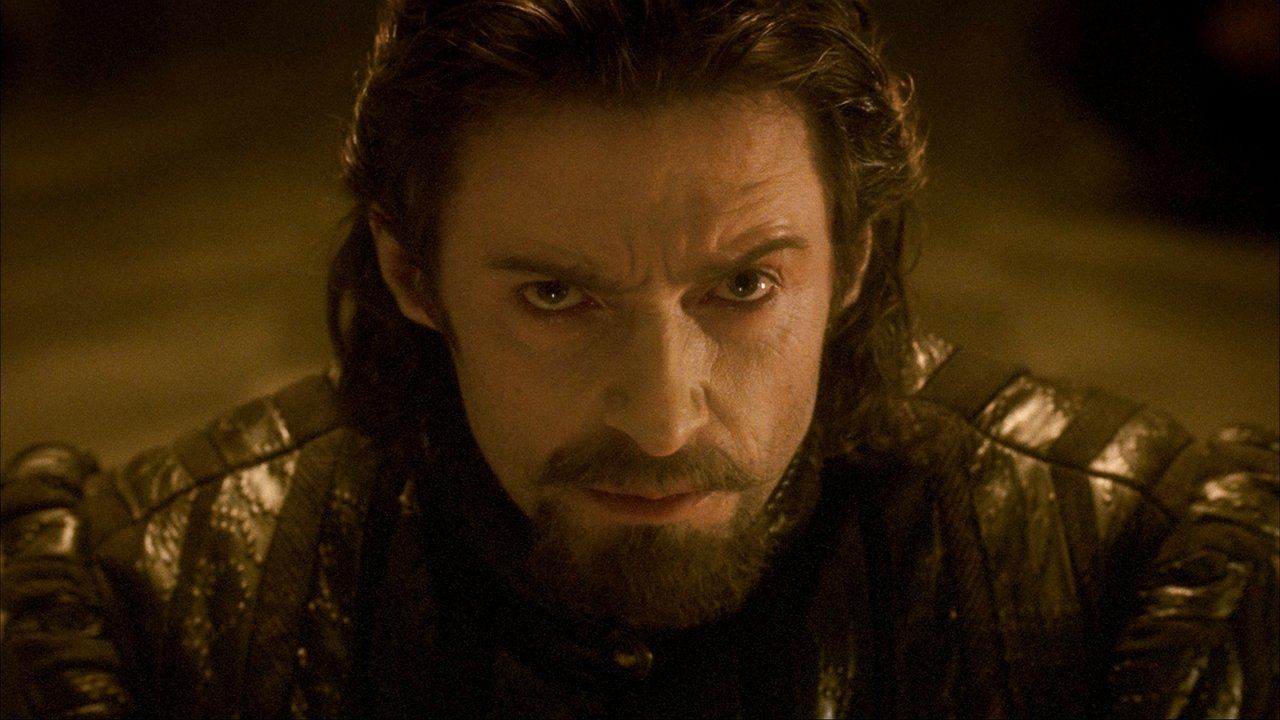
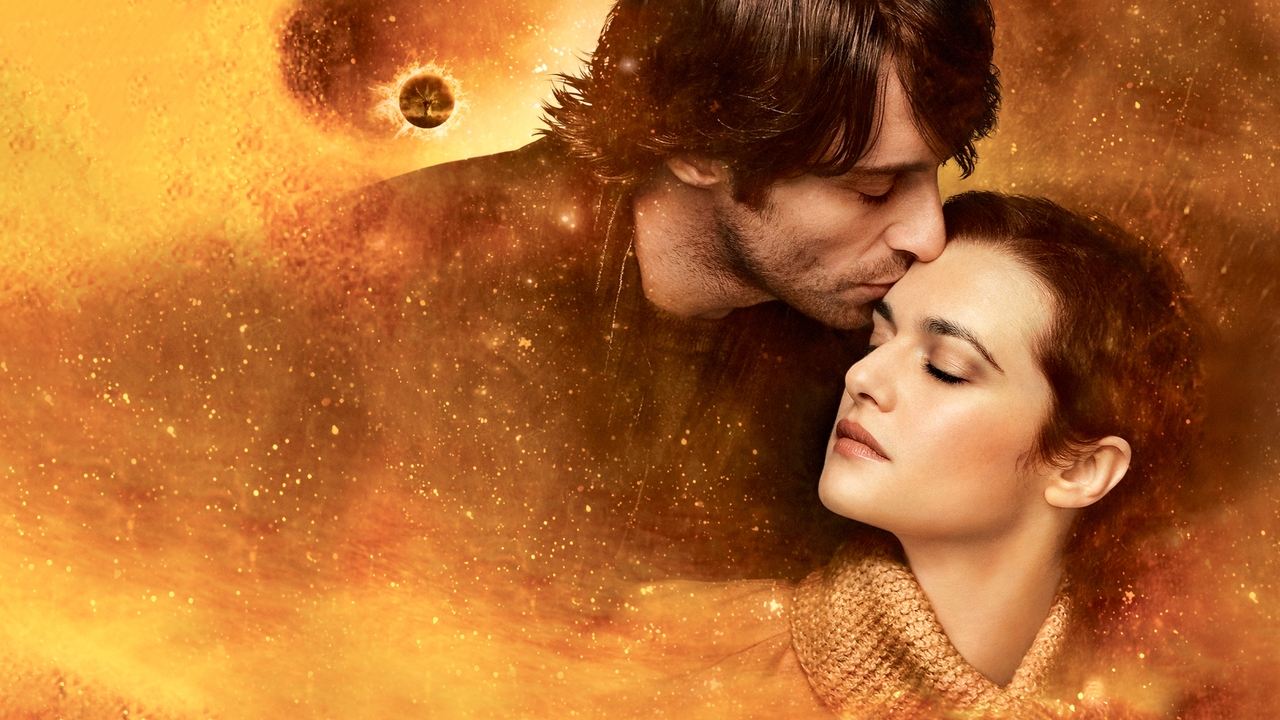
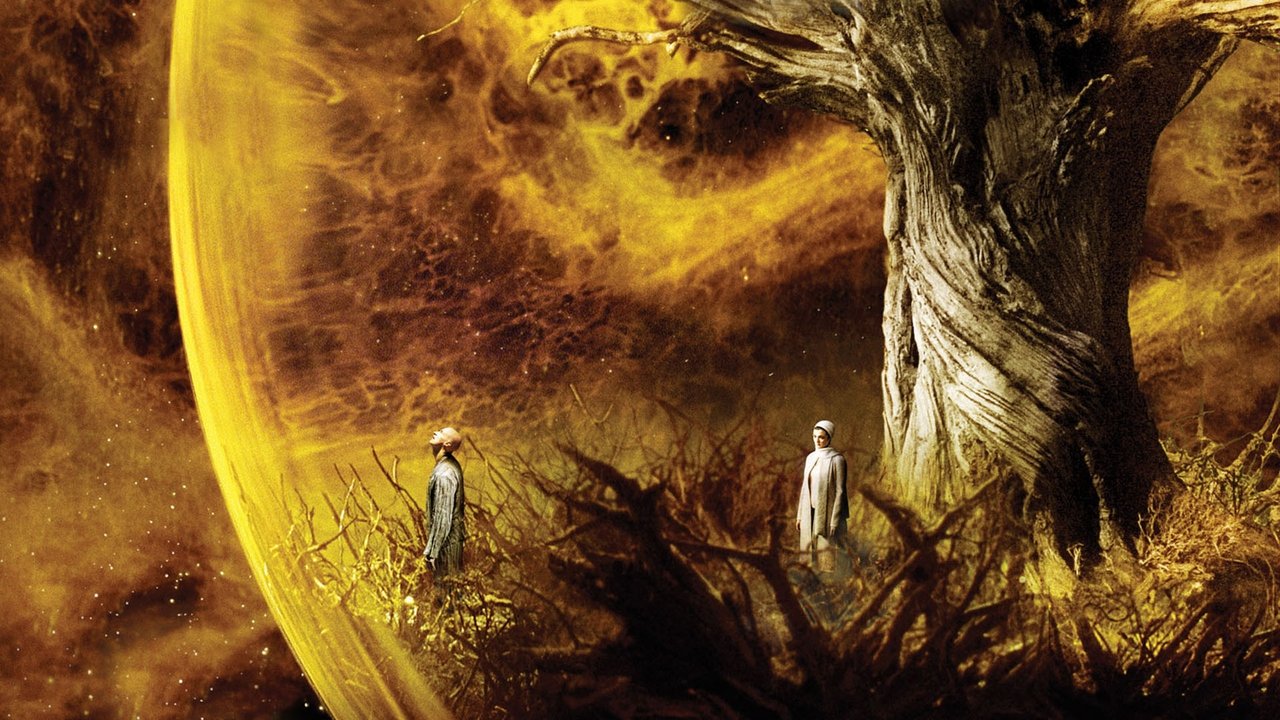
He eventually recast the lead roles with Hugh Jackman and Rachel Weisz, and honestly? The movie is better for it. There is a raw, desperate chemistry between them that feels earned. The film weaves together three timelines: a 16th-century conquistador searching for the Tree of Life, a modern-day surgeon (Tommy) frantically trying to cure his wife’s (Izzi) brain tumor, and a futuristic space-traveler floating in a translucent bubble toward a dying nebula. It’s a lot to juggle, but the emotional anchor remains the same: a man who refuses to accept that his wife is dying.
I’ve always felt that Hugh Jackman’s performance here is significantly more impressive than anything he did as Wolverine. Watching him transition from the hyper-focused, arrogant surgeon to the weeping, broken man tattooed with ink rings of grief is a masterclass in vulnerability. He isn't just "acting" sad; he looks like he’s being dismantled from the inside out.
Organic Stars and Petri Dishes
One of the most remarkable things about The Fountain is how it has aged. While other mid-2000s films relied on early, rubbery CGI that looks dated today, this movie remains breathtaking. To save money after the budget was halved, Aronofsky and cinematographer Matthew Libatique (who also shot Black Swan) avoided digital effects whenever possible.
Instead, they hired Peter Parks, a specialist in macro-photography, to film chemical reactions in petri dishes. Those massive, gold-hued nebulae you see in the space sequences? They aren't pixels; they are tiny drops of yeast, ink, and chemicals reacting in water. This "organic" approach gives the film a tactile, timeless quality. It feels less like a movie and more like a moving painting. The lack of traditional CGI makes the space sequences feel ancient and holy rather than high-tech.
And then there is the score. I’ll go on record saying Clint Mansell’s work here, performed by the Kronos Quartet and Mogwai, is one of the greatest film scores ever recorded. It doesn't just support the scenes; it provides the heartbeat. "Death is the Road to Awe" is a track I still play when I need to feel like I’m ascending to another plane of existence—or just when I’m trying to finish a deadline.
The Cult of the DVD
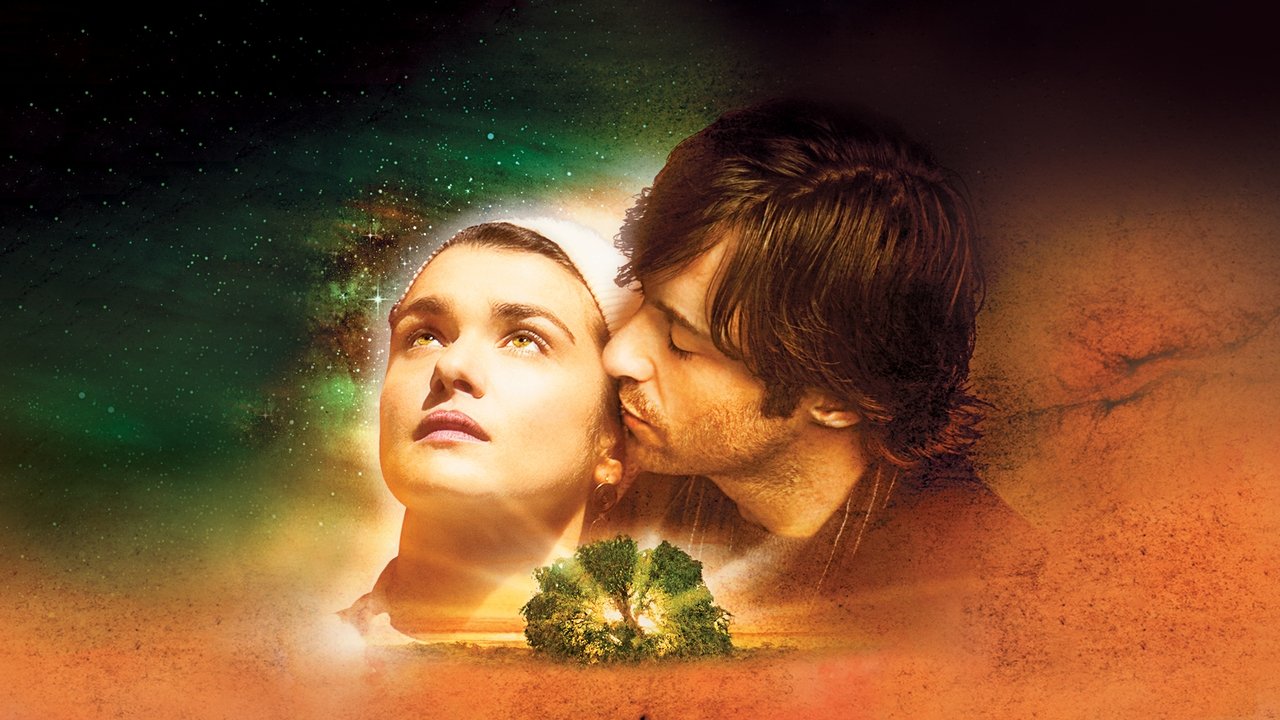
Upon its release, The Fountain was a commercial disaster. It earned back less than half its budget and received a fair amount of "boo"ing at the Venice Film Festival. But the DVD era was its savior. This is a film designed for repeat viewings, for pausing to look at the recurring motifs of the "X" shape or the golden lighting that permeates every era.
I remember finding the special edition DVD in a bargain bin years later and being stunned by the "Inside the Fountain" featurettes. They revealed just how much of a struggle it was to get this made—Mark Margolis, a regular for Aronofsky, even mentioned in interviews how the cast stayed in character across the timelines to keep the emotional threads tight.
It’s a film about the human condition, specifically our refusal to say goodbye. It’s not "easy" viewing. It’s heavy, it’s loud, and it’s unapologetically sincere. In an era where every movie feels like it’s winking at the audience to make sure we know it’s not taking itself too seriously, The Fountain takes itself with deadly seriousness. It’s a drama that asks us to look at death not as a tragedy to be defeated, but as an act of creation.
Ultimately, this is a film for the seekers and the broken-hearted. Whether you view it as a literal sci-fi story or a metaphorical exploration of a man writing a book to process his wife's passing, it lingers in the back of your mind long after the final golden frame fades. It’s a rare instance of a director being told "no" by the entire industry and deciding to make his vision anyway, smaller and sharper. If you missed it during the mid-2000s shuffle, it’s time to catch up. Just make sure you have some tissues nearby—and maybe check your seat for LEGOs before you sit down.
Keep Exploring...
-
The Wrestler
2008
-

Noah
2014
-
Forever Young
1992
-
A Knight's Tale
2001
-
A.I. Artificial Intelligence
2001
-
Never Let Me Go
2010
-
Real Steel
2011
-
Seeking a Friend for the End of the World
2012
-
Pi
1998
-
The Lion King II: Simba's Pride
1998
-
Casanova
2005
-
X-Men: Days of Future Past
2014
-
Enemy at the Gates
2001
-
2046
2004
-

Alexander
2004
-
Mr. Nobody
2009
-
Push
2009
-
K-PAX
2001
-

Frida
2002
-
Punch-Drunk Love
2002