The Girl Who Leapt Through Time
"Time waits for no one, but it might give you a head start."
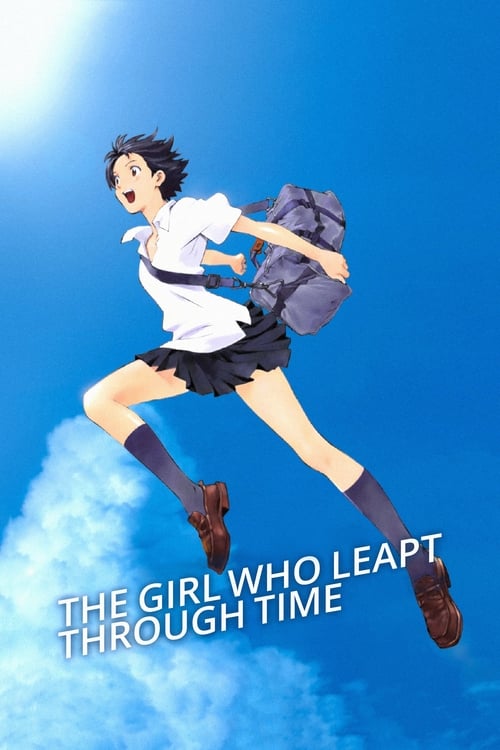
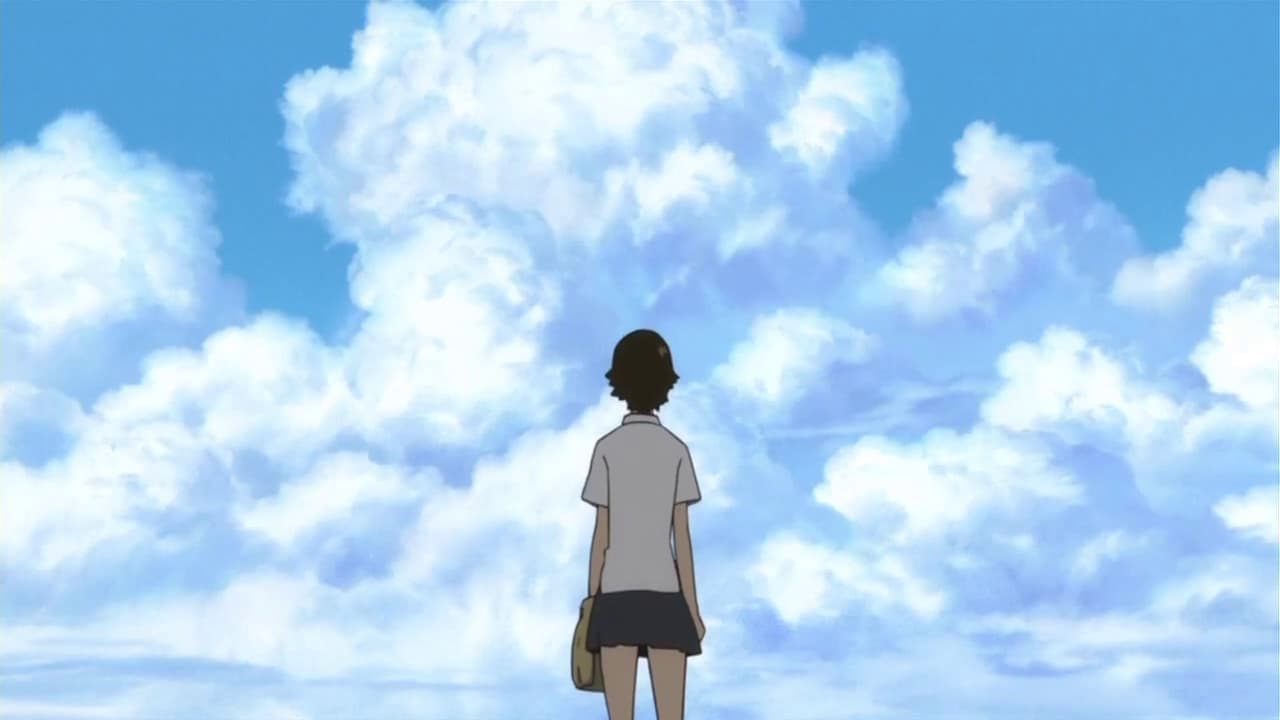
The first time Makoto Konno throws herself through the air, it isn't a graceful, cinematic arc. It’s a desperate, flailing tumble that ends with her face-planting into a pile of laundry. In most time-travel movies, the "jump" is a high-tech affair involving flux capacitors or shimmering portals. Here, it’s a literal leap—a clumsy, teenager-in-a-hurry sprint that treats the laws of physics like a suggestion. That sweat-on-the-brow, scraped-knee reality is exactly why The Girl Who Leapt Through Time (2006) remains one of the most resonant pieces of animation from the mid-aughts.
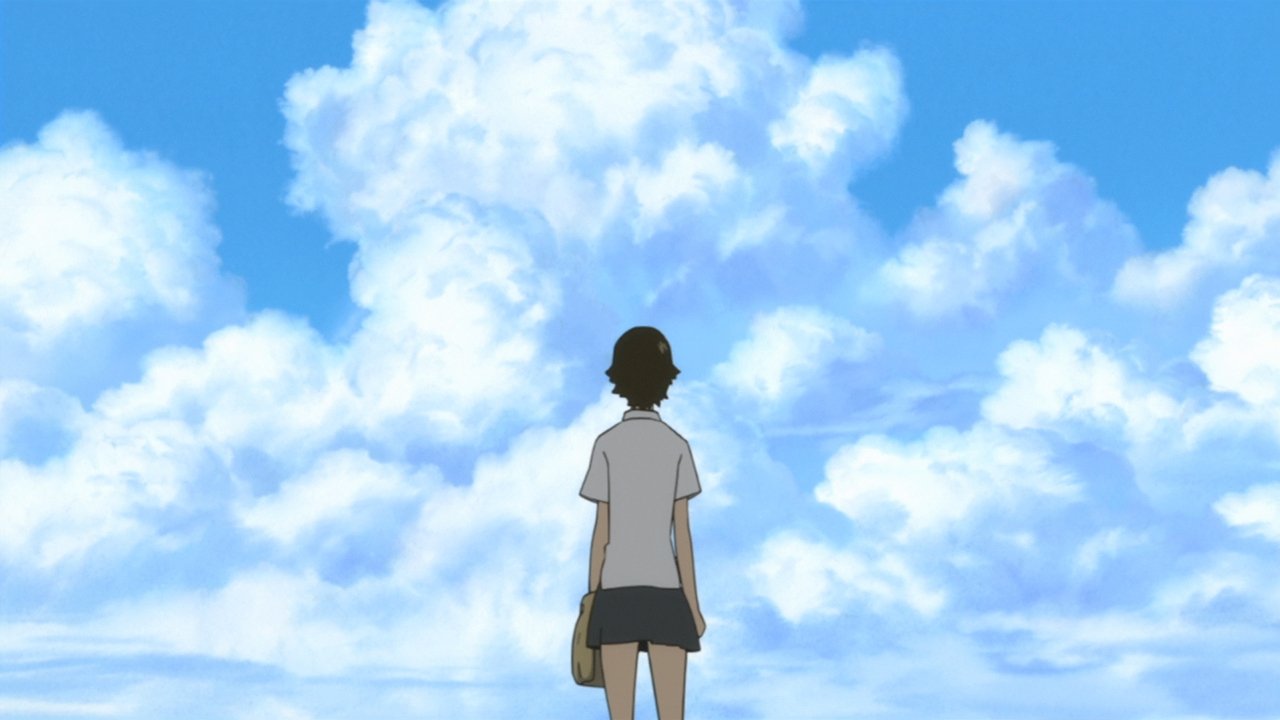
I watched this most recently on a laptop with a dying battery while sitting in a drafty airport terminal, and honestly, the anxiety of watching that percentage bar drop felt like a perfect, unintended 4D supplement to the film’s ticking clock.
The Physics of a Bad Grade
At its heart, the film is a masterclass in low-stakes stakes—until, of course, they aren’t. Riisa Naka voices Makoto with a frantic, unpolished energy that feels remarkably grounded. She isn't trying to save the world or kill Hitler; she’s trying to pass a pop quiz, avoid an awkward confession from a friend, and ensure she gets to eat the premium pudding in the fridge before her sister does. It’s the ultimate "what if" scenario for anyone who spent their seventeenth year feeling like they were perpetually five minutes behind.
Director Mamoru Hosoda—who famously walked away from Howl’s Moving Castle after creative differences with Studio Ghibli—uses this film to establish his own visual language. Unlike the lush, European-inspired fantasies of Miyazaki, Hosoda’s world is one of power lines, humid summer afternoons, and the clack of a train crossing. It captures that specific 2006 moment where the analog world was still breathing, but the digital one was starting to hum.
Looking back, there’s a distinct lack of smartphones; characters actually have to find each other in person. The drama hinges on the physical distance between people, a concept that feels almost quaint in the era of instant connectivity. The script by Satoko Okudera leans into this, making the "leap" a metaphor for the terrifying transition into adulthood. Every time Makoto fixes a minor embarrassment, she inadvertently kicks a pebble that starts a landslide elsewhere. The logic of the time-travel nut that gets lodged in her arm makes zero sense if you think about it for more than four seconds, but the emotional logic is airtight.
A Cult Hit Born in Six Theaters
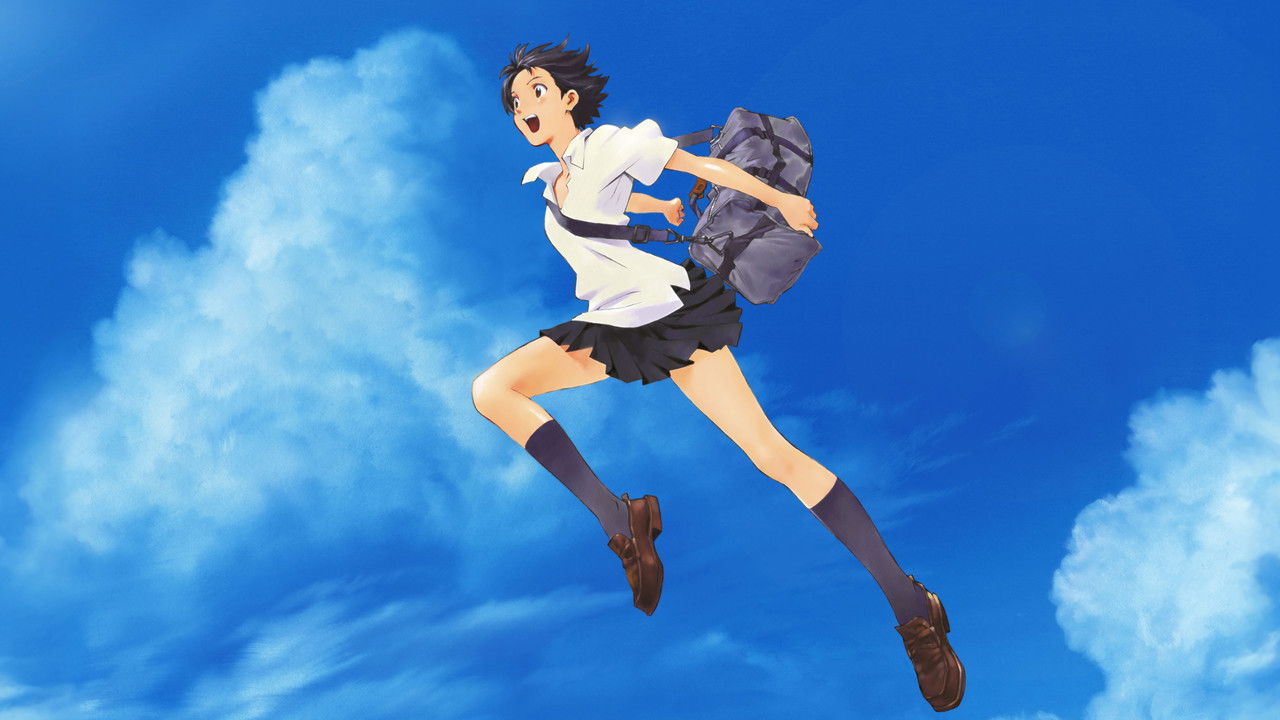
It’s easy to forget now that this film was a massive underdog. When it first hit Japanese screens, it only opened in six theaters. It didn’t have a massive marketing machine behind it. Instead, it became a genuine word-of-mouth phenomenon, staying in theaters for months as fans told their friends they had to see the girl who literally ran through time. By the time it hit the international DVD market, it was already a legend.
This cult status was bolstered by some incredible pedigree behind the scenes. The character designs were handled by Yoshiyuki Sadamoto, the man who gave Neon Genesis Evangelion its iconic look. You can see that influence in the way Makoto moves—all long limbs and expressive, slightly jagged posture.
Interestingly, while the film is based on a famous 1967 novel by Yasutaka Tsutsui, it’s actually a stealth sequel. The "Auntie Witch" character Makoto visits for advice is actually the protagonist of the original book, now grown up and watching a new generation make the same mistakes. It’s a brilliant bit of meta-commentary on how we never really "solve" the problem of growing up; we just get better at watching others go through it.
The Weight of a Summer Afternoon
What really keeps this film relevant is its refusal to be just a sci-fi gimmick. It’s a heavy drama dressed in school uniforms. The relationship between Makoto and her two best friends, Chiaki (Takuya Ishida) and Kousuke (Mitsutaka Itakura), is handled with such subtle, aching honesty that it hurts. When Chiaki finally drops the "I’m from the future" bombshell, it doesn't feel like a plot twist; it feels like the inevitable end of summer.
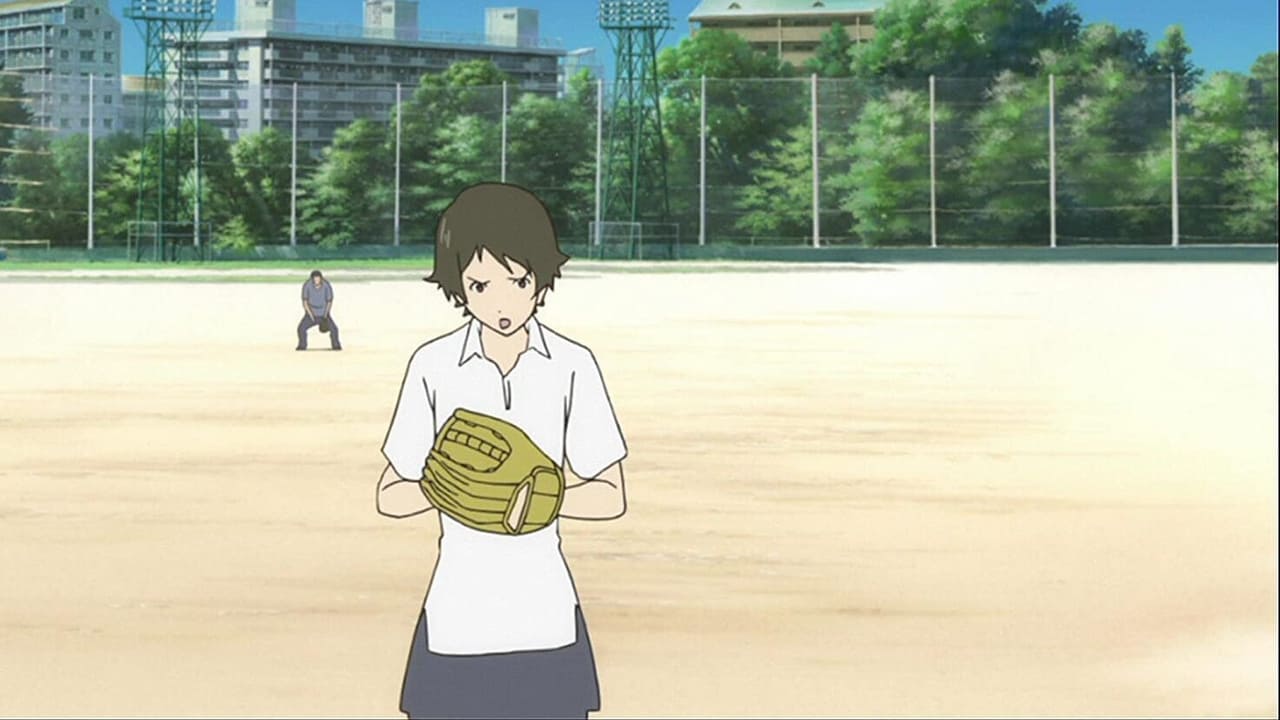
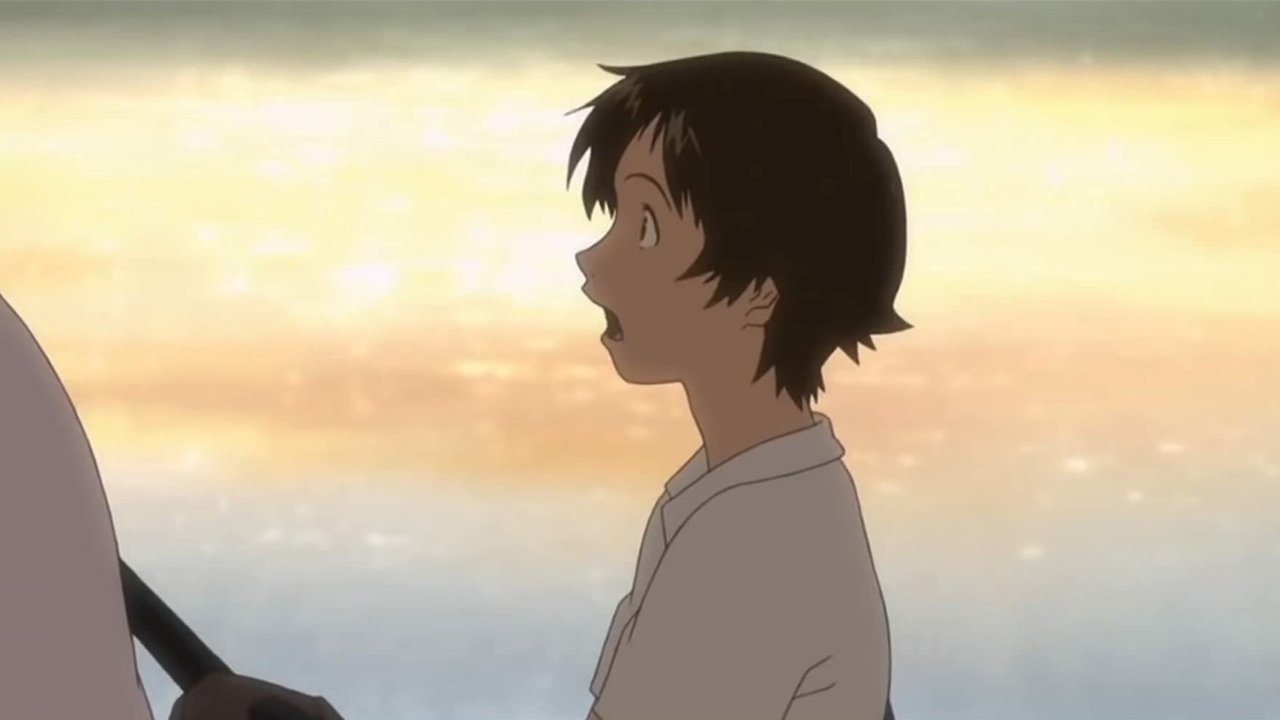
The animation by Madhouse is spectacular, particularly in the way it captures the "leap" sequences. They use a mix of traditional hand-drawn backgrounds and slightly distorted perspectives to convey the sensation of falling through history. It’s not "clean" animation, and that’s the point. It’s messy, like being seventeen.
There are plenty of quirky details for the eagle-eyed, too. Keep an eye on the chalkboards in the background; the phrase "Time waits for no one" is scrawled throughout the film, serving as a constant, looming threat. And for the real nerds: the specific date Makoto keeps looping back to—July 13th—is a nod to "Nice Day," a pun on the Japanese pronunciation of the numbers 7-1-3.
Ultimately, The Girl Who Leapt Through Time is a reminder that even if we could go back, we probably shouldn't. It tackles the terrifying realization that our choices have weight and that "fixing" the past often means breaking the future. It’s a film that earns its tears because it respects the audience enough to be bittersweet.
If you haven't revisited this one since the DVD days, do yourself a favor. It’s a snapshot of a turning point in anime history—the moment Mamoru Hosoda proved there was room for a new kind of storytelling that didn't need a castle in the sky to be magical. Just a girl, a bike, and a very long jump.
---
Keep Exploring...
-
Wolf Children
2012
-
Neon Genesis Evangelion: The End of Evangelion
1997
-

Summer Wars
2009
-

Treasure Planet
2002
-

Evangelion: 1.0 You Are (Not) Alone
2007
-
Evangelion: 2.0 You Can (Not) Advance
2009
-
Millennium Actress
2002
-
The Boy and the Beast
2015
-

The Cat Returns
2002
-

A Christmas Carol
2009
-
The Tale of The Princess Kaguya
2013
-

Spirit: Stallion of the Cimarron
2002
-
Big Fish
2003
-
Corpse Bride
2005
-
Persepolis
2007
-

Moon
2009
-

The Iron Giant
1999
-

Justice League: The Flashpoint Paradox
2013
-
Whisper of the Heart
1995
-
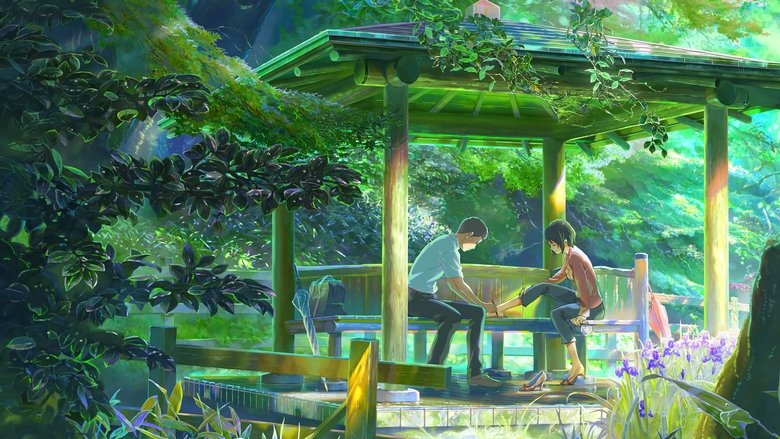
The Garden of Words
2013