The Good Shepherd
"Secrets are the only currency in a world of ghosts."
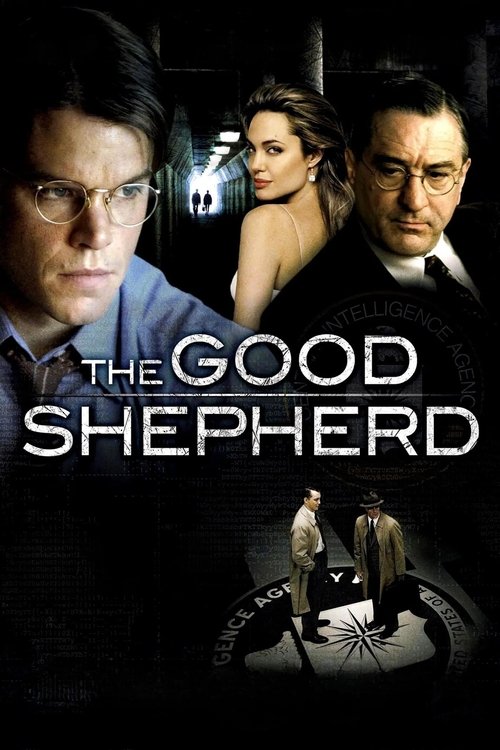
I watched The Good Shepherd on a rainy Tuesday afternoon while my neighbor was power-washing his driveway. The rhythmic, monotonous drone of the water against the pavement was, in retrospect, the perfect auditory accompaniment to Robert De Niro’s three-hour descent into the soul-crushing machinery of the American intelligence apparatus. It’s a film that asks for your patience and offers you a cold, damp seat at the table where the world was carved up by men in Ivy League ties.
Released in 2006, the film arrived during a specific window of Hollywood history. We were deep in the post-9/11 "prestige gloom" era—a time when directors like Steven Spielberg (Munich) and Stephen Gaghan (Syriana) were obsessed with the moral rot behind geopolitical chess moves. But while those films had a certain kinetic energy, The Good Shepherd is a different beast entirely. It is a movie made of whispers, shadows, and the sound of paper being shredded. It’s a "dad movie" of the highest order, the kind that used to thrive on a two-disc DVD special edition but has since drifted into that strange cinematic purgatory: too smart to be ignored, too slow to be a classic.
The Man of Stone
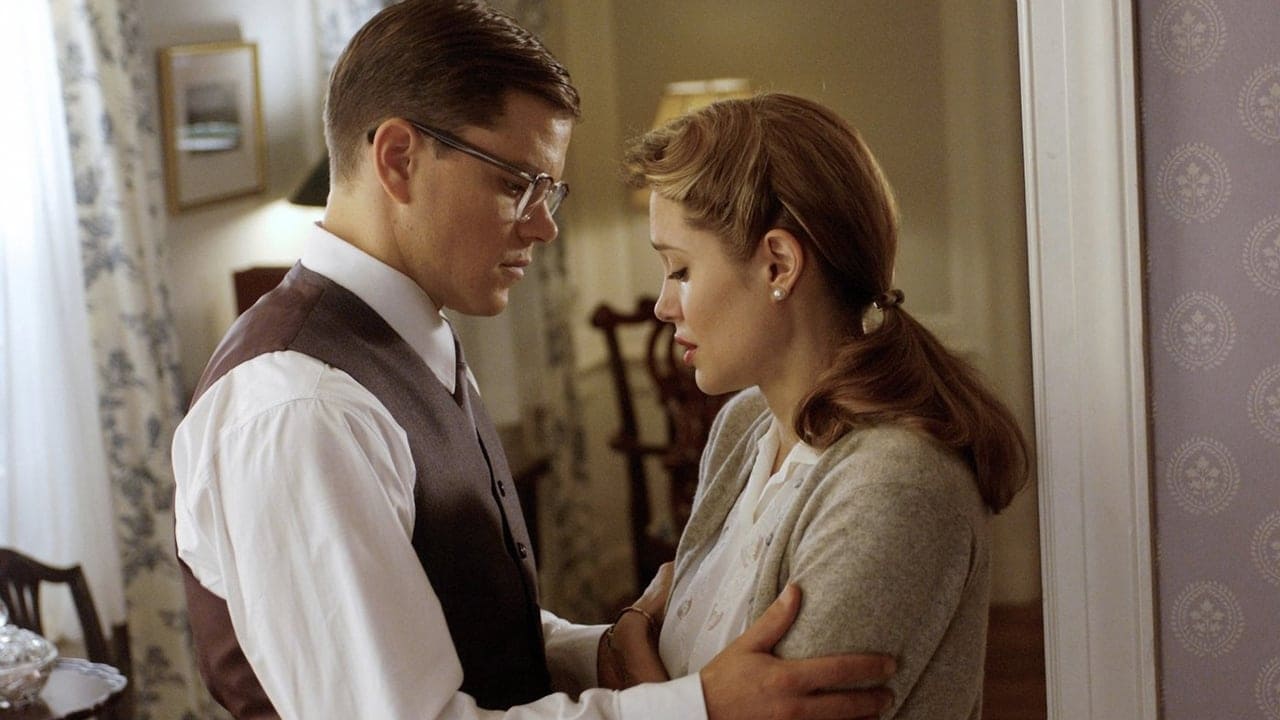
At the center of this grey-scaled odyssey is Edward Wilson, played by Matt Damon with a performance so restrained it’s practically geological. If you’re looking for the charming rogue of The Talented Mr. Ripley or the action-hero grit of Jason Bourne, you’re in the wrong office. Wilson is a man who learns early on that the only way to keep a secret is to become one.
The story follows him from his days in the Skull and Bones society at Yale—where the "gentlemen" of America’s future elite are forged through weird rituals and whispered promises—to the founding of the CIA. Damon’s ability to convey a soul slowly turning to concrete is the film's greatest asset. He’s surrounded by an embarrassment of riches in the supporting cast: Alec Baldwin as a weary FBI agent, William Hurt as a puppet master, and Joe Pesci popping up for a single, chilling scene that reminded everyone why we missed him during his six-year retirement.
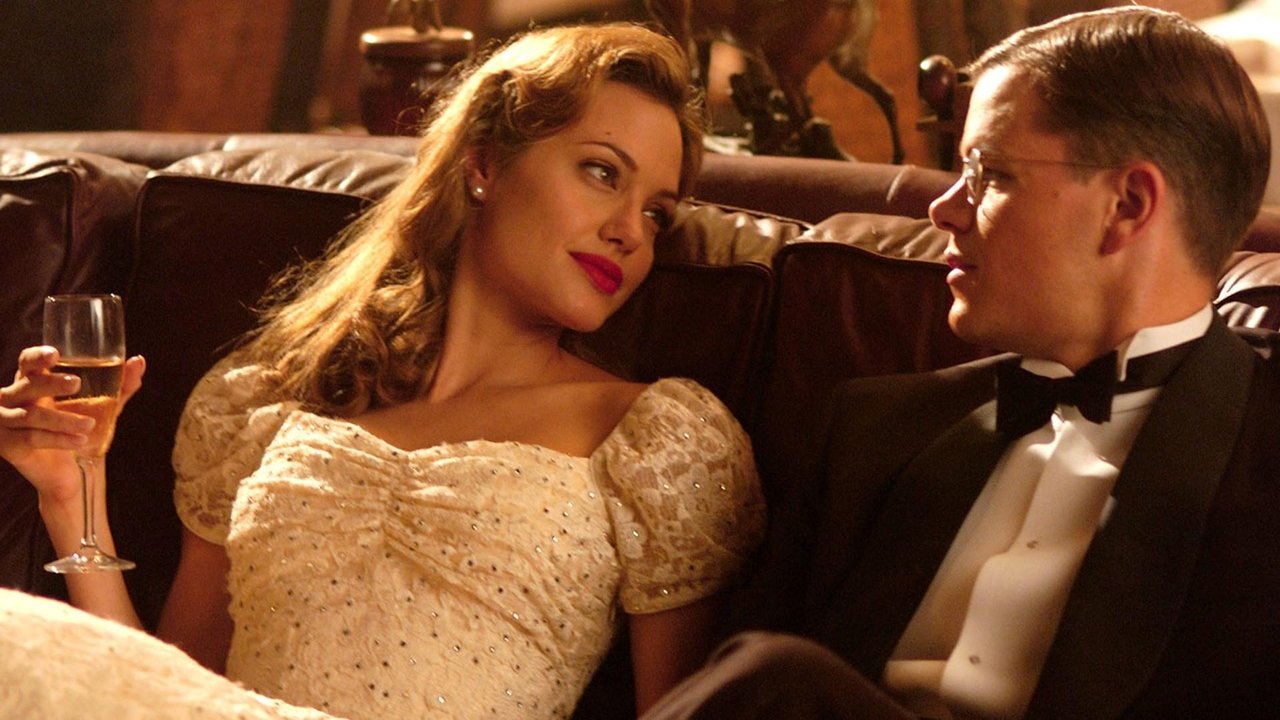
Then there is Angelina Jolie. In 2006, she was the biggest star on the planet, and her casting as Margaret "Clover" Russell feels like a deliberate provocation. She’s the vibrant, emotional heart that Wilson eventually smothers with his professional silence. Their marriage isn't a romance; it’s a casualty of the Cold War. Watching Jolie try to find a spark of humanity in a man who views his own family as a potential security leak is genuinely painful. It’s a movie that argues the greatest threat to national security is a happy home.
A Director’s Meticulous Eye
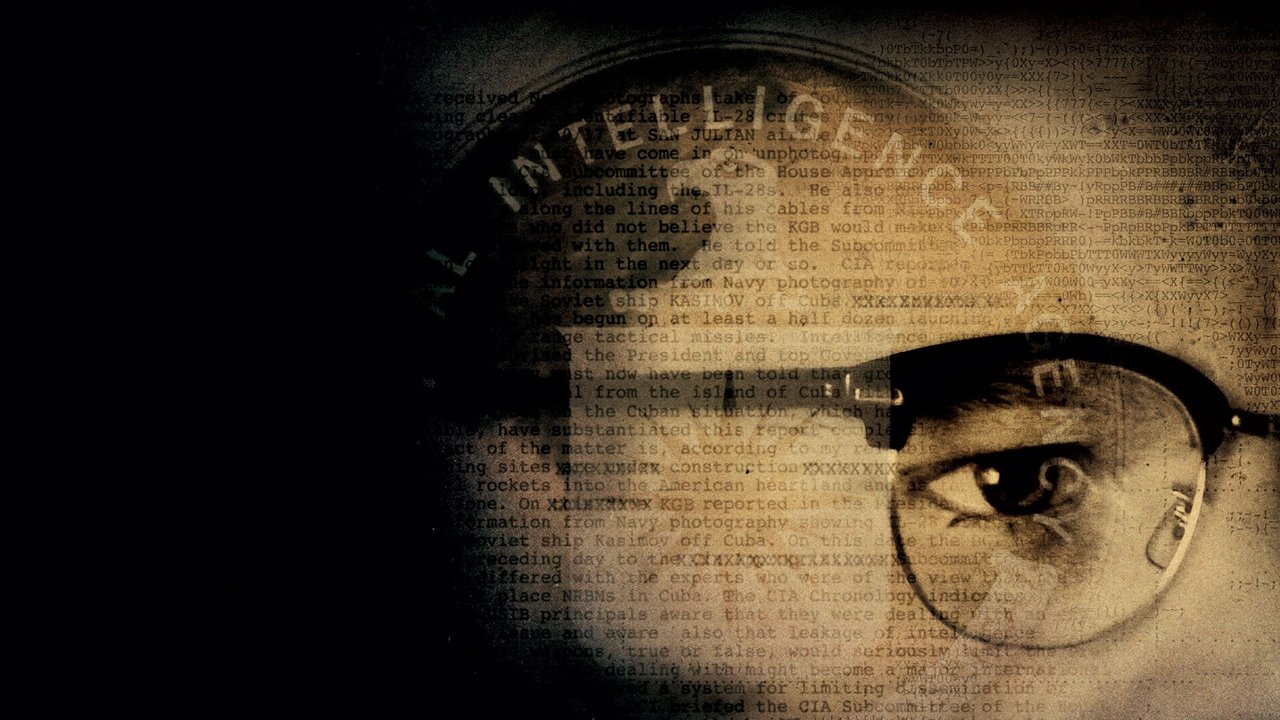
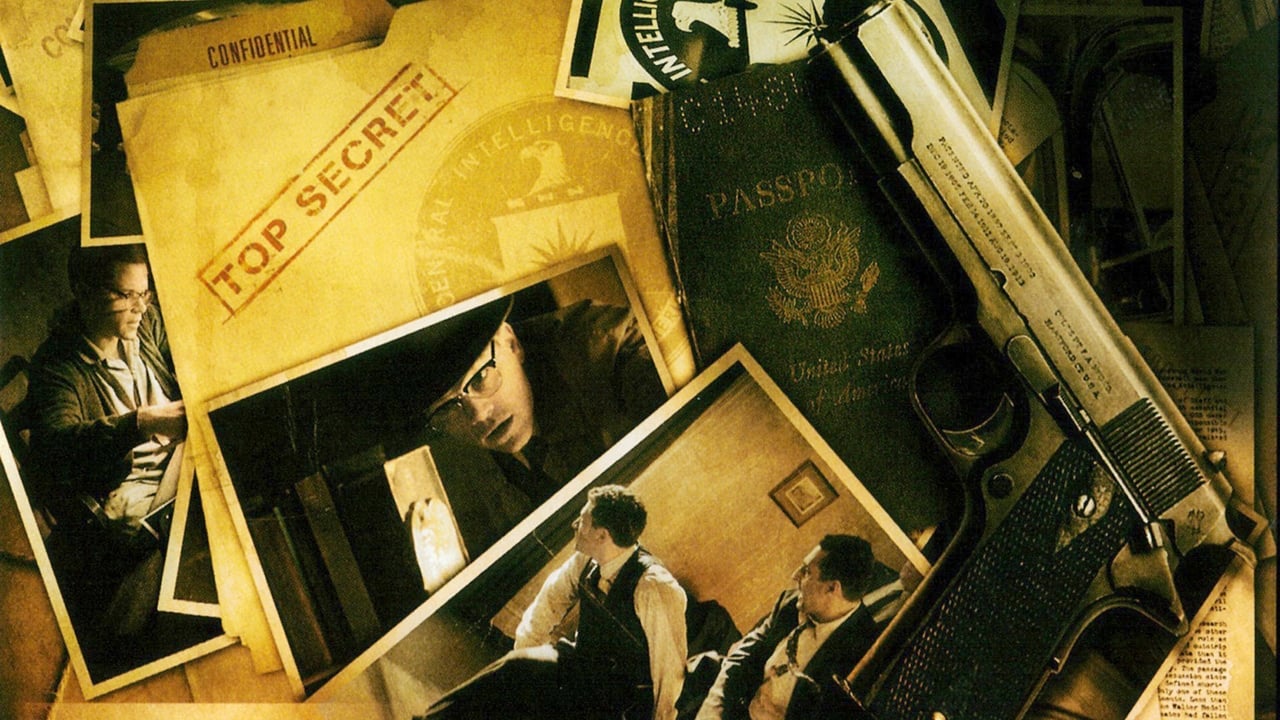
This was Robert De Niro’s second stint in the director's chair (following A Bronx Tale), and he approaches the material with the intensity of a forensic investigator. He isn't interested in Bond gadgets or Mission: Impossible stunts. He wants to show you the texture of the folders, the dust on the recording equipment, and the precise way a man’s spirit breaks when he realizes he has sacrificed his son for a "greater good" that he can't even explain.
The cinematography by Robert Richardson (who usually brings a searing heat to Oliver Stone or Quentin Tarantino films) is remarkably muted here. Everything is slate blue, mahogany brown, and tobacco smoke. It’s a visual representation of a world where the sun never quite manages to burn through the fog of paranoia.
I think the reason The Good Shepherd has fallen into obscurity is precisely because it refuses to "entertain" in the traditional sense. It’s a 167-minute investment in gloom. In the mid-2000s, we were willing to sit through these marathon sessions of historical reassessment. Today, this would be a six-part miniseries on a streaming platform, padded out with unnecessary subplots. As a film, it’s a dense, singular block of granite. It’s basically a three-hour ASMR video for people who find the Cold War deeply stressful.
Why It Vanished (And Why to Find It)
So, why don't we talk about this movie anymore? It was a modest box office success, but it didn't ignite the awards season fire that Universal Pictures likely hoped for. It’s a "middle-child" film—squeezed between the gritty realism of the early 2000s and the rise of the franchise-heavy 2010s. It also doesn't help that it’s a movie about the birth of the CIA that refuses to take a simple political stance. It’s neither a rah-rah patriotic anthem nor a scathing polemic; it’s a tragedy about the cost of professionalizing paranoia.
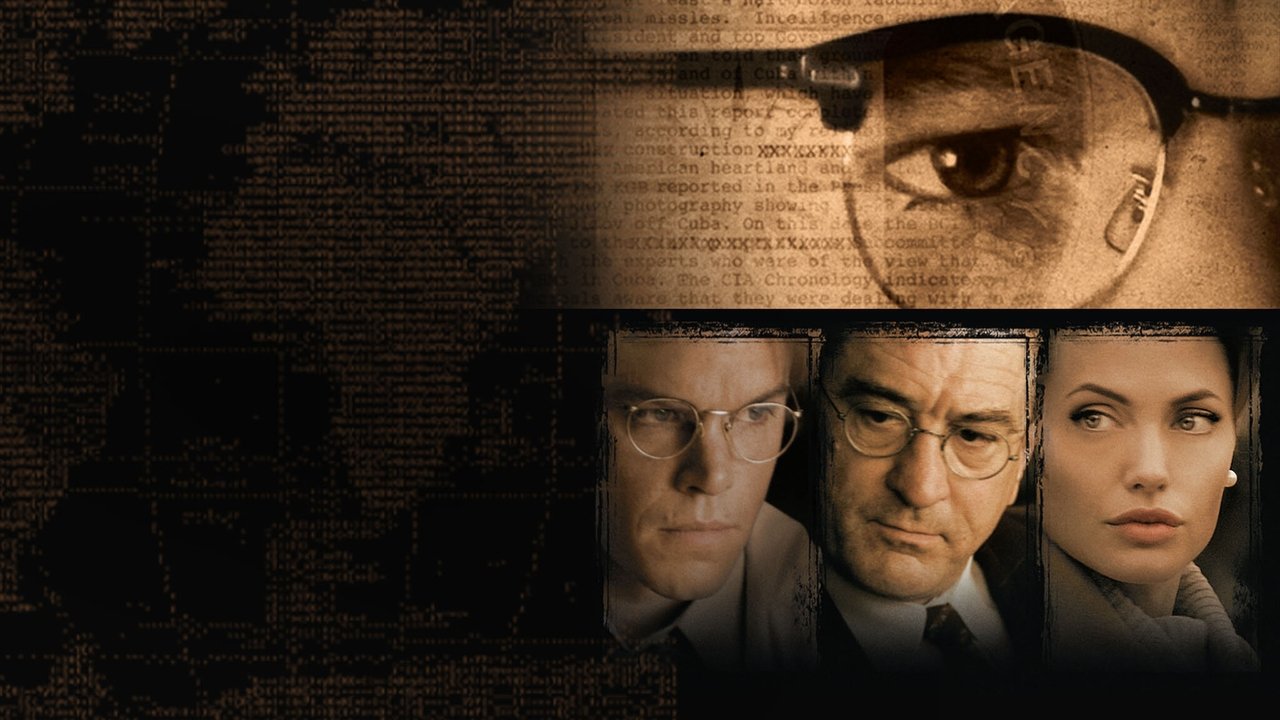
Interestingly, the film was a passion project for De Niro for years. At one point, Francis Ford Coppola was attached to direct (he remains an executive producer), and you can see the Godfather DNA in its bones—the focus on family, the rituals of power, the inevitable isolation of the man at the top.
If you decide to track this down—and I think you should, perhaps on a day when you’re feeling particularly introspective—look for the way Eric Roth’s screenplay weaves the Bay of Pigs invasion into the narrative. It’s a non-linear puzzle that eventually snaps together with a chilling click.
The Good Shepherd is a demanding watch, but it rewards the effort with a haunting, atmospheric look at the ghosts who built the modern world. It’s a reminder of a time when Hollywood still made massive, expensive dramas for adults who weren't afraid of a little silence. It’s not "fun," but it stays with you like the smell of old paper and the feeling that someone, somewhere, is listening to your conversation. Pull the curtains, silence your phone, and lose yourself in the grey.
Keep Exploring...
-
Munich
2005
-

World Trade Center
2006
-
Confessions of a Dangerous Mind
2002
-
K-19: The Widowmaker
2002
-

United 93
2006
-
In the Valley of Elah
2007
-

Collateral Damage
2002
-
Syriana
2005
-
Kill the Messenger
2014
-
The Rainmaker
1997
-

The Bourne Supremacy
2004
-
Green Zone
2010
-
Gosford Park
2001
-
Changing Lanes
2002
-

The Last Castle
2001
-
Dragonfly
2002
-
Murder by Numbers
2002
-
The Sum of All Fears
2002
-

Unfaithful
2002
-

Basic
2003