The Hills Have Eyes
"The desert is watching—and it’s hungry."
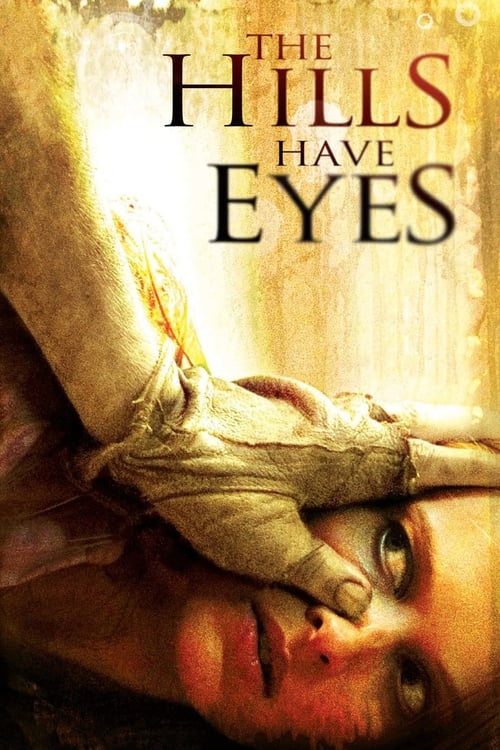
I watched this remake on a laptop while my college roommate spent three hours unsuccessfully trying to assemble a flat-pack IKEA desk, and the sound of his frustrated hammering perfectly synced up with the movie’s most stressful scenes. It added a layer of domestic dread that, strangely, fit the vibe.
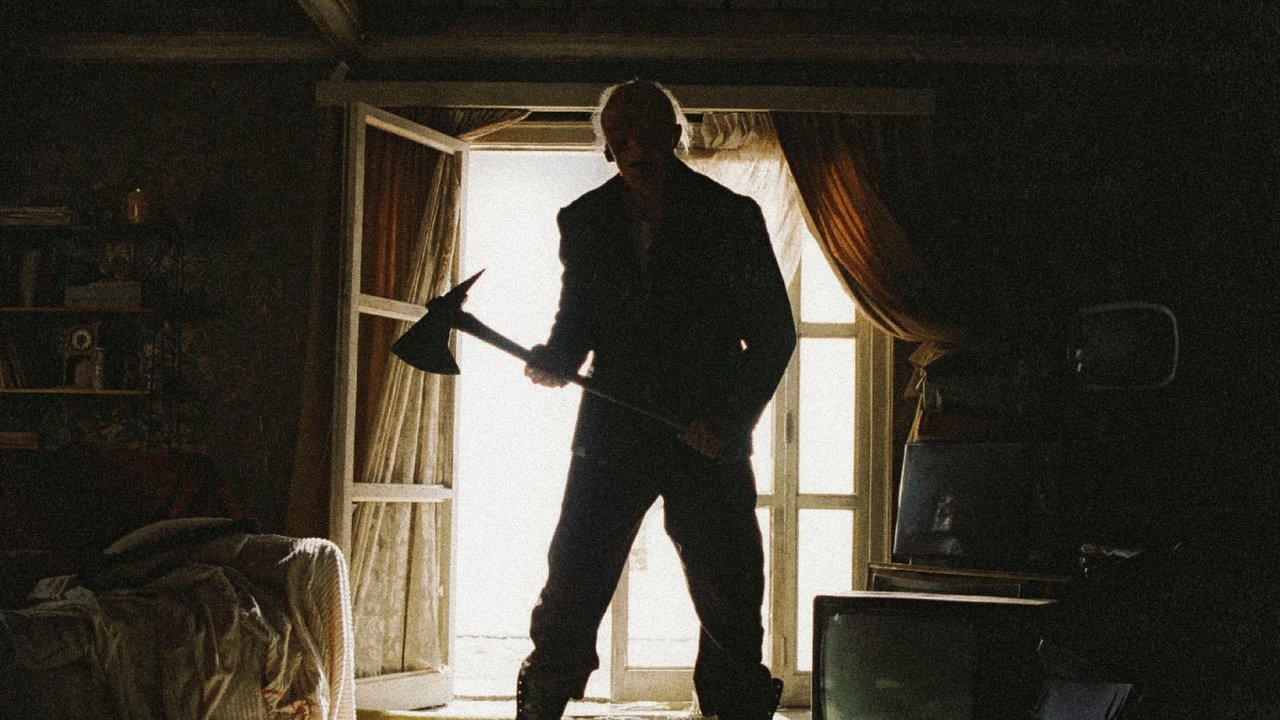
In the mid-2000s, the horror landscape was a wasteland of "reimaginings." We were drowning in glossy, toothless updates of 70s and 80s classics that seemed more interested in casting CW actors than in actually scaring anyone. But then Alexandre Aja—the French director who had just kicked the door down with High Tension—decided to take a crack at Wes Craven’s 1977 cult classic, The Hills Have Eyes.
The result wasn't just a good remake; it was a brutal, sun-bleached assault on the senses that actually managed to out-nasty its predecessor.
A Sun-Drenched Nightmare
While the original film relied on the grainy, low-budget grit of the 70s to create unease, Aja uses the high-contrast glare of the Moroccan desert (standing in for New Mexico) to make everything feel exposed and lethal. There is nowhere to hide. The premise remains a classic setup: the Carter family, led by the grumpy, retired cop Big Bob (Ted Levine), takes a detour through a former nuclear testing site. They crash, they’re stranded, and they soon realize they are being hunted by a clan of irradiated mutants who have been living in the hills since the Cold War.
What makes this version work is the pacing. Aja and his longtime collaborator Grégory Levasseur understand that for the violence to matter, we have to actually care about the family. Vinessa Shaw and Aaron Stanford (as Lynn and Doug) feel like real people with a real baby, not just "Victim #1" and "Victim #2." When the inevitable happens, it’s not just a jump scare; it’s a soul-crushing violation of a family unit. Aja turns the wide-open desert into a claustrophobic cage, proving that you don't need shadows to create terror when the light is this unforgiving.
The Art of the Mutant
One of the biggest strengths of the 2006 version is the shift in how the antagonists are handled. In the 70s, they were mostly just dirty guys in furs. In 2006, thanks to the legendary work of Greg Nicotero and the KNB EFX Group, they are haunting, distorted echoes of humanity. These aren’t just monsters; they are the literal fallout of American military hubris.
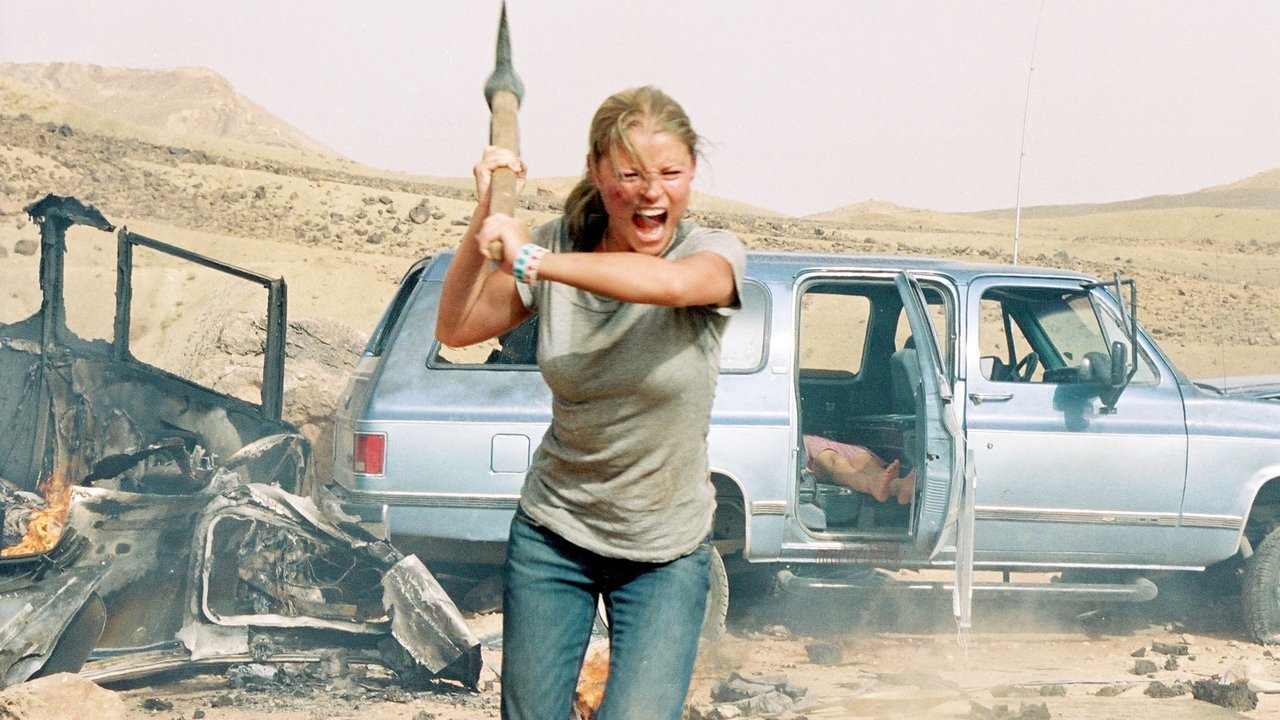
The design of characters like Pluto and the massive, wheelchair-bound patriarch Papa Jupiter is genuinely unsettling because they retain enough human features to make their cruelty feel personal. Apparently, the production was so grueling that the actors playing the mutants had to sit in makeup chairs for up to six hours a day in 120-degree heat before even stepping onto the sand. That kind of physical misery translates to the screen—everyone looks exhausted, sweaty, and genuinely on the edge of a breakdown.
This is the only time a cell phone being out of range actually felt like a death sentence instead of a lazy trope. In 2006, we were just beginning to realize how much we relied on technology, and The Hills Have Eyes weaponizes that new anxiety perfectly.
The Doug Transformation
If the film has a secret weapon, it’s Aaron Stanford as Doug. At the start of the movie, he’s the "soft" son-in-law, a pacifist who doesn't like guns and is mocked by Big Bob for his lack of "traditional" masculinity. Watching his arc from a mild-mannered tech guy to a blood-soaked vengeful father is one of the most satisfying character shifts in modern horror.
Looking back, this movie feels like a quintessential product of the post-9/11 era. It’s obsessed with the idea of "civilized" people being forced to descend into primal savagery to survive. It’s mean, it’s cynical, and it questions whether anyone truly wins in a cycle of violence.
Apparently, the original cut of the film was so intense that it was slapped with an NC-17 rating by the MPAA. Aja had to trim several sequences—particularly the infamous trailer attack—just to get an R. Even in its edited state, the movie remains a heavy lift for the squeamish. It’s one of the few remakes that actually justifies its existence by being meaner and more technically proficient than the original.
Stuff You Didn't Notice
The "mutant village" seen in the film was actually a real set built in the middle of the desert, and the mannequins used to populate it were meant to evoke the eerie test sites of the 1950s. The birds used in the film (including the one that meets a grizzly end) were a mix of practical props and very well-trained live animals. No real birds were harmed, though the actors might have been traumatized by the smell of the props in the heat. Emilie de Ravin, who plays Brenda, was filming Lost around the same time, making her the mid-2000s queen of being stranded in dangerous locations. The film’s score by Tom Hajdu (as part of tomandandy) uses industrial, metallic clanging and distorted sounds to mimic the feeling of a machine grinding the characters down.
The Hills Have Eyes (2006) is a rare beast: a remake that honors the spirit of the source material while vastly improving the craft. It captures that specific 2000s "grimdark" aesthetic without feeling dated or cheap. It’s a grueling watch, but for fans of high-tension survival horror, it remains a gold standard for how to update a classic for a new, more cynical generation.
Aja’s vision of the American desert is a place where morality goes to die and only the most ruthless survive. It’s the kind of movie that makes you want to take a very long, very hot shower immediately after the credits roll—and then maybe check the locks on your doors one more time. Just in case.

Keep Exploring...
-
The Hills Have Eyes 2
2007
-
High Tension
2003
-
Mirrors
2008
-
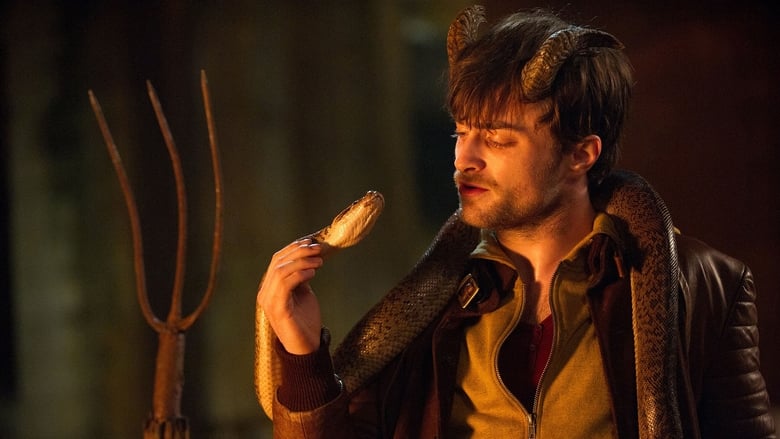
Horns
2013
-
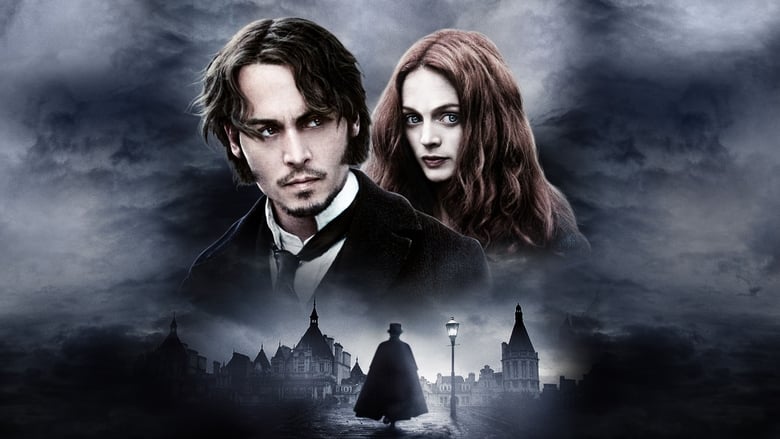
From Hell
2001
-
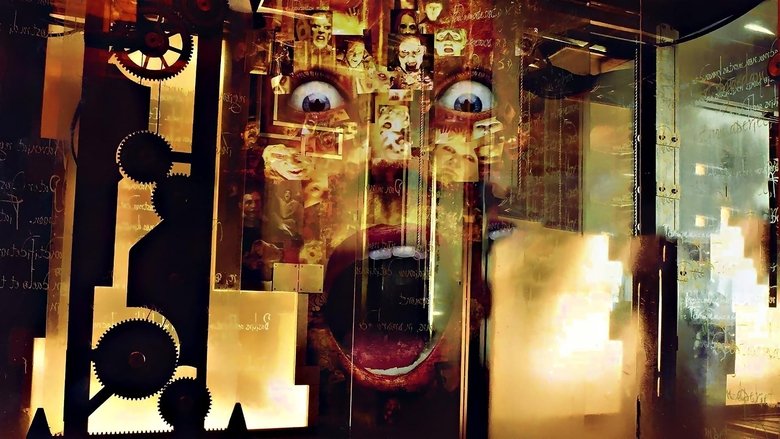
Thir13en Ghosts
2001
-
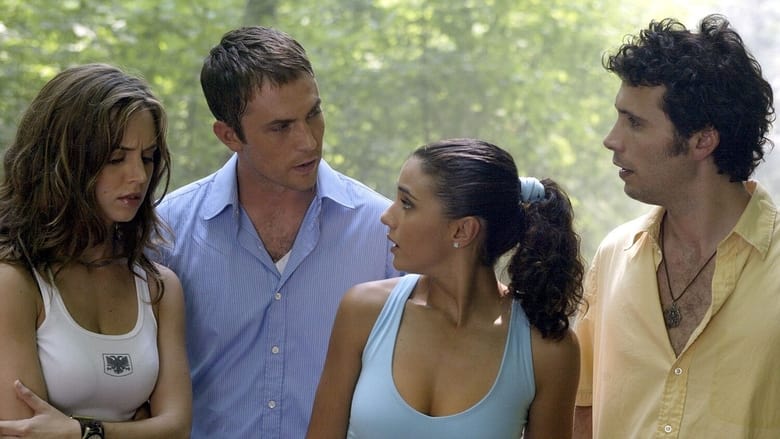
Wrong Turn
2003
-
House of Wax
2005
-
The Skeleton Key
2005
-
30 Days of Night
2007
-

Planet Terror
2007
-

The Mist
2007
-
Funny Games
2008
-
The Strangers
2008
-
Drag Me to Hell
2009
-
Friday the 13th
2009
-
Orphan
2009
-
Pandorum
2009
-
Saw VI
2009
-
Devil
2010