The Holiday
"Your life is due for a change of scenery."

I’m convinced that Cameron Diaz’s character in The Holiday, Amanda Woods, has the most stressful job ever conceived for a movie protagonist. She doesn't just edit movie trailers; she lives inside them. Her internal monologue is narrated by that deep-voiced "In a world..." guy, and her frantic energy is the engine that drives the first act of this 2006 staple. I watched this most recent time on my laptop while wearing two pairs of wool socks because my radiator was hissing like a downed power line, and honestly, the sheer "Nancy Meyers-ness" of the production design was the only thing keeping me warm.

The Geography of a Breakup
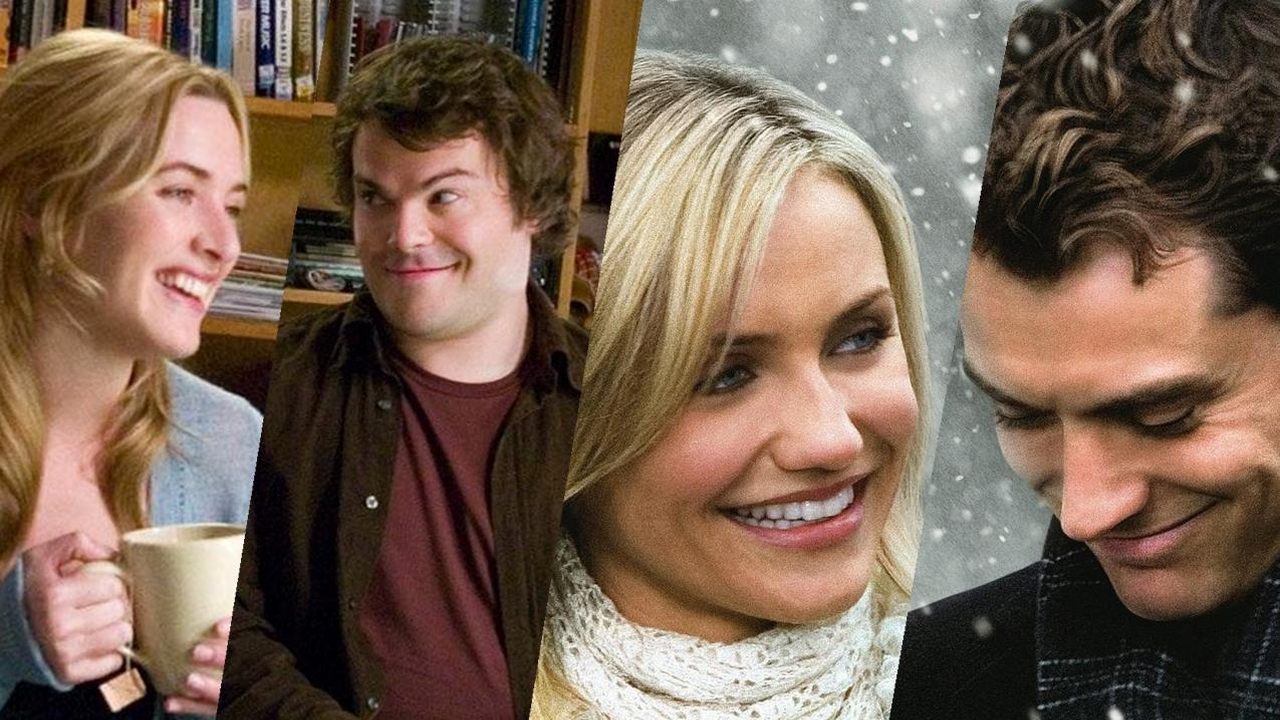
The premise is the kind of high-concept, low-stakes magic that thrived in the mid-2000s. Two women on opposite sides of the Atlantic—Amanda in L.A. and Iris in a tiny English village—decide to swap homes for Christmas to escape their respective romantic train wrecks. Kate Winslet plays Iris with a trembling, heart-on-her-sleeve vulnerability that makes you want to reach through the screen and hand her a gin and tonic. She’s stuck in a cycle of unrequited love with a man who has the emotional range of a damp sponge, while Amanda has just kicked her unfaithful boyfriend (Edward Burns) out of her hyper-modern mansion.
Looking back, The Holiday arrived at a very specific crossroads of technology. It’s a 2006 time capsule. They find each other on a "home exchange" website that looks charmingly primitive now, and the plot hinges heavily on the constant, frantic checking of a Blackberry. There’s something strangely tactile about this era of film; it was shot on 35mm by Dean Cundey (the guy who shot Jurassic Park and The Thing, believe it or not), giving the digital-heavy Los Angeles scenes a warmth they probably wouldn't have today. The contrast between the sun-drenched, sterile luxury of L.A. and the blue-hued, snowy coziness of Surrey is where the movie finds its visual heartbeat.
The Leading Man Experiment
The real gamble in The Holiday was the casting of the men. Jude Law as Graham, the "sad dad" with a secret, is a masterclass in charm. There was a lot of chatter back then about whether he could pull off the "sensitive guy" role, but Jude Law’s tan in the middle of a Surrey winter is the film’s only genuine plot hole. He is so effortlessly charismatic that he manages to make a scene involving "Mr. Napkin Head" feel genuinely endearing rather than terminal-level cringe.
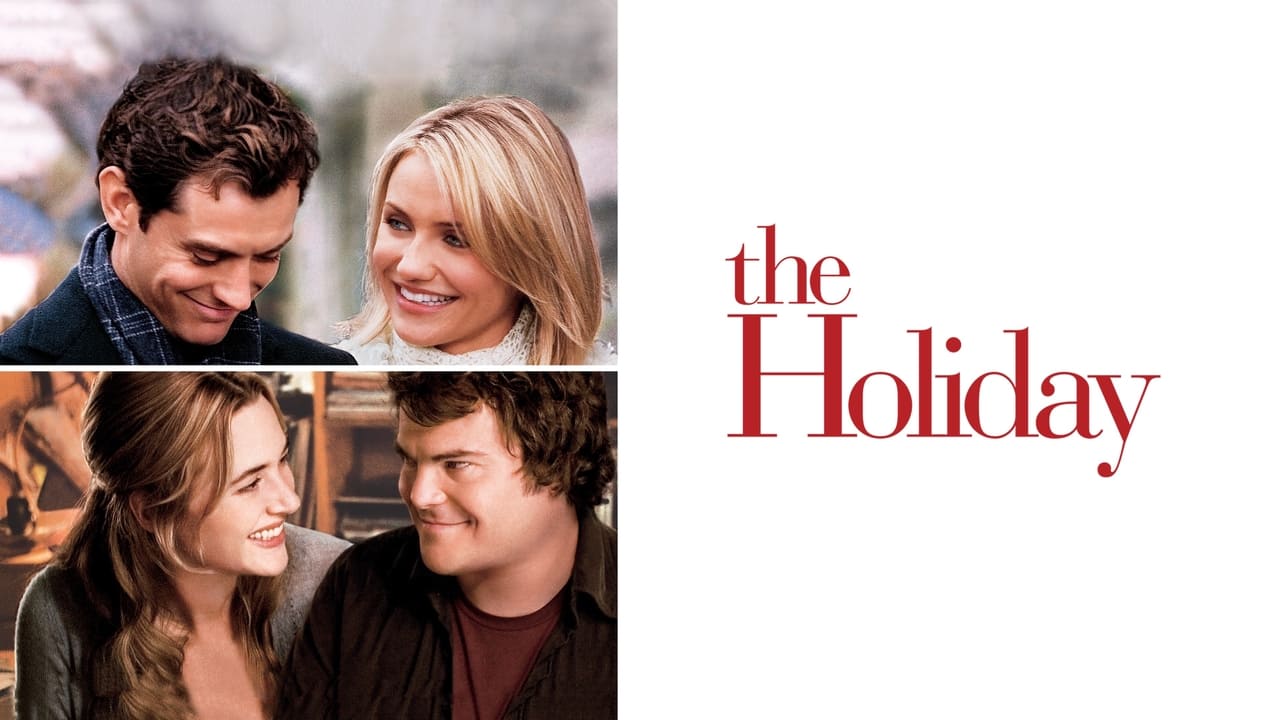
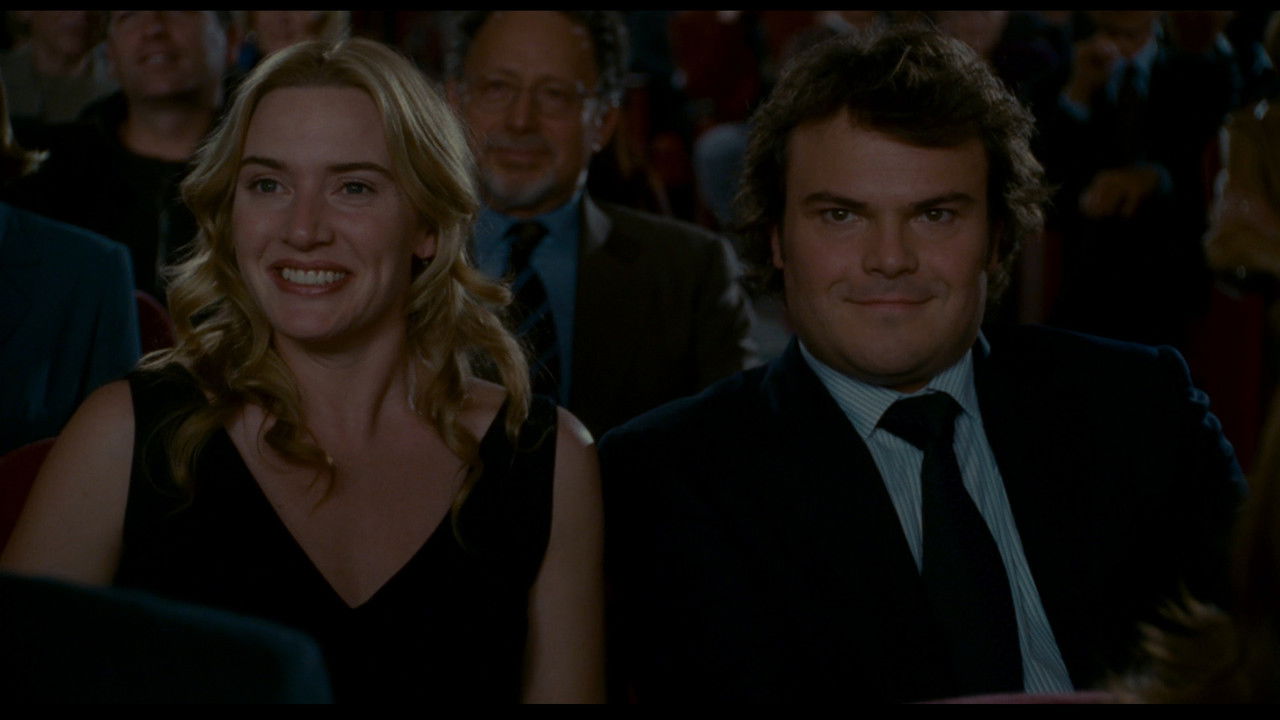
Then there’s Jack Black as Miles. This was a massive pivot for the guy who had just done School of Rock and Nacho Libre. Nancy Meyers apparently wrote the role specifically for him after seeing him in High Fidelity, and while the chemistry between him and Kate Winslet is more "best friends who eventually kiss" than "electric passion," it works because the movie isn't trying to be a steamy noir. It’s a movie about healing. Miles is the guy who composes a "theme song" for your life, and in the world of Nancy Meyers, that is the highest form of intimacy.
The Ghost of Hollywood Past
What I appreciate more every time I revisit this film is the subplot involving Eli Wallach as Arthur Abbott, a legendary screenwriter from the Golden Age of Hollywood. This isn't just filler; it’s the soul of the movie. Iris befriending a 90-year-old neighbor who tells her she has "gumption" is the most rewarding arc in the story. It connects this modern rom-com to the screwball comedies of the 1930s, reminding us that the "leading lady" energy Iris is looking for has been a cinematic trope for eighty years.
There’s a legendary bit of trivia where Dustin Hoffman makes a split-second cameo in a Blockbuster Video store. Turns out, he wasn't even supposed to be in the movie. He was just having lunch nearby, saw the cameras, and decided to walk in to see what his friend Nancy Meyers was up to. They just kept the cameras rolling. That’s the kind of serendipity you can’t script, and it captures the "Old Hollywood meets New Hollywood" vibe that makes the L.A. half of the movie feel like more than just a real estate tour.

The Holiday has aged into a genuine cult classic for the "cozy" crowd. It’s a film that people put on not because they want to be surprised by the plot, but because they want to inhabit the spaces. We want the oversized cashmere sweaters, the kitchens with twelve different types of artisanal bread, and the belief that a two-week vacation can fundamentally rewire your personality. It’s aspirational fluff, sure, but it’s executed with such high-level craft that it’s impossible to stay cynical.
Ultimately, The Holiday succeeds because it respects its characters' sadness before it tries to fix them. It understands that a bad breakup feels like the end of the world, and it offers a cinematic hug that lasts two hours and sixteen minutes. Whether you're here for the Hans Zimmer score, the English countryside, or just to see Jack Black hum movie themes in a DVD aisle, it’s a trip worth taking every December. Just make sure you have your own "gumption" and a very thick scarf.
Keep Exploring...
-

The Parent Trap
1998
-
Something's Gotta Give
2003
-

It's Complicated
2009
-

What Women Want
2000
-
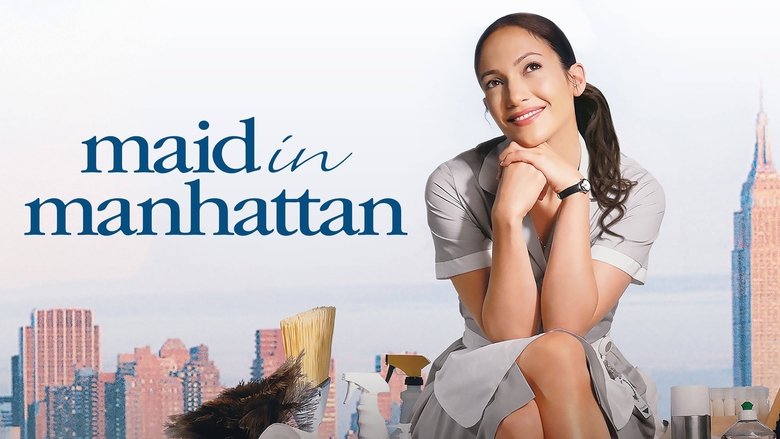
Maid in Manhattan
2002
-
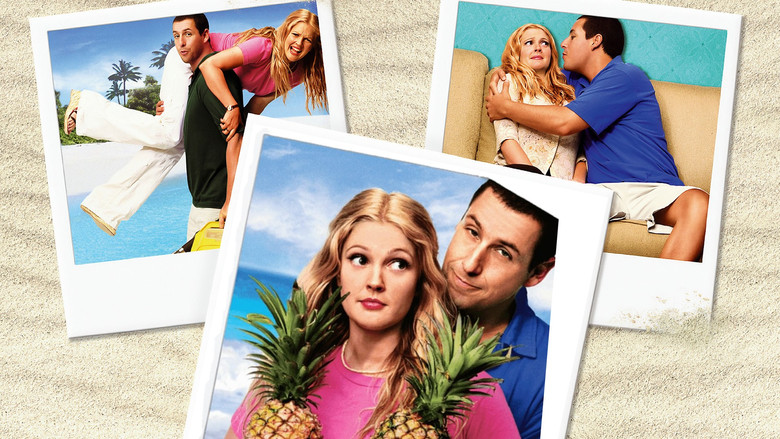
50 First Dates
2004
-
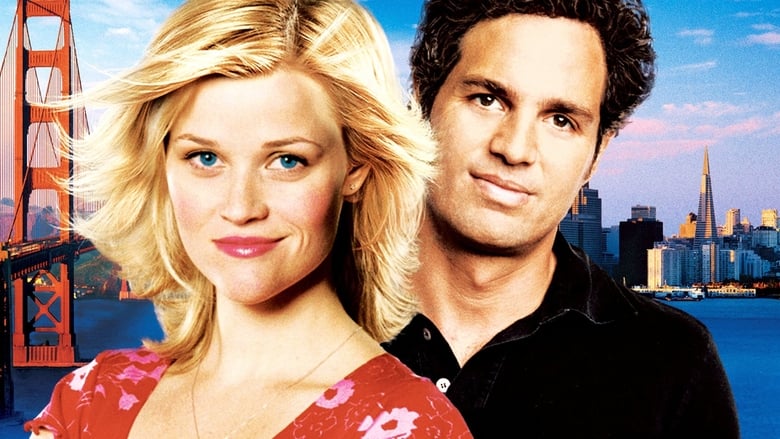
Just Like Heaven
2005
-

Hairspray
2007
-
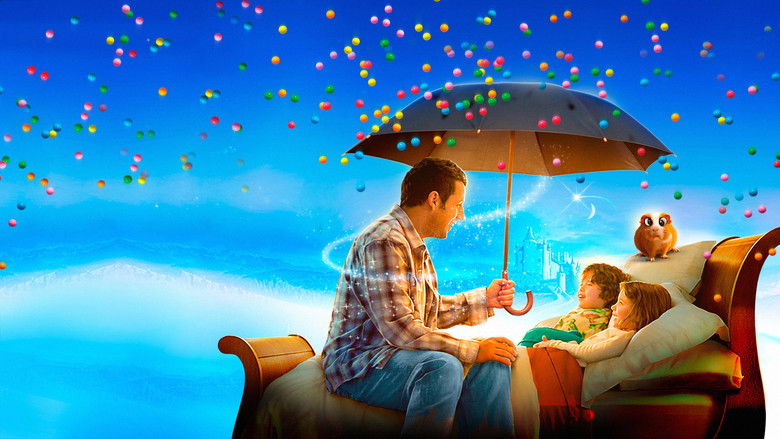
Bedtime Stories
2008
-

Scott Pilgrim vs. the World
2010
-
Crazy, Stupid, Love.
2011
-

Just Go with It
2011
-

In Her Shoes
2005
-
What Happens in Vegas
2008
-
Serendipity
2001
-
Punch-Drunk Love
2002
-

13 Going on 30
2004
-

The Girl Next Door
2004
-
She's the Man
2006
-

Stranger Than Fiction
2006