The Illusionist
"A secret is only a lie waiting for an audience."
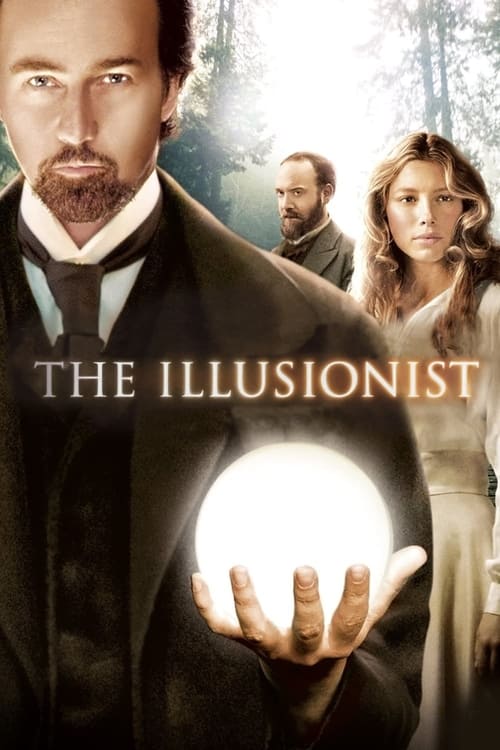
I remember watching The Illusionist in a theater that smelled faintly of damp carpet and over-buttered popcorn, a combination that strangely complemented the film's sepia-soaked, turn-of-the-century Vienna. It was 2006, the year of the "Magic War," where this film was perpetually pitted against Christopher Nolan’s The Prestige. While Nolan’s film felt like a complex, cold machine—all gears and grim sacrifices—Neil Burger’s The Illusionist felt like an old photograph coming to life, smelling of woodsmoke and deception.
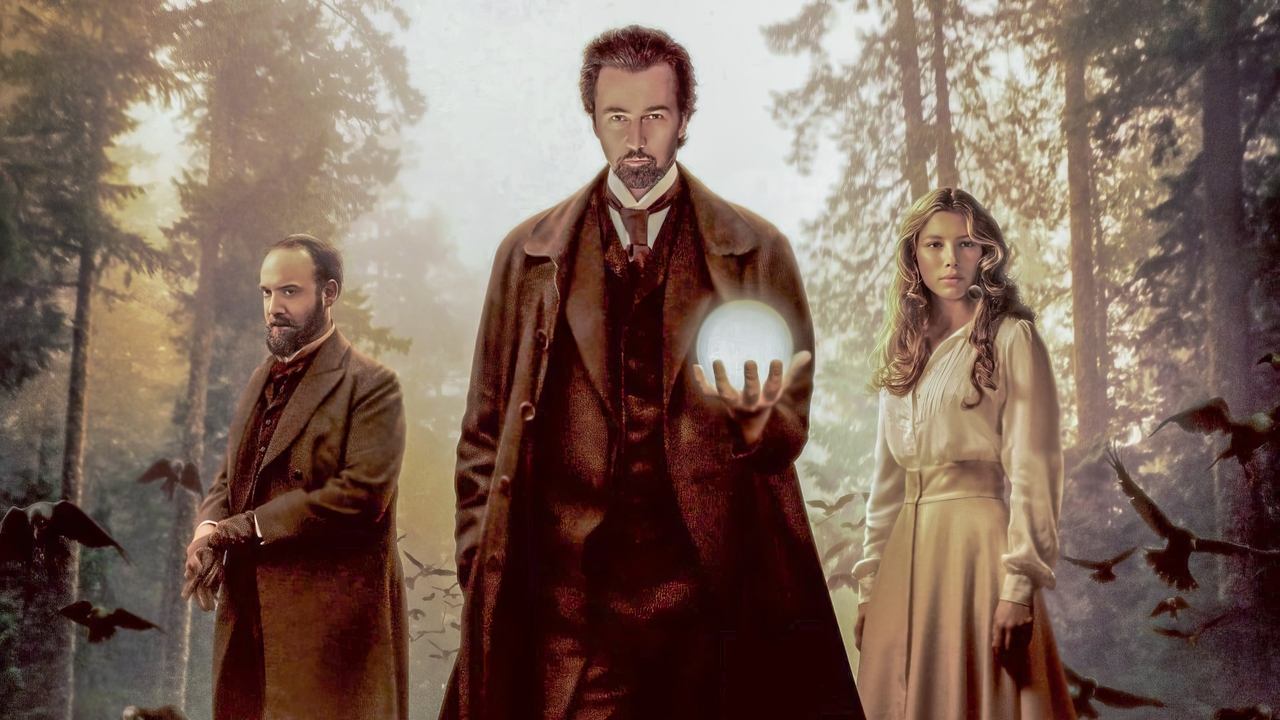
Looking back, this era (the mid-2000s) was a fascinating sweet spot for cinema. We were deep into the transition from practical grit to digital polish. Directors were experimenting with how to make digital color grading look like something from a dream, and The Illusionist leaned hard into that. It’s a film that exists in a perpetual golden hour, thick with shadows and the kind of heavy, velvet atmosphere that makes you want to check your pulse.
The Architect of Awe
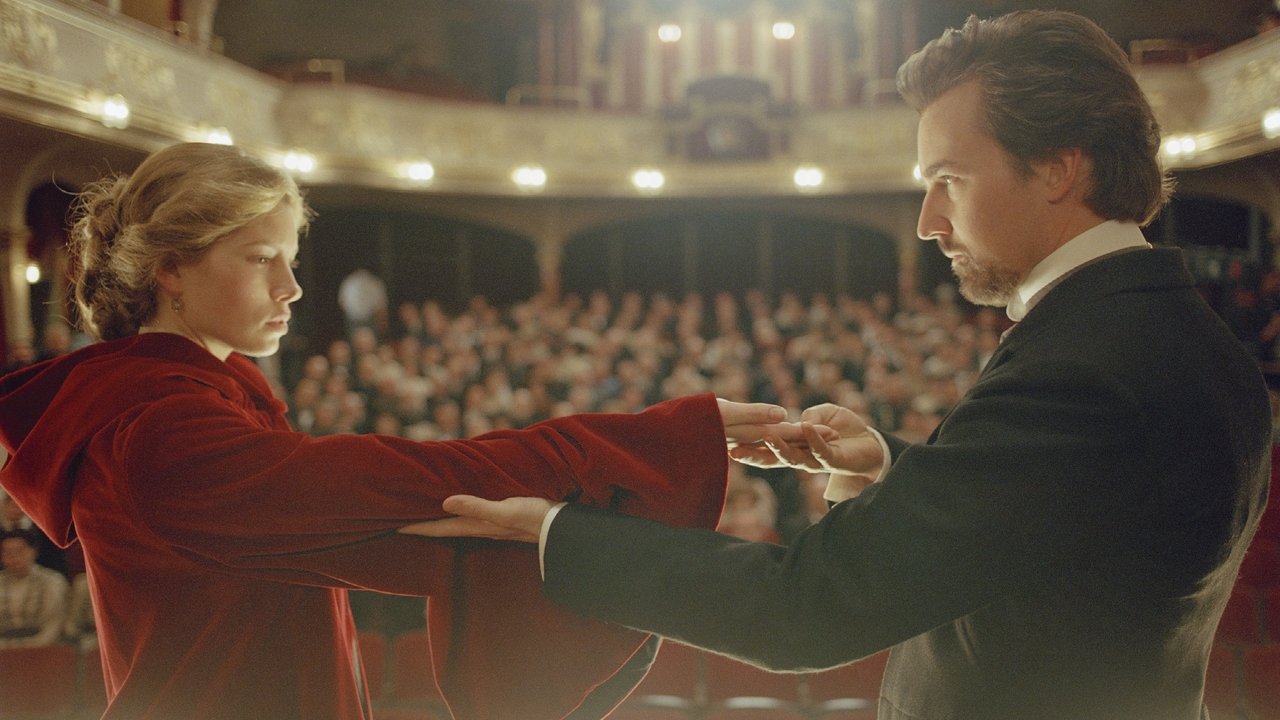
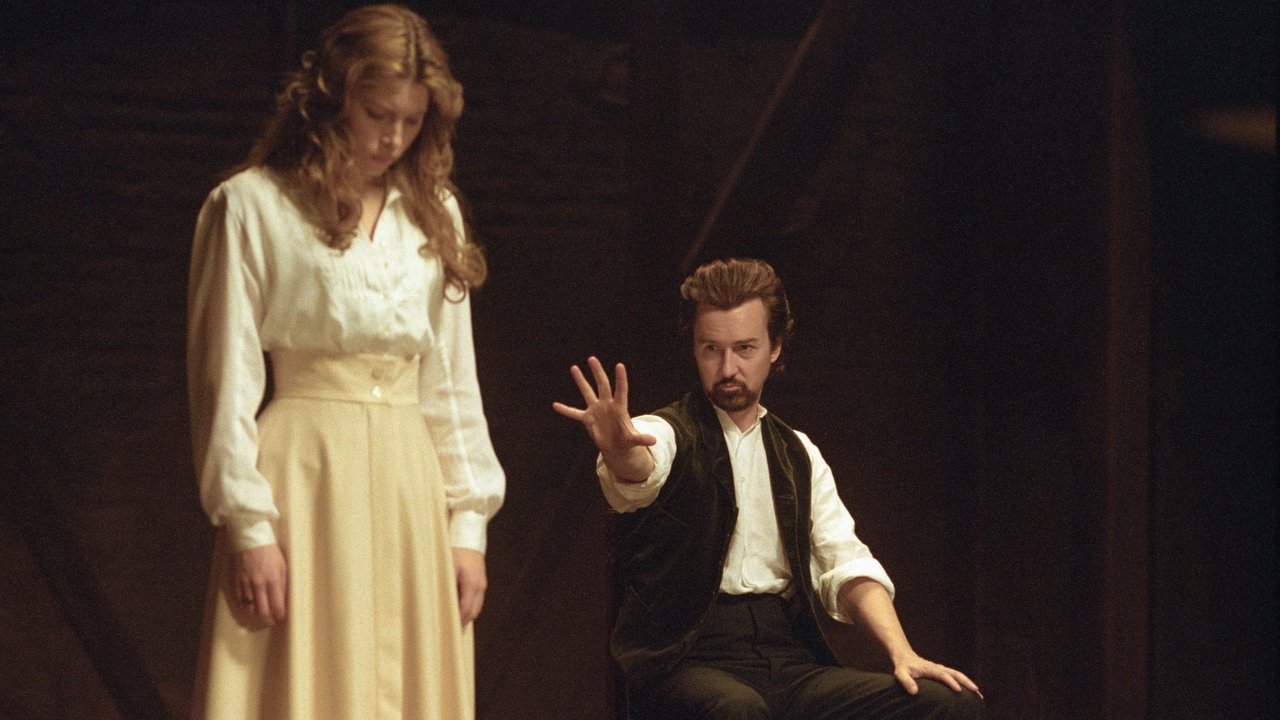
At the center of the storm is Edward Norton as Eisenheim. Norton has always been an actor who projects a dangerous intelligence, and here he uses that to play a man who is essentially a ghost in his own life. He’s restrained, almost unnervingly still, which makes his stage presence feel genuinely supernatural. Apparently, Edward Norton insisted on learning the actual sleight-of-hand and card manipulation seen in the film, refusing to let a hand-double do the work. It pays off; there’s a tactile reality to his performance that anchors the more fantastical elements.
Then there’s Paul Giamatti as Inspector Uhl. If Norton is the soul of the film, Paul Giamatti is the heart—specifically, a heart that’s being squeezed by the demands of a corrupt monarchy. He plays Uhl not as a villain, but as a man who desperately wants to believe in magic while his job requires him to dismantle it. The chemistry between him and Norton is the film’s best-kept secret; it’s a chess match played with respect rather than malice.
On the other side of the board is Rufus Sewell as Crown Prince Leopold. Sewell is perhaps our greatest "aristocratic jerk" actor, and he leans into the Prince’s simmering, fragile ego with terrifying precision. He’s the perfect foil for Eisenheim because he represents the ultimate reality: power, money, and the blunt force of the law.
A Masterclass in Atmospheric Tension
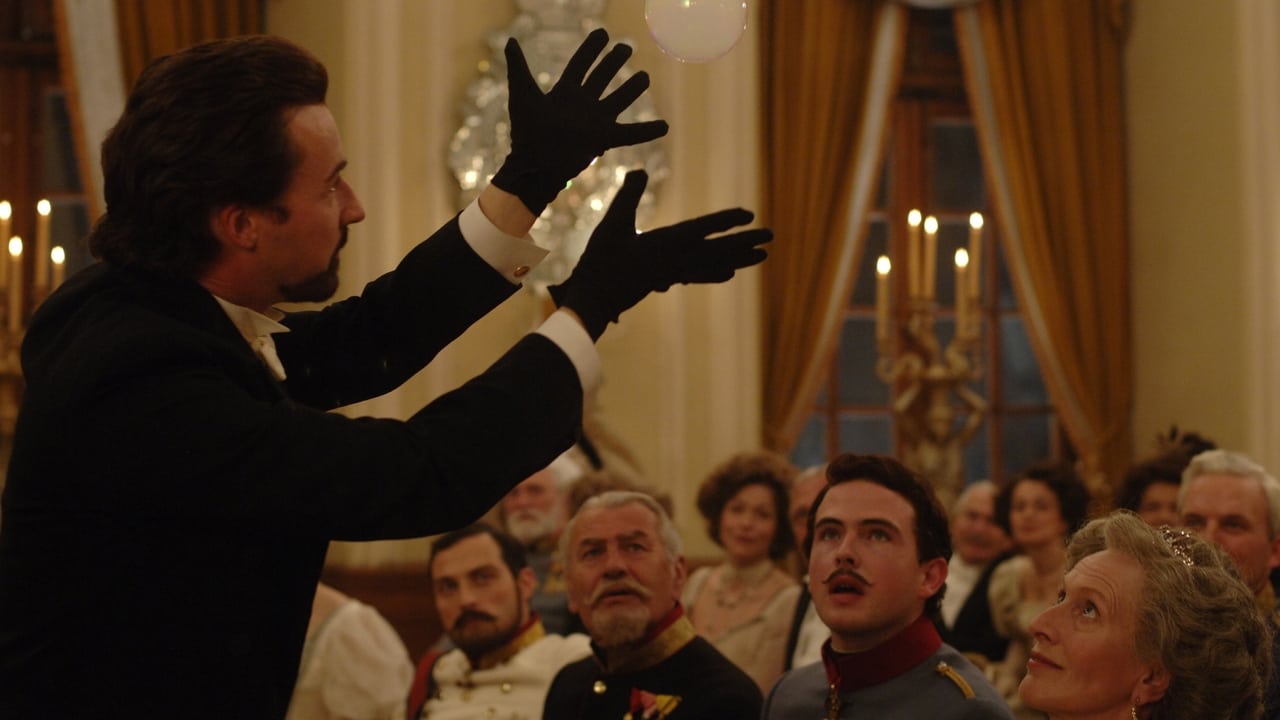
Visually, the film is a triumph of specific choices. Cinematographer Dick Pope (who worked wonders on Mr. Turner years later) used a technique called "autochrome," which gives the film a flickering, hand-cranked quality. It makes the magic tricks feel like they’re being pulled from the very air of 1900. In an era where CGI was starting to become the default answer for everything, The Illusionist used its digital tools to recreate the imperfections of old film stock, which is a irony I appreciate much more now than I did then.
The score by Philip Glass is another MVP. It doesn’t do the typical "ta-da!" flourishes of a magic movie. Instead, it’s a hypnotic, repetitive cycle that mirrors Eisenheim’s obsession. It’s the kind of music that gets under your skin and stays there, making even a simple conversation feel like it’s vibrating with subtext.
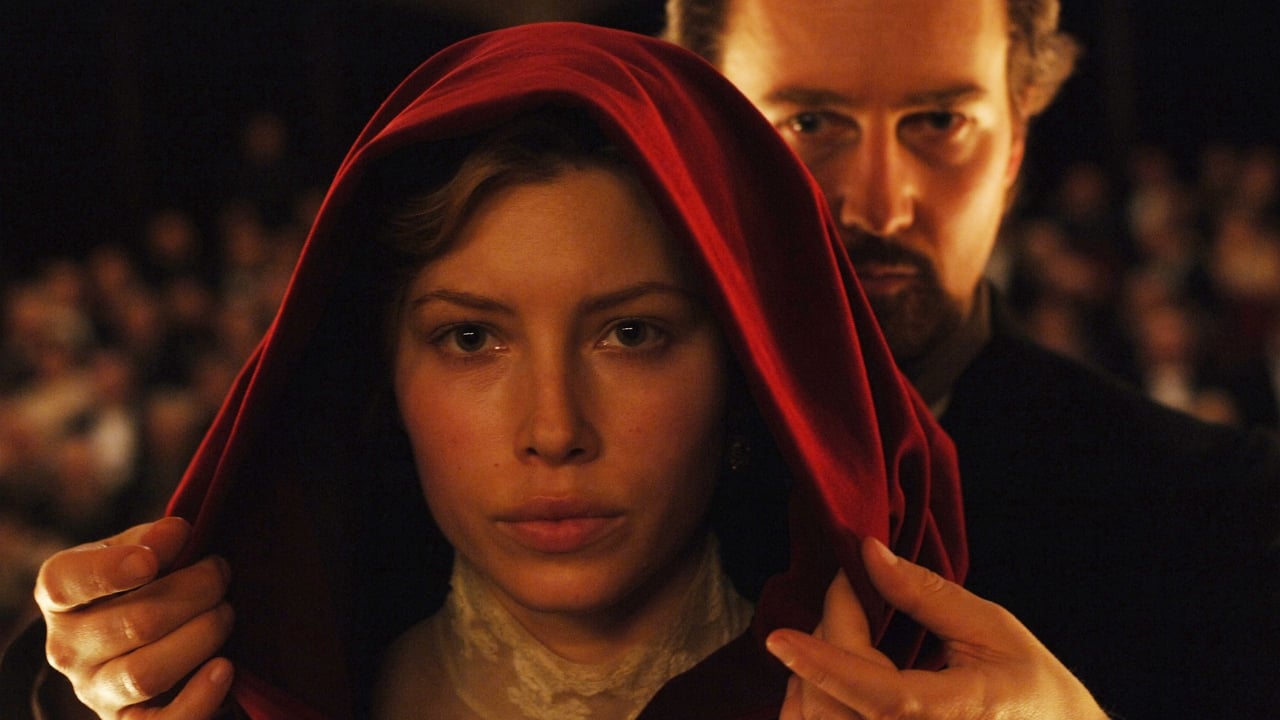
However, if I’m being honest, Jessica Biel’s Sophie is essentially a sentient MacGuffin. While she does her best with the role, she’s often relegated to being the beautiful prize between three powerful men. Her character lacks the internal friction that makes Uhl or Eisenheim so compelling. She’s the ghost in the machine, but she’s a very pretty one.
The Art of the Reveal
What’s truly impressive about the film’s legacy is its "Cult Classic" trajectory. It wasn't a blockbuster, but it became a staple of the DVD era. I remember my local rental store had a permanent waitlist for it. It’s the kind of movie that rewards the "pause and rewind" crowd—those looking for the subtle tells and the hidden strings.
Interestingly, the famous "Orange Tree" illusion Eisenheim performs wasn't just a screenwriter’s invention. It was a real trick created by Jean-Eugène Robert-Houdin, the father of modern magic (and the man Harry Houdini named himself after). The film uses a mix of practical mechanics and subtle CGI to recreate it, and even in the age of 4K, it still looks breathtaking.
There’s also a delightful bit of trivia for fans of modern blockbusters: a young Aaron Taylor-Johnson (long before he was Kick-Ass or Quicksilver) plays the teenage Eisenheim. He even learned how to make a coin roll across his knuckles for the role, showing an early dedication to the craft that matches Norton's own intensity.
The Illusionist is a film that understands that the best tricks aren't about what the magician does, but what the audience wants to see. It’s a somber, beautiful, and intensely romantic drama that hides its clockwork heart behind a veil of smoke. It doesn't quite have the nihilistic punch of The Prestige, but it has more soul. It’s a reminder that even in a world governed by cold princes and cynical inspectors, there’s still room for a little bit of wonder—provided you’re willing to look closely enough.
Keep Exploring...
-

Match Point
2005
-
The Next Three Days
2010
-

Ghost
1990
-

Inland Empire
2006
-

Stranger Than Fiction
2006
-

The Time Traveler's Wife
2009
-
John Q
2002
-

21 Grams
2003
-

The Machinist
2004
-
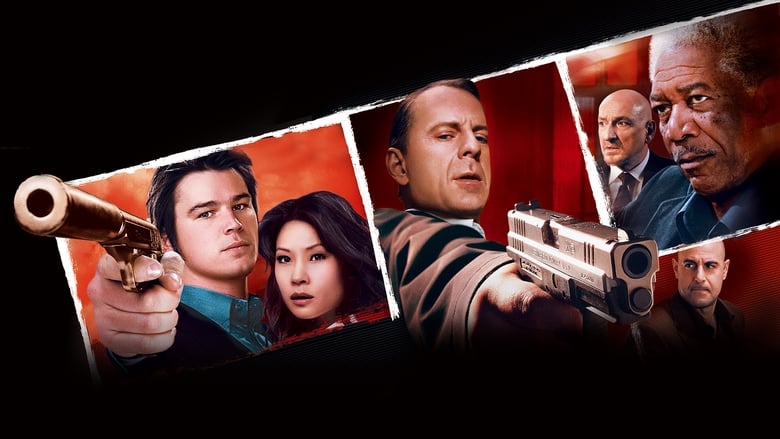
Lucky Number Slevin
2006
-

The Hurt Locker
2008
-

Brothers
2009
-

127 Hours
2010
-

Drive
2011
-

Limitless
2011
-

The Lincoln Lawyer
2011
-

Just Like Heaven
2005
-

The Curious Case of Benjamin Button
2008
-
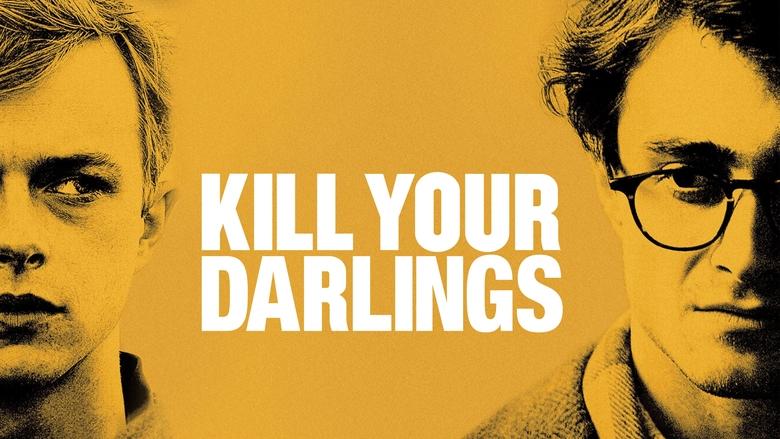
Kill Your Darlings
2013
-

Labor Day
2013