The Omen
"The devil is in the marketing."
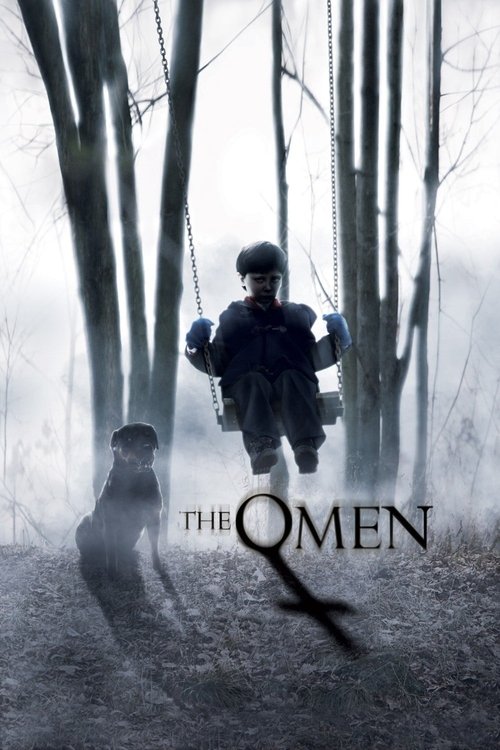
I vividly remember the summer of 2006. It wasn't just the heat; it was the date. Twentieth Century Fox’s marketing department must have sacrificed a few goats to ensure they could release a remake of the most famous Antichrist movie on June 6, 2006. Seeing "06/06/06" plastered on every bus stop and billboard was a stroke of genius that turned a relatively standard horror remake into a global event. I watched this at a midnight screening in a theater where the air conditioning had broken down, and honestly, the sweltering, oppressive heat probably did more for the film's atmosphere than the actual cinematography. I also clearly recall the person behind me loudly whispering that "the kid looks like he’s from a GAP ad," and they weren't entirely wrong.

The Power of the Gimmick
When we look back at the mid-2000s, it was the era of the "High-Gloss Remake." From The Texas Chainsaw Massacre to Dawn of the Dead, Hollywood was obsessed with taking 70s grit and polishing it until you could see your reflection in the gore. John Moore, who previously directed the somewhat forgettable Behind Enemy Lines, was the man tasked with bringing Damien Thorn into the digital age.
Moore didn't just remake The Omen; he essentially Xeroxed it. This is a shot-for-shot cover version played at a slightly higher tempo with better speakers. While the 1976 original relied on a slow-burn, Gothic dread, the 2006 version leans into the post-9/11 anxiety of the time. There’s a frantic energy to the editing and a reliance on "shock" imagery—including actual news footage of disasters—to ground the biblical apocalypse in modern reality. In retrospect, it feels like a time capsule of that specific 2000s paranoia, where we were all looking for signs of the end times in our morning headlines.
A Cast for the DVD Generation
The casting is where I find the most to chew on. Liev Schreiber takes over for Gregory Peck as Robert Thorn. Now, I love Liev Schreiber (who was fresh off The Manchurian Candidate remake at the time), but he plays Thorn with a simmering, modern intensity that’s very different from Peck’s stoic, old-school Hollywood grace. He looks like a man who has read too many security briefings and slept through too many red-eye flights.

Then there’s Julia Stiles. Fresh off the Bourne franchise, her casting felt like a direct play for the younger demographic. I’ve always felt that casting a teenage rom-com queen as a grieving mother was a choice, and while she tries her best, she often feels like she’s walked into the wrong movie. However, the supporting cast is where the real fun is. Mia Farrow, in a meta-nod to her role in Rosemary’s Baby, shows up as Mrs. Baylock. Seeing the woman who gave birth to the son of Satan now playing the nanny to the son of Satan is the kind of horror-nerd casting that I absolutely live for. She’s chillingly polite, providing the only real "creep factor" that isn't dependent on a loud musical stinger.
Production Value and the Digital Shift
The 2006 Omen cost about $25 million to make, which was a mid-range budget even then, but it looks like a hundred million. The cinematography by Jonathan Sela (who would later shoot John Wick) is cold, sharp, and saturated with deep reds and sickly greens. This was the era where digital color grading started to become aggressive, and you can see it in every frame. It lacks the grainy, tactile fear of the original film stock, but it replaces it with a sterile, clinical nightmare aesthetic.
The kills—which are the bread and butter of this franchise—are appropriately updated. The infamous priest-impaling scene featuring Pete Postlethwaite (the legendary actor from In the Name of the Father) is handled with a lot more CGI-enhanced flair than the original. It’s effective, sure, but it feels more like a "Final Destination" moment than a divine intervention. We also get David Thewlis (most of us know him as Remus Lupin from Harry Potter) as the doomed photographer Keith Jennings. His performance is easily the highlight for me; he brings a jittery, intellectual energy to the film that makes the supernatural mystery feel like a legitimate investigative thriller.
The Box Office Beast
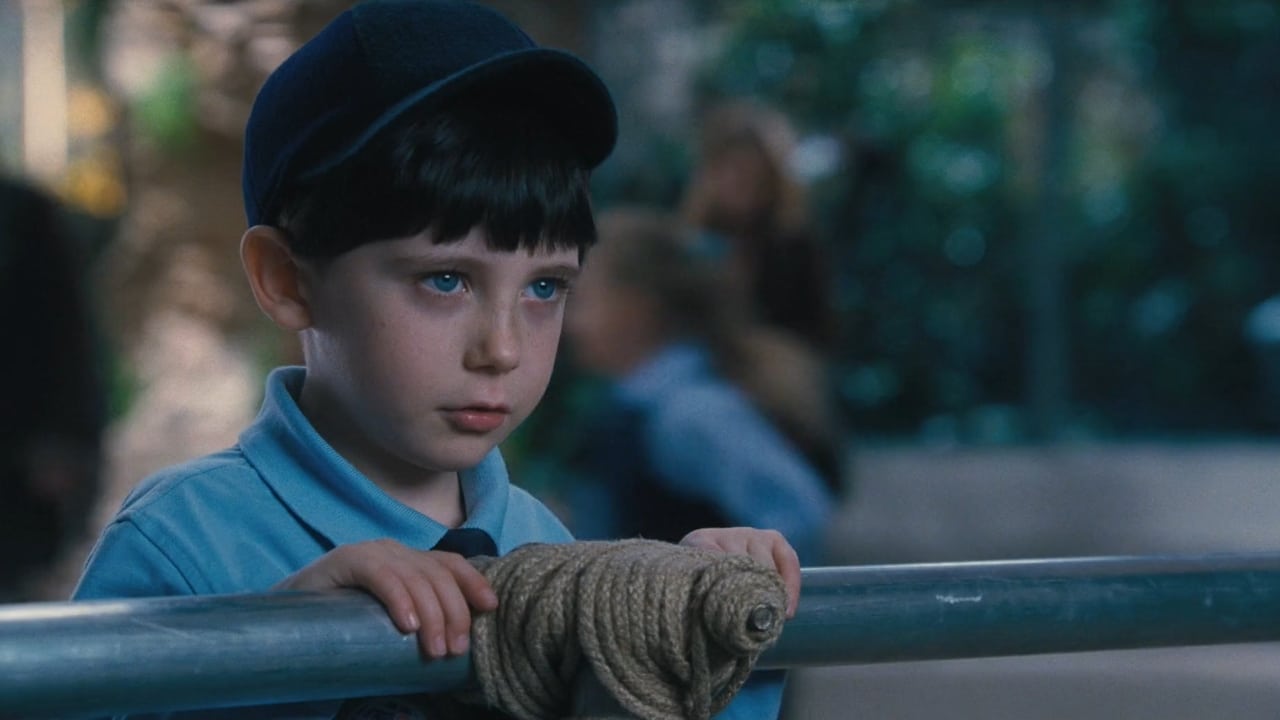
The financial success of this film is staggering when you consider its legacy today. It raked in over $119 million worldwide, with a record-breaking Tuesday opening of $12.6 million. That is the power of a good calendar date. People didn't just go to see a movie; they went to participate in a cultural moment. I remember the DVD release being a huge deal, too—the special features were packed with "Omen Prophecies" documentaries that fed into the era's obsession with the History Channel and the Da Vinci Code style of "secret history" puzzles.
Ultimately, this version of The Omen serves as a perfect example of what happened when the studio system met the burgeoning digital age. It’s professional, it’s sleek, and it’s undeniably entertaining, even if it doesn't possess a single original bone in its body. It’s a movie designed to be consumed with a large popcorn and then discussed in the parking lot for ten minutes before you move on to the next big thing.
While it never manages to crawl out from under the massive shadow of its predecessor, the 2006 Omen is a fascinating relic of mid-2000s studio filmmaking. It’s a well-oiled machine that hits every beat with mathematical precision, bolstered by a truly top-tier supporting cast of British character actors. If you can get past the feeling of déjà vu, it’s a perfectly spooky way to kill two hours. Just don't expect it to haunt your dreams—it’s too shiny for that.

Keep Exploring...
-
Gothika
2003
-

The Grudge
2004
-

A Nightmare on Elm Street
2010
-
I Know What You Did Last Summer
1997
-
House of Wax
2005
-
The Skeleton Key
2005
-
Untraceable
2008
-
Pandorum
2009
-
Devil
2010
-
The Ward
2010
-

Ghost Ship
2002
-

The Invasion
2007
-
After.Life
2009
-

Case 39
2009
-
The Last Exorcism
2010
-

Red Riding Hood
2011
-

Behind Enemy Lines
2001
-
Hide and Seek
2005
-
The Exorcism of Emily Rose
2005
-
Final Destination 3
2006