The Painted Veil
"Forgiveness is the most dangerous journey of all."
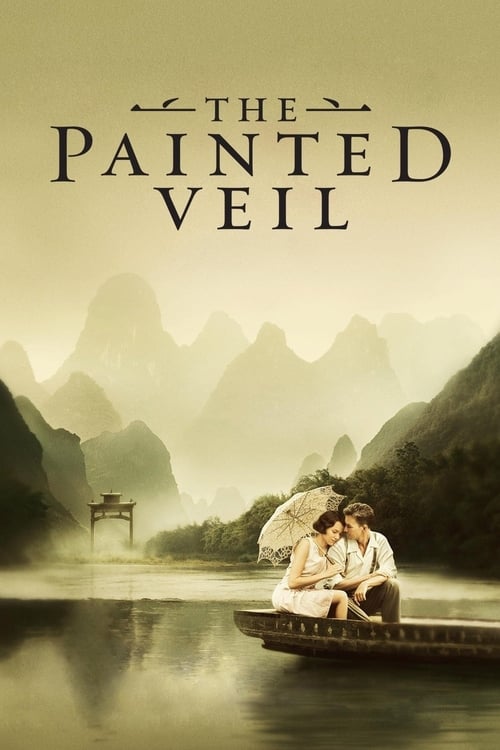
Some movies feel like they were filmed inside a fever dream, and I don't just mean the literal cholera delirium that coats the final act of The Painted Veil. There is a specific, haunting stillness to this film that feels increasingly rare in the modern "content" era. I first stumbled upon this one on a scratched DVD I’d picked up from a closing Blockbuster—back when we still scavenged for physical media—and I remember being so engrossed that I accidentally let a piece of buttered toast land face-down on my favorite Persian rug without even flinching. That’s the kind of quiet, suffocating grip this movie has.
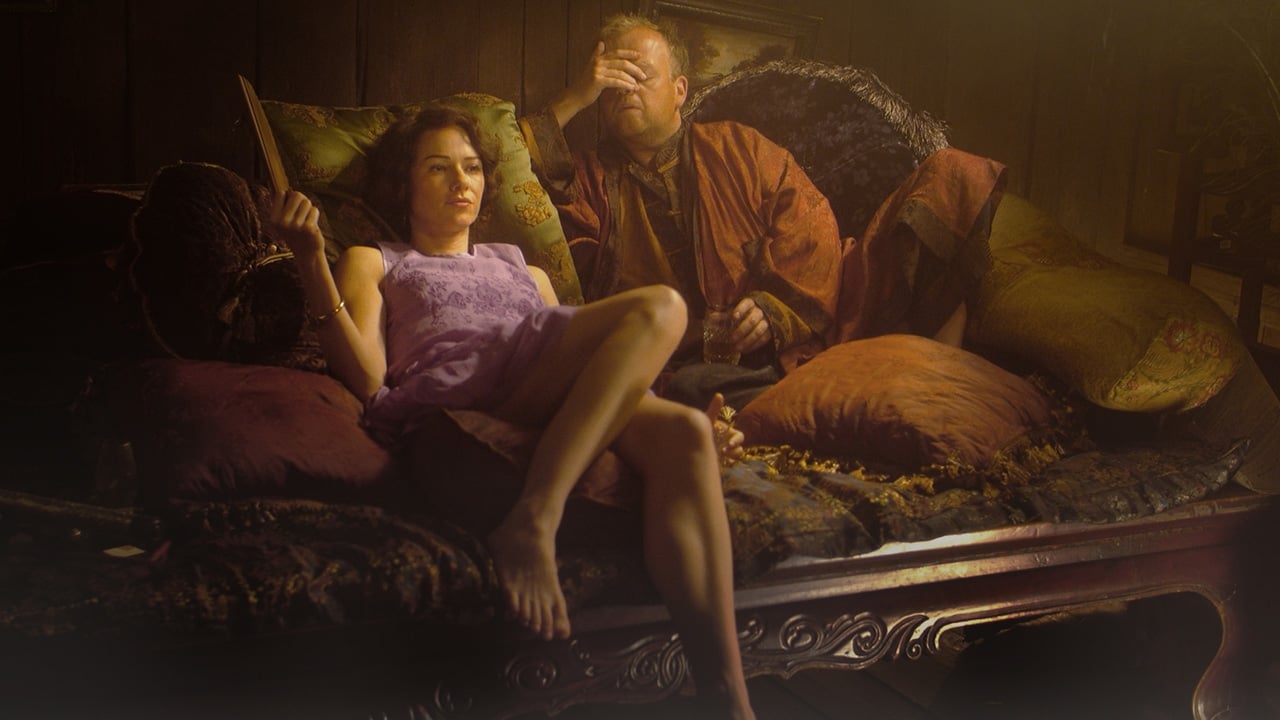
Released in 2006, right in the heart of that "Modern Cinema" transition where prestige dramas still got mid-sized budgets and shot on actual film in actual locations, The Painted Veil is a bit of a forgotten ghost. It’s an adaptation of W. Somerset Maugham’s novel, but it strips away the book's cynicism to find something much more aching and human. It’s a story about a marriage that begins with a lie, continues with an affair, and is ultimately weaponized into a suicide mission.
A Marriage Built on Petty Spite
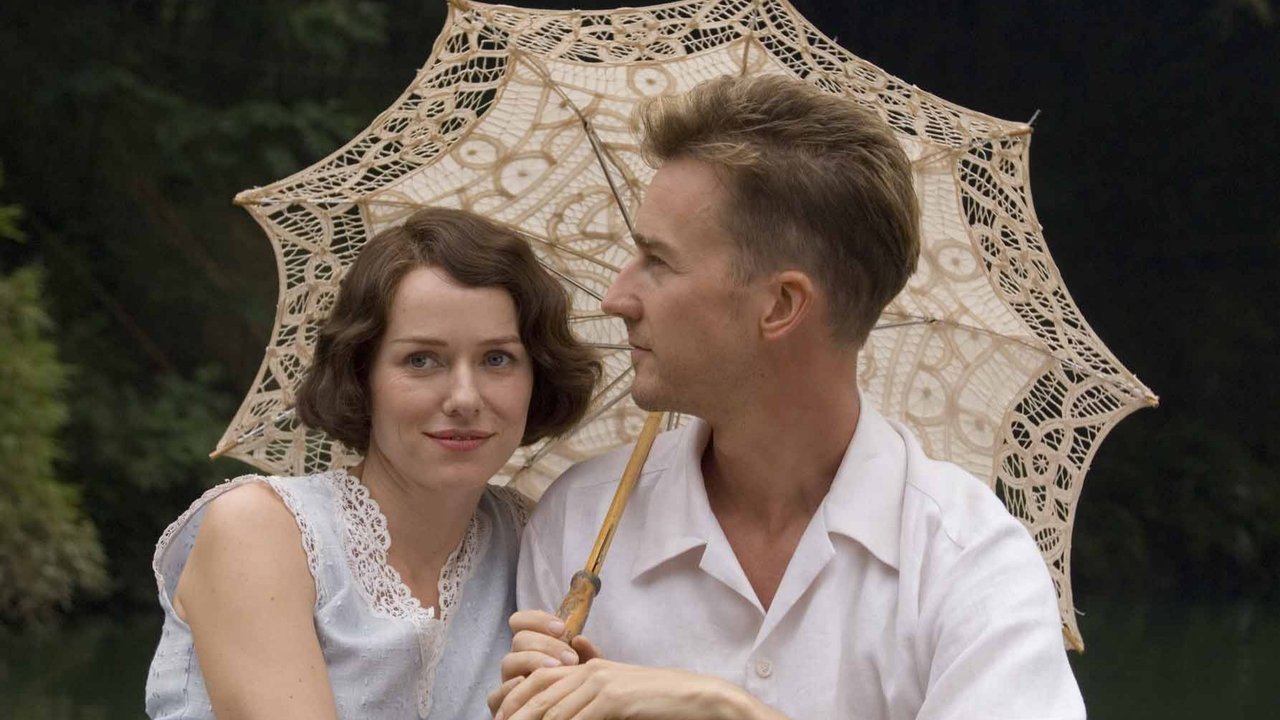
The premise is deceptively simple: Walter Fane (Edward Norton), a rigid, socially awkward bacteriologist, marries Kitty (Naomi Watts), a flighty London socialite, mostly because she wants to escape her mother and he’s hopelessly smitten. When he discovers she’s having an affair with the oily, charming Charlie Townsend (played with pitch-perfect sleaze by Liev Schreiber, who also worked with Watts in Movie 43... though let's forget that exists), Walter doesn't ask for a divorce. Instead, he volunteers to fight a cholera outbreak in the remote Chinese village of Mei-tan-fu and forces Kitty to come with him.
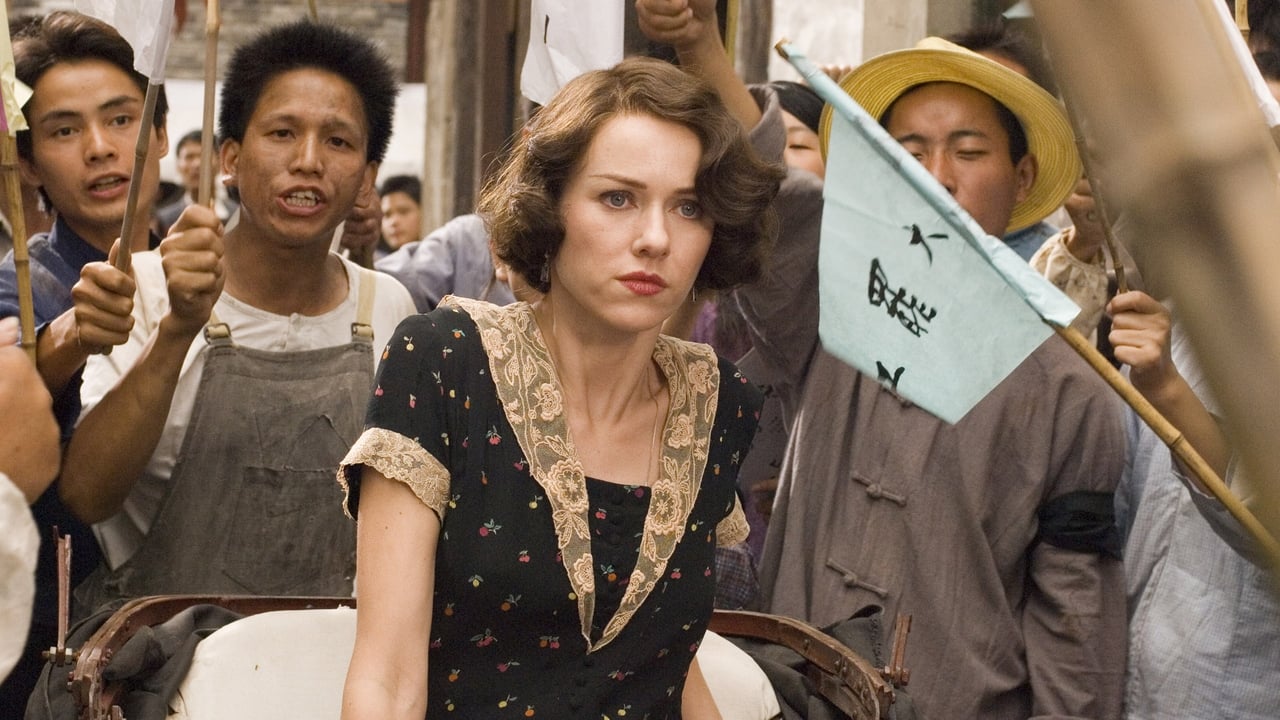
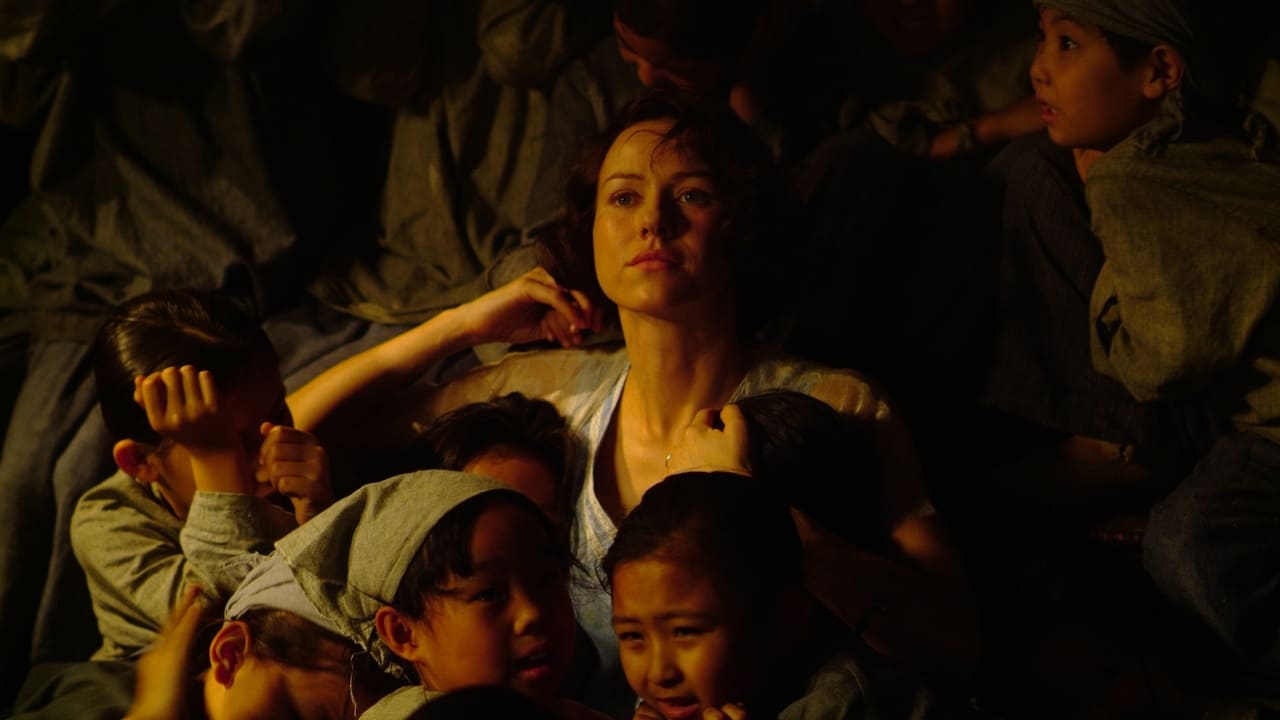
It’s essentially a kidnapping under the guise of medical heroism. Edward Norton's Dr. Fane is the ultimate "I’m not mad, just disappointed" husband, and it’s genuinely terrifying. He doesn't yell; he just stares at her with a cold, clinical detachment that makes you realize why he’s so good at looking at bacteria under a microscope. He treats his wife like a specimen he’s waiting to see perish. Watts, meanwhile, is incredible as she transitions from a spoiled brat to a woman who is forced to actually see the world for the first time. Their chemistry isn't about heat; it’s about the slow, agonizing thaw of a frozen lake.
The Visuals vs. The Virus
Director John Curran (who also directed Norton in the gritty Stone) made the radical choice to shoot on location in Guangxi, China. Looking back at it now, in an era where every exotic vista is a green-screened composite, the physical reality of this movie is breathtaking. The karst mountains, the winding rivers, and the thick, humid atmosphere feel like characters themselves. The cinematography by Benoît Delhomme doesn't just capture "pretty pictures"; it captures the oppressive beauty of a place that is actively trying to kill the protagonists.
There is a sequence where they are being carried through the mountains in sedan chairs, and the scale of the landscape makes their marital squabbles look utterly microscopic. It’s a brilliant visual metaphor: your personal drama doesn't matter when you’re surrounded by ancient mountains and a modern plague. The film also benefits from a supporting cast that adds layers of texture to this isolated world. Toby Jones, playing a local British official who has "gone native" in the best way possible, provides the heart, while Diana Rigg (our beloved Queen of Thorns from Game of Thrones) shows up as a Mother Superior to remind everyone that duty is a double-edged sword.
Why Did This Get Lost?
So, why isn't this mentioned in the same breath as Atonement or The English Patient? Part of it was the timing. 2006 was the year of The Departed and Pan's Labyrinth. The Painted Veil was a "quiet" movie in a loud year. It also suffered from being a movie for adults that refused to offer easy catharsis. It’s a slow-burn redemption story where the "hero" starts as a borderline villain and the "heroine" starts as a shallow adulteress.
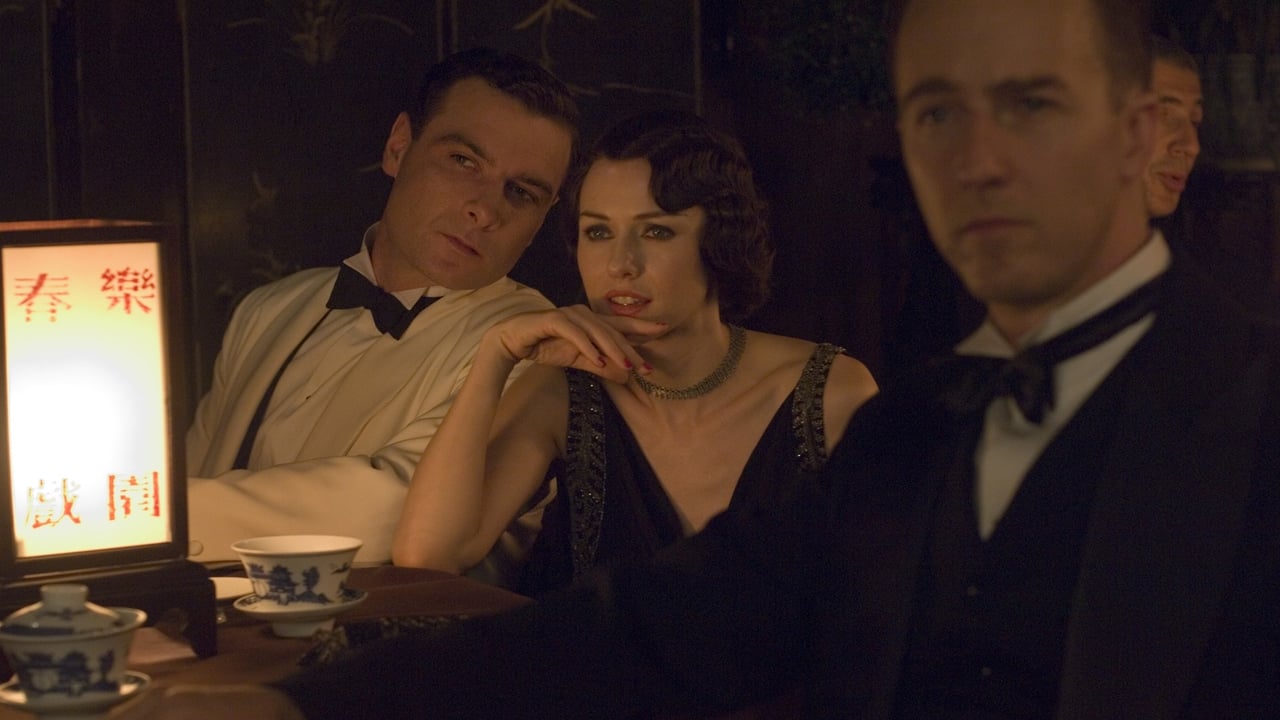
In retrospect, this film is a masterclass in how to handle unlikable characters without making the audience want to turn the TV off. You start by hating them, then you pity them, and eventually, you find yourself desperately rooting for them to just hold hands. It also captures a very specific post-9/11 anxiety about Westerners entering foreign lands with good intentions but deep-seated arrogance—a theme that feels even more relevant today than it did eighteen years ago.
The score by Alexandre Desplat is also a standout; it won a Golden Globe, and for good reason. It’s haunting, melancholic, and lacks the over-the-top soaring strings that usually plague these kinds of period pieces. It lets the silence of the Chinese countryside do the heavy lifting.
The Painted Veil is a rare breed: a lush, romantic epic that is also deeply cynical and intellectually honest. It’s about the hard work of loving someone you’ve already betrayed, set against a backdrop of historical upheaval and medical horror. If you’re tired of CGI explosions and want a movie that trusts you to sit with uncomfortable silences and complex moral failings, track this one down. Just keep an eye on your toast.
Keep Exploring...
-

My Week with Marilyn
2011
-
The Illusionist
2006
-
The Piano Teacher
2001
-
Y Tu Mamá También
2001
-
Confessions of a Dangerous Mind
2002
-
Talk to Her
2002
-
The Spanish Apartment
2002
-
Girl with a Pearl Earring
2003
-
Honey
2003
-
What a Girl Wants
2003
-
2046
2004
-
A Very Long Engagement
2004
-

A Lot Like Love
2005
-
Broken Flowers
2005
-
Casanova
2005
-
Joyeux Noel
2005
-
The New World
2005
-
The Sisterhood of the Traveling Pants
2005
-

A Good Year
2006
-

Little Children
2006