The Prestige
"Every great magic trick consists of three parts."
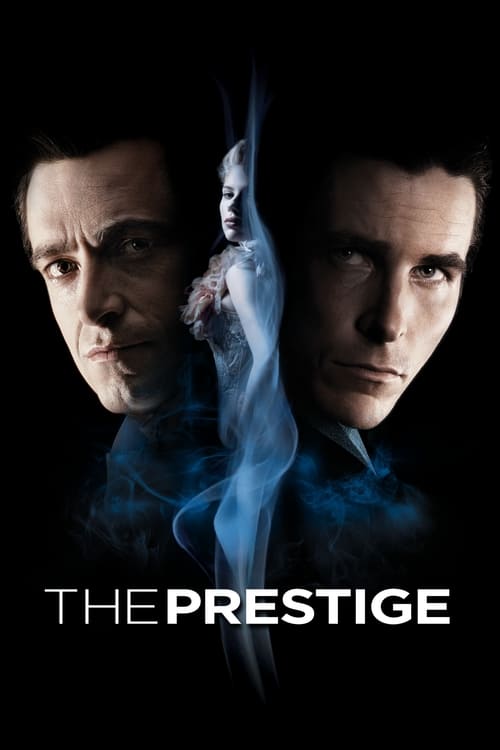
In the autumn of 2006, Hollywood was strangely obsessed with top hats and stage illusions. We had The Illusionist and the somewhat forgotten Scoop, but Christopher Nolan’s The Prestige arrived like a sharp intake of breath. It wasn't just a movie about magicians; it was a movie that was a magic trick. While everyone else was getting hyped for the burgeoning era of the blockbuster franchise—Nolan himself was fresh off Batman Begins—this was a lean, mean, and deeply obsessive piece of narrative clockwork that demanded you pay attention or get left in the sawdust.
I watched this recently in a room that was far too cold because my Victorian-era radiator was doing its best impression of a dying steam engine. Honestly? The clanking and the chill only made the 19th-century London atmosphere feel more tangible. This is a film that thrives on a certain kind of soot-covered, industrial-age misery.
The Art of the Grudge
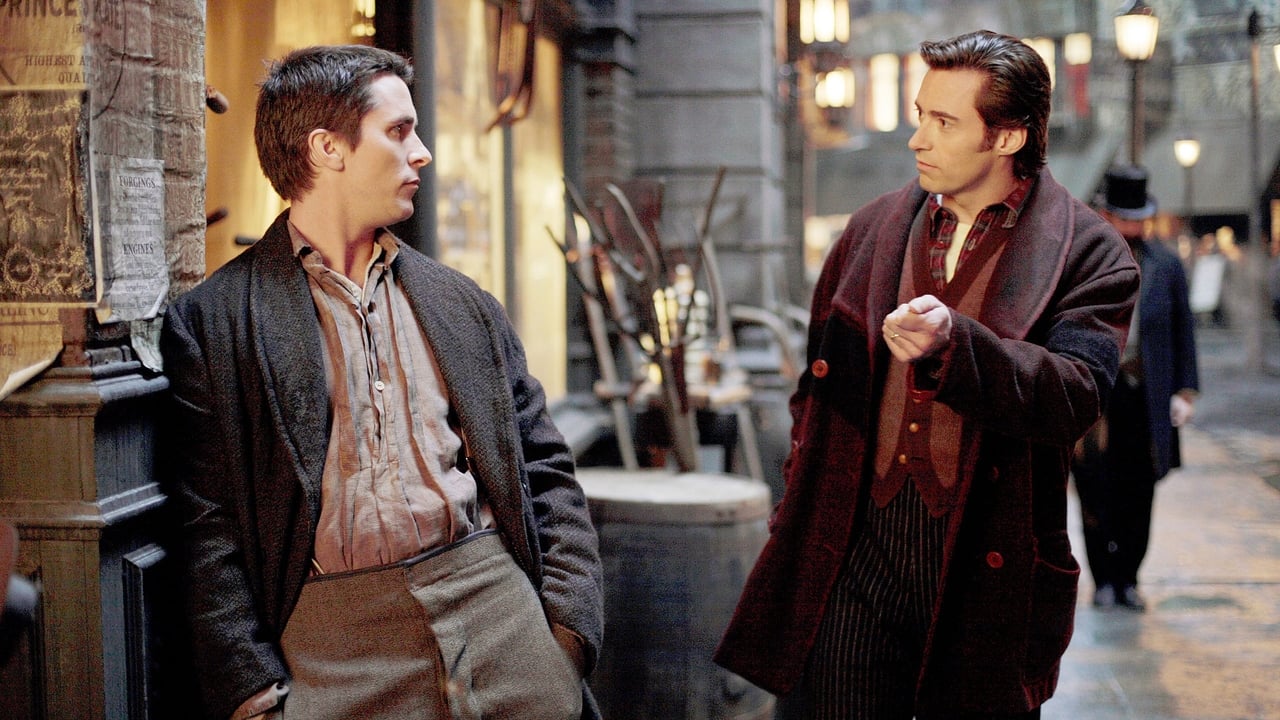
The heart of the film is a bitter, decades-long feud between two stage magicians: Robert Angier, played with a desperate, tragic vanity by Hugh Jackman, and Alfred Borden, portrayed by Christian Bale as a man who breathes subtext and secrets. They start as comrades but are quickly torn apart by a stage accident that leaves one of them widowed and both of them hollow.
What I love about these performances is how they subvert the actors' then-emerging public personas. Hugh Jackman was becoming the world’s most charismatic leading man, yet here he uses that charm as a mask for a terrifying, singular obsession. He’s the showman who lacks the soul of the craft. Meanwhile, Christian Bale—fresh off his first turn as the Caped Crusader—is all rough edges and working-class grit. He’s the artist who lacks the polish of the performance. Watching them try to dismantle each other’s lives is like watching two master chess players decide to just start throwing the pieces at each other’s heads. Angier is basically a Victorian Batman with a much worse moral compass.
Science, Secrets, and David Bowie
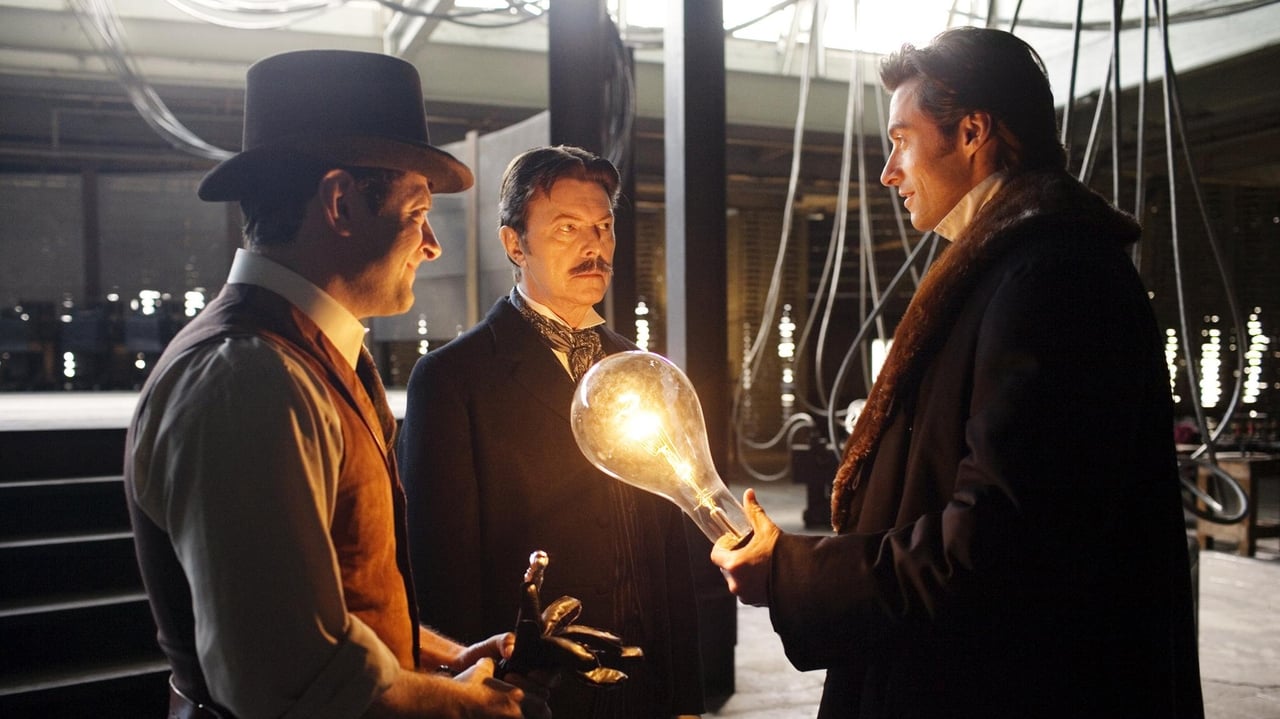
Just when you think you’ve figured out the rhythm of the rivalry, the script (penned by Nolan and his brother Jonathan) introduces a wild card: Nikola Tesla. Casting David Bowie as the enigmatic inventor was a stroke of absolute genius. Bowie brings an otherworldly, haunting stillness to a film otherwise defined by frantic movement. His scenes with Hugh Jackman shift the movie from a period drama into something much stranger—a proto-science fiction story that asks how much of your soul you’re willing to feed into a machine to get a standing ovation.
The supporting cast is just as sharp. Michael Caine plays Cutter, the "ingénieur" who designs the illusions, serving as the film’s moral (and narrative) anchor. He’s the one who explains the three parts of a trick—the Pledge, the Turn, and the Prestige—effectively narrating the structure of the movie we’re watching. Then there’s Scarlett Johansson as Olivia, the assistant caught in the crossfire, and Rebecca Hall in a heartbreaking turn as Borden’s wife, Sarah, who can see through her husband's lies but can’t survive the truth.
The DVD Era and the Art of the Re-watch
Looking back, The Prestige feels like a peak example of "DVD Culture." This was a film made for the era of special features and the "scene selection" menu. It’s littered with clues that you simply cannot see the first time around—not because they’re hidden, but because the film tells you exactly what it’s doing and bets that you’ll look at the wrong hand.
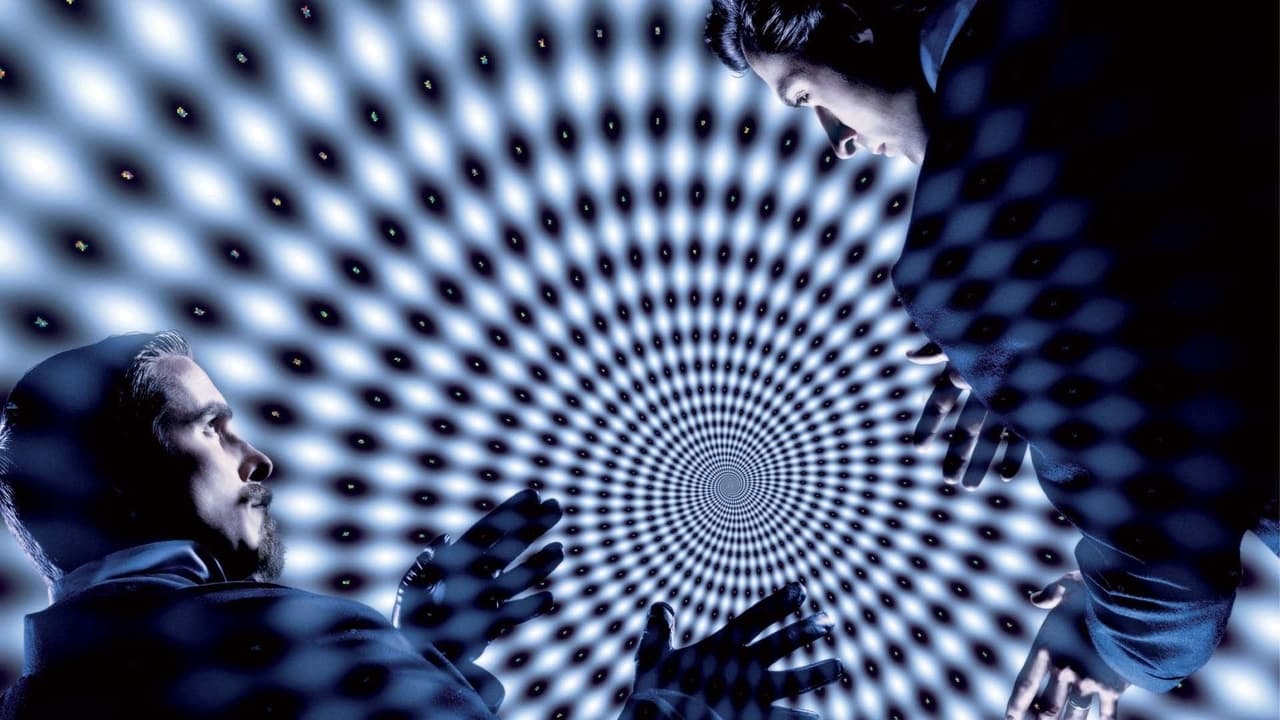
The cinematography by Wally Pfister is spectacular, opting for handheld cameras and natural lighting that give the Victorian setting a sense of immediate, dirty reality rather than the "museum piece" look of most period dramas. This was a transition point for Nolan; he was moving away from the indie-puzzle-box energy of Memento and toward the grand-scale architectural storytelling of Inception.
Apparently, the production was so focused on authenticity that the "Bird Cage" trick—the one that opens the film—used actual mechanical methods from the era. Michael Caine’s character explains the trick's dark secret early on, and it serves as a grim metaphor for the entire plot: for something beautiful to happen on stage, something has to be crushed underneath it.
The Prestige is that rare film that actually gets better the more you know about its ending. It isn't just a mystery; it’s a study of the high cost of greatness and the vacuum left by revenge. It’s a movie that trusts its audience to be smart, and in return, it provides one of the most satisfying "Prestige" moments in cinematic history. If you haven't seen it in a few years, go back. I promise you aren't watching closely enough.
Keep Exploring...
-

Interstellar
2014
-
The Dark Knight
2008
-

Batman Begins
2005
-
Inception
2010
-
Memento
2000
-

The Dark Knight Rises
2012
-
Mulholland Drive
2001
-
Eternal Sunshine of the Spotless Mind
2004
-
Her
2013
-
Mr. Nobody
2009
-
Incendies
2010
-
Shutter Island
2010
-
Contact
1997
-
Batman: The Dark Knight Returns, Part 1
2012
-

Batman: The Dark Knight Returns, Part 2
2013
-
L.A. Confidential
1997
-
The Sixth Sense
1999
-
K-PAX
2001
-
Solaris
2002
-

Oldboy
2003