The Queen
"Tradition clashes with the modern world."
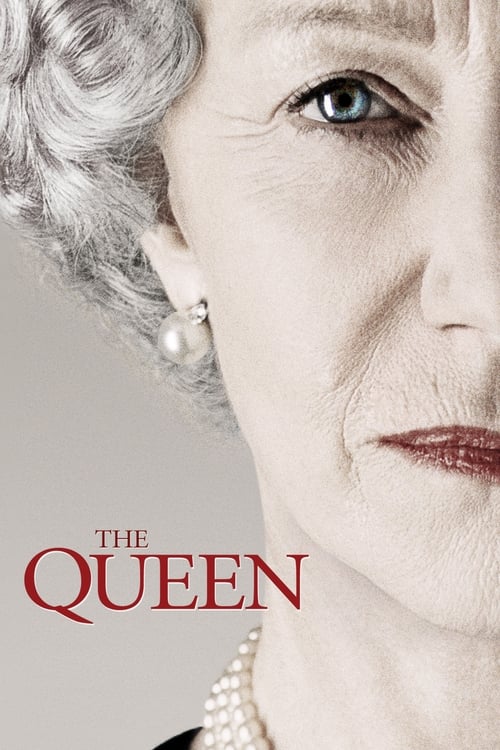
There is a moment in The Queen where a majestic stag stands frozen in the Highland mist, and for a heartbeat, you forget you’re watching a political drama about a PR crisis. It’s a moment of quiet, almost spiritual connection for Elizabeth II, and it’s the closest she gets to an unfiltered emotional release in the entire film. I remember watching this for the first time on a portable DVD player during a cross-country flight where the guy in the middle seat was aggressively snoring into my shoulder, yet the tension on screen was so thick I barely noticed the turbulence or the drool.
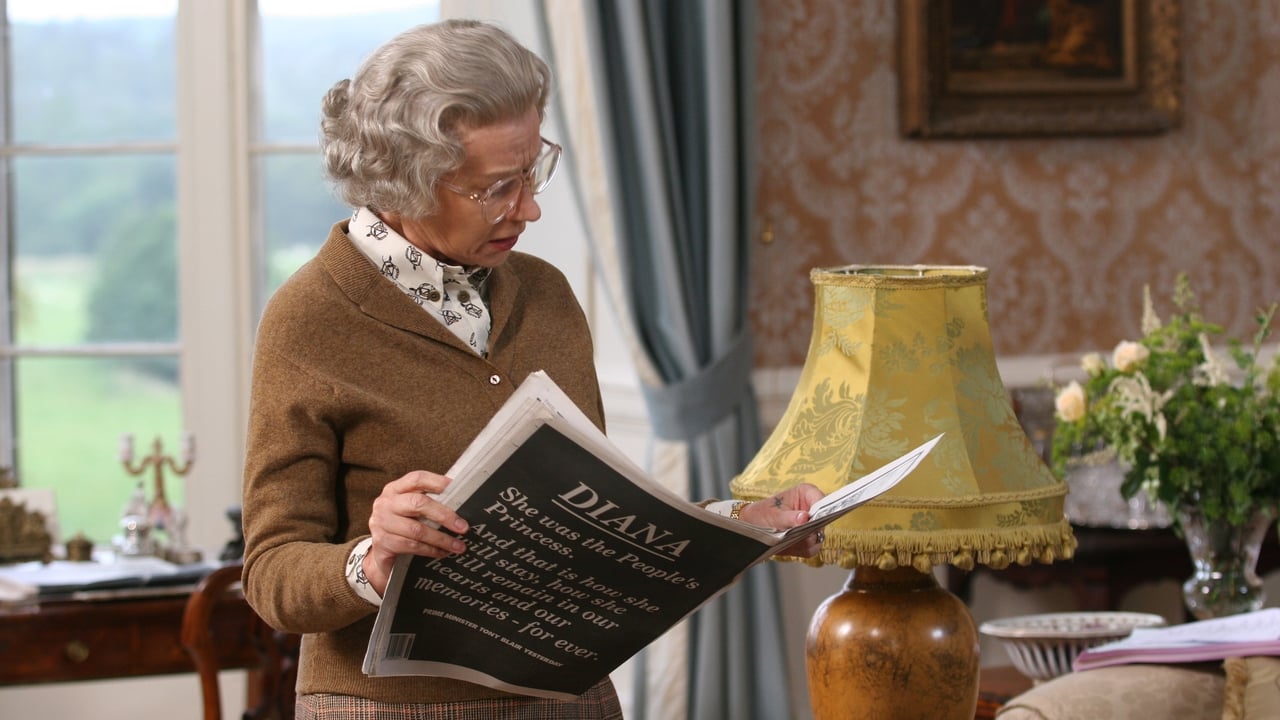
Released in 2006, Stephen Frears' (High Fidelity, Dangerous Liaisons) look behind the velvet curtain arrived at a fascinating crossroads. The world was still processing the fallout of the 9/11 era, Tony Blair’s reputation was beginning to curdle under the weight of the Iraq War, and the British Royal Family was still a bit of a closed book. We hadn't yet been inundated with six seasons of The Crown. Seeing the inner workings of Balmoral wasn't just entertainment; in 2006, it felt like we were getting away with something illicit.
The Inhabitance of Elizabeth
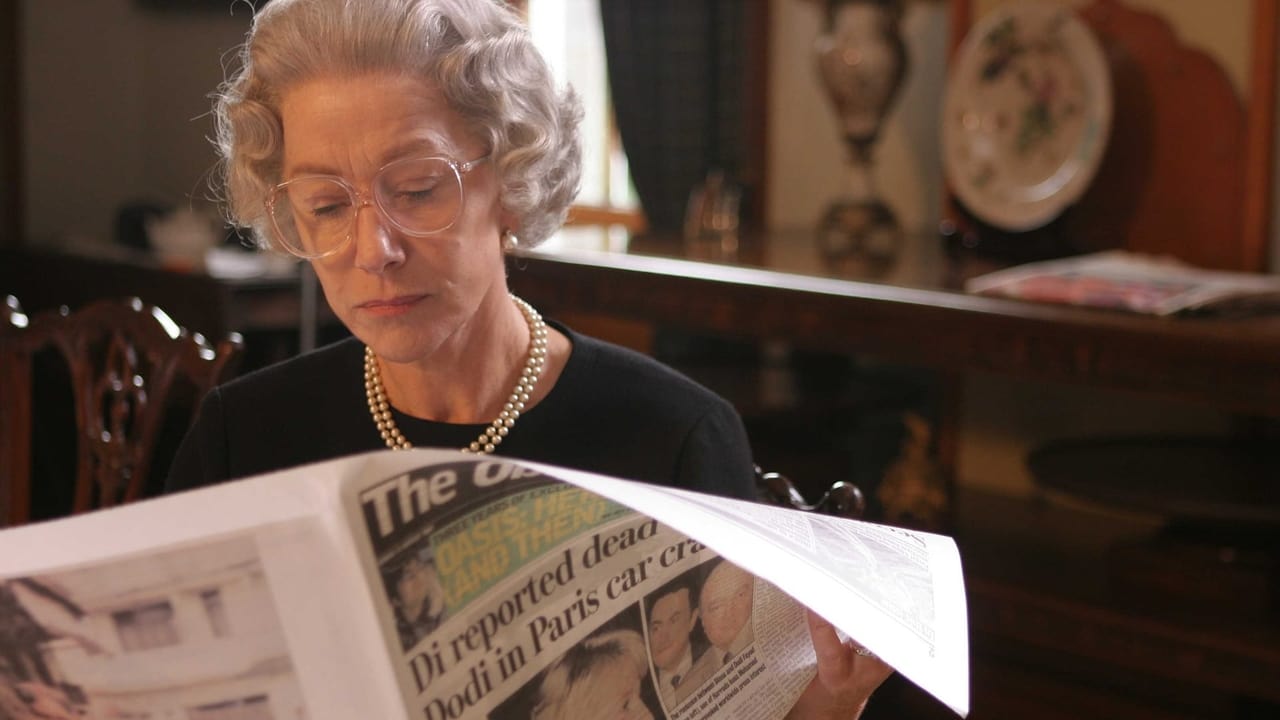
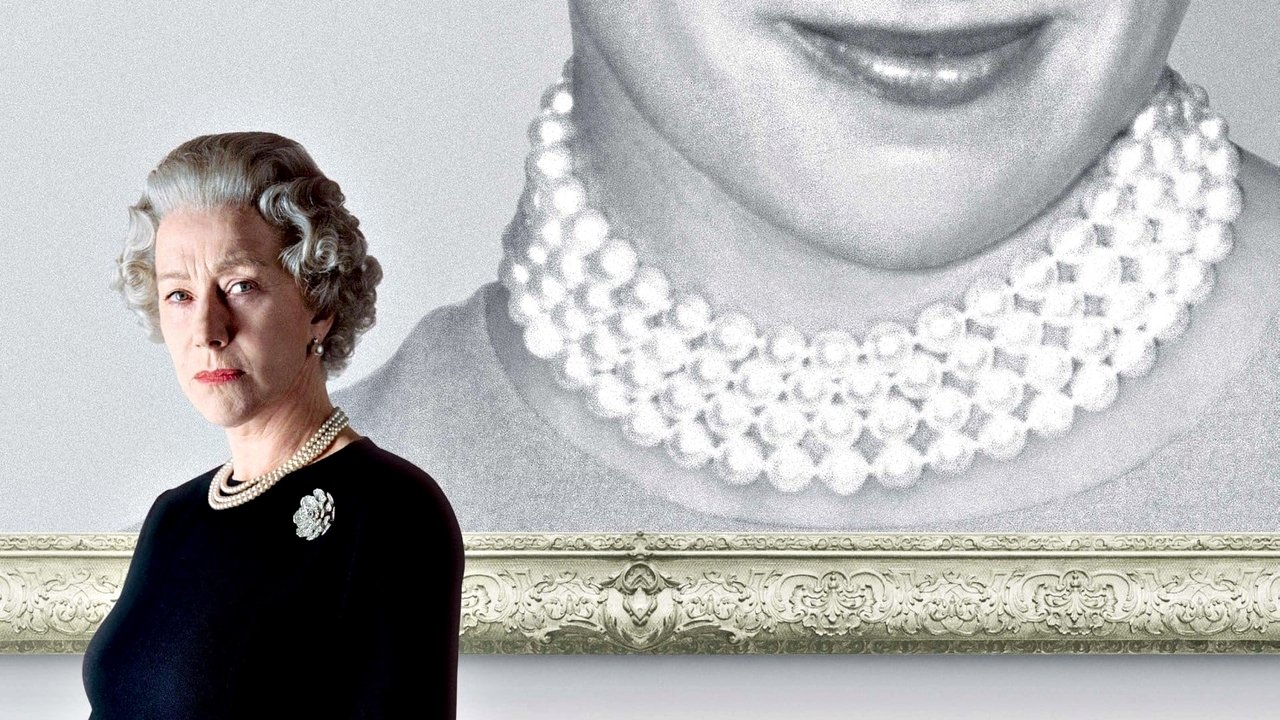
Let’s be clear: this movie lives and dies on the shoulders of Helen Mirren. It is a performance of such terrifying precision that you stop looking for the actress within the first five minutes. She doesn't do a "Spitting Image" caricature; she captures the heavy, dutiful silence of a woman who was taught that her primary job was to be a mirror for her subjects, not a person.
The film covers the week following the death of Princess Diana in 1997, a time when the British public collectively lost their minds and the Royals retreated into a bunker of "privacy" and "tradition." Mirren plays the Queen as a woman genuinely baffled by the world’s sudden demand for performative grief. Beside her, James Cromwell as Prince Philip is a revelation of stiff-necked annoyance; he portrays Philip as a man whose primary hobby is being professionally grumpy and shooting things.
Then you have Michael Sheen as Tony Blair. Before he was an angel in Good Omens, Sheen was the definitive cinematic Blair (a role he played three times for writer Peter Morgan). He perfectly captures that "New Labour" energy—the shiny, slightly desperate need to be liked, clashing against Mirren’s immovable, granite-like stoicism. The chemistry isn't romantic, but it’s a fascinating dance of two people trying to save an institution that one understands instinctively and the other views as a branding exercise.
A Royal Box Office Smash
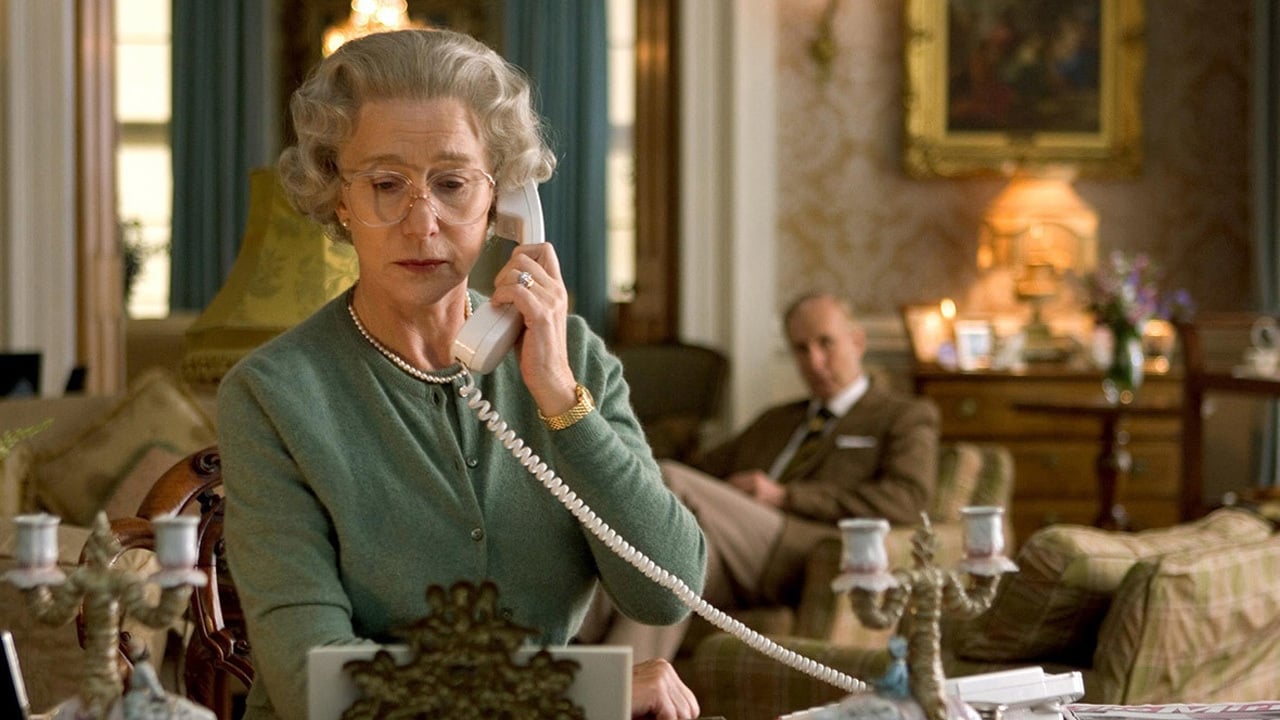
It’s easy to forget now, but The Queen was a legitimate cultural phenomenon. It wasn't just some "prestige" film that sat in art houses; it was a bona-fide blockbuster in its own right. With a modest budget of $15 million, it went on to rake in over $123 million globally. That is an insane return for a movie that is essentially people talking in wood-paneled rooms and the Royal Family’s PR strategy being "if we ignore the problem, maybe it will go and join a hunt."
The film’s success signaled a massive shift in how we consume the lives of the famous. Peter Morgan’s screenplay took the "behind-the-scenes" voyeurism of the early internet age and dressed it up in a tuxedo. This film effectively launched the modern "Royal Genre." Without the success of The Queen, it’s highly unlikely we would have seen The King’s Speech or the massive investment into The Crown.
The production value also deserves a nod. Affonso Beato’s cinematography uses different film stocks—16mm for the "news" footage and 35mm for the Royal scenes—to create a subtle, subconscious wall between the messy, grainy reality of the public and the lush, sharp, but cold world of the palace. It’s the kind of technical choice that feels like a lost art in the age of digital everything.
Stuff You Didn't Notice
One of the best things about revisiting mid-2000s cinema is digging into the trivia that surfaced once the dust settled. For instance, Helen Mirren was so convincing in the role that the Queen herself invited the actress to dinner at Buckingham Palace after seeing the film’s impact. Mirren actually had to decline because she was filming National Treasure: Book of Secrets in South Dakota—which is a sentence that perfectly encapsulates the weirdness of 2007.
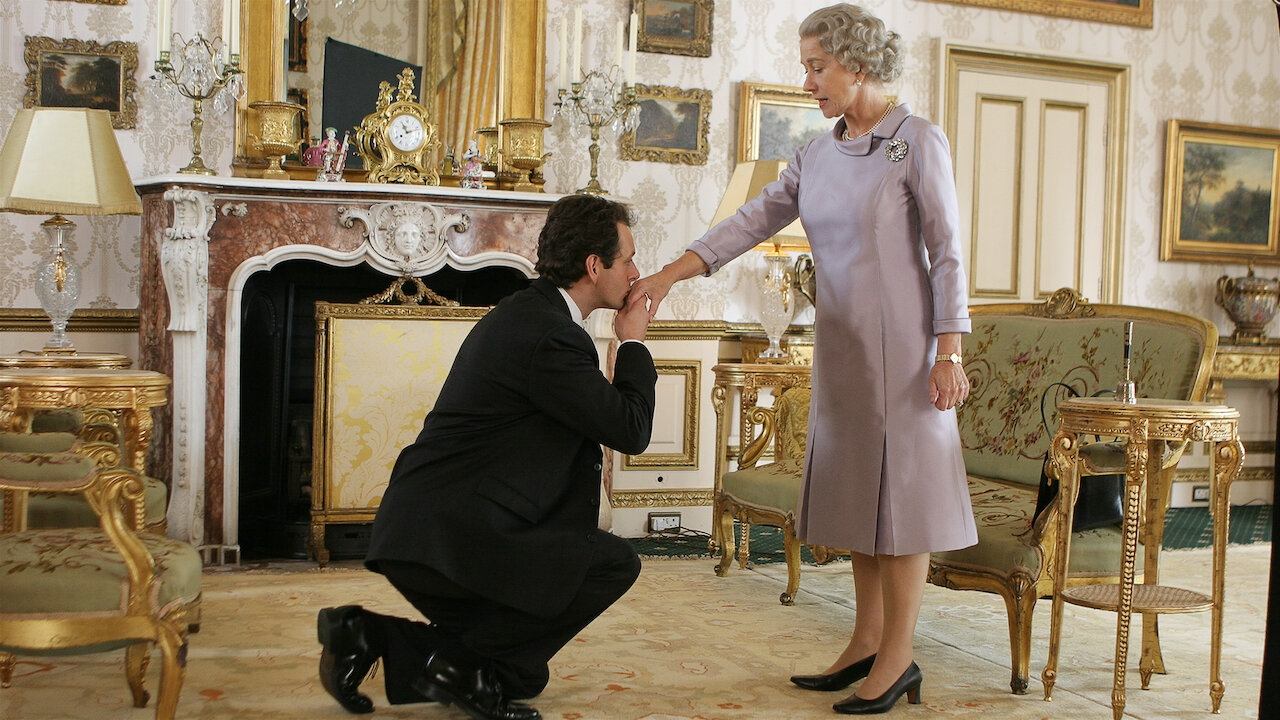
The film also captures a specific, pre-social-media era of outrage. The "public demand" for mourning was driven by tabloid newspapers and flowers piled outside gates, not Twitter hashtags. Looking back, the film feels like a time capsule of the last moment a world leader could actually try to "control" a narrative before the digital deluge made that impossible.
There’s also the score by Alexandre Desplat (The Grand Budapest Hotel). It’s whimsical but carries a heavy undercurrent of anxiety. It doesn't tell you how to feel; it just hums along with the ticking clock of a monarchy that realizes, for the first time in centuries, that it might be optional.
The Queen is a rare drama that manages to be deeply respectful while also being a bit of a cheek. It asks whether we want our leaders to be human beings or icons, and it doesn't provide an easy answer. Helen Mirren’s Oscar wasn't just for the wig and the glasses; it was for the way she made us feel sorry for a woman who has everything, yet isn't allowed to have a single private thought. It’s a sharp, witty, and surprisingly emotional look at the moment the 20th century finally ended for the Windsors.
Keep Exploring...
-
The Iron Lady
2011
-
Philomena
2013
-
The King's Speech
2010
-

Hero
2002
-
Apocalypto
2006
-
Frost/Nixon
2008
-

The Other Boleyn Girl
2008
-
Red Cliff
2008
-
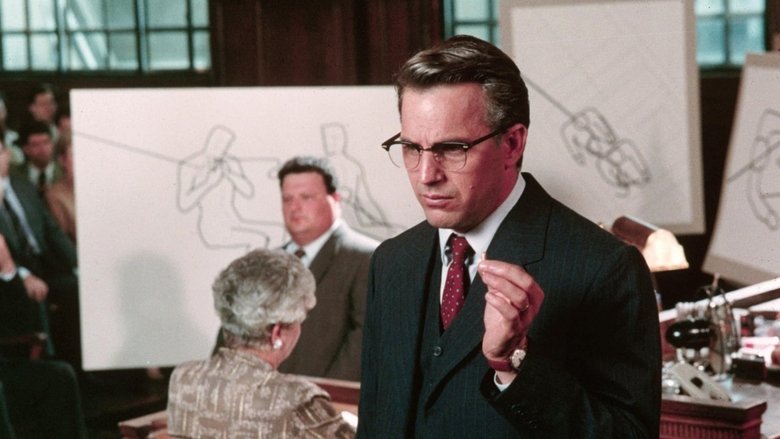
JFK
1991
-
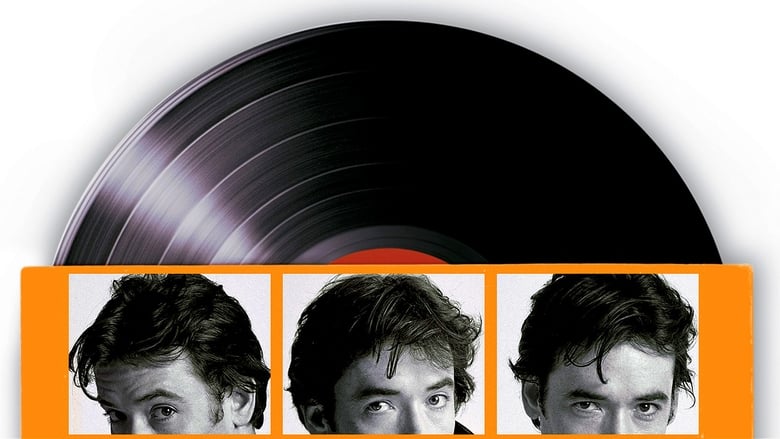
High Fidelity
2000
-
Joyeux Noel
2005
-
The Boy in the Striped Pyjamas
2008
-
The Duchess
2008
-
The Impossible
2012
-
Saving Mr. Banks
2013
-
The Wind Rises
2013
-
The Woman in Black
2012
-
Kingdom of Heaven
2005
-
Apollo 13
1995
-
Confessions of a Dangerous Mind
2002