The Santa Clause 3: The Escape Clause
"Be careful what you wish for."
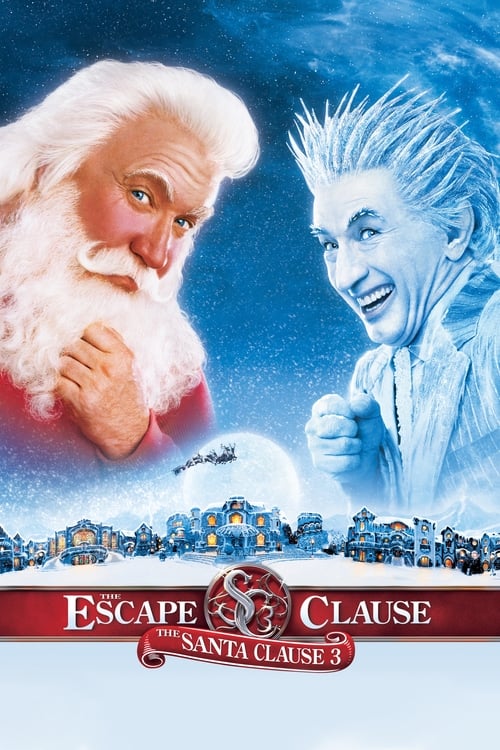
I remember the original 1994 The Santa Clause with a surprising amount of clarity. It had that distinct, slightly cynical mid-90s edge—a movie where a guy kills Santa by accident and the legal fine print of the universe forces him into seasonal servitude. It was weird, a bit dark, and felt like a real movie. By the time we reached 2006 with The Santa Clause 3: The Escape Clause, that grit had been buffed out and replaced with the bright, over-saturated plastic sheen of a mid-2000s Disney Channel Original Movie.

I watched this one while nursing a lukewarm cup of peppermint tea that tasted mostly like the cardboard sleeve it came in, and honestly, that’s the perfect sensory pairing for this film. It’s festive, it’s familiar, but you can definitely taste the packaging.
A Frosty Performance in a Plastic World
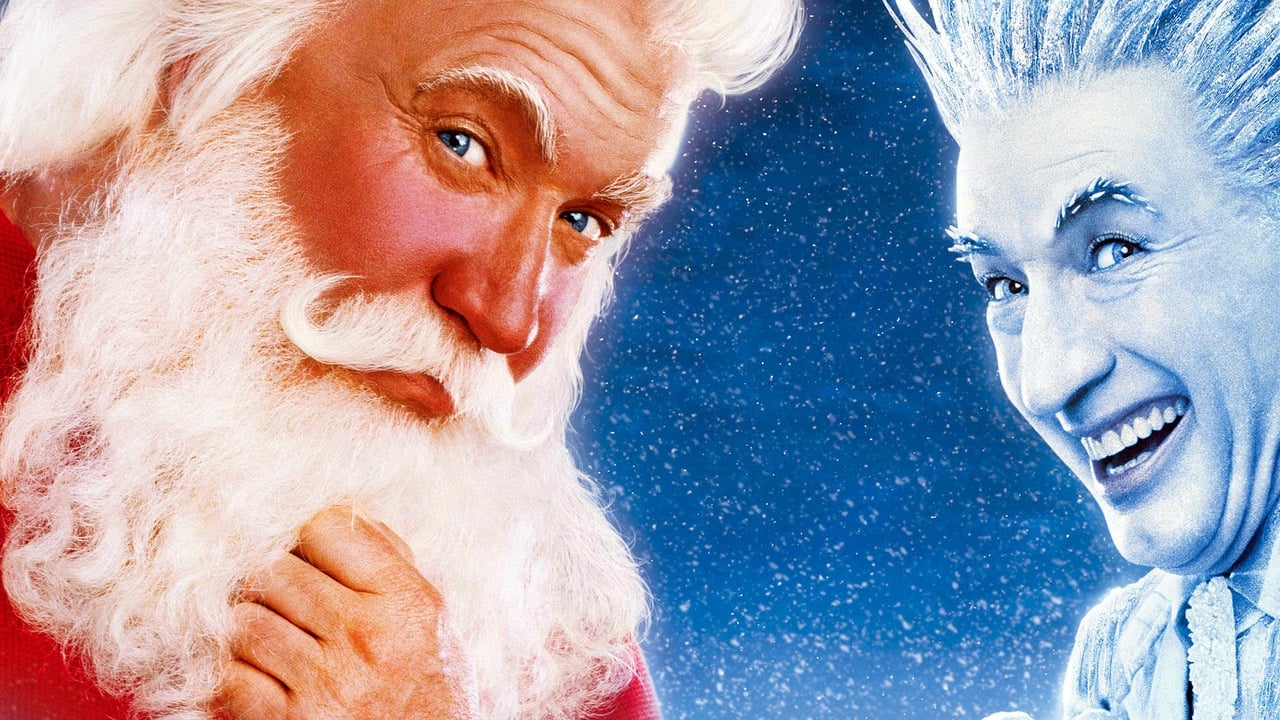
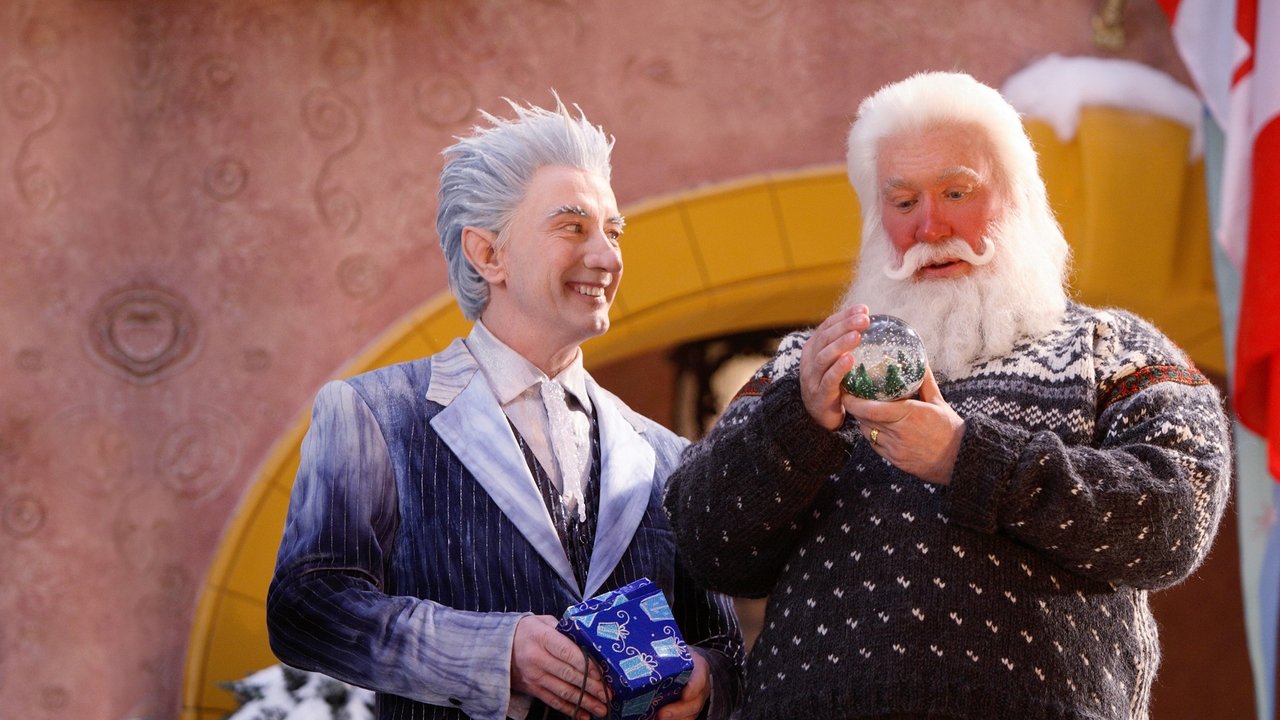
The real reason—and perhaps the only reason—to revisit this film is Martin Short. Stepping into the shoes of Jack Frost, Short isn't just acting; he’s staging a one-man coup against the entire production. He treats the North Pole like a Broadway stage he’s about to be evicted from, chewing the scenery with such manic energy that you almost feel bad for Tim Allen. While Allen is clearly operating in "contractual obligation" mode, looking a bit tired under the layers of prosthetic jowls, Short is performing like his life depends on it.
Short’s Jack Frost is essentially a frostbitten version of a Broadway diva who wandered onto the wrong set, and I love him for it. He’s trying to "rebrand" Christmas as Frostmas, and his musical number is a level of camp that the rest of the movie doesn't quite know how to handle. It highlights the shift in this era of cinema; we were moving away from the practical, lived-in feel of 90s family adventures toward this digital, high-gloss aesthetic. The North Pole here doesn't feel like a magical workshop; it feels like a very expensive department store display that you’re not allowed to touch.
The It’s a Wonderful Life of the Mid-2000s
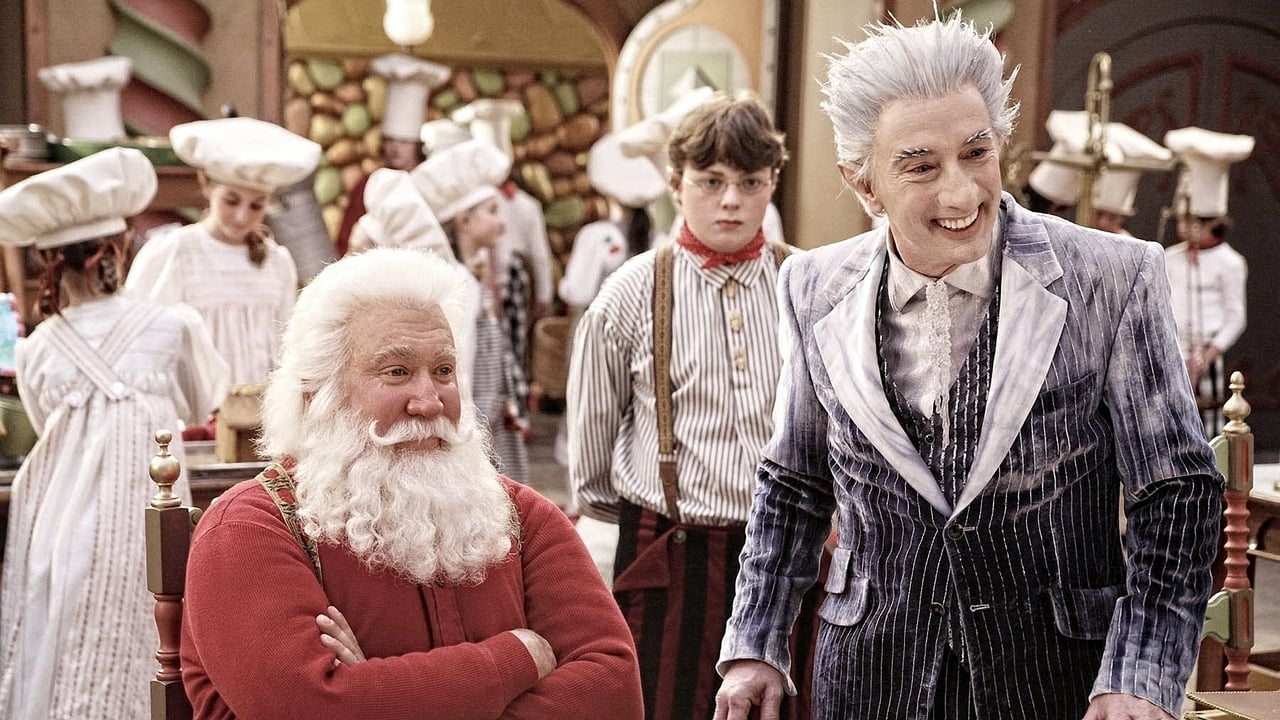
The plot leans heavily on the "Escape Clause," a bit of magical legalese that allows Santa to wish he never took the job. This plunges us into an alternate-reality sequence that’s a direct riff on It’s a Wonderful Life, showing us a world where Scott Calvin is still a high-powered toy executive and Jack Frost has turned the North Pole into a commercialized nightmare theme park.
Looking back, the "villainous" version of the North Pole—complete with ticket booths and overpriced merchandise—is actually a pretty accurate prophecy of what modern theme park tourism has become, which gives the movie a weird, unintended layer of social commentary. Director Michael Lembeck, who also handled the second installment and plenty of high-profile TV sitcoms, keeps the pace frantic. There’s no room for the quiet, snowy wonder of the first film. Instead, we get the Newman in-laws, played by Ann-Margret and Alan Arkin (who, despite his grumpy brilliance, feels like he’s wondering where his agent is).
The inclusion of the "Council of Legendary Figures" is where the film's 2006-era CGI really shows its age. Characters like Father Time and the Easter Bunny look fine, but the magical effects have that soft, blurred digital look that was pervasive before the industry really mastered high-definition textures. It’s a fascinating snapshot of that transition period where studios were realizing they could do everything digitally but hadn't quite figured out how to make it feel "warm."
The Adventure of the Mundane
For a film categorized as an adventure, the stakes feel remarkably domestic. Most of the tension comes from Scott Calvin trying to hide the fact that he’s Santa from his in-laws, leading to a "comedy of errors" vibe that feels more like a 1950s sitcom than a grand holiday journey. However, there is a certain charm in seeing the return of the original cast. Seeing a grown-up Eric Lloyd as Charlie or Judge Reinhold as Neil (who has undergone a total character lobotomy since the first film, turning from a skeptical psychiatrist into a sweater-wearing ditz) provides a sense of franchise continuity that was rare before the MCU made it mandatory.
The film serves as a time capsule of the "Trilogy Mentality" of the 2000s. It was the era where every successful hit needed to be a three-act arc, even if the third act was just a collection of leftovers. While the production values are high, thanks to cinematographer Robbie Greenberg (S.W.A.T., To Wong Foo), the soul of the original feels like it’s been put in cold storage.
The film is a sugary, brightly colored distraction that works best if you have kids in the room or a very high tolerance for Martin Short being a theatrical menace. It lacks the heart of the 1994 original, but as a piece of mid-2000s studio filmmaking, it’s a fascinating look at how Disney was managing its franchises before it bought every other franchise on the planet. It’s not a holiday essential, but if you find it on a streaming service during a blizzard, you could certainly do worse than watching Jack Frost try to turn the North Pole into a casino.
Keep Exploring...
-
The Santa Clause 2
2002
-
The Santa Clause
1994
-
101 Dalmatians II: Patch's London Adventure
2003
-
Are We There Yet?
2005
-
Nim's Island
2008
-

Aliens in the Attic
2009
-
Osmosis Jones
2001
-

Valiant
2005
-
RV
2006
-

The Ant Bully
2006
-
Shrek the Halls
2007
-
Open Season 2
2008
-

Yogi Bear
2010
-
Jimmy Neutron: Boy Genius
2001
-

The Lizzie McGuire Movie
2003
-
Teenage Mutant Ninja Turtles II: The Secret of the Ooze
1991
-

The Swan Princess
1994
-
Christmas with the Kranks
2004
-
Baby's Day Out
1994
-

The Little Mermaid II: Return to the Sea
2000