The Wind That Shakes the Barley
"When brothers fight for freedom, blood stains the peace."
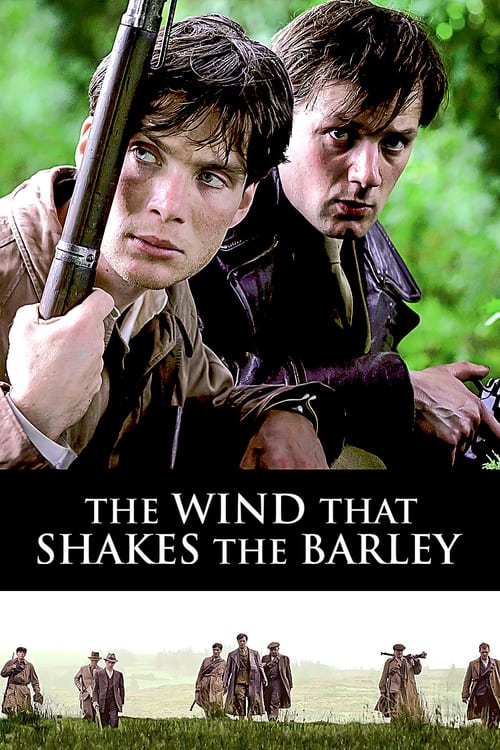
The first time I sat down to watch The Wind That Shakes the Barley, I was huddled under a wool blanket in a drafty apartment that felt nearly as cold as the Irish countryside on screen. I had a lukewarm cup of Barry’s Tea that I’d forgotten to finish, and by the time the credits rolled, I didn't care about the temperature of the room or the tea. I felt hollowed out. Ken Loach’s 2006 masterpiece isn’t just a "war movie"; it’s a jagged piece of history that refuses to be sanded down for easy consumption.

While it famously beat out Pan’s Labyrinth for the Palme d'Or at Cannes, it’s a film that often slips through the cracks when we talk about the great cinematic achievements of the mid-2000s. It lacks the CGI spectacle of its contemporaries and avoids the "Great Man" hagiography of typical historical biopics. Instead, it gives us something far more uncomfortable: the sight of a revolution devouring its own children.
The Loach Method and the Rawness of Reality
Director Ken Loach is the patron saint of the overlooked, and here he applies his "social realist" lens to the Irish War of Independence and the subsequent Civil War. If you’re used to the polished, orchestral heroics of Braveheart (1995) or the sweeping romance of Michael Collins (1996), this will feel like a bucket of ice water to the face. Loach doesn't do "movie magic." He uses natural light, non-professional actors in supporting roles, and a handheld camera that makes you feel like an unwanted ghost standing in the corner of a damp cottage.
The film follows Damien O'Donovan, played by a hauntingly young Cillian Murphy (Oppenheimer, 28 Days Later). Damien is a doctor set for a comfortable life in London until he witnesses the casual, senseless brutality of the British "Black and Tans." Cillian Murphy has always had those "thousand-yard-stare" eyes, but here they convey a specific kind of soul-crushing transition—from a man who wants to heal bodies to a man forced to stop hearts. Seeing him trade his stethoscope for a Mauser rifle is one of the most effective character arcs I’ve ever seen in a drama. It isn't framed as a triumph; it’s framed as a tragedy that hasn’t even started yet.
A Brotherhood Fractured by the Fine Print
The core of the film is the relationship between Damien and his brother Teddy, played with a gritty, pragmatic intensity by Pádraic Delaney. Initially, Teddy is the radical and Damien the skeptic. But as the IRA's guerrilla tactics begin to draw blood, the dynamic shifts. Loach is obsessed with the mechanics of revolution—not just the shooting, but the courtrooms, the logistics, and the agonizing debates over ideology.
There is a scene mid-way through the film involving a local boy who has turned informer. The emotional stakes in this sequence are so high they make most modern thrillers look like a Saturday morning cartoon. It’s a moment of pure, unadulterated darkness that forces the characters—and the audience—to ask what "freedom" is actually worth if you have to murder your neighbor to get it.
When the Anglo-Irish Treaty is signed, the film shifts from a "us vs. them" war story into a harrowing domestic tragedy. The brothers end up on opposite sides of the Irish Civil War—Teddy choosing the compromise of the Free State, and Damien holding out for a total republic. The Treaty debate scene is basically a 1920s version of a toxic Reddit thread, but with higher stakes and better knitwear. It’s a masterclass in scriptwriting by Paul Laverty, showing how quickly the "common enemy" can be replaced by the brother who stood next to you in the trenches.
Why It Vanished Into the Mist
Looking back from 2024, it’s interesting to see how The Wind That Shakes the Barley fit into the post-9/11 landscape. In 2006, the world was mired in the Iraq War, and Loach’s depiction of an occupying force struggling to suppress a local insurgency felt incredibly pointed. This wasn’t just about Ireland; it was a universal critique of imperialism.
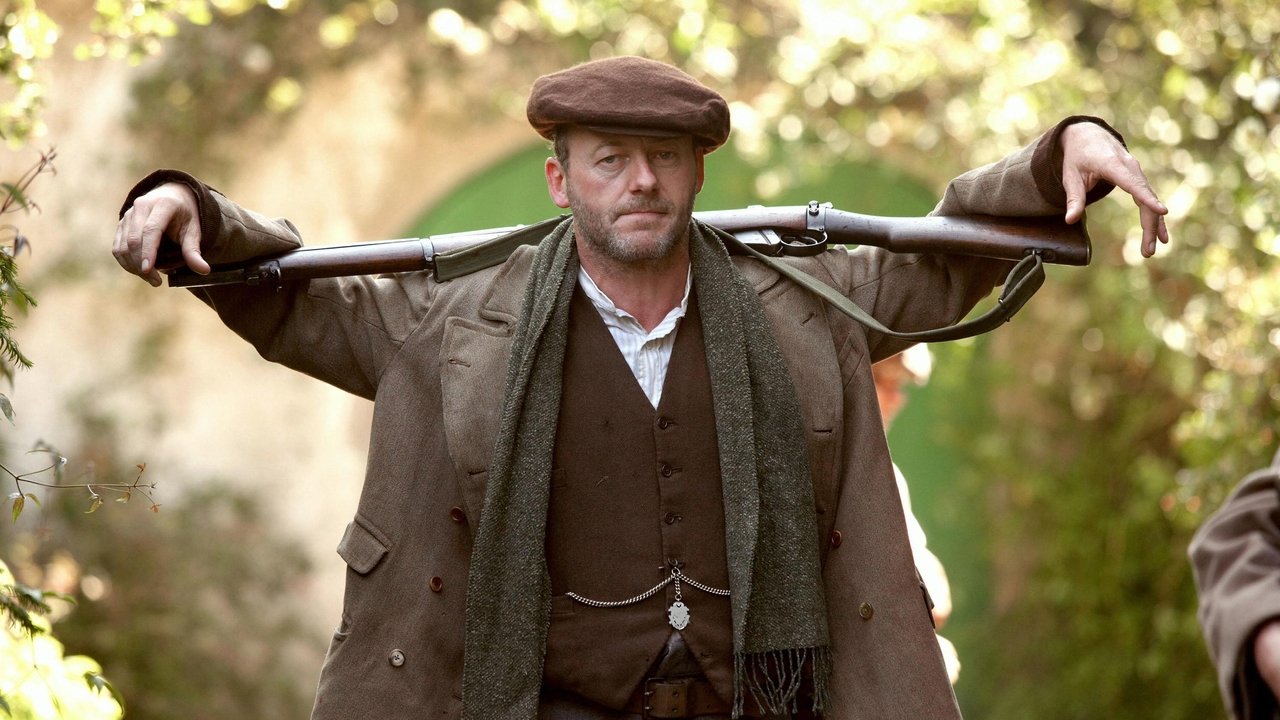
Despite its critical acclaim, the film never quite became a household name in the U.S. It’s a "hard" watch—grim, subtitles-required (those West Cork accents are thick enough to stand a spoon in), and devoid of any feel-good sentimentality. It also features Liam Cunningham (Game of Thrones) in a fantastic supporting role as Dan, a socialist train driver who reminds us that the struggle wasn't just about flags, but about the working class.
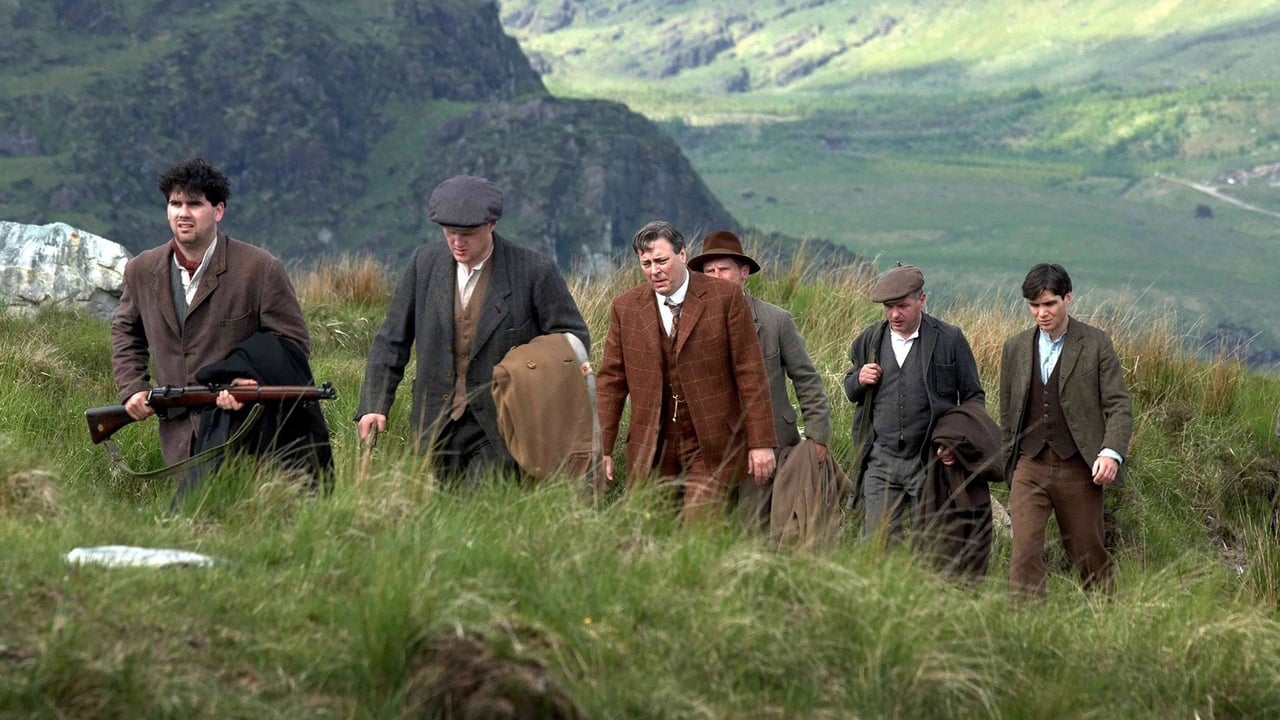
The cinematography by Barry Ackroyd—who would later bring that same frantic, documentary style to The Hurt Locker (2008)—is stunning but bleak. He captures the emerald green of Ireland not as a postcard, but as a muddy, blood-soaked hiding place. It’s beautiful, sure, but it’s a beauty that feels heavy with the weight of the dead.
This is a film that demands your full attention and offers no easy comfort in return. It’s an essential piece of Modern Cinema that reminds us why we tell historical stories: not to celebrate the past, but to understand the scars it left behind. If you can handle the intensity, it's a journey into the heart of what it means to believe in something more than your own survival.
Watching this again, I’m struck by how it hasn't aged a day. The political arguments feel just as urgent, the violence just as shocking, and Cillian Murphy’s performance just as devastating. It’s the kind of movie that stays in your marrow long after you’ve finally turned up the thermostat.

Keep Exploring...
-
A Very Long Engagement
2004
-
Joyeux Noel
2005
-
Black Book
2006
-
The Round Up
2010
-
The Flowers of War
2011
-
Crimson Tide
1995
-
Downfall
2004
-
Hotel Rwanda
2004
-
Letters from Iwo Jima
2006
-
Pan's Labyrinth
2006
-
The Boy in the Striped Pyjamas
2008
-
The Hurt Locker
2008
-

Brothers
2009
-
Incendies
2010
-
Rescue Dawn
2007
-
Defiance
2008
-
Enemy at the Gates
2001
-
Master and Commander: The Far Side of the World
2003
-
The Last Samurai
2003
-
Kingdom of Heaven
2005