Those Happy Days
"Sun, snacks, and three weeks of impending lawsuits."
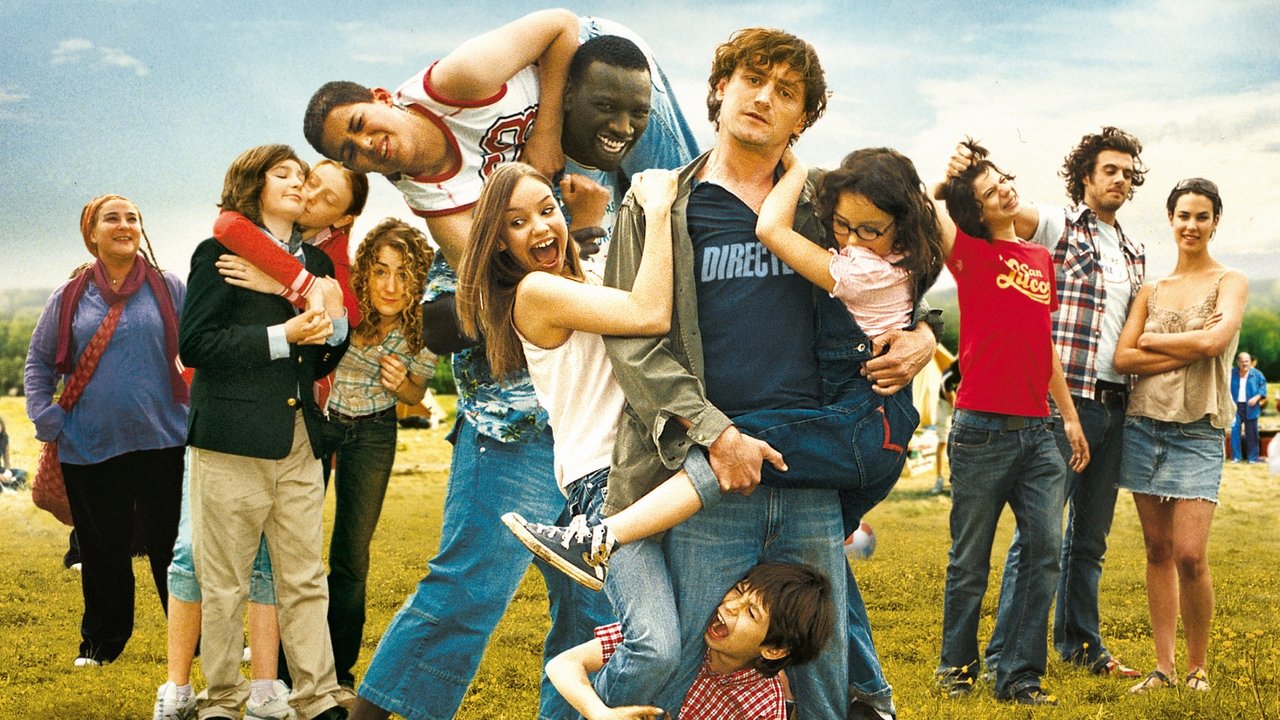
If you’ve ever survived a summer camp—either as a kid or, god forbid, a counselor—you know that paper-thin line between a "formative experience" and a documented crime scene. Most "camp movies" go the route of the raunchy American sex comedy or the slasher flick where Jason is waiting behind the mess hall. But Those Happy Days (Nos jours heureux) captures something far more recognizable and, frankly, more stressful: the sheer, unadulterated chaos of trying to keep eighty children alive in the French countryside.
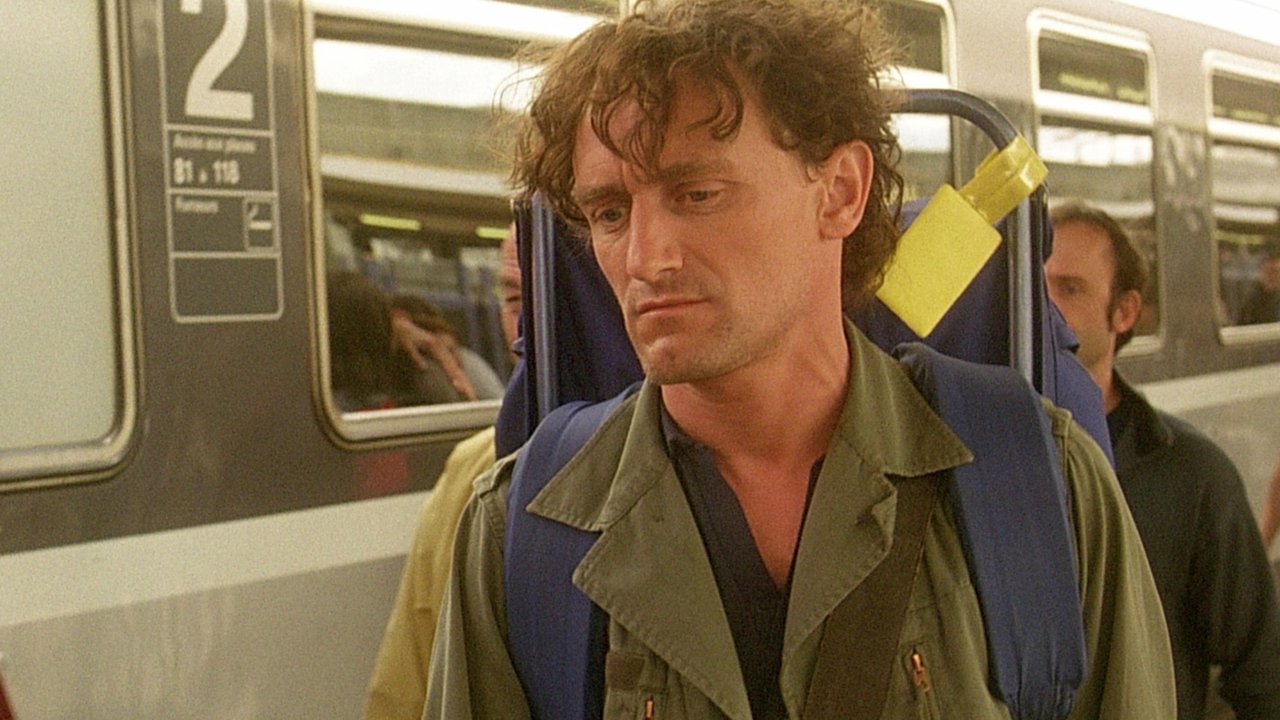
I watched this on a Tuesday night while distractedly trying to fix a leaky kitchen faucet with a wrench that was definitely the wrong size, and honestly, the feeling of "everything is slowly breaking" matched the film’s energy so perfectly that I couldn’t help but lean in.
The Anatomy of a Shambles
Set in 1992, the film follows Vincent (Jean-Paul Rouve), a man who has inherited the Herculean task of managing a colonie de vacances. Vincent is the kind of guy who wants to be the "cool boss" but quickly realizes that between the kid who won't stop crying, the staff member who won't stop sleeping with the other staff members, and the health inspector breathing down his neck, "cool" is a luxury he can't afford. Jean-Paul Rouve, whom you might recognize from La Vie en Rose (2007), plays the escalating panic of middle management with a deadpan perfection that feels like a spiritual precursor to The Office.
What makes the comedy work isn't just the "kids being kids" tropes. It’s the rhythm. Directors Éric Toledano and Olivier Nakache—the duo who would later conquer the world with The Intouchables (2011)—treat comedy like a game of Tetris. They keep dropping new problems into the frame, and just when you think the board is clear, someone loses a suitcase or a counselor has an emotional breakdown in the pantry. The movie treats a missing child at a rest stop with the same frantic energy as a heist movie, and the payoff is usually a punchline that lands with the satisfying thud of a dodgeball to the face.
The Dream Team in Training
While this film remains a bit of a "hidden gem" outside of France, it’s essentially the superhero origin story for the Toledano/Nakache brand of humanistic comedy. You can see them figuring out how to balance heart with slapstick right here. The standout, unsurprisingly, is Omar Sy. Long before he was a global star in Lupin or Jurassic World, he was Joseph, the counselor who is arguably more of a child than the kids he’s supposed to be watching.
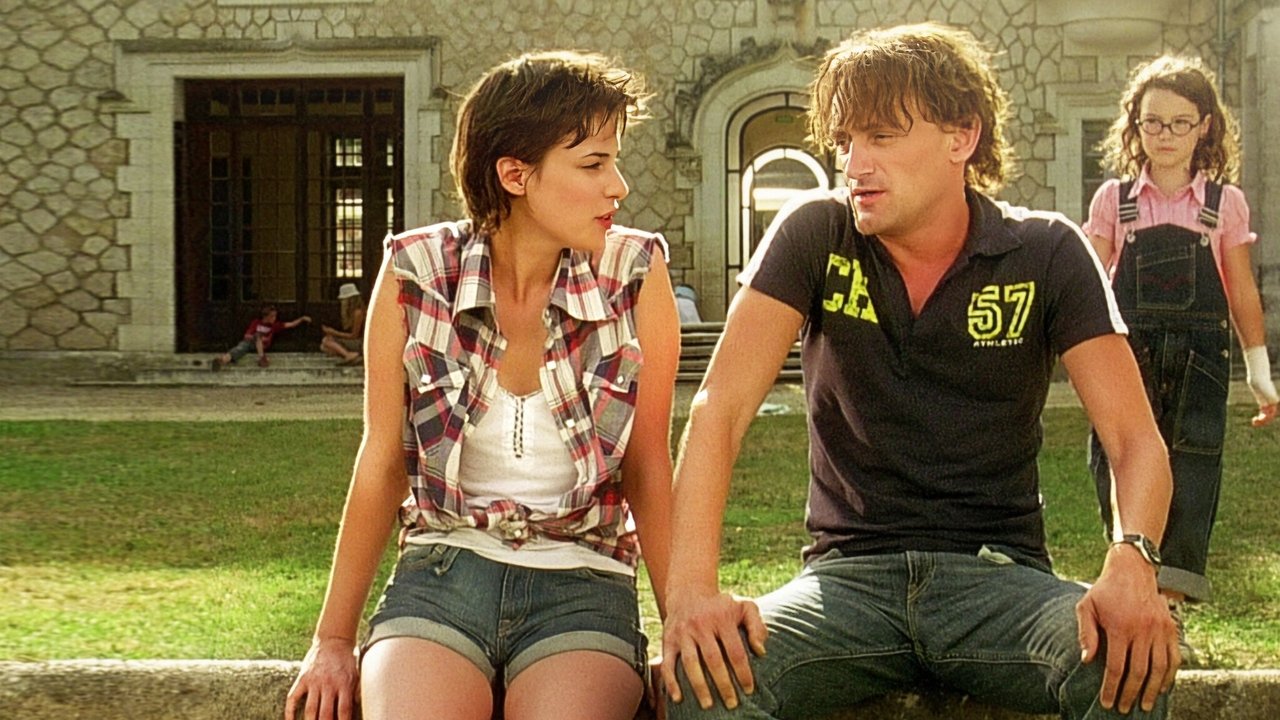
Omar Sy has this effortless, kinetic charisma; he can make a joke about a snack bar feel like a philosophical revelation. His chemistry with the rest of the ensemble—including Marilou Berry as the permanently grumpy Nadine and Lannick Gautry as the "hot guy" Daniel who is about as deep as a suburban birdbath—is what elevates the film. It’s a genuine ensemble piece where even the background kids have specific, annoying, and endearing personalities.
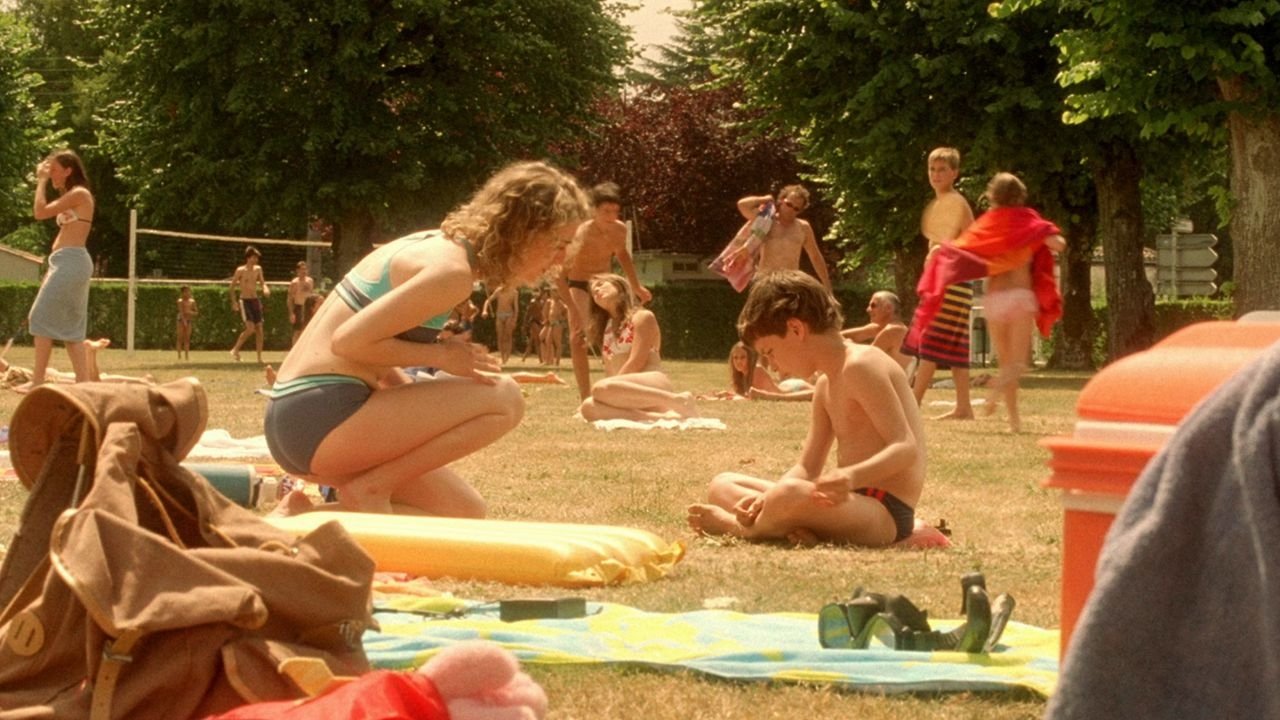
The filmmakers actually spent time as camp counselors themselves, and it shows. There’s a specific brand of "camp logic" on display—the songs that get stuck in your head, the weird hierarchy of the lunchroom, and the way three weeks can feel like three decades. It doesn't fall into the trap of being "too French" for an international audience; the terror of being responsible for someone else's child is a universal language.
A 2006 Look at 1992
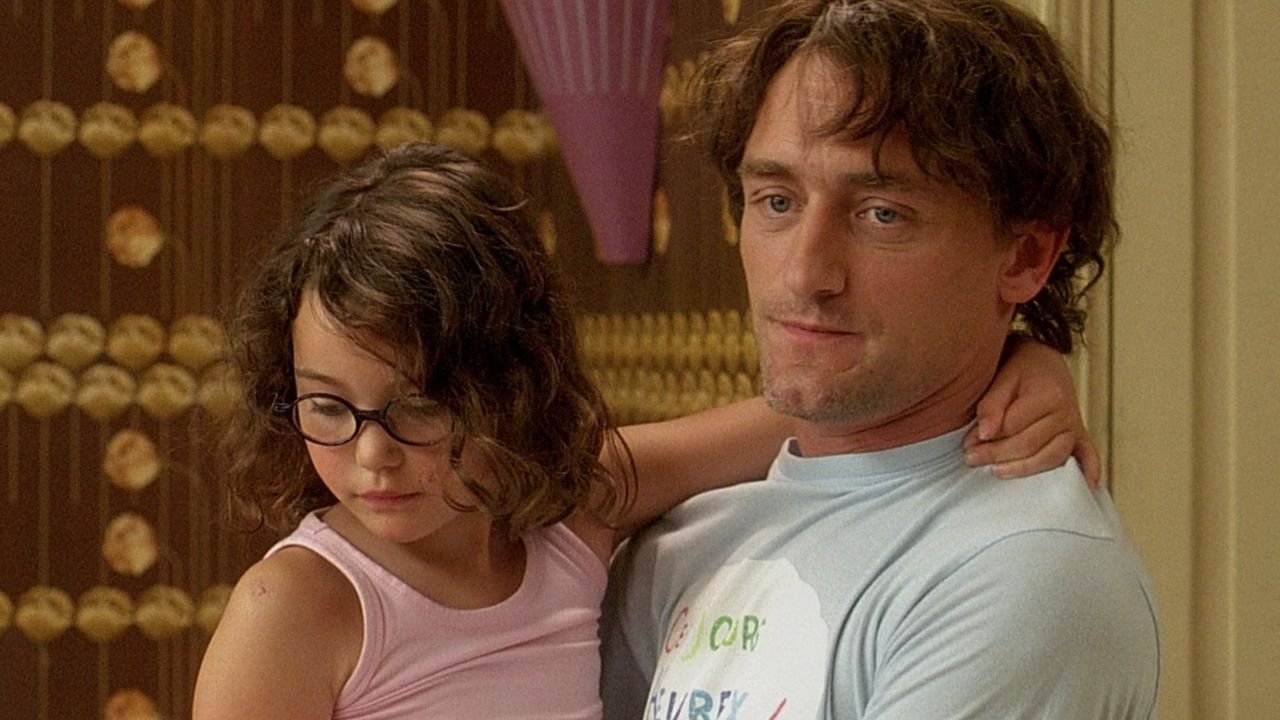
Looking back from our current era of "iPad kids" and constant GPS tracking, Those Happy Days feels like a postcard from a different planet. Because it was made in 2006 but set in 1992, it hits a strange, double-layered pocket of retrospection. It’s a film from the early digital era looking back at the analog era. There are no smartphones to solve problems. When a kid disappears, you can't just track their find-my-phone; you have to actually panic.
The cinematography by Rémy Chevrin (who worked on the visually lush Symphonie en sous-sol) uses a warm, saturated palette that makes the whole thing feel like a slightly overexposed photograph. It avoids the glossy, over-produced look of many mid-2000s comedies, opting instead for a handheld, "lived-in" feel that captures the grime and the glory of a summer in the sun.
The trivia behind the scenes is as charming as the film itself. This was actually a feature-length expansion of their 2002 short film Ces jours heureux. Most directors struggle to stretch a ten-minute idea into a hundred-minute movie, but Toledano and Nakache realized they had too many stories to tell. They reportedly had to cut several subplots because the original script was basically a Russian novel about bug bites and bad food.
Those Happy Days isn't trying to redefine the cinematic language or win a Palme d'Or. It’s a film that knows exactly what it is: a warm, loud, slightly chaotic hug. It’s a reminder that even when everything is going wrong—when the bus is late, the food is grey, and you’ve lost your dignity in a costume contest—these are the moments you’ll actually remember. If you’ve ever wanted to revisit your youth without the actual trauma of poison ivy, this is the one to track down. It’s a comedy with a high hit-to-miss ratio that proves the best stories usually come from the biggest disasters.
Keep Exploring...
-
The Intouchables
2011
-
Samba
2014
-
The Triplets of Belleville
2003
-
A Monster in Paris
2011
-
Holes
2003
-

Ella Enchanted
2004
-

Ice Princess
2005
-
Aquamarine
2006
-
Diary of a Wimpy Kid: Rodrick Rules
2011
-

The Tuche Family
2011
-
Winnie the Pooh
2011
-
C'est la vie!
2017
-
Asterix: The Mansions of the Gods
2014
-
Osmosis Jones
2001
-
Looney Tunes: Back in Action
2003
-

Barbie as The Princess & the Pauper
2004
-
Mickey, Donald, Goofy: The Three Musketeers
2004
-
Kronk's New Groove
2005
-
Lilo & Stitch 2: Stitch Has a Glitch
2005
-
Shrek the Halls
2007