Underworld: Evolution
"Ancient bloodlines meet modern ballistics."
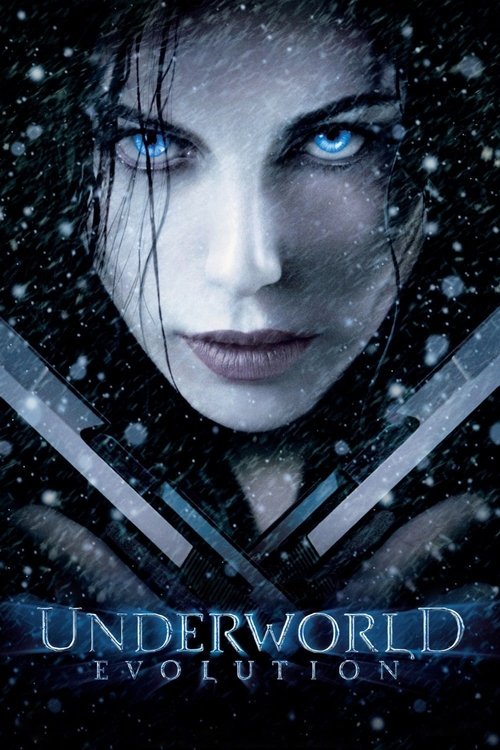
The year 2006 was a strange, transitional peak for the "leather and chrome" aesthetic. We were firmly entrenched in a post-Matrix hangover where every action hero needed a floor-length duster and a monochromatic color grade that made the entire world look like it was filmed through a bottle of Blue Curaçao. I watched Underworld: Evolution recently on a flickering secondary monitor while my cat was aggressively trying to eat my shoelaces, and honestly, that chaotic energy felt perfectly in sync with what director Len Wiseman was putting on screen.
This is a sequel that picks up roughly ten minutes after the first film ended, a move that felt bold in the mid-2000s before every franchise became a serialized TV show in disguise. It’s a relentless, gore-soaked expansion of the vampire-versus-werewolf lore that managed to turn a $50 million budget into a film that looks twice as expensive as it actually is. It’s also a movie where Scott Speedman looks like he’s perpetually trying to remember where he parked his car, which adds a weirdly relatable layer to his "tormented hybrid" routine.
The Gospel of Blue and Latex
The first thing that hits you—and I mean really hits you—is the atmosphere. This is the zenith of the Screen Gems era, where style didn't just support the substance; it consumed it. Len Wiseman (who later brought that same slickness to Live Free or Die Hard) understands the visual language of the mid-2000s better than almost anyone. The cinematography by Simon Duggan (who worked on I, Robot) is so consistently blue that when a drop of actual red blood hits the floor, it feels like a jump-scare for your retinas.
At the center of it all is Kate Beckinsale as Selene. Looking back, it’s easy to forget how much she anchored this franchise. While the script by Danny McBride (the genre veteran, not the Eastbound & Down comedian) is basically a high-budget music video for a band that only plays at 2 AM in a basement, Beckinsale plays it with such dead-serious conviction that you buy into the nonsense. She isn't just an action lead; she’s a silent-film star who happens to carry two Berettas. Her performance is all about the silhouette and the stare, and in the era of early digital dominance, her physical presence kept the movie from feeling like a video game cutscene.
Practical Monsters in a Digital Dawn
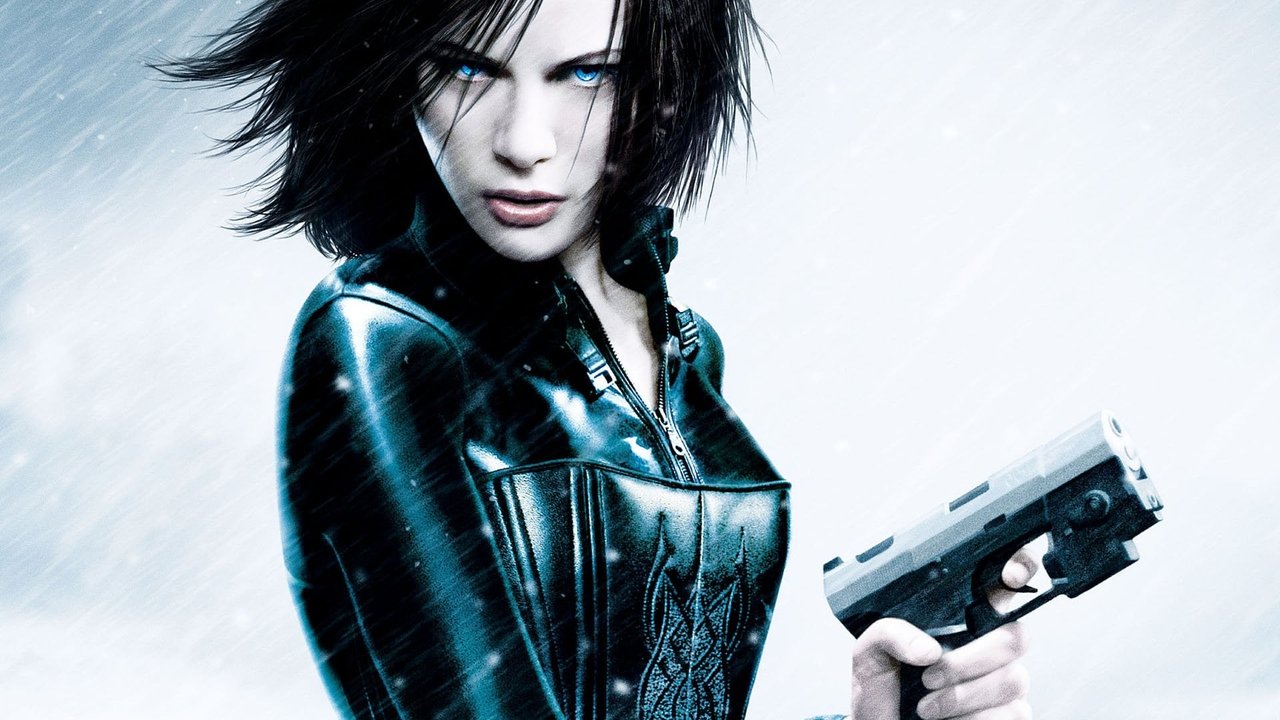
One aspect of Underworld: Evolution that deserves a serious reassessment is the balance between practical effects and CGI. We were in that "wild west" period of digital effects where studios were getting over-confident with pixels, yet Wiseman leaned heavily into the creature shop magic of Patrick Tatopoulos. The Lycans—the series' werewolves—actually have weight. When they snarl, you see the mechanics of the suits working, and it gives the action a "crunch" that is sorely missing from the weightless CGI mobs of modern superhero cinema.
The introduction of Marcus Corvinus, played by the perpetually underrated Tony Curran (Blade II), is a masterclass in 2006 creature design. Marcus is a vampire elder with giant, leathery bat wings that have talons on the tips. Apparently, the makeup process for Curran was a grueling multi-hour ordeal, and you can see that physical discomfort translated into a genuinely menacing performance. He’s not just a guy in a suit; he’s a biological nightmare.
Then you have the legendary Derek Jacobi as Alexander Corvinus, the immortal father of both races. Seeing a Shakespearean heavyweight like Jacobi sharing screen time with a winged Tony Curran on a boat is the kind of high-low art collision that makes cult cinema so delicious. It’s camp, yes, but it’s played with such Shakespearean gravity that you almost forget you’re watching a movie about a guy who turns into a giant bat-man.
The DVD Era Longevity
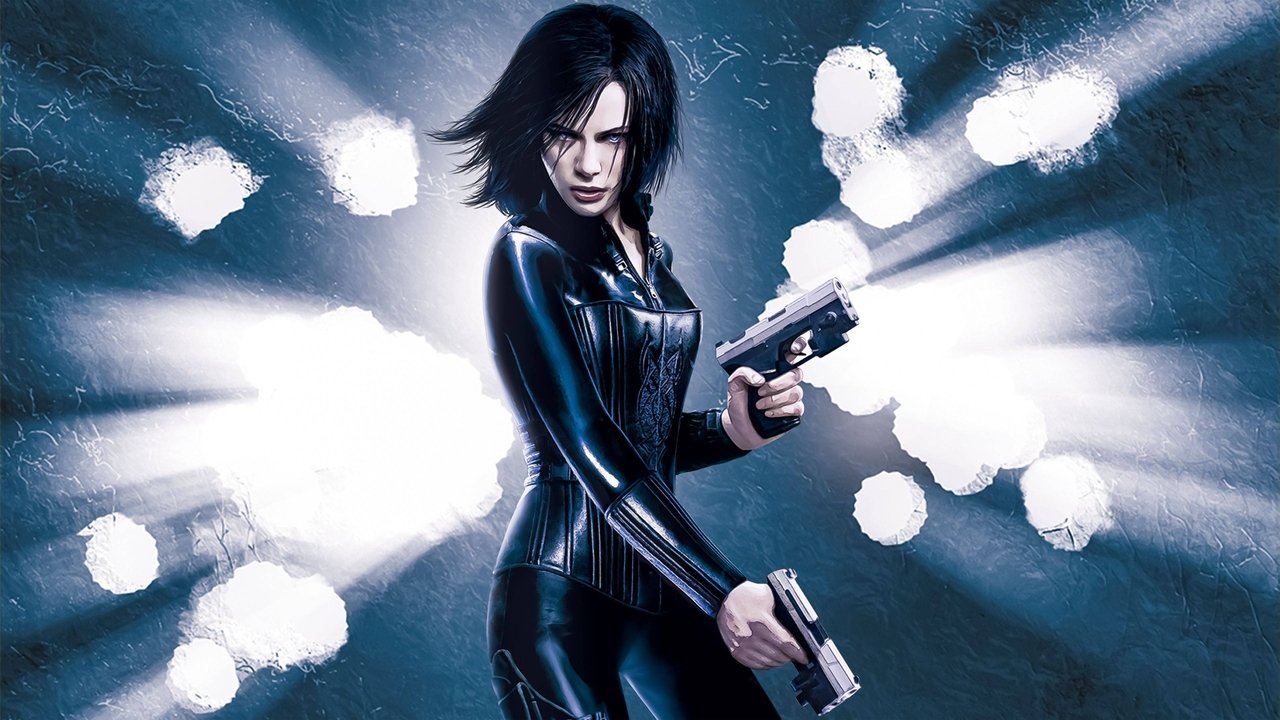
There is a reason this film, and the Underworld collection as a whole, became such a staple of the DVD era. This was the go-to disc for anyone who just bought a new surround-sound system in 2006 and wanted to blow their neighbors' ears out. The sound design—the wet slap of the transformations, the heavy thud of the gunshots, and Marco Beltrami’s driving score—was designed to be loud and immersive.
The action choreography, handled by a dedicated second unit, leans into the "superhero" physics of the time. There’s a chase sequence involving a truck and a winged Marcus that remains a genuine thrill. It’s messy, it’s fast, and it uses practical stunts to ground the more fantastical elements. While the plot tries to weave a complex web of "who betrayed whom" involving Bill Nighy’s Viktor (seen in flashbacks) and Shane Brolly’s Kraven, the movie is at its best when it stops talking and starts breaking things. The script makes about as much sense as a set of IKEA instructions written in Latin, but it doesn't matter when the momentum is this high.
Ultimately, Underworld: Evolution is a relic of a time when mid-budget action movies were allowed to be weird, dark, and obsessively committed to a specific subculture. It’s a film that knows exactly what it is: a gothic soap opera with a high-velocity ammunition count. It doesn't have the "prestige" of modern elevated horror, but it has more personality in its left pinky than most of the assembly-line blockbusters we see today. If you can handle the relentless blue tint and the occasionally clunky 2006 CGI, it’s a trip back to a very specific, very leather-clad moment in cinema history.

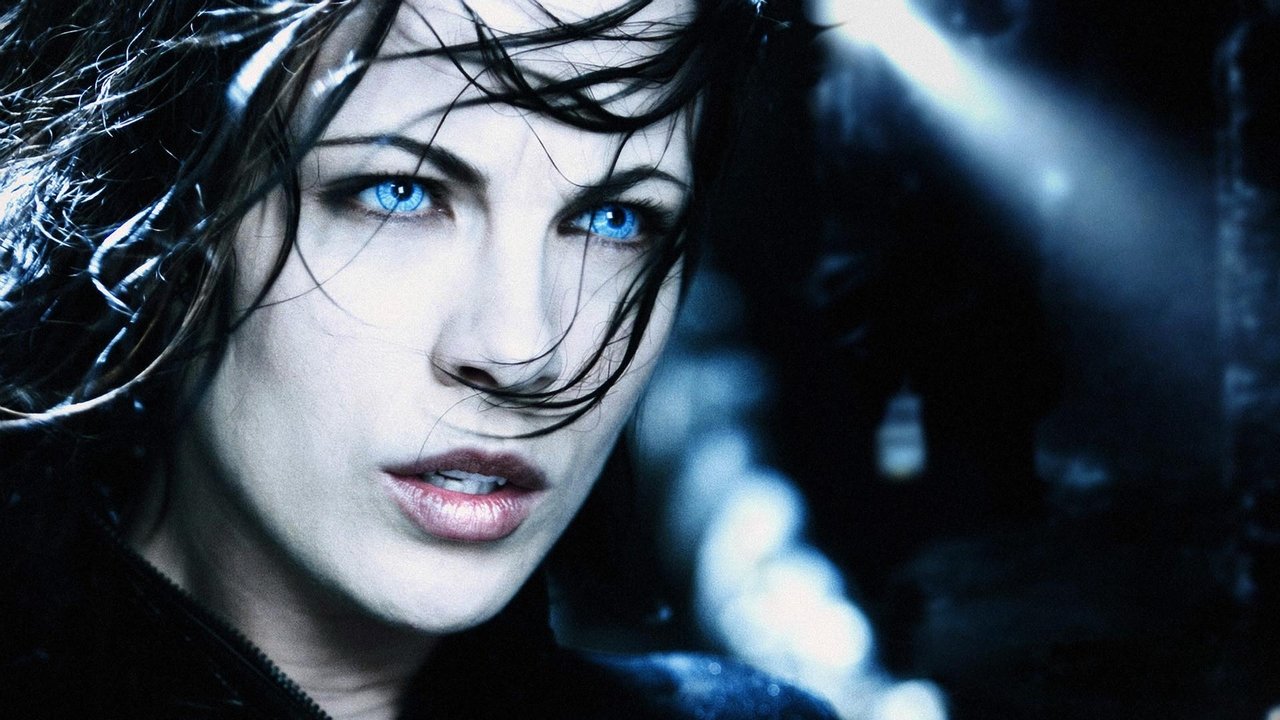
Keep Exploring...
-
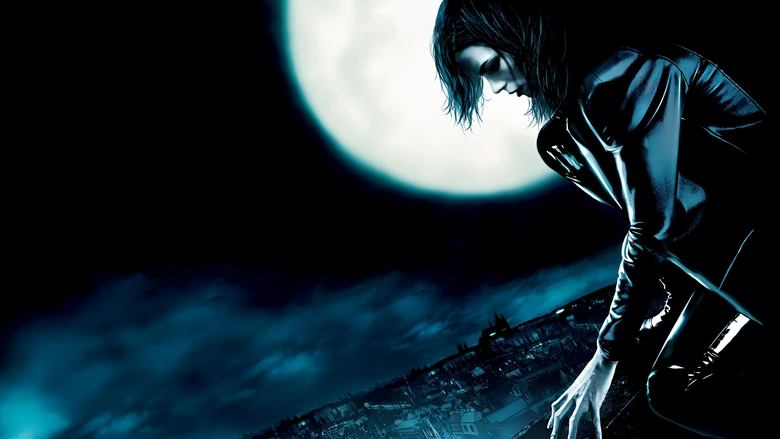
Underworld
2003
-
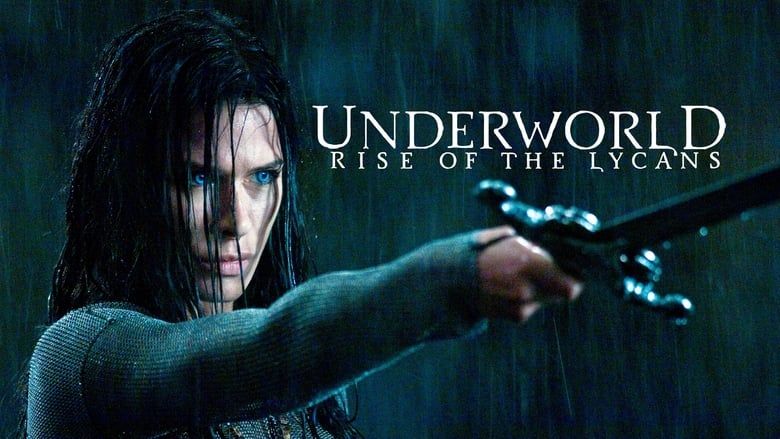
Underworld: Rise of the Lycans
2009
-
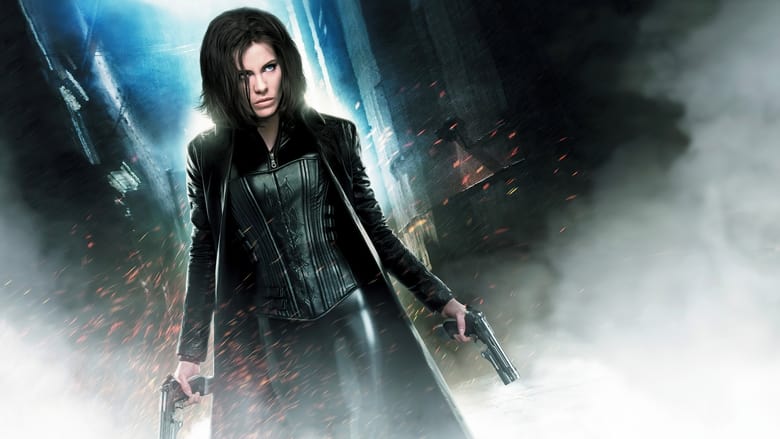
Underworld: Awakening
2012
-

Underworld: Blood Wars
2016
-
Total Recall
2012
-
The League of Extraordinary Gentlemen
2003
-

Blade II
2002
-
Live Free or Die Hard
2007
-
Sucker Punch
2011
-
The Brothers Grimm
2005
-
Final Fantasy: The Spirits Within
2001
-
Hellboy
2004
-
Race to Witch Mountain
2009
-
Ghost Rider
2007
-
Cirque du Freak: The Vampire's Assistant
2009
-
Lara Croft: Tomb Raider
2001
-
Spy Game
2001
-
Swordfish
2001
-
The Tuxedo
2002
-

Lara Croft: Tomb Raider - The Cradle of Life
2003