United 93
"Terror met its match in the Pennsylvania sky."
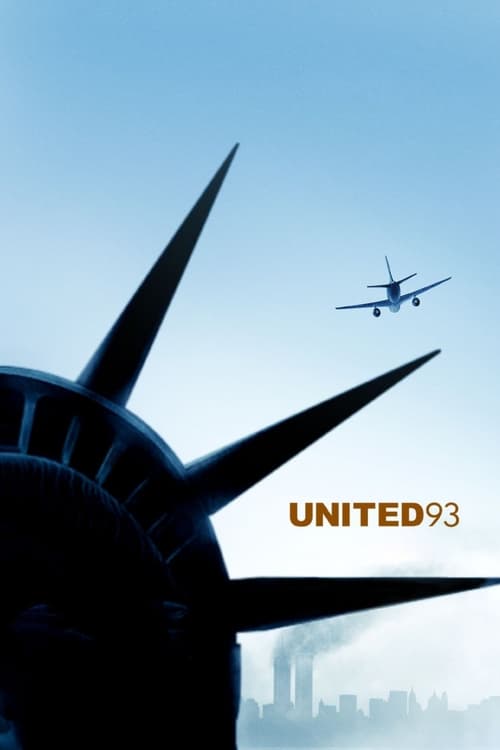
On the morning of September 11, 2001, the world didn't change with a cinematic explosion; it changed through a series of confused phone calls, radar glitches, and the slow, agonizing realization that the horizon was no longer safe. I’ve always found that the most haunting part of Paul Greengrass’s United 93 isn't the final, desperate struggle for the cockpit, but the first forty minutes of bureaucratic static. It captures a specific brand of "modern" chaos—the kind where technology fails us just as we need it most.
I remember watching this for the first time on a flight from London to New York in 2008, which was a spectacularly poor life choice. Every time the seatbelt sign chimed, I felt my heart climb into my throat. Even on a tiny, low-resolution screen, the film’s relentless, documentarian energy felt less like a movie and more like a haunting.
The Art of the Ordinary
When Paul Greengrass (The Bourne Supremacy, Captain Phillips) announced he was making a film about Flight 93 only five years after the attacks, the backlash was deafening. "Too soon" was the rallying cry. But looking back from nearly two decades later, the film’s proximity to the event is its greatest strength. It isn't polished by the passage of time or distorted by political hindsight. It is a raw, jagged piece of history.
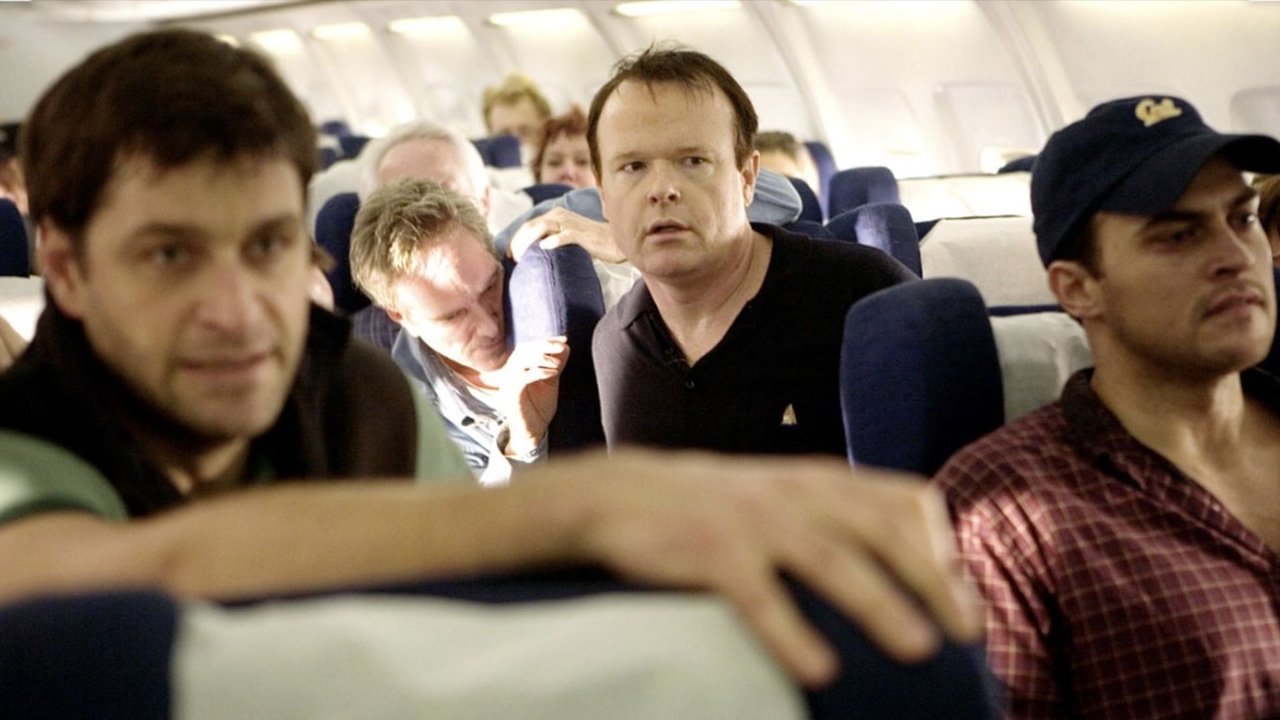
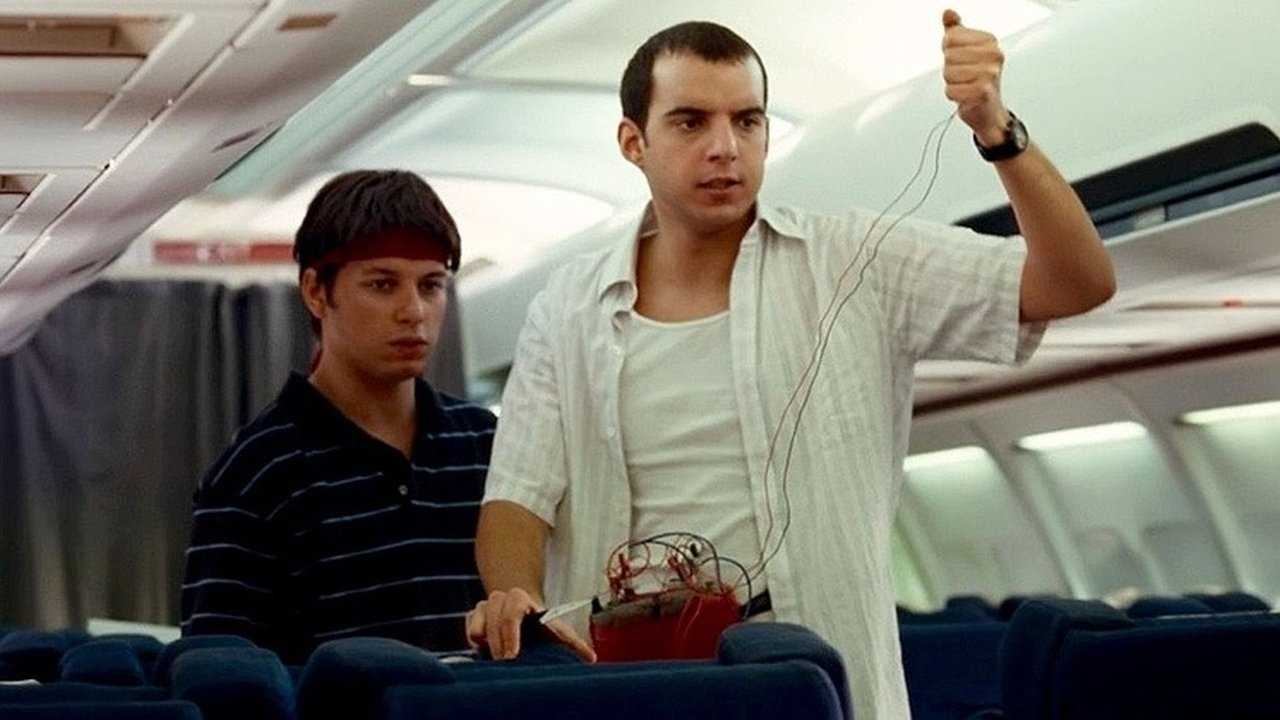
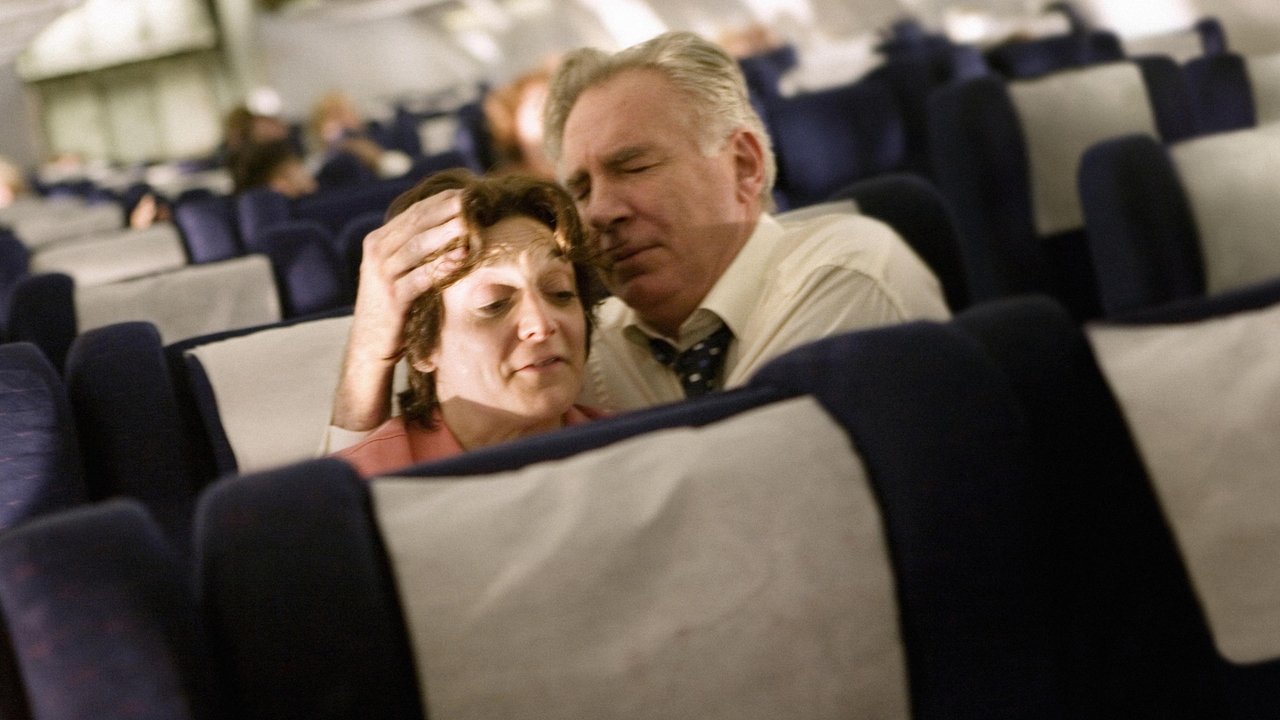
Greengrass and cinematographer Barry Ackroyd (The Hurt Locker) chose to shoot in a handheld, almost intrusive style. The camera doesn't provide the comfort of a steady wide shot; it huddles in the galley with the flight attendants and vibrates with the tension in the FAA control rooms. The casting is equally brilliant because it is invisible. By avoiding A-list stars, Greengrass ensures we never see a "hero." We see people. J.J. Johnson as Captain Dahl and Gary Commock as First Officer LeRoy Homer don't look like movie leads; they look like the guys you see getting coffee in the terminal at 6:00 AM. The lack of recognizable faces is the film's most effective special effect, stripping away the "Hollywood" safety net and making the eventual violence feel terrifyingly personal.
Chaos in the Control Room
One of the most fascinating choices Greengrass made was casting actual participants from that day. Ben Sliney, the FAA’s National Operations Manager, plays himself. On September 11, it was his first day on the job, and the film captures his transition from routine management to the man who made the unprecedented call to ground every plane in American airspace.
Watching the ground-level perspective is a masterclass in mounting dread. We see the controllers in Boston and New York staring at "ghost" targets on their screens, trying to reconcile the cold data with the frantic voices coming over the radio. There is no soaring score here—John Powell’s music stays rhythmic and low, a ticking clock that you feel in your marrow rather than hear with your ears. The film treats the hijackers with a similarly chilling detachment. Lewis Alsamari and his co-stars aren't portrayed as mustache-twirling villains, but as young men fueled by a terrifying, quiet fervor. By keeping the "passengers" and "hijackers" in separate hotels during production, Greengrass ensured that the first time they interacted was during the filming of the takeover, and that genuine sense of shock bleeds through the lens.
The Messy Reality of Heroism
The final act of United 93 is where the "Action" genre tag becomes somber. This isn't the choreographed ballet of a John Wick film; it is a claustrophobic, ugly, and frantic scuffle. When the passengers, led by figures like Trish Gates as Sandra Bradshaw and Opal Alladin as CeeCee Lyles, decide to fight back, it isn't a moment of triumph. It is a moment of sheer, terrifying necessity.
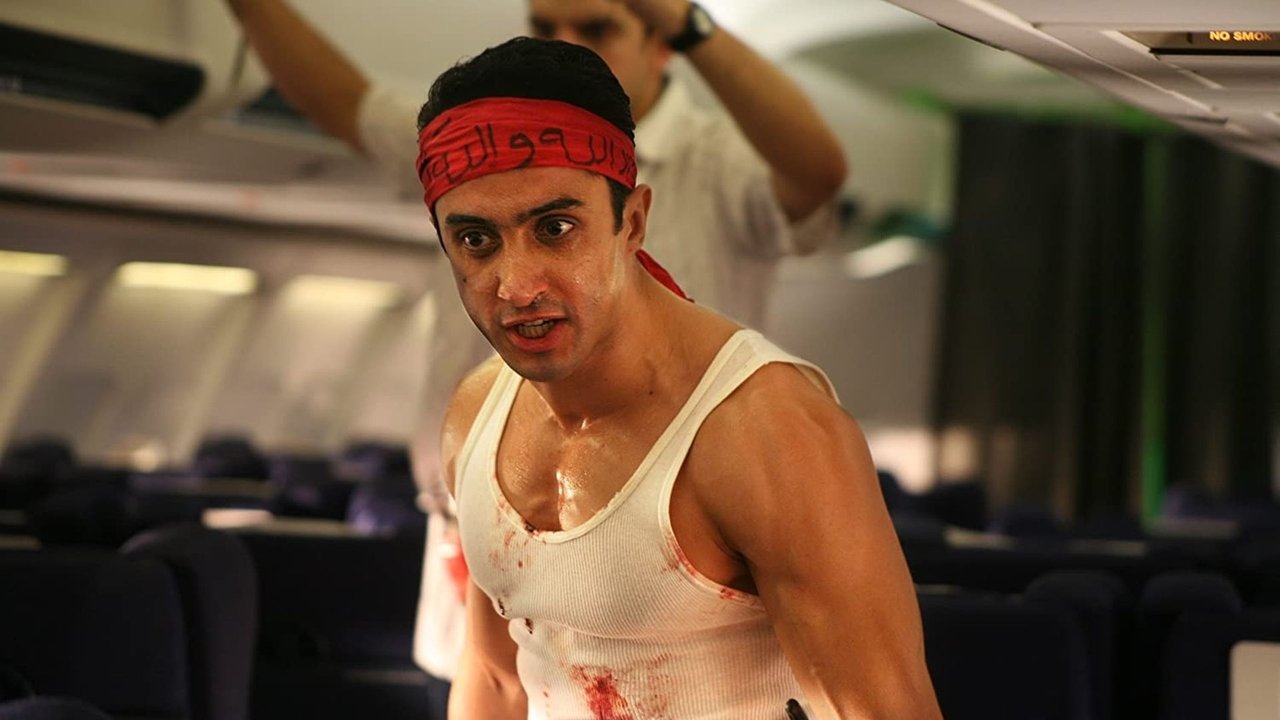
I was struck by how "analog" the rebellion feels. They use a food cart as a battering ram. They use boiling water and plastic knives. It’s a reminder of the physical reality of that era—before the total digital immersion we live in now, survival came down to what you could reach with your hands. The editing in these final moments is breathless, but Greengrass never loses the geography of the plane. You know exactly how far they are from the cockpit door, and you feel every inch of that narrow aisle.
United 93 is a difficult watch, and it should be. It refuses to offer the "catharsis" that most 2000s-era action films provided. There is no slow-motion explosion at the end, no final quip. It ends with a sudden, violent cut to black that leaves you sitting in a silence that feels heavy enough to crush you. It is a film that honors the dead not by making them larger than life, but by showing exactly how human they were in their final hour.
This is a monumental achievement in tension and historical recreation. It bypasses the sentimentality that often plagues "based on a true story" dramas and replaces it with a relentless, respectful focus on the facts of the struggle. It’s a film that demands your full attention and, long after the credits roll, refuses to give it back. If you have the emotional bandwidth for it, it remains one of the most essential pieces of cinema from the early 21st century.
Keep Exploring...
-
22 July
2018
-
The Count of Monte Cristo
2002
-
Undisputed II: Last Man Standing
2006
-
Infernal Affairs
2002
-
The Bourne Supremacy
2004
-
The Protector
2005
-
The Bourne Ultimatum
2007
-
Mesrine: Killer Instinct
2008
-
Mesrine: Public Enemy #1
2008
-
Batman: Year One
2011
-
Confessions of a Dangerous Mind
2002
-
In the Valley of Elah
2007
-
Street Kings
2008
-
Munich
2005
-
Felon
2008
-

Blood and Bone
2009
-
Undisputed III: Redemption
2010
-

Captain Phillips
2013
-
Before the Devil Knows You're Dead
2007
-
The Hunted
2003