V for Vendetta
"Ideas are bulletproof."
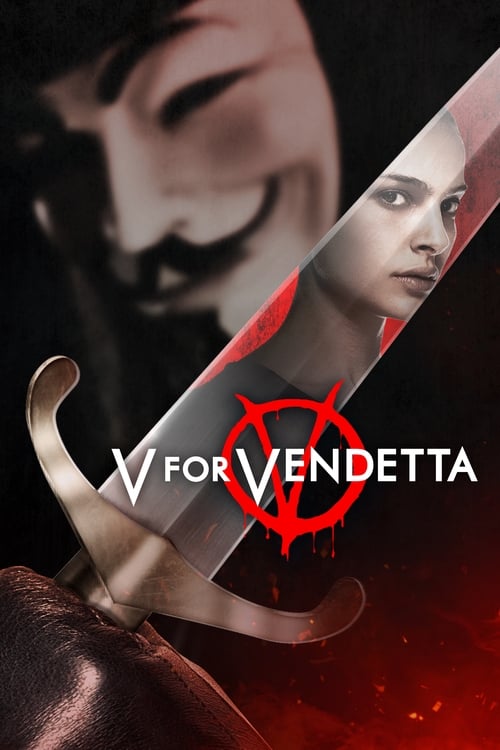
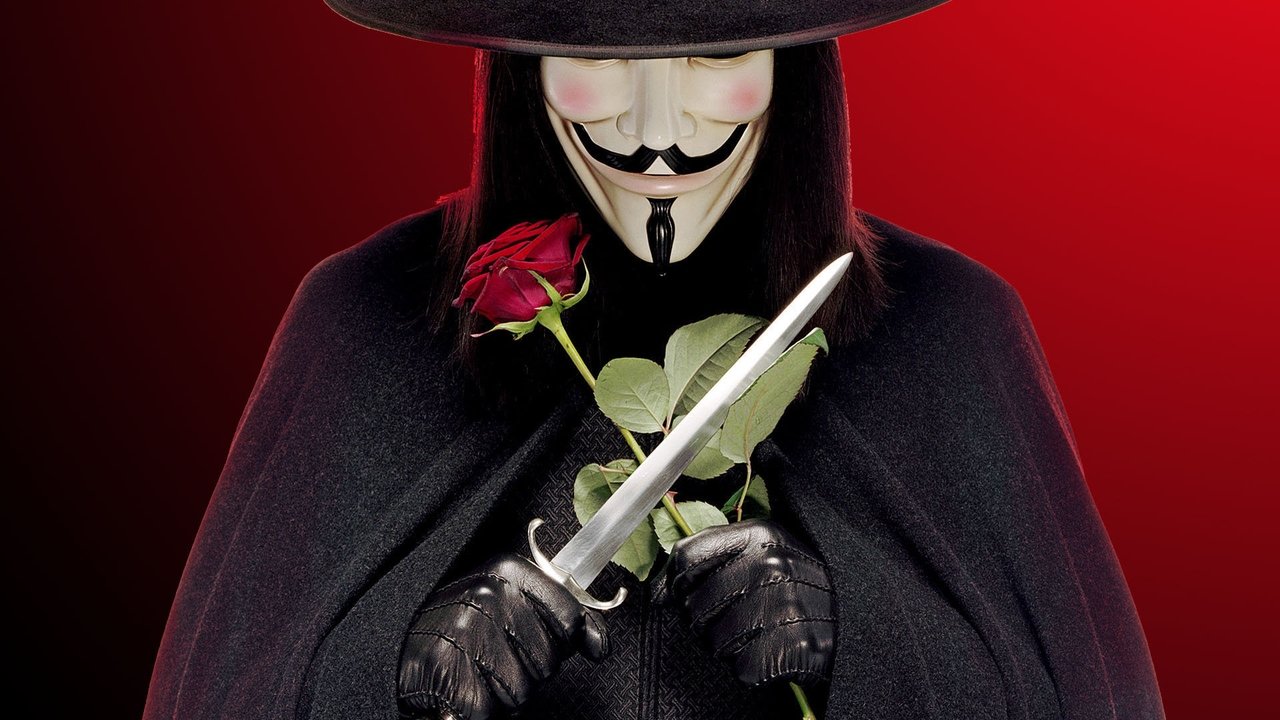
The Guy Fawkes mask is currently the most recognizable piece of plastic in the world, appearing at every protest from Zuccotti Park to the streets of Hong Kong, but in 2006, it was just a daring piece of character design for a movie that felt like a Molotov cocktail thrown at the box office. When I sat down to rewatch this on a laptop with a screen so smudged I thought Hugo Weaving had a permanent coffee stain on his mask, I was struck by how much the film has transitioned from a stylized thriller into a piece of modern folklore. Directed by James McTeigue and written by Lana Wachowski and Lilly Wachowski, V for Vendetta arrived in a post-9/11 world that was vibrating with anxiety, and it didn't just reflect that tension—it weaponized it.
A Masterclass in Restricted Performance
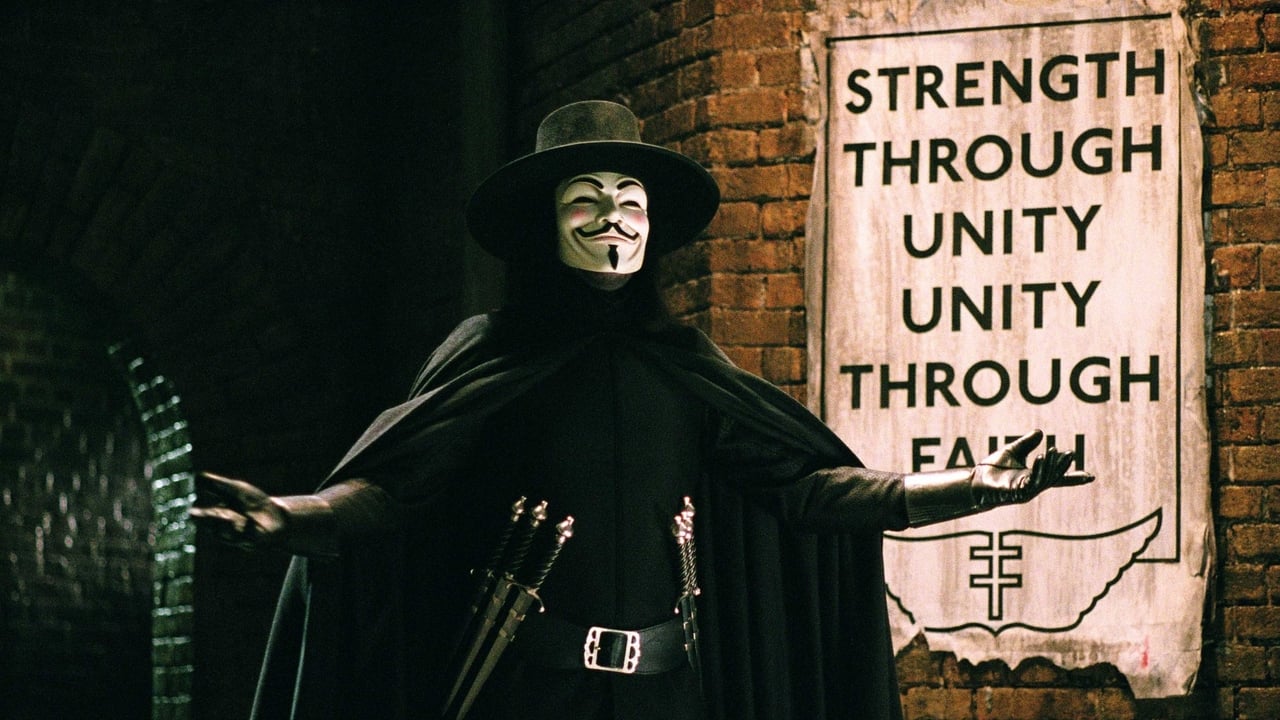
The biggest gamble of the film isn't the political subtext; it’s the fact that the lead actor never shows his face. Hugo Weaving delivers a performance that should be studied in every acting school. Without the benefit of facial expressions, he relies entirely on his theatrical, booming voice and a series of precise, almost balletic movements. It’s a performance that could have easily slid into campy "thee and thou" territory, but Weaving finds the humanity in the plastic. He makes V feel like a ghost haunting a machine.
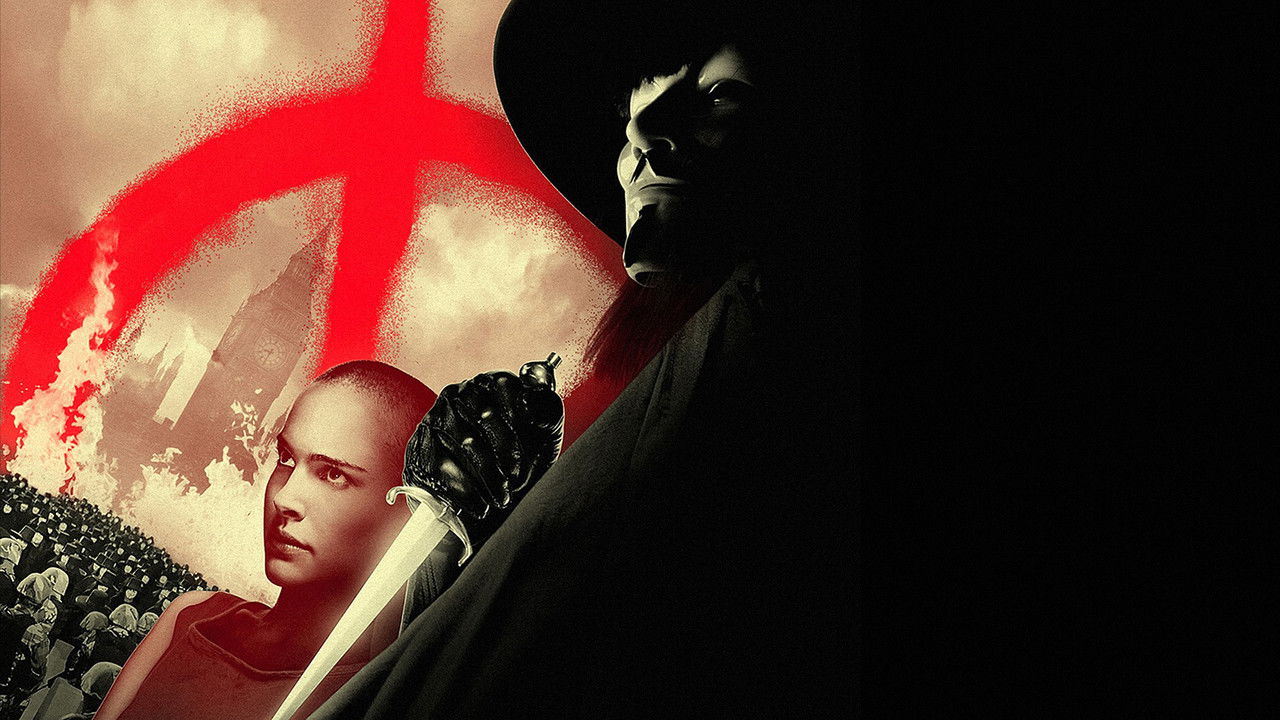
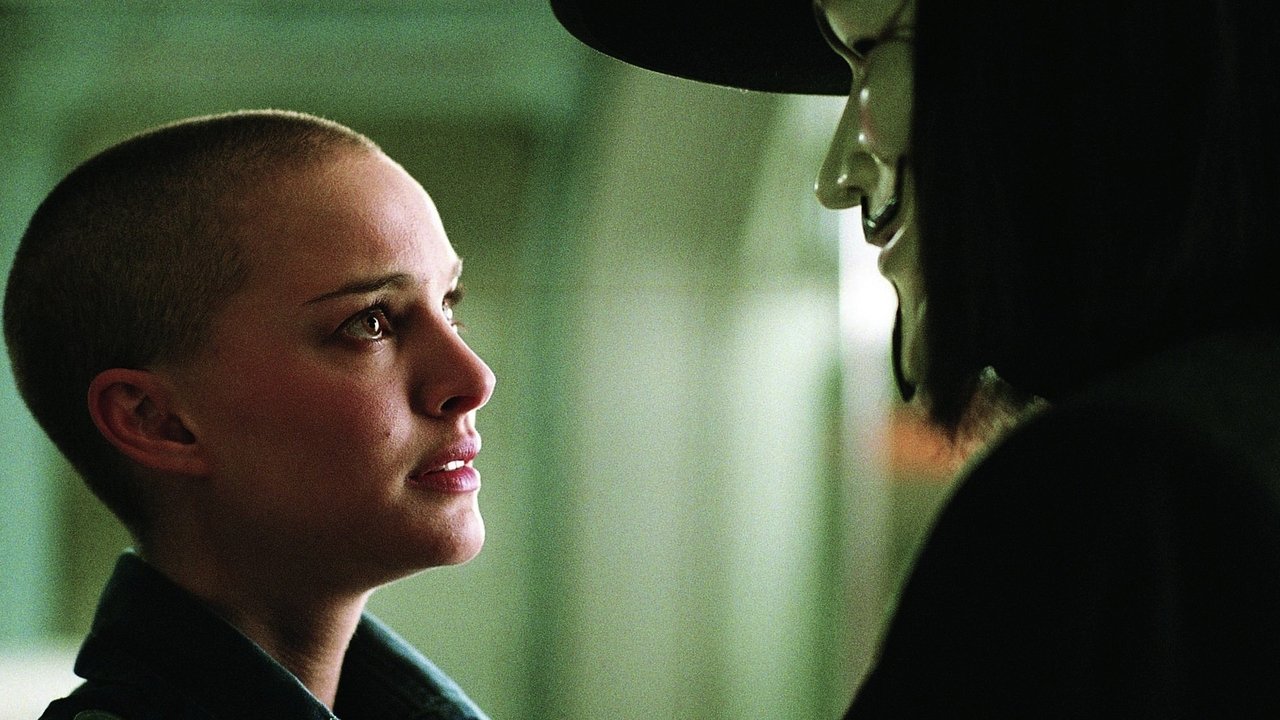
Opposite him, Natalie Portman as Evey provides the necessary emotional tether. Her transformation from a terrified citizen to a shaved-head revolutionary is the film’s true engine. Apparently, Natalie Portman was so committed to the role that she actually had her head shaved on camera in a single take—there were no "do-overs" for that level of vulnerability. I found myself focusing on her eyes during that scene; the fear there isn't just acting, it’s the raw reality of a woman shedding her identity in real-time. It’s the kind of commitment that prevents the film from feeling like a hollow exercise in Wachowski-style "cool."
The Sharp Edge of the Wachowski Style
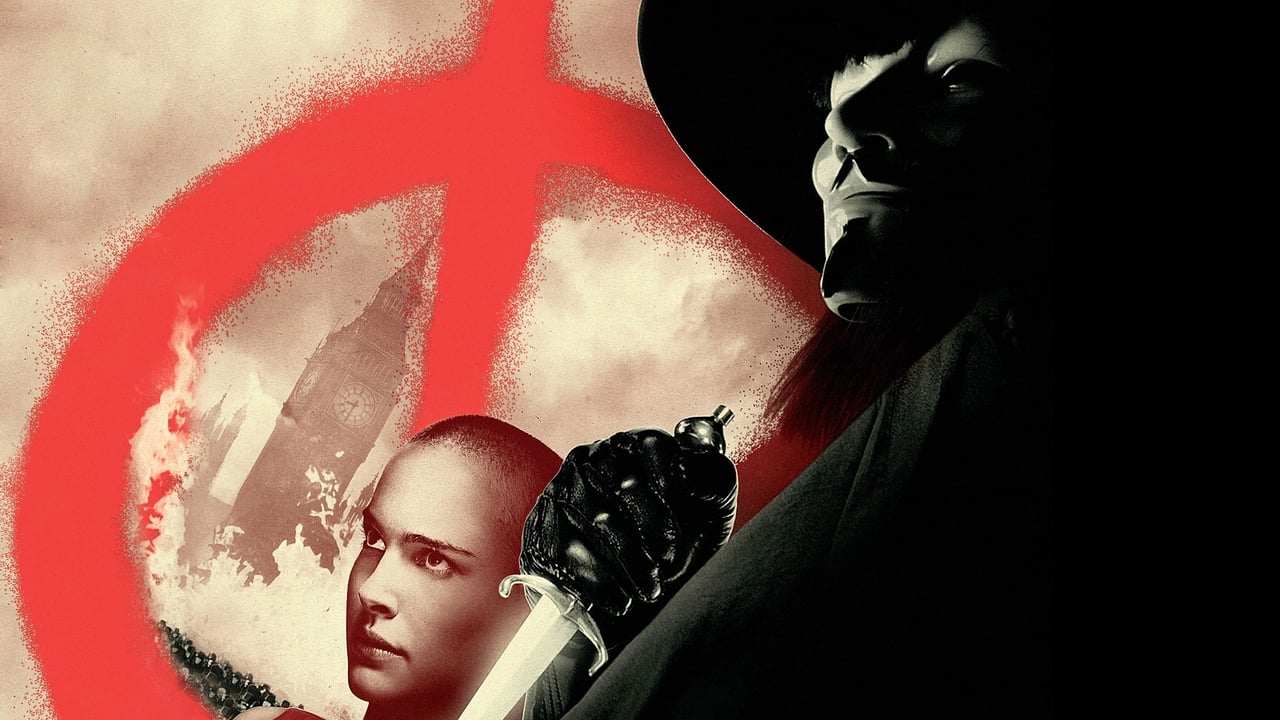
Speaking of the Wachowskis, their fingerprints are all over the screenplay. You can see the DNA of The Matrix in the way the action is choreographed, though it’s far grittier here. The finale in the London Underground is essentially a high-budget Goth musical where the songs are replaced by knife fights. The slow-motion "bullet time" has been replaced by "knife time," with streaks of silver following V’s blades. It’s stylized, yes, but it feels heavy. Every hit has a visceral thud to it that reminds you this isn't a digital simulation—it’s a revolution.
The film also makes a brilliant choice in casting John Hurt as the fascist High Chancellor Adam Sutler. For those who know their cinema history, it’s a delicious bit of irony; John Hurt played the victim of a totalitarian state in the 1984 film adaptation of 1984. Seeing him move from the man being crushed by Big Brother to the man acting as Big Brother provides a layer of meta-commentary that I absolutely adore. It highlights the film’s obsession with how power cycles through history.
The Cult of the Fifth of November
What’s fascinating about V for Vendetta is how it was received versus how it lives now. At the time, critics were split; some found it overly simplistic, while others were unnerved by its sympathetic portrayal of a man who is, by definition, a terrorist. The film’s release was even delayed because of the 7/7 London bombings, as the marketing campaign involving a blown-up Parliament felt a little too close to reality.
But the fans didn’t care about the controversy. They turned it into a cult phenomenon. I remember seeing the mask start to pop up in real-world political movements shortly after the DVD release. It’s one of the few times a movie prop has successfully jumped the fence into the real world and stayed there. There’s a scene where V tips over a massive arrangement of 22,000 dominoes to form his signature "V" logo. It took four professional domino assemblers 200 hours to set that up, and it’s a perfect metaphor for the film itself: a meticulously crafted series of small moments that lead to a massive, inevitable collapse of the status quo.
The supporting cast, particularly Stephen Rea as the weary Detective Finch and Stephen Fry as the rebellious talk-show host Deitrich, add layers of "grey" to a world that could have been strictly black and white. Stephen Fry, in particular, brings a warmth and wit to the film that makes the eventual darkness feel much more painful.
V for Vendetta isn't perfect—some of the CGI knife effects have aged into that slightly "rubbery" look typical of the mid-2000s, and the political metaphors are about as subtle as a brick to the teeth. However, its ambition is undeniable. It’s a rare blockbuster that asks the audience to think about the nature of consent and the price of security. I left the rewatch feeling that while the technology has changed, the questions the film asks are louder than ever. It’s a stylish, heavy, and ultimately hopeful film that reminds me why I love the "Modern Cinema" era: it was a time when studios were still willing to take a $50 million gamble on a story where the hero is a masked anarchist who quotes Shakespeare while stabbing people.
Keep Exploring...
-

The Matrix Reloaded
2003
-
Equilibrium
2002
-
Serenity
2005
-
Children of Men
2006
-

Starship Troopers
1997
-
Minority Report
2002
-
The Matrix Revolutions
2003
-
Rise of the Planet of the Apes
2011
-
Man on Fire
2004
-
Munich
2005
-
Blood Diamond
2006
-
Shooter
2007
-
Terminator 2: Judgment Day
1991
-
9
2009
-
The Hunger Games
2012
-
Dawn of the Planet of the Apes
2014
-
The Butterfly Effect
2004
-

Star Trek VI: The Undiscovered Country
1991
-
Star Trek: First Contact
1996
-
Batman Beyond: Return of the Joker
2000