When a Stranger Calls
"The call is coming from inside the architecture."
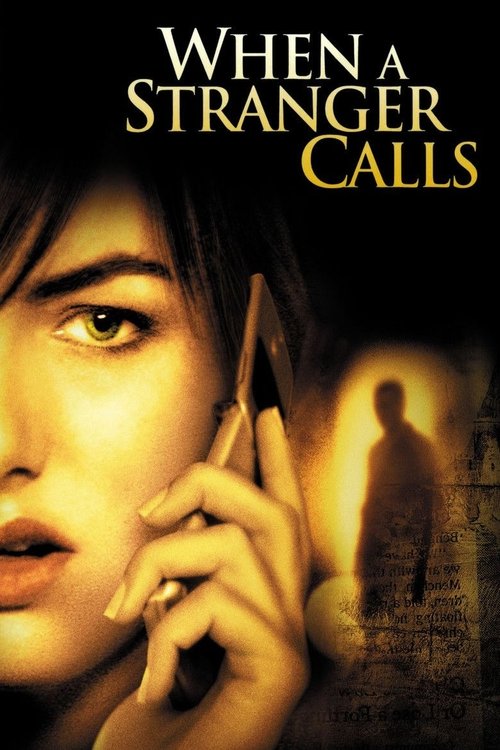
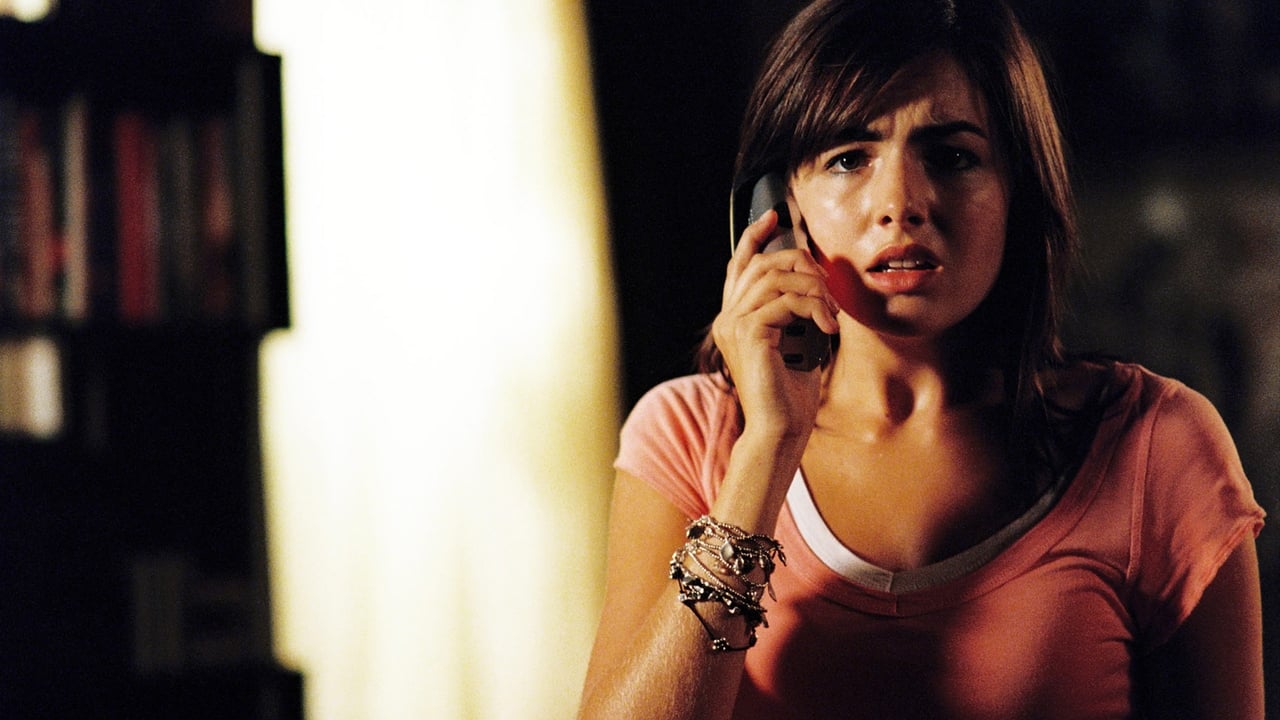
I remember the exact moment the "urban legend" movie died for me, and it happened in a theater in 2006 while watching Camilla Belle wander through a house that looked like it was designed by a minimalist god with a grudge. I was sitting there, eating a bag of popcorn that had way too much fake butter—the kind that leaves a film on the roof of your mouth for days—and I realized I was more interested in the Mandrakis family’s interior design choices than the actual killer.
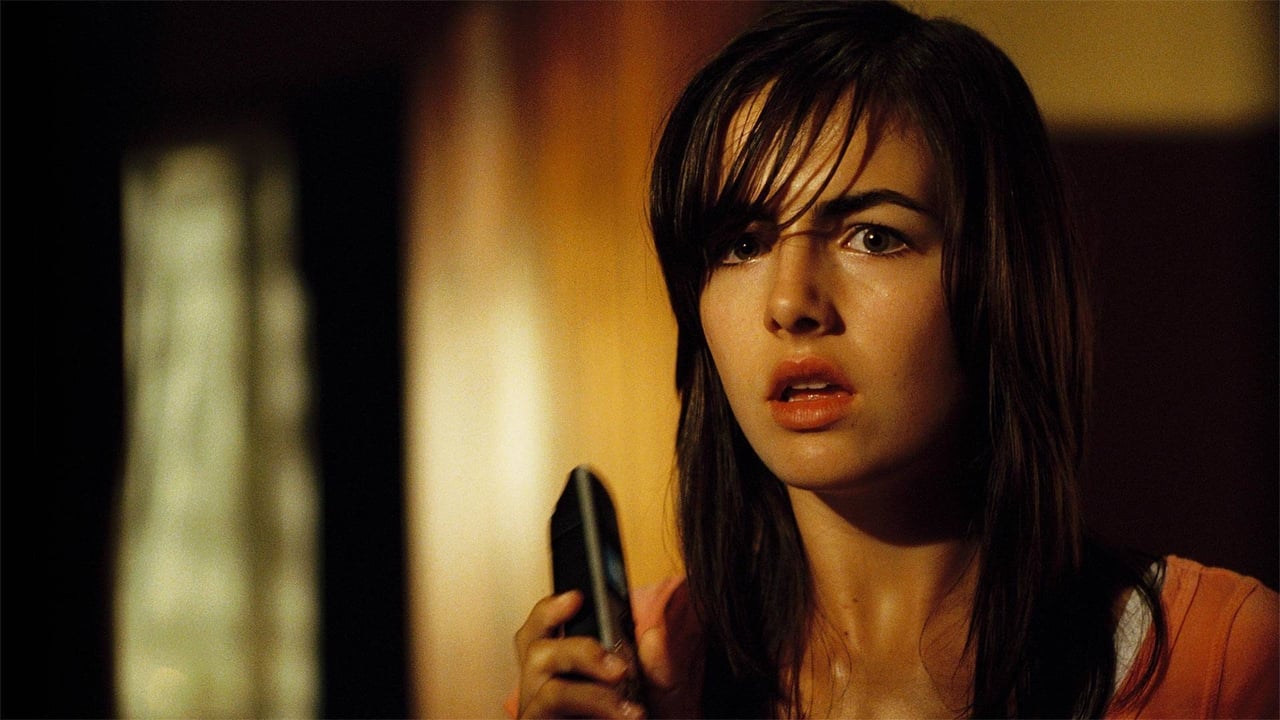
Directed by Simon West, the man who gave us the high-octane absurdity of Con Air, the 2006 remake of When a Stranger Calls is a fascinating relic of a very specific era in horror. This was the mid-2000s: the height of the PG-13 "teen scream" remake boom. Everything was being polished, sanitized, and stretched thin to fit a 90-minute runtime. Looking back, this film is the ultimate example of how to take twenty minutes of pure, uncut dread and dilute it into a feature-length screensaver.
The House of Glass and Anxiety
The star of this movie isn’t Camilla Belle’s Jill Johnson; it’s the house. In the original 1979 film, the setting was a claustrophobic, lived-in home. In 2006, the production team built a massive, multi-million dollar glass-and-stone fortress on a lake. It is stunning. It has an indoor koi pond, automated lights, and more blind spots than a used car lot.
From an atmospheric perspective, West and cinematographer Peter Menzies Jr. do some heavy lifting here. They use the house’s geometry to create a sense of isolation that feels very "Post-9/11 anxiety." We were obsessed with security in 2006, and here is a fortress that provides absolutely none. I found myself constantly scanning the background of the wide shots, which is exactly what the film wants you to do. It plays on that primal fear of being watched through a window when you can't see past the reflection.
The sound design, too, deserves a nod. In the era before everyone had a smartphone glued to their palm, the ring of a landline was a physical intrusion. The way the phone cuts through the silence of the house is genuinely unsettling. They used Tommy Flanagan’s voice for the caller (uncredited at the time), and his raspy, quiet delivery is far scarier than any of the actual "scares" the movie attempts. He sounds like he’s whispering directly into your ear canal, and it’s the only part of the film that felt truly invasive.
A Relic of the Landline Era
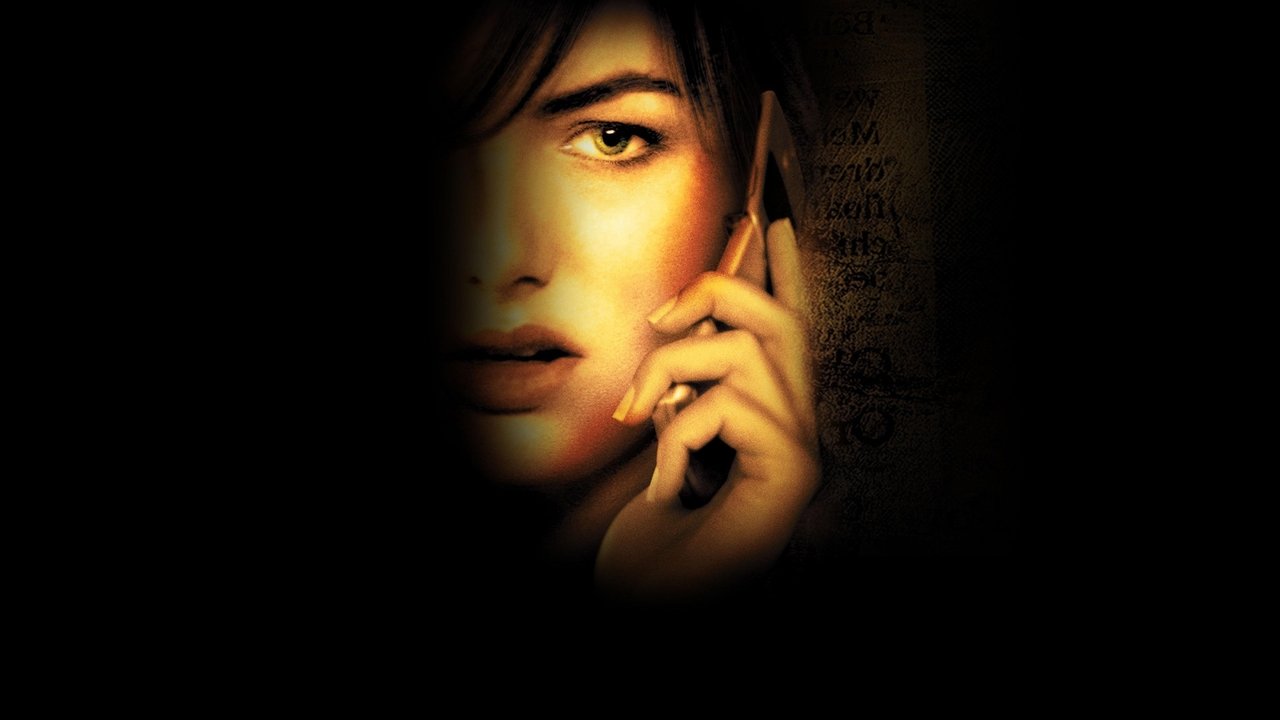
What’s wild about revisiting this now is seeing the technology in transition. Jill has a cell phone—a chunky, early-model Razr-style flip phone—but it’s useless because of "bad reception" (the classic horror trope). This forces her back to the landline, a piece of tech that was already becoming a dinosaur.
In the original, the revelation that "the call is coming from inside the house" was a logistical nightmare because it meant the killer was physically connected to the same copper wiring as the victim. In 2006, we had Caller ID. The movie has to do some Olympic-level gymnastics to keep Jill from just knowing who it is immediately. It’s a perfect snapshot of that window in time where technology was moving faster than horror screenwriters knew how to handle.
I watched this on a Tuesday afternoon while my neighbor was leaf-blowing right outside my window, and honestly, the rhythmic drone of the blower added a layer of suburban tension that the movie’s actual score couldn't quite reach. The film is so focused on being "moody" that it often forgets to be "scary."
Stretching the Urban Legend
The biggest issue with When a Stranger Calls—and the reason it has largely faded into the "oh yeah, that one" category of horror—is that it’s basically a twenty-minute prologue that accidentally became a whole movie. The 1979 original famously peaks in the first act and then becomes a weird police procedural. The 2006 version decides to stay in the house for the entire duration.
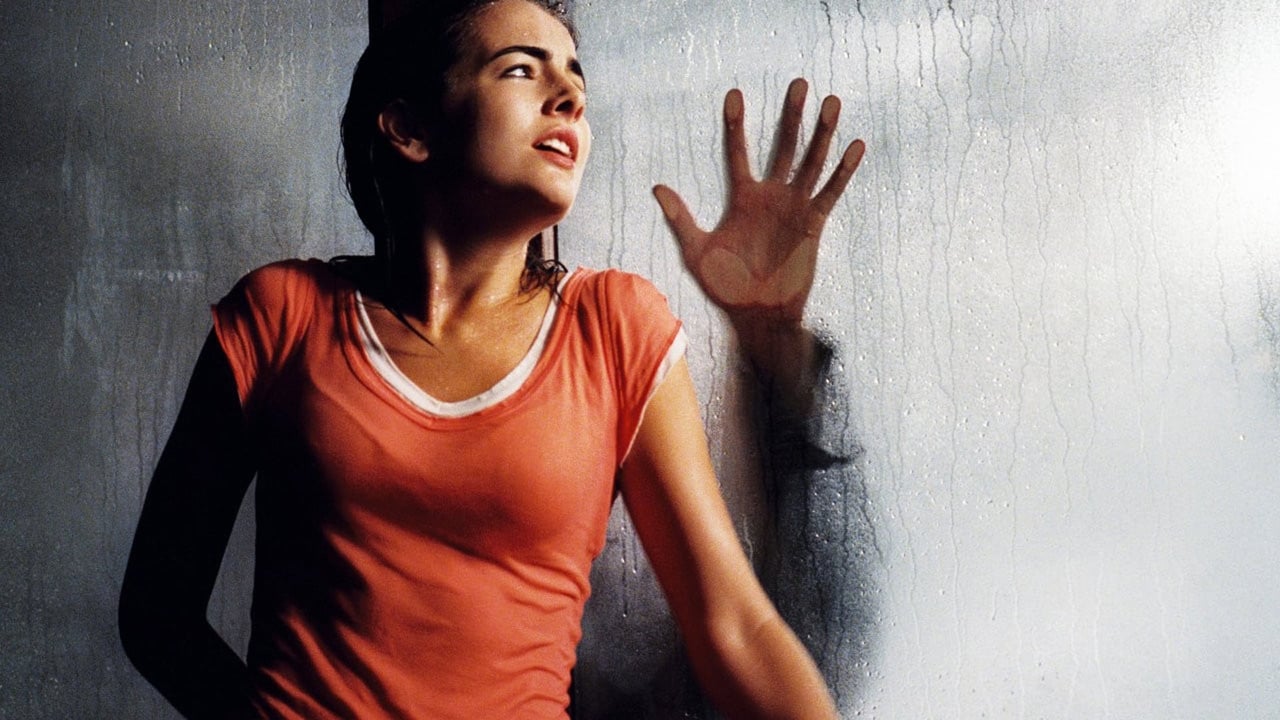
This leads to a lot of scenes of Jill walking. She walks to the kitchen. She walks to the pond. She walks up the stairs. She checks on the kids (who are conveniently asleep and silent for 80 minutes). It’s essentially a high-budget simulation of being bored at work. While Camilla Belle is a capable lead, she’s given almost nothing to do but look worried and hold a cordless phone like it’s a thermal detonator.
There’s a strange lack of stakes, too. Because it’s PG-13, the "gruesome murders" mentioned in the beginning happen off-screen, and the final confrontation feels more like a game of hide-and-seek than a fight for survival. It lacks the grittiness of its predecessor, opting instead for a "clean" horror look that was very popular in the era of The Ring and The Grudge remakes.
Ultimately, When a Stranger Calls is a gorgeous-looking vacuum. It’s a film that you can put on in the background of a Halloween party; it won’t offend anyone, and you won’t miss much if you leave the room to get more dip. It’s a masterclass in production design and a total failure of narrative pacing.
If you’re a fan of mid-2000s aesthetics—lots of dark wood, blue filters, and "smart home" tech that looks ancient now—it’s worth a look for the nostalgia. But if you’re looking for a movie that earns its runtime, you might find yourself wishing you’d just let the call go to voicemail. It’s a handsomely mounted piece of fluff that proves you can’t build a whole house out of a single jump scare.

Keep Exploring...
-
The General's Daughter
1999
-
Dark Water
2005
-
Mirrors
2008
-
Untraceable
2008
-
The Ward
2010
-

The Invasion
2007
-

A Nightmare on Elm Street
2010
-
Urban Legend
1998
-
The Mothman Prophecies
2002
-
Gothika
2003
-
Hide and Seek
2005
-
House of Wax
2005
-

The Omen
2006
-

The Midnight Meat Train
2008
-
The Final Destination
2009
-
Devil
2010
-
The Thing
2011
-

Silent Hill: Revelation 3D
2012
-

The Tall Man
2012
-

Ghost Ship
2002