World Trade Center
"Hope is found in the heart of the rubble."
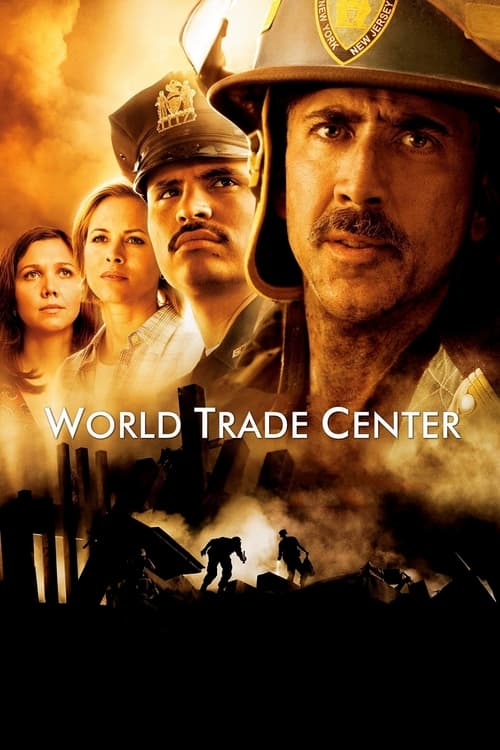
In the summer of 2006, the air still felt thick with the memory of September 11th. When I first heard that Oliver Stone—the man who never met a conspiracy theory he didn't want to turn into a three-hour epic—was making a movie about the World Trade Center, I expected fireballs, backroom CIA deals, and perhaps a cameo by a second shooter. Instead, we got something that remains one of the most bafflingly straightforward films of the decade. It wasn't an interrogation of why the towers fell; it was a grueling, claustrophobic study of the men who were underneath them.
I watched this on a DVD I borrowed from a library where the disc was so scratched it skipped exactly when the first tower fell, which felt like a weirdly intentional piece of meta-art, even if it did make me miss a crucial three minutes of exposition.
The Quiet Side of a Loud Director
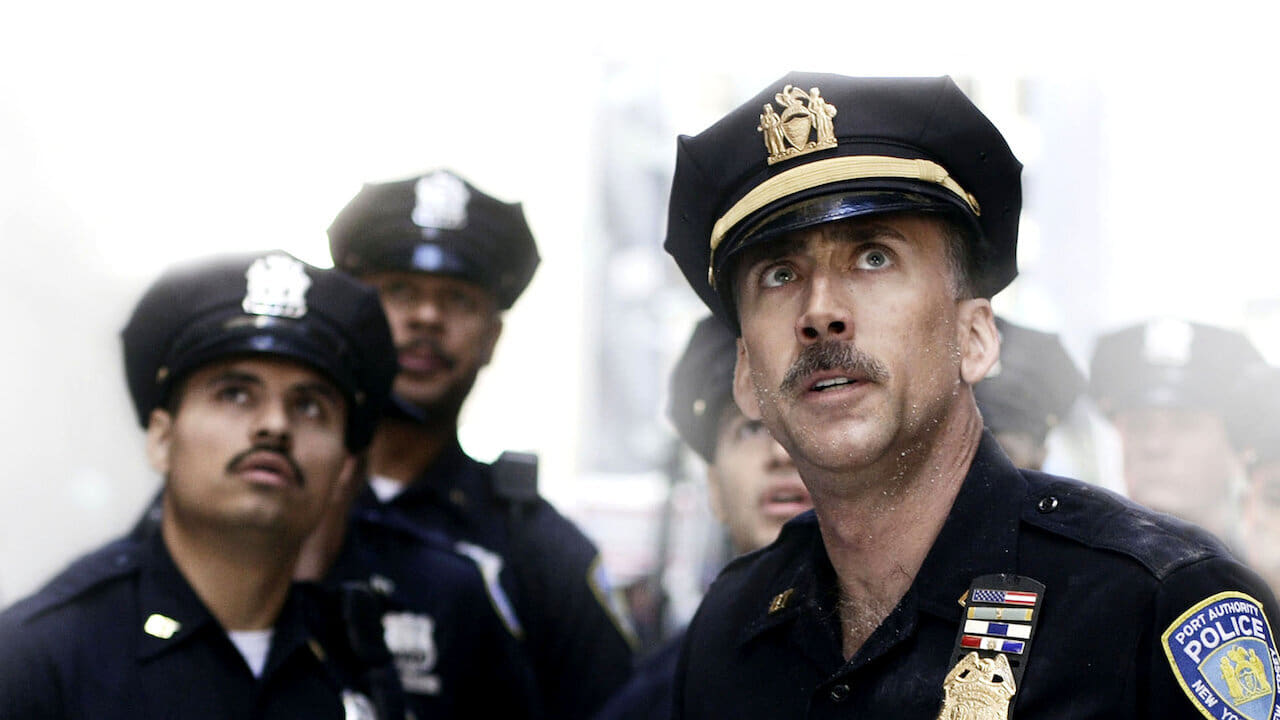
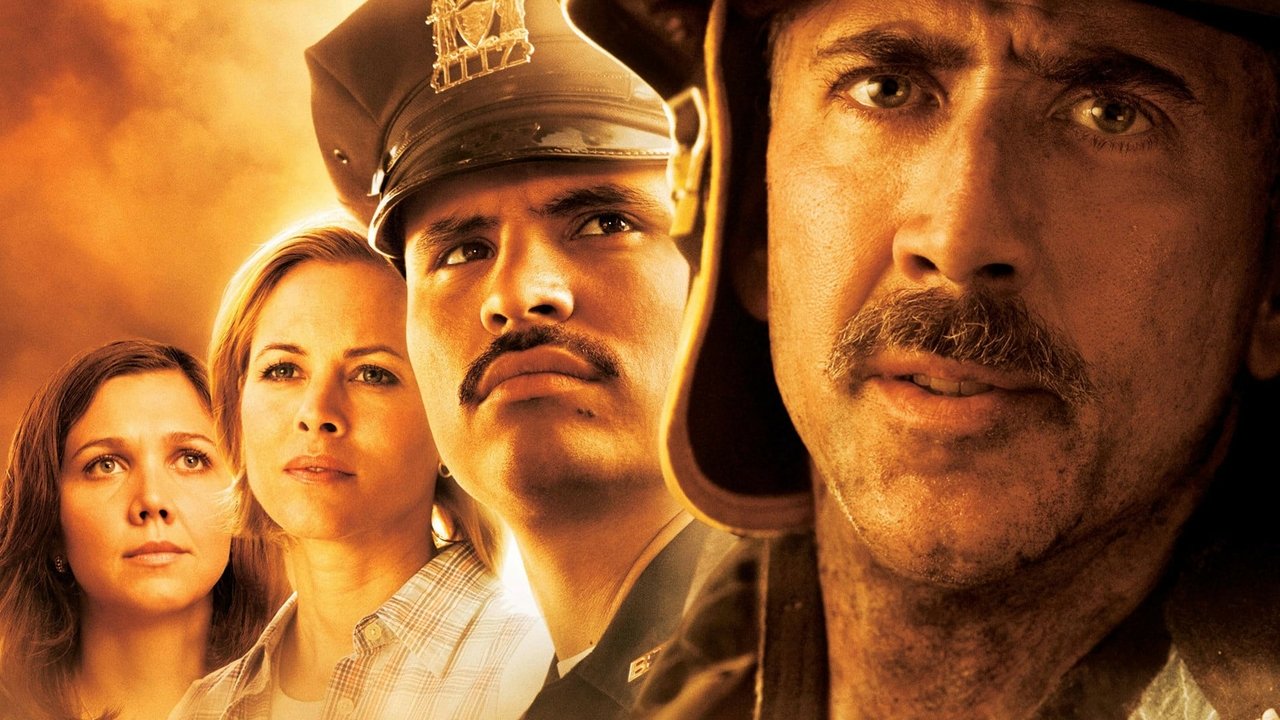
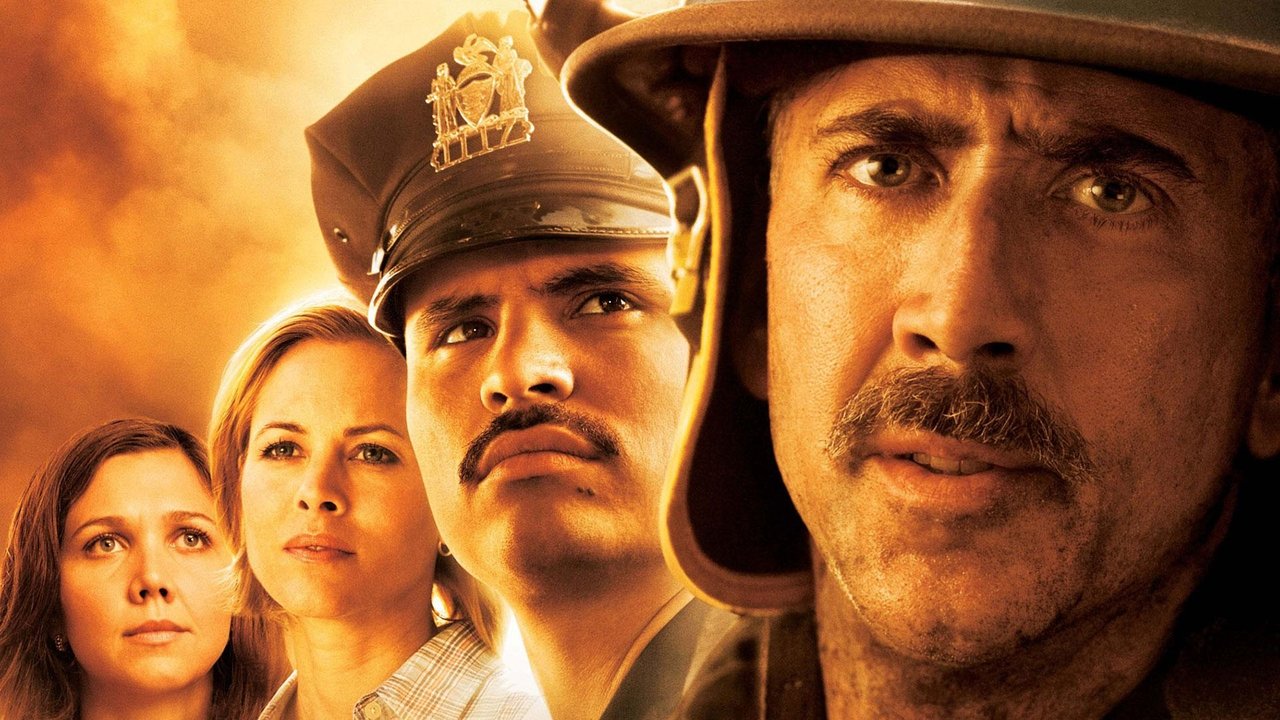
The most shocking thing about World Trade Center isn’t the scale of the destruction—it’s Oliver Stone’s restraint. This is the man who gave us the hallucinogenic editing of Natural Born Killers and the paranoid intensity of JFK. Here, he puts the camera in a dark hole and leaves it there. For a huge chunk of the 129-minute runtime, we are pinned under slabs of concrete with John McLoughlin (Nicolas Cage) and his partner.
It’s an agonizingly slow-burn drama. While the rest of the world is watching the skyline change forever, our perspective is reduced to a few square inches of breathing room. Stone chooses to ignore the "big picture" entirely, focusing instead on the sensory nightmare of the collapse: the deafening roar, the choking dust, and the terrifying silence that follows. Oliver Stone choosing to be apolitical is like a shark choosing to be a vegan, and while I missed his usual fire, I have to admit that his focus on the human element was probably the only way this movie could have worked so soon after the event.
Cage in the Concrete
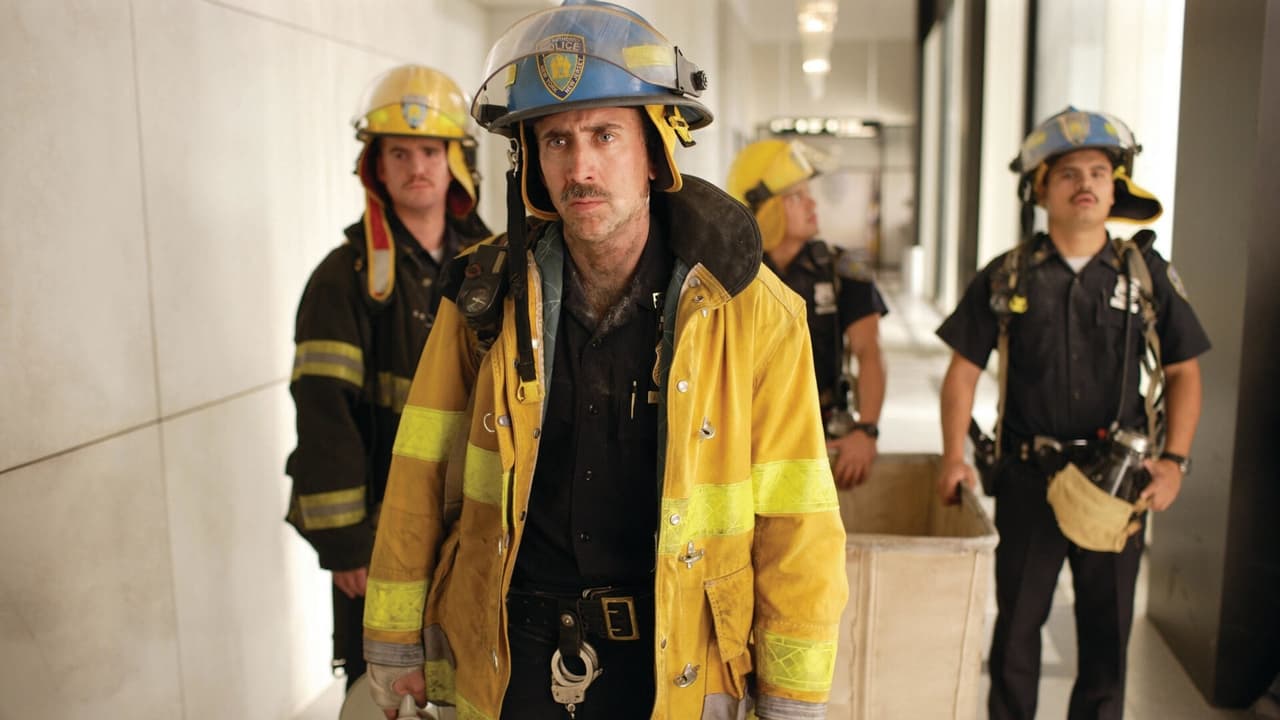
Let’s talk about Nicolas Cage. We’re currently living in the "Nouveau Shamanic" era of Cage, where we expect him to scream about bees or steal the Declaration of Independence. In 2006, he was still a massive A-list draw, but here he delivers a performance that is almost entirely vocal. He can’t move his body. He’s covered in soot. He’s essentially a talking head in a tomb. It’s a masterclass in localized acting, even if his New York accent occasionally wanders off toward the Jersey Shore.
The film splits its time between the "hole" and the families waiting at home. Maria Bello plays Donna McLoughlin, and she has the thankless task of being the "worried wife by the phone." Usually, this is the part of the movie where I start checking my watch, but Maria Bello sells the domestic panic with a grounded, gritty realism that keeps the stakes feeling personal rather than patriotic. The scenes with the kids, including a young Connor Paolo and Anthony Piccininni, add a layer of suburban normalcy that makes the horror of the Twin Towers' collapse feel even more intrusive. It’s the contrast between a messy kitchen in Jersey and the hellscape of Lower Manhattan that gives the film its emotional heartbeat.
A Time Capsule of Post-9/11 Anxiety
Looking back at this film nearly twenty years later, it’s a fascinating relic of the "Modern Cinema" transition. It arrived right as Hollywood was figuring out how to use CGI to recreate trauma rather than just create monsters. The effects, handled by the legends at Double Feature Films and Paramount, hold up surprisingly well because they are used sparingly. The collapse itself is handled with a terrifying weight—you feel the mass of the buildings coming down, a sensation that early 2000s digital effects often lacked.
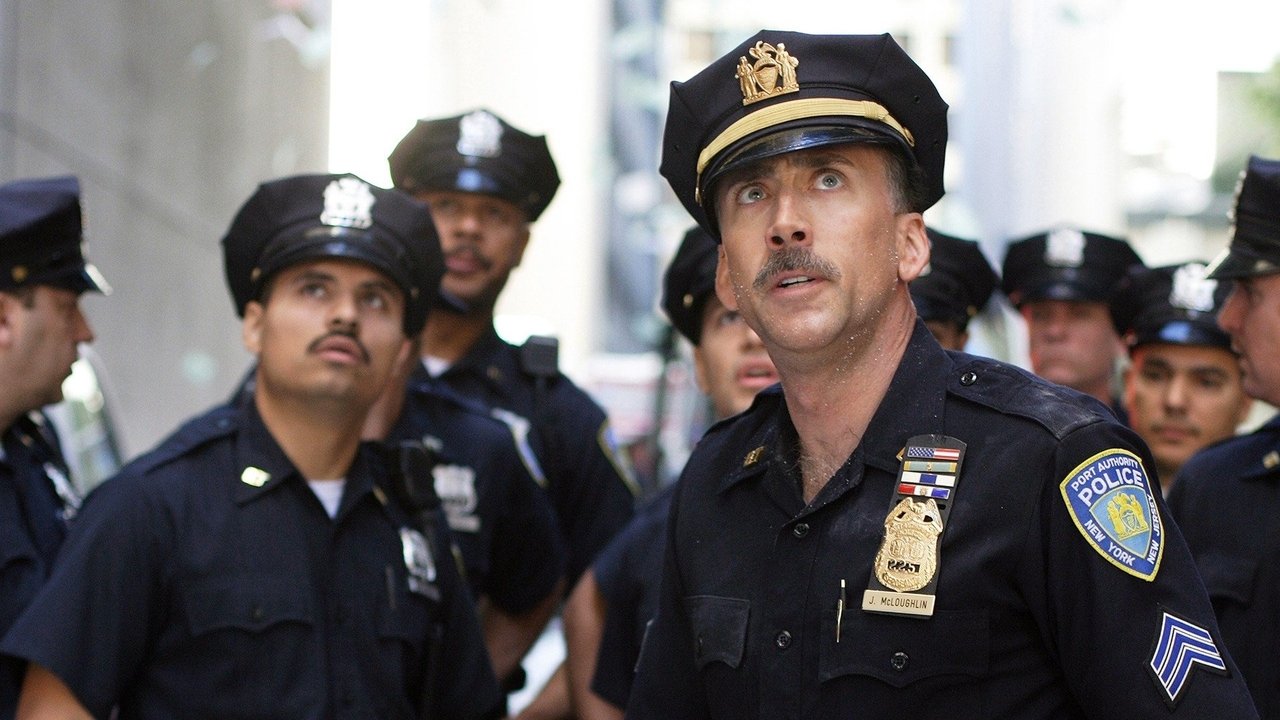
However, the film also carries that mid-2000s earnestness that can feel a bit heavy-handed today. There’s a vision of Jesus holding a water bottle that appears to one of the trapped men, and while it’s based on a real-life account, it feels like a tonal detour into a different kind of movie. It’s a film that desperately wants to provide a happy ending to a day that didn't have many, and sometimes that sentimentality threatens to drown out the raw power of the survival story.
The "5-minute test" for this movie is simple: the first time the towers start to groan and the dust begins to settle, you’re either in for the long haul or you’re too claustrophobic to continue. It’s a difficult watch, not because it’s a bad movie, but because it’s a very effective one at making you feel trapped.
Ultimately, World Trade Center is a film that captures a specific moment in American history when we weren't quite ready to analyze the "why," but we were desperate to honor the "who." It’s a technical achievement that anchors its grand scale in a very small, very dark place. While it lacks the sharp edge of Oliver Stone’s best work, it offers a sincere, if occasionally sugary, tribute to survival. It serves as a reminder that sometimes the most cinematic thing you can do is just show two people refusing to give up on each other in the dark.
Keep Exploring...
-

Alexander
2004
-
The Doors
1991
-
The Good Shepherd
2006
-
Matchstick Men
2003
-
Confessions of a Dangerous Mind
2002
-
K-19: The Widowmaker
2002
-
In the Valley of Elah
2007
-
Wall Street: Money Never Sleeps
2010
-
Seeking Justice
2011
-
Natural Born Killers
1994
-

Savages
2012
-
Kill the Messenger
2014
-
Any Given Sunday
1999
-
United 93
2006
-

Lakeview Terrace
2008
-
Takers
2010
-
Snowden
2016
-

Collateral Damage
2002
-
Dragonfly
2002
-
Murder by Numbers
2002