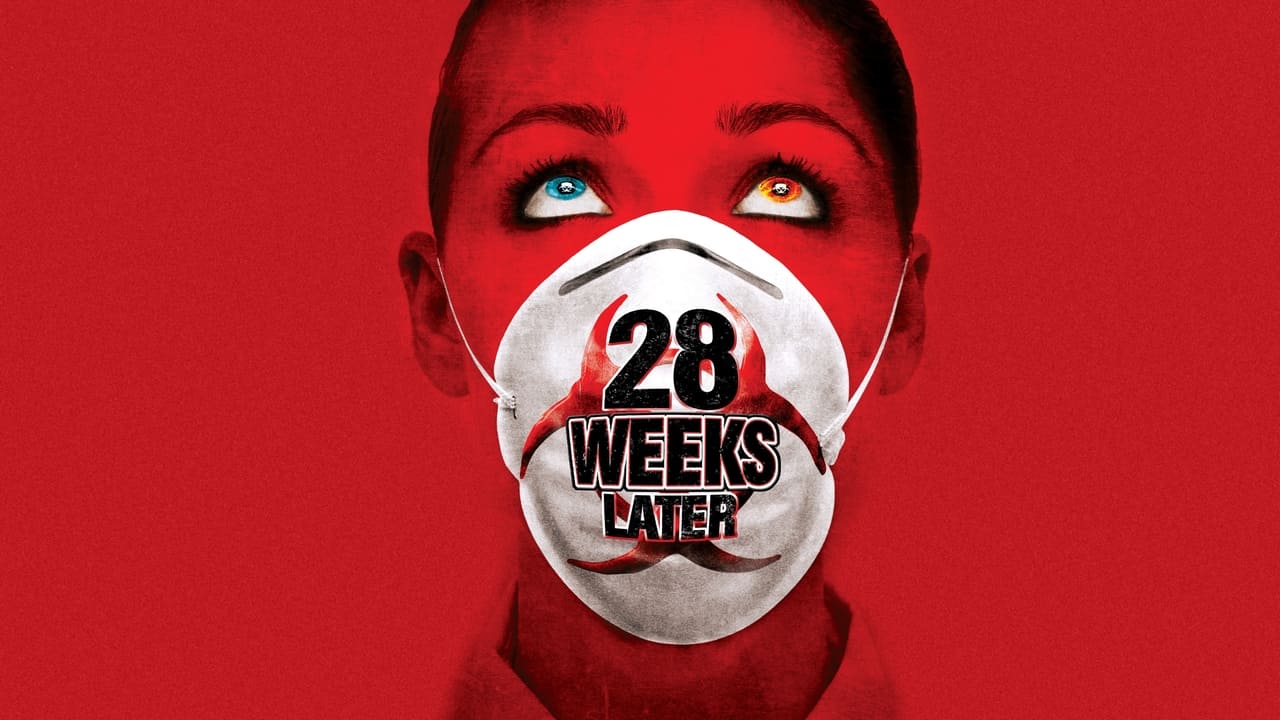
28 Weeks Later
"The terror returns, faster and hungrier than before."

The opening ten minutes of 28 Weeks Later might be the most stressful sequence in the history of the "infected" subgenre. There is no slow burn here; we are dropped into a boarded-up farmhouse in the English countryside where the silence is so heavy it feels physical. When the glass finally shatters and the snarling, red-eyed horde pours in, the movie makes a choice that still haunts me. Robert Carlyle (memorable from Trainspotting and The Full Monty) plays Don, a man who chooses his own life over his wife’s. I watched this most recently on a Tuesday night while trying to ignore a persistent squeak in my floorboard, which, let’s be honest, is the worst possible background noise for a home invasion thriller. Watching Don sprint across a field while his wife screams from an upstairs window isn’t just scary—it’s a moral gut-punch that sets the tone for everything that follows.
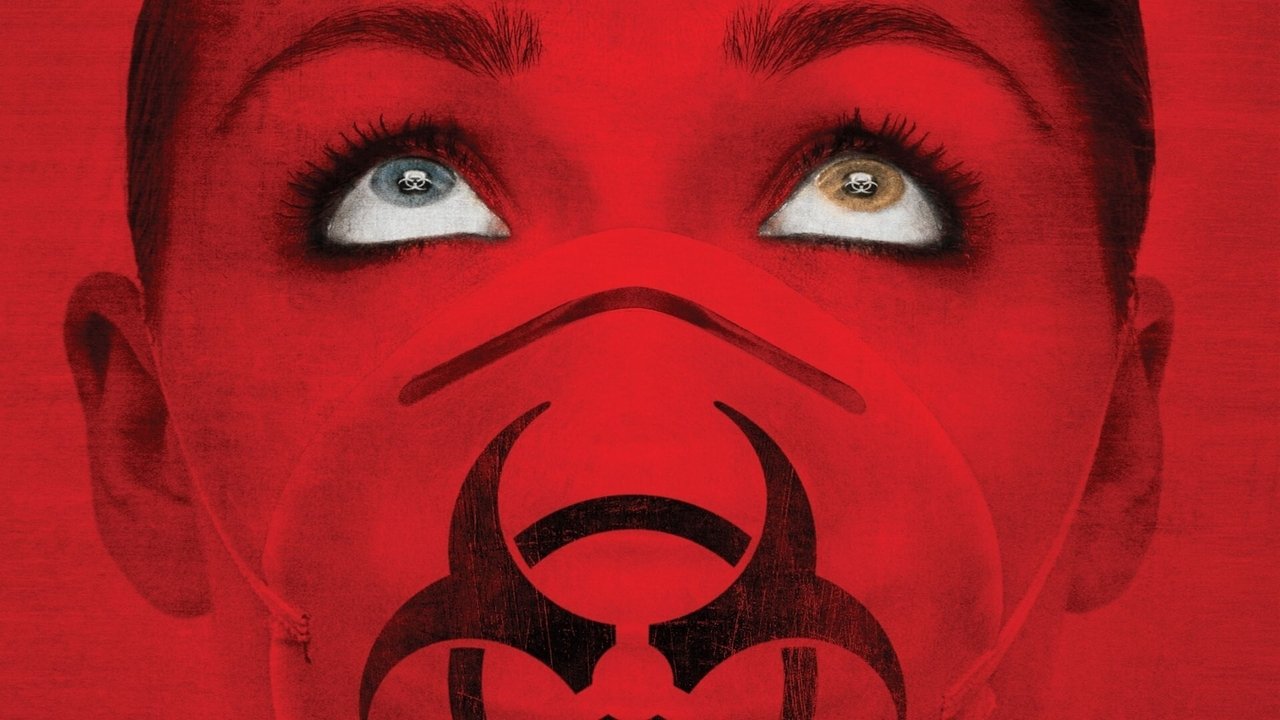
The Military Machine and the Green Zone
While Danny Boyle’s original 28 Days Later was a gritty, lo-fi road trip through a dead civilization, director Juan Carlos Fresnadillo turns the sequel into something much more expansive and politically charged. It’s 28 weeks later, the original infected have starved to death, and the US military has moved in to oversee the repopulation of London. This is peak 2007 "Modern Cinema"—it’s impossible to watch the armored convoys and the sterile, fenced-in "Green Zone" of District One without thinking about the era’s anxieties regarding the Iraq War and foreign occupation.
The film looks incredible, trading the grainy, standard-definition digital video of the first movie for 35mm film that still retains a jittery, nervous energy. We follow Don’s children, played by Mackintosh Muggleton and Imogen Poots, as they sneak out of the safe zone to find their old home. Naturally, they find more than just old photos. They find their mother, Alice (Catherine McCormack), who is somehow alive and carrying a secret in her blood. It’s a classic horror setup: human sentimentality opening the door for a nightmare.
When Protocol Collapses into Chaos
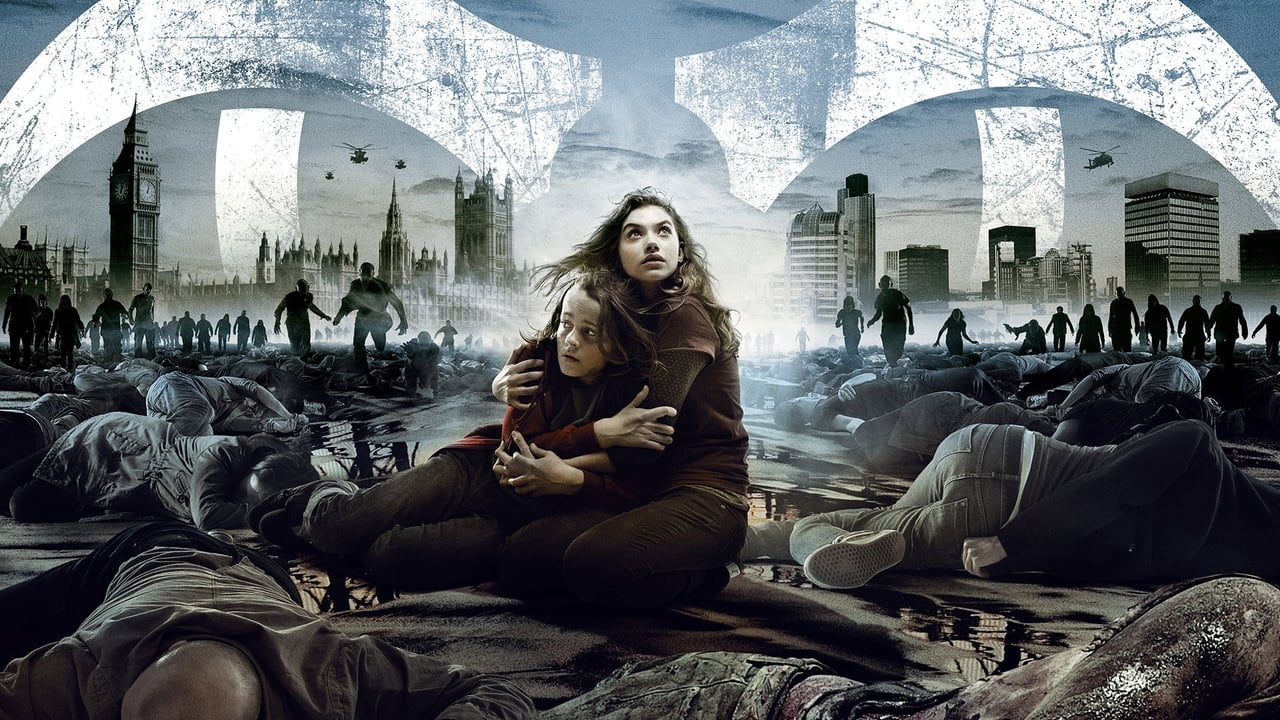
Once the virus inevitably breaks loose inside the supposedly "secure" facility, the movie shifts into a relentless gear. Rose Byrne (who I first really noticed here before her comedic turn in Bridesmaids) plays Scarlet, a medical officer who realizes the kids might hold the key to a cure. Beside her is Jeremy Renner, long before he picked up Hawkeye’s bow in the MCU, playing a sniper with a conscience.
The horror here is distinct from the slow, shuffling zombies of the Romero era. These things are athletes. They don't want to eat your brains; they want to vomit blood into your eyes and beat you to death. Fresnadillo uses "shaky cam" in a way that actually works, conveying the absolute sensory overload of a dark room filled with monsters. There’s a sequence in a subway tunnel using night vision that is pure, distilled claustrophobia. The movie’s plot relies entirely on the security standards of a wet paper towel, but the execution is so breathless you rarely have time to complain about the logic gaps until the credits roll.
The Legacy of the Rage
What makes 28 Weeks Later a cult favorite and a standout sequel is its refusal to go small. It features some of the most "how did they film that?" moments of the 2000s, most notably a scene involving a helicopter pilot, played by Harold Perrineau (Lost), using his rotor blades as a giant lawnmower against a field of infected. It’s gruesome, audacious, and perfectly highlights the "anything goes" spirit of mid-budget horror from this period.
The score by John Murphy is the secret weapon. He reprises the iconic "In the House – In a Heartbeat" theme, that steady, building crescendo of strings and distorted guitar that makes you feel like your heart is about to explode. It’s one of those rare pieces of movie music that defines an entire franchise. Looking back, this film captures a specific moment when horror was transitioning from the "torture porn" trend of Saw and Hostel back into large-scale, apocalyptic storytelling. It’s a bleak, cynical, and wildly entertaining ride that proves sequels don't always have to be pale imitations.
Even with some questionable character decisions—seriously, why was that door left unguarded?—28 Weeks Later remains a high-water mark for 21st-century horror. It manages to be both a massive spectacle and a deeply personal story about a father who cannot outrun his own cowardice. If you haven't revisited it lately, turn the lights off, grab a snack (maybe not pretzels if your floor is squeaky), and prepare for that opening sprint. It still hits just as hard seventeen years later.

Keep Exploring...
-

28 Days Later
2002
-

28 Years Later
2025
-

The Mist
2007
-
Pandorum
2009
-
Land of the Dead
2005
-
Sunshine
2007
-
Quarantine
2008
-
The Purge
2013
-

World War Z
2013
-

Eden Lake
2008
-
The Matrix Revolutions
2003
-
Carriers
2009
-
Equilibrium
2002
-
Ghost Ship
2002
-
Wrong Turn
2003
-
Resident Evil: Apocalypse
2004
-
The Butterfly Effect
2004
-
House of Wax
2005
-

Serenity
2005
-
The Skeleton Key
2005