30 Days of Night
"Thirty days of dark. No way out."
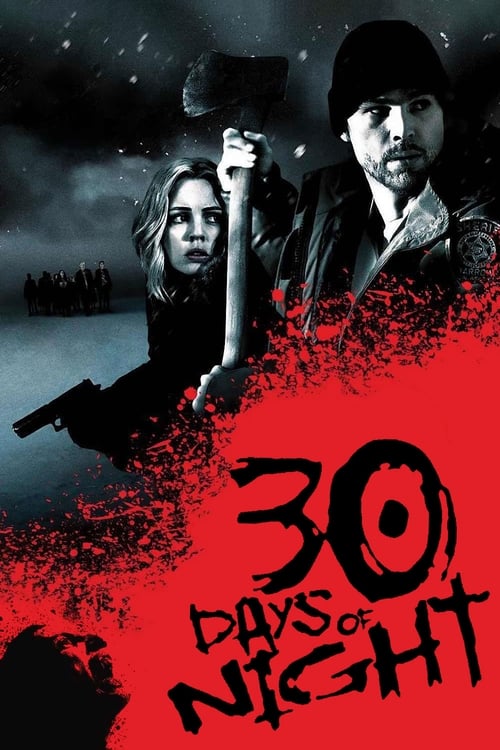
There is a single shot in 30 Days of Night that has lived rent-free in my head since 2007. It’s an overhead bird’s-eye view—a "God’s eye view," if God had completely abandoned northern Alaska—showing the tiny town of Barrow being systematically slaughtered. Red blood sprays across pristine white snow like an spilled bottle of Cabernet on a wedding dress. It’s cold, it’s clinical, and it’s one of the few times a horror movie has successfully made me feel the sheer scale of a massacre without a single jump scare.
I remember watching this for the first time on a scratched-up DVD while nursing a lukewarm mug of peppermint tea that had gone stone cold because I was too tense to actually take a sip. Back then, we were in the thick of the "grim and gritty" era of cinema. We were moving away from the neon-soaked 90s and into a post-9/11 landscape where the monsters weren't just guys in masks—they were relentless, overwhelming forces of nature that you couldn't negotiate with.
Shark Teeth and Ancient Tongues
Before Josh Hartnett even picks up a shotgun, director David Slade (who came off the hyper-intense Hard Candy) establishes the atmosphere. Barrow, Alaska, is about to enter its annual month of total darkness. Most people leave; the tough ones stay. Then the power goes out. The cell phones burn. The sled dogs are slaughtered.
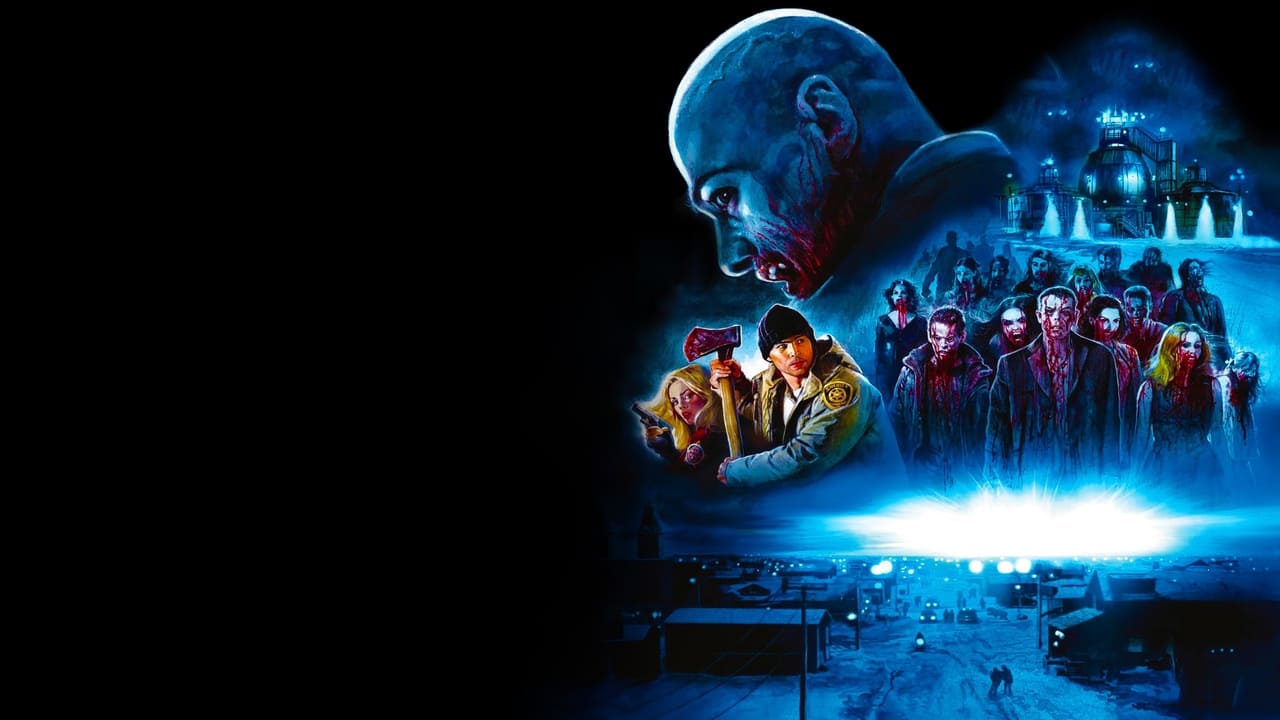
When the vampires finally show up, they aren't the sparkly teenagers of Twilight or the leather-clad ravers of Blade. These things are wet, screeching nightmares that look like they’ve been living in a dumpster behind a seafood restaurant. Led by Danny Huston as Marlow, these vampires speak a clicking, guttural language invented specifically for the film by a New Zealand linguist. They don’t want to seduce you; they want to harvest you.
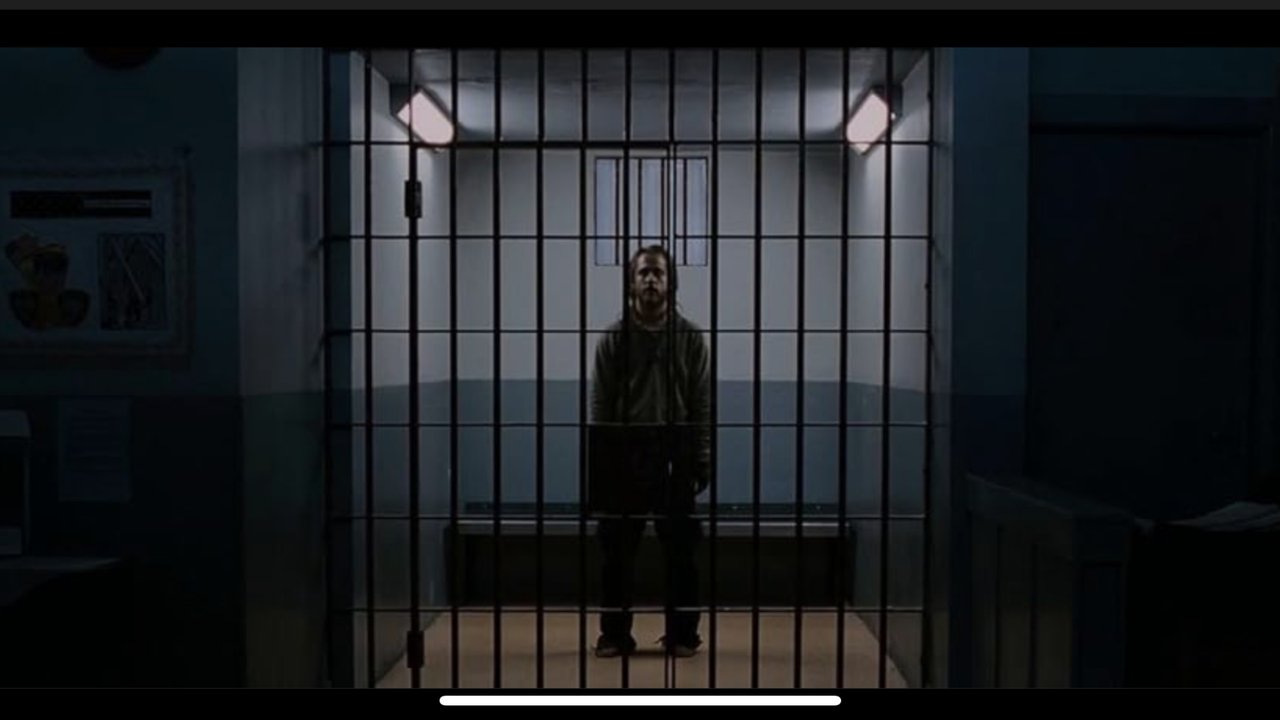
Danny Huston is terrifying here because he plays Marlow with a bizarre, predatory intelligence. There’s a scene where he tramples a head like a ripe melon and just looks bored. It was such a refreshing pivot at the time—returning vampires to their status as apex predators rather than misunderstood poets. To keep the tension high on set, Ben Foster, who plays "The Stranger" (the human harbinger of the vampires), reportedly stayed away from the rest of the cast to maintain a genuine sense of unease. It worked; every second he’s on screen, you want to wash your hands.
The Beauty of the Bleak
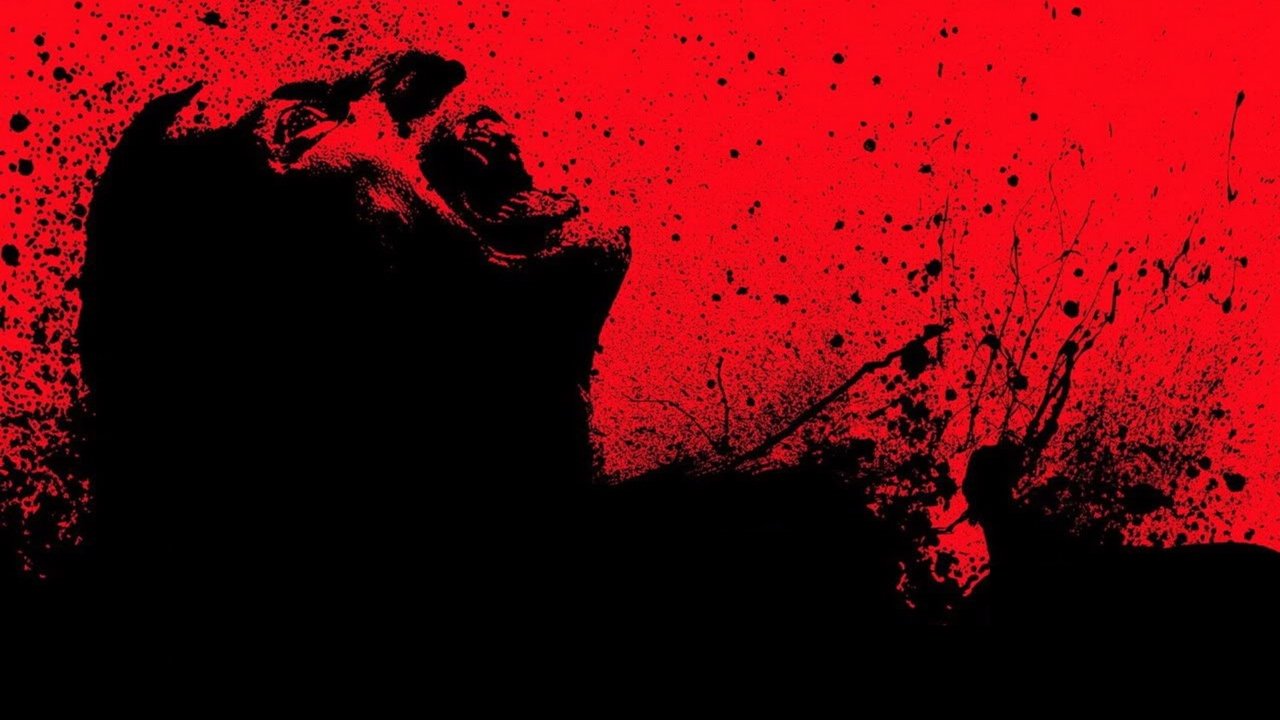
Visually, the film is a masterclass in high-contrast cinematography. Jo Willems captures the comic book aesthetic of the original Steve Niles and Ben Templesmith series without making it look like a cartoon. Everything is desaturated—deep blues, charcoal greys, and that omnipresent, violent red. In an era where CGI was starting to make horror look a bit "plastic," 30 Days of Night leaned hard into practical makeup and clever lighting.
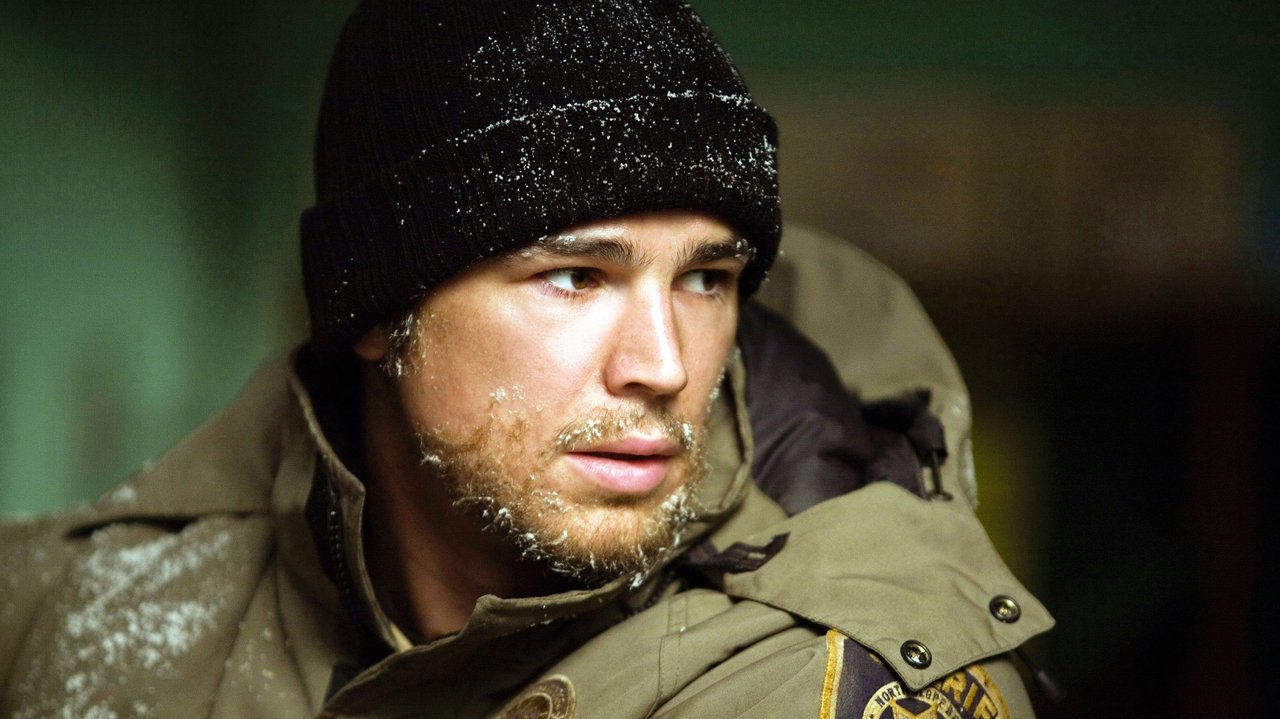
The film does hit a few 2000s-era speed bumps. The middle act, where the survivors hide in an attic, drags a little as the movie tries to figure out how to compress thirty days into 113 minutes. We get a "Day 15," "Day 21" title card treatment that feels a bit like a necessary evil to keep the plot moving. But the character work holds it together. Josh Hartnett, who was the quintessential "pretty boy" of the early aughts, puts in a surprisingly soulful performance as Eben, the town Sheriff. He looks exhausted, grimy, and genuinely terrified. Beside him, Melissa George as Stella avoids the "damsel" tropes, proving she’s just as capable of swinging an axe as the guys.
A Cult Classic in the Cold

Looking back, 30 Days of Night feels like one of the last great "mid-budget" horror movies before everything became either a $5 million Blumhouse production or a $200 million franchise tentpole. It’s a mean, lean, survivalist thriller that uses its gimmick to the fullest. It’s also surprisingly nihilistic. It doesn’t offer easy answers or a magical sunrise that fixes everything.
The film found a second life on home video—the kind of DVD you’d buy at a Blockbuster closing sale and realize was way better than the reviews suggested. It’s a "vibe" movie, perfect for a rainy October night when you want to feel a chill that has nothing to do with the weather. It reminds us that the best horror isn't about what's lurking in the dark; it's about the terrifying realization that the dark isn't going away anytime soon.
If you missed this one during the mid-2000s shuffle, it’s time to give it a look. It’s a brutal, beautiful piece of genre filmmaking that understands exactly why we’re afraid of the dark. Just maybe make sure your tea is hot before the sun goes down, because once the clicking starts, you isn't going to want to get up to hit the microwave.
Keep Exploring...
-
Devil
2010
-
Hard Candy
2005
-
Wrong Turn
2003
-
House of Wax
2005
-
The Skeleton Key
2005
-

The Hills Have Eyes
2006
-

Planet Terror
2007
-

The Mist
2007
-
Funny Games
2008
-
The Strangers
2008
-
Drag Me to Hell
2009
-
Friday the 13th
2009
-
Orphan
2009
-
Pandorum
2009
-
Saw VI
2009
-
The Rite
2011
-

28 Days Later
2002
-

Blade II
2002
-
Ghost Ship
2002
-

28 Weeks Later
2007