300
"A digital fever dream of blood, bronze, and bravery."
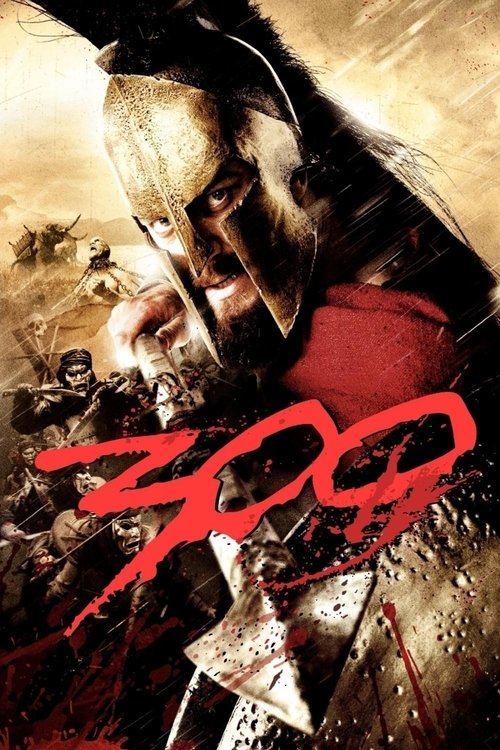
The first time I saw Gerard Butler kick that messenger into the bottomless pit, I wasn't just watching a movie; I was watching the rules of the blockbuster being rewritten in real-time. It’s a moment that launched a thousand memes, but in 2007, it felt like a seismic shift. I remember watching this in a theater where the air conditioning was broken, and the oppressive heat actually made the experience better—it felt like I was sweating right there in the Hot Gates with the Spartans, minus the six-pack abs and the leather speedos.
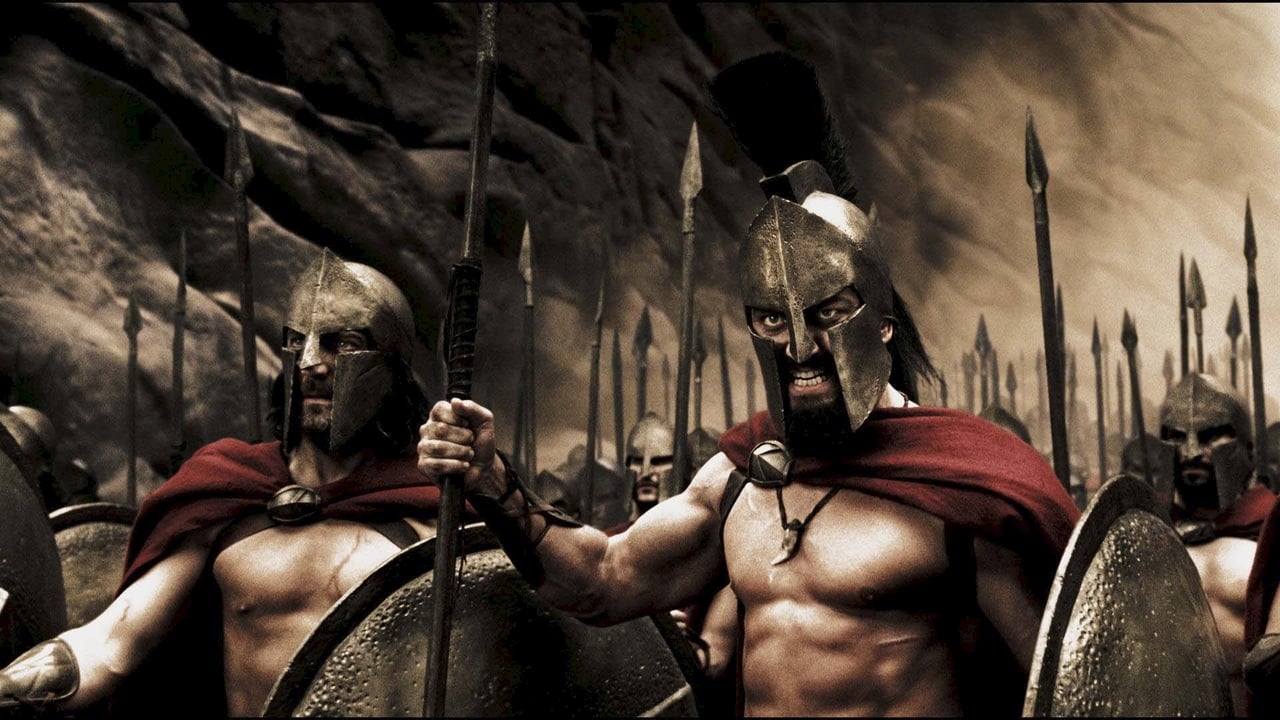
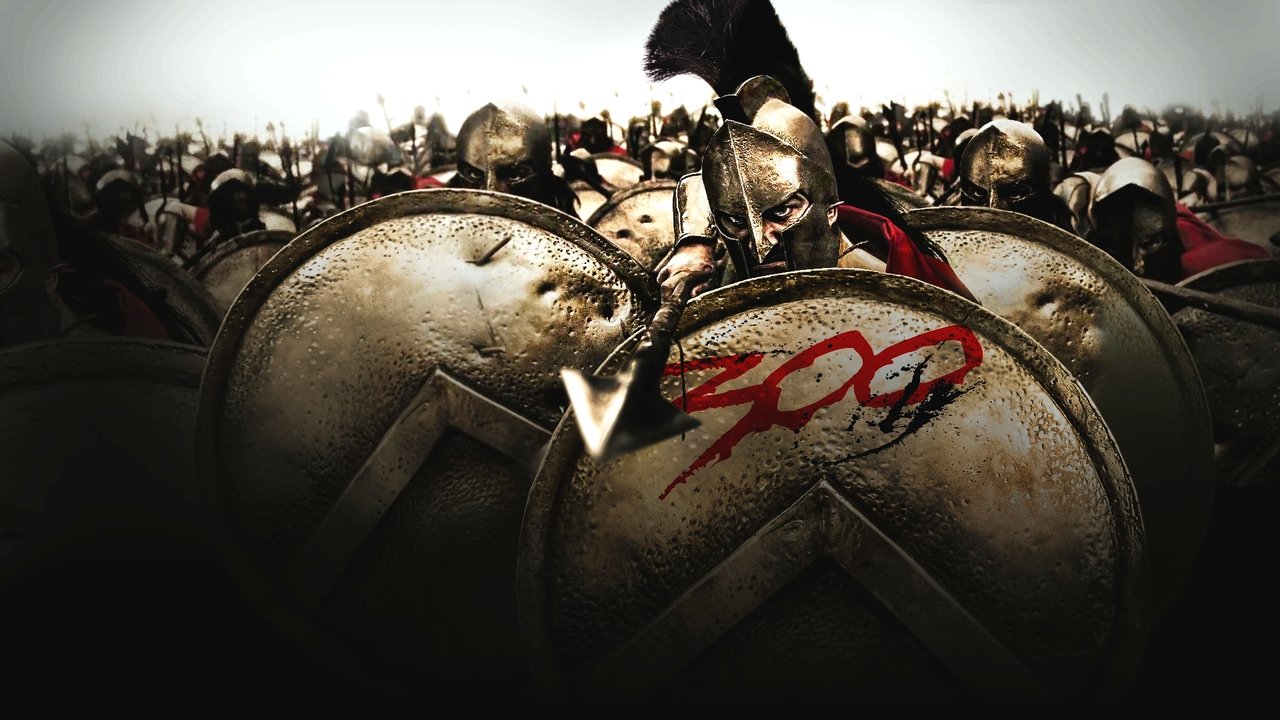
300 isn't a history lesson; it’s a heavy metal album cover brought to life. It arrived at a specific crossroads in cinema history, where the "Snyder Style" was born and the digital backlot became a viable tool for storytelling rather than just a shortcut for sci-fi. It’s dark, it’s loud, and it’s unapologetically intense.
The Digital Ink of War
Looking back, 300 was a massive gamble on a specific aesthetic. Director Zack Snyder didn’t want to go to Greece; he wanted to go to the world of Frank Miller’s graphic novel. This was the era of the "CGI revolution" where filmmakers were realizing they didn't need sets if they had enough green fabric. Shot almost entirely in a warehouse in Montreal, the film uses a process called "crush blacks" to manipulate color, making every drop of blood look like splattered ink and every sky look like an impending apocalypse.
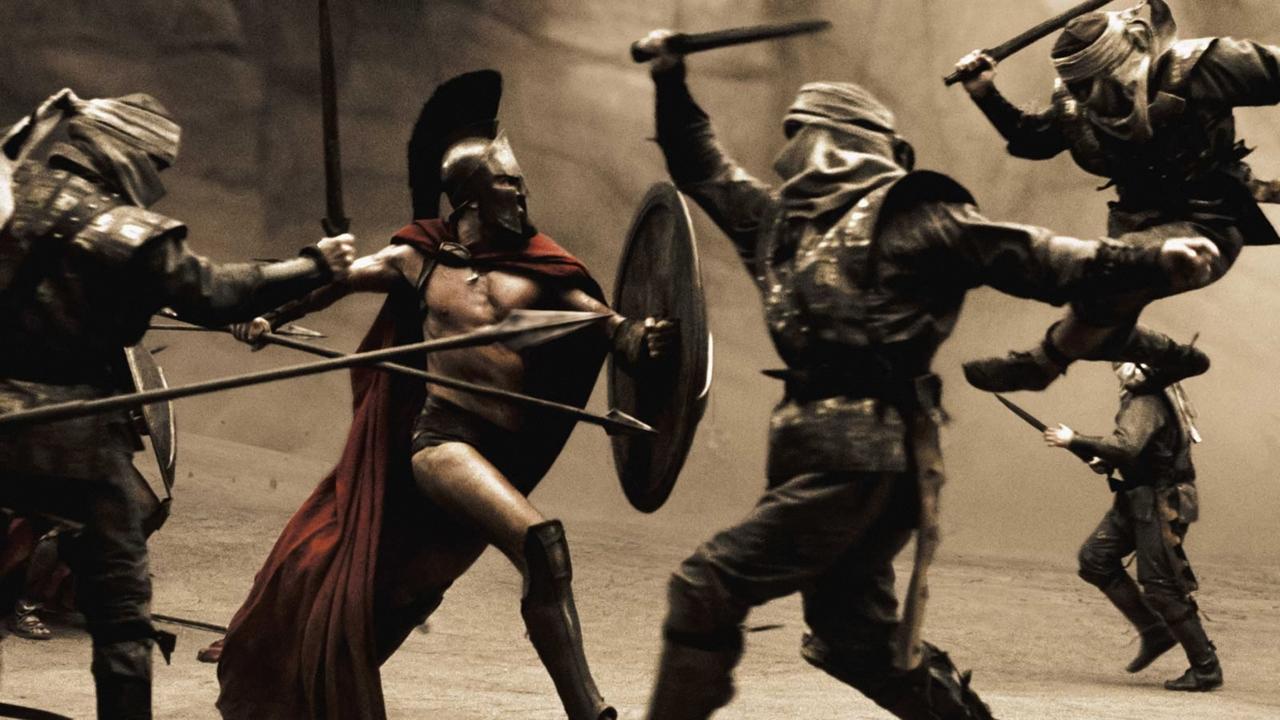
The result is a visual language that feels heavy. This isn't the bright, airy action of Gladiator. It’s a claustrophobic, high-contrast nightmare where the shadows are deep enough to drown in. Larry Fong’s cinematography treats the human body like a sculpture, and while the "speed-ramping"—that signature Snyder move where the action slows to a crawl before snapping into fast-forward—has been parodied to death, here it feels essential. It gives the audience a chance to appreciate the sheer brutality of the choreography before the next bone-crunching impact. I still maintain that it’s essentially a two-hour gym recruitment video directed by a guy who mainlines espresso and heavy metal.
The Weight of the 300
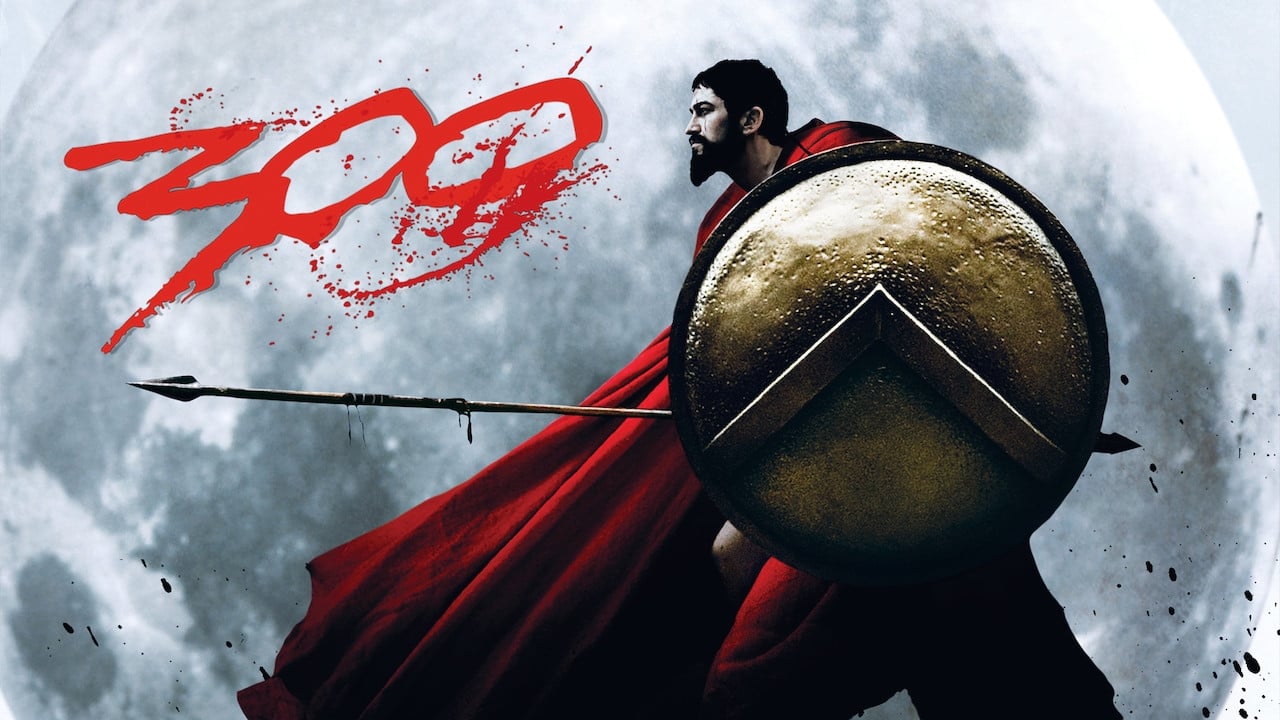
While the visuals grab you by the throat, the film’s staying power comes from its relentless intensity. This is a story about men who know they are going to die. From the opening scenes of Spartan childhood—which are genuinely harrowing—the film establishes a world where mercy is a weakness and "glory" is the only currency that matters. Gerard Butler’s Leonidas is a roar given human form. It’s a career-defining performance that balances kingly weight with a feral, desperate edge.
The supporting cast is equally committed to the bit. A young Michael Fassbender (in his film debut!) brings a wild-eyed energy to Stelios, and Lena Headey provides the film’s moral backbone as Queen Gorgo. Her subplot, involving the treacherous Theron (played with oily perfection by Dominic West), adds a layer of political dread to the physical carnage happening at the front lines. The stakes feel absolute. When the "Immortal" army masks come off, or when the arrows literally blot out the sun, you feel the crushing pressure of the Persian empire. It captures that post-9/11 anxiety of a small, dedicated force standing against an overwhelming, "othered" threat—a theme that sparked plenty of debate at the time and remains a fascinating piece of the film’s cultural DNA.
A Box Office Juggernaut
The industry impact of 300 cannot be overstated. Before its release, Hollywood didn't think an R-rated sword-and-sandal epic could be a massive hit in the "dump month" of March. They were wrong. With a modest $65 million budget, the film shattered records with a $70 million opening weekend. It went on to gross over $456 million worldwide, proving that audiences were hungry for stylized, adult-oriented spectacle.
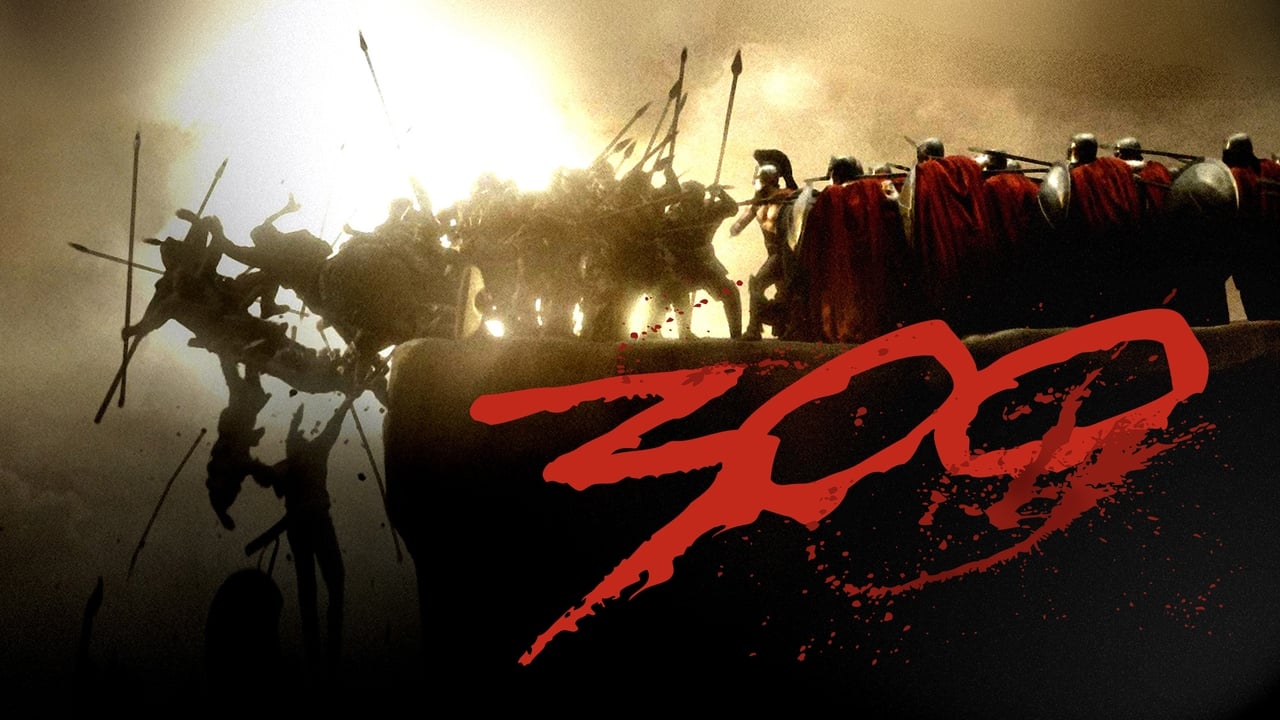
The production trivia is just as legendary as the plot. The "Spartan 13" workout developed for the cast became a fitness phenomenon in its own right, forcing the actors through grueling, non-repetitive training that explains why everyone on screen looks like they were carved out of granite. Even the "wolf" in the beginning wasn't a wolf at all, but a massive animatronic puppet and CGI hybrid. This was a film that pushed the boundaries of what could be done with a mid-range budget and a whole lot of post-production wizardry. It turned Zack Snyder into a household name and paved the way for the "hyper-stylized" era of action that dominated the late 2000s.
300 is a masterclass in commitment. It knows exactly what it is—a brutal, beautiful, and deeply intense myth—and it never blinks. While the dialogue can be hammy and the slow-motion is used with the frequency of a nervous twitch, the film's raw power is undeniable. It’s a dark, unapologetic celebration of sacrifice that still hits like a spear to the chest. Whether you're here for the history, the artistry, or just to see David Wenham narrate a massacre, it remains a pillar of modern action cinema.
Keep Exploring...
-
300: Rise of an Empire
2014
-
Red Cliff
2008
-
Dawn of the Dead
2004
-
Kingdom of Heaven
2005
-
The Last Samurai
2003
-

The Matrix Reloaded
2003
-
Mission: Impossible - Ghost Protocol
2011
-
The Hunger Games
2012
-
Sucker Punch
2011
-
Rurouni Kenshin Part I: Origins
2012
-
Casino Royale
2006
-
Sherlock Holmes
2009
-

Skyfall
2012
-
Man of Steel
2013
-
Mission: Impossible
1996
-
The Rock
1996
-
American Sniper
2014
-

Fury
2014
-
King Arthur
2004
-
Green Zone
2010