5 Centimeters per Second
"The agonizing beauty of growing apart."
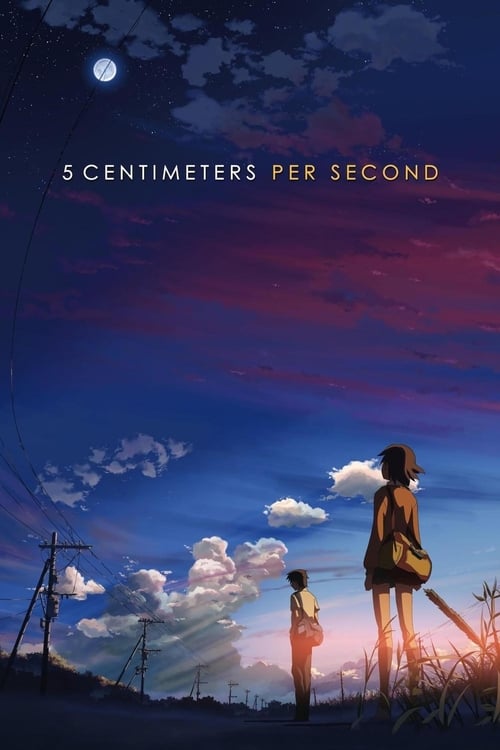
The speed of a falling cherry blossom is supposedly five centimeters per second. It’s a delicate, trivial bit of trivia that grounds the opening of Makoto Shinkai’s 2007 breakthrough, but it serves as a warning for the emotional wreckage to follow. Most romance movies are about the magnetic pull of two people coming together; this film is a meticulously painted autopsy of two people drifting apart at exactly that pace—slow enough that you don't notice the distance until the horizon is empty.
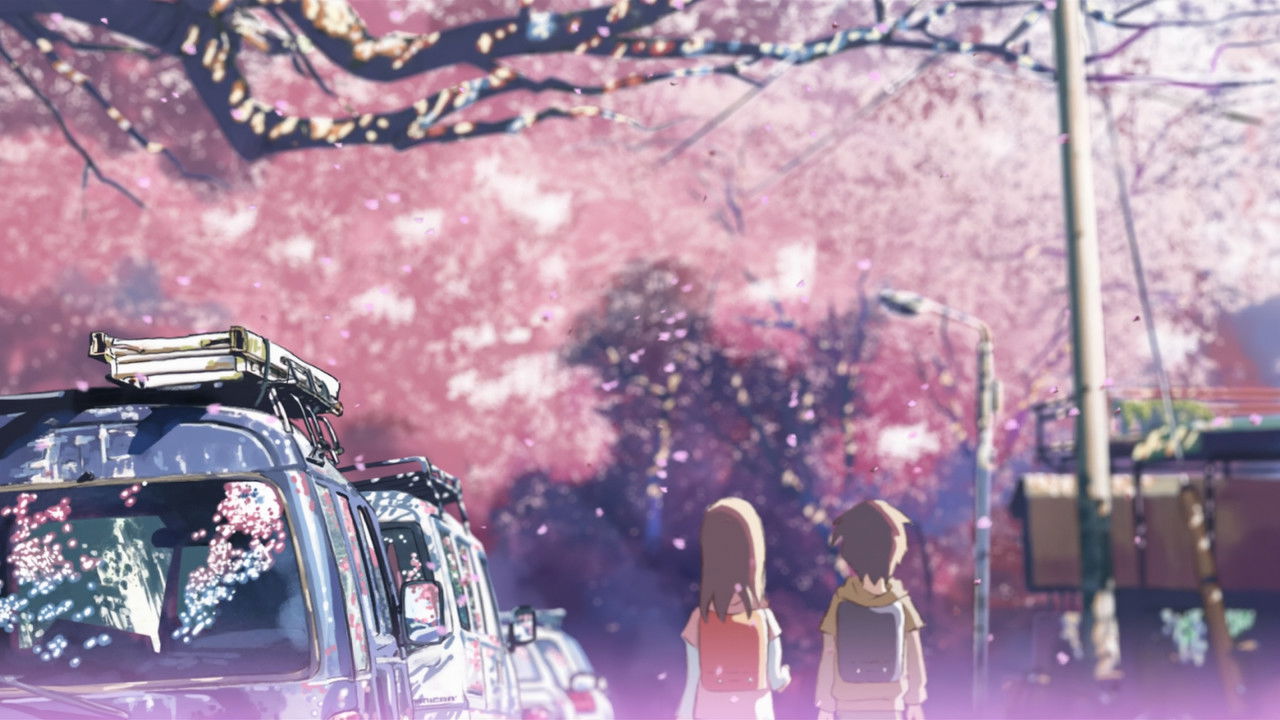
I first watched this film on a Tuesday night while waiting for a laundromat dryer that smelled faintly of scorched dryer sheets and old nickels, and I think that drab, mundane setting actually made the film’s hyper-vivid colors hit even harder. At just 63 minutes, it’s less a feature film and more a triptych of sighs. It arrived during that fascinating mid-2000s sweet spot when digital animation was finally shedding its "plastic" look and finding a soul.
A Masterclass in Background Porn
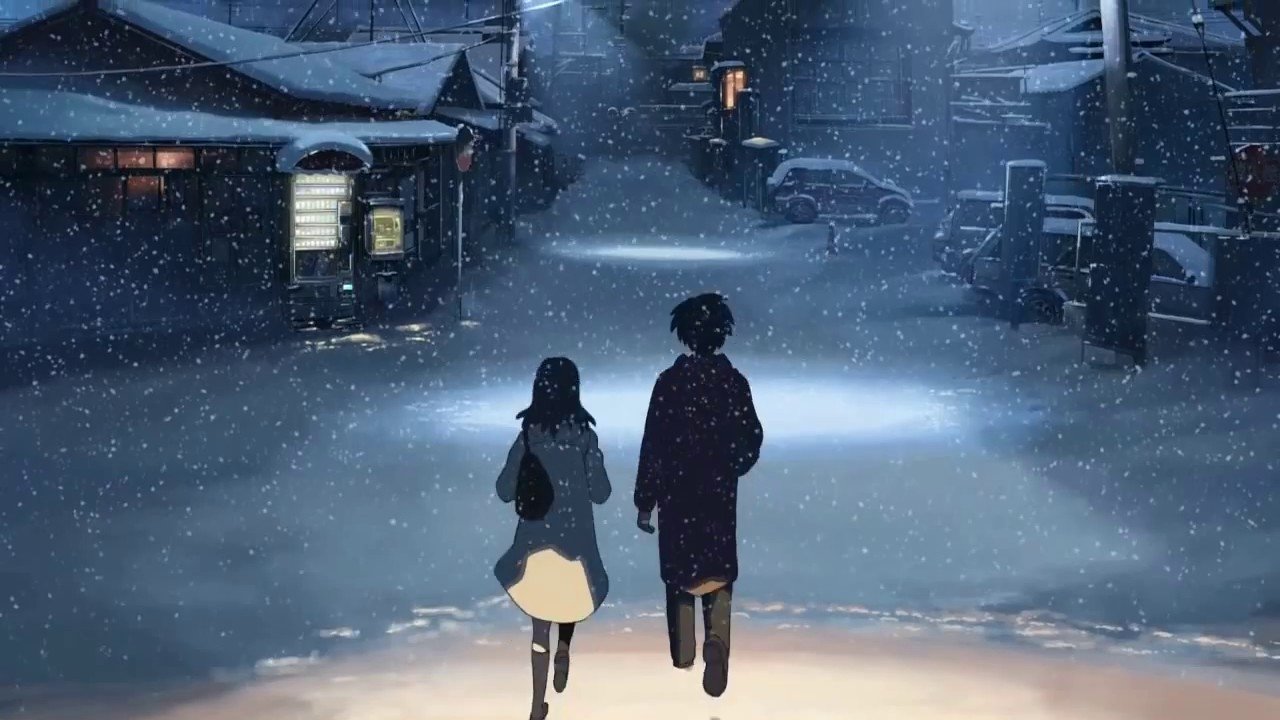
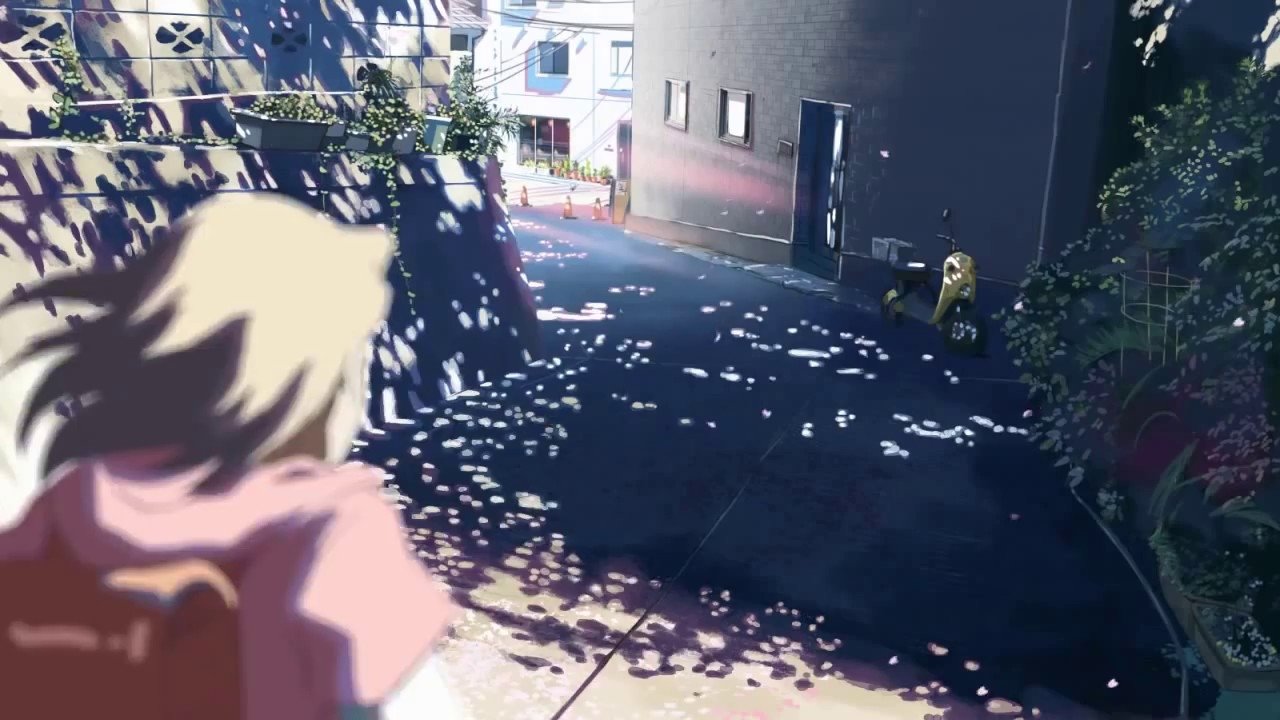
If you’ve spent any time on the "aesthetic" side of the internet, you’ve seen frames from this movie. Shinkai—who essentially acted as a one-man army on his earlier short films—brought a level of obsessive detail to the backgrounds here that feels almost pathological. The way the light hits a convenience store window or the specific, lonely glow of a train station platform in a snowstorm isn't just "good animation." It’s a character in itself.
Looking back, this film captures the transition of the "Modern Cinema" era perfectly. We are watching the shift from handwritten letters to the blue-lit anxiety of early flip-phone emails. There’s a scene in the first segment where Kenji Mizuhashi (voicing our protagonist, Takaki) is stuck on a train during a blizzard, desperately trying to reach his childhood love, Akari (Yoshimi Kondou). The tension doesn't come from a villain; it comes from the crushing reality of a delayed train schedule and a lost letter. It is essentially a wallpaper generator with a depression filter, but in the most beautiful way possible.
The Agony of the "Almost"
The film is split into three parts, following Takaki from his school days into a hollow adulthood. In the second segment, "Cosmonaut," we see him through the eyes of Kanae (Satomi Hanamura), a girl who is hopelessly in love with him while he stares past her at a distant, unreachable point. Shinkai uses the launch of a space probe as a metaphor for human isolation, and it’s arguably the most effective sequence in the film.
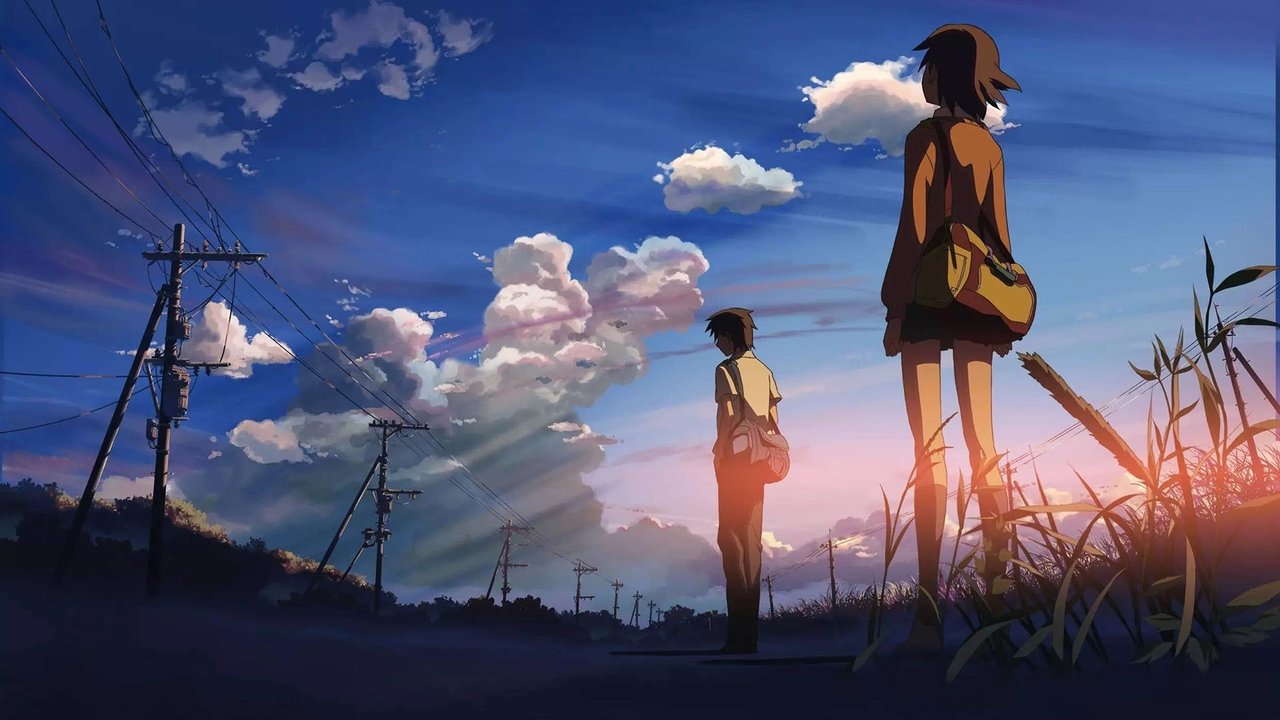
The performances here are surprisingly restrained. Kenji Mizuhashi brings a weary, hollowed-out quality to Takaki as he grows older, capturing that specific brand of "quarter-life crisis" where you realize you’ve become a stranger to your own dreams. By the time we get to the final segment, featuring Ayaka Onoue as the adult Akari, the film has moved from a sweet romance into something much more haunting.
This isn't a movie for people who want a "happily ever after" wrapped in a bow. It’s for the people who still remember the phone number of someone they haven't spoken to in a decade. If you don’t feel a lump in your throat during the final train tracks sequence, you might actually be a Roomba.
The Cult of the Unresolved
Despite its tiny box office return—less than $600,000 globally in its initial run—5 Centimeters per Second became a massive cult sensation. It traveled through word-of-mouth on early anime forums and DVD trading circles. It’s the film that earned Shinkai the "New Miyazaki" label, a title he’s spent the last fifteen years trying to outrun with more populist hits like Your Name (2016) and Suzume (2022).
While his later films have bigger budgets and higher stakes (usually involving the end of the world), I find myself returning to this one because the stakes are so small and, therefore, so much more painful. It’s just about time. Interestingly, Shinkai has admitted in interviews that the ending was polarizing; some fans were so devastated they felt cheated. But that’s the "cult" appeal. It’s honest about the fact that sometimes, life doesn't give you closure—it just gives you a different train to catch.
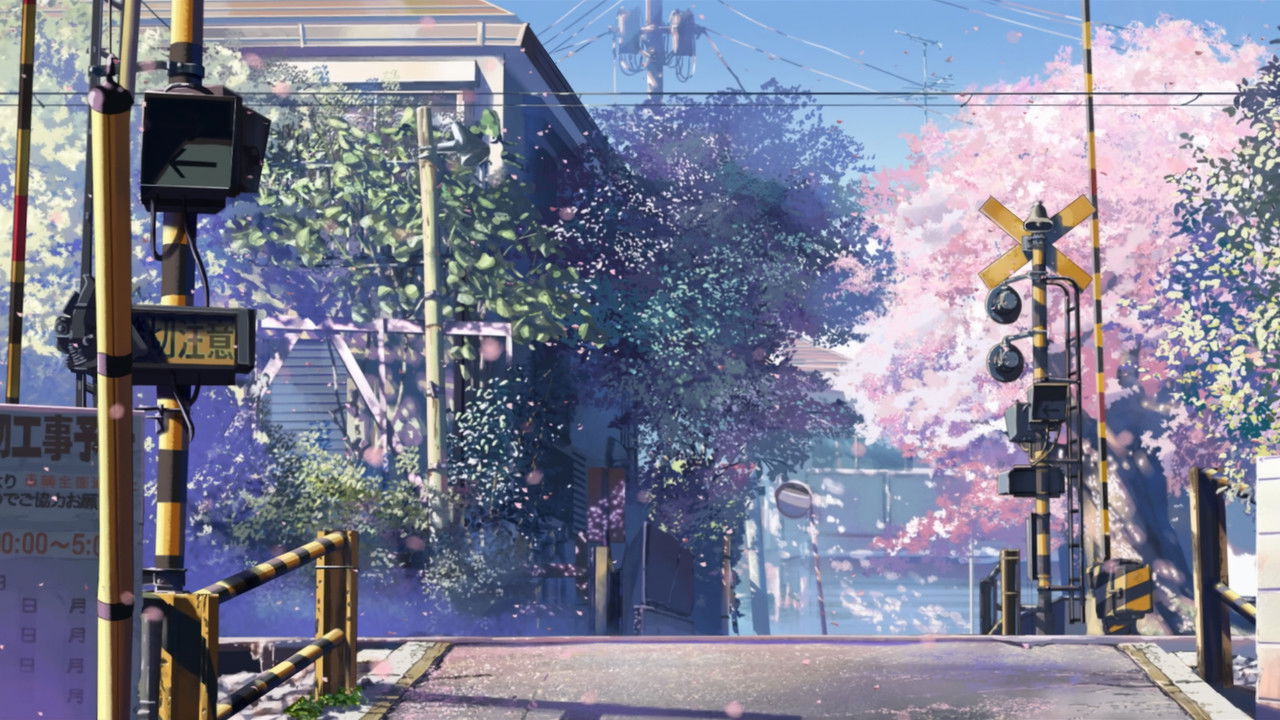
Turns out, the production was a bit of a leap for CoMix Wave Films. They used a hybrid of traditional hand-drawn layouts and digital painting that allowed for that signature "shimmer." It was also one of the first major anime productions to lean heavily into the "realist" aesthetic—using actual locations in Tokyo and Tochigi to ground the melodrama. Fans still take pilgrimages to the specific train crossing from the finale, which is a testament to how deeply this film’s geography is etched into its viewers' hearts.
5 Centimeters per Second is a short, sharp shock of a film. It manages to capture the specific melancholy of the 2000s—the tech-anxiety, the physical distance, and the quiet tragedy of growing up. It’s a visual feast that demands you sit still for an hour and just feel something, even if that something is a bit of a heart-wringing ache. If you haven't seen it since the DVD era, it’s time to revisit it; just make sure you have some tissues and maybe a working dryer nearby.
The film ends not with a bang, but with a song—"One More Time, One More Chance" by Masayoshi Yamazaki. It’s a 90s J-Pop ballad that perfectly encapsulates the film's yearning. As the credits roll, you're left with the realization that some distances can't be crossed, no matter how fast you travel. It’s a quiet, devastating realization that lingers long after the screen goes black.
Keep Exploring...
-
The Garden of Words
2013
-
Weathering with You
2019
-
The Lion King II: Simba's Pride
1998
-
Millennium Actress
2002
-
The Wind Rises
2013
-

Your Name.
2016
-

Frida
2002
-
Punch-Drunk Love
2002
-

The Cat Returns
2002
-

The Dreamers
2003
-
Corpse Bride
2005
-

Match Point
2005
-
Stranger Than Fiction
2006
-
The Fountain
2006
-
The Girl Who Leapt Through Time
2006
-
The Illusionist
2006
-

High School Musical 2
2007
-
Persepolis
2007
-

Revolutionary Road
2008
-

The Wrestler
2008