88 Minutes
"Tick-tock. The clock is screaming, and so is Al Pacino."
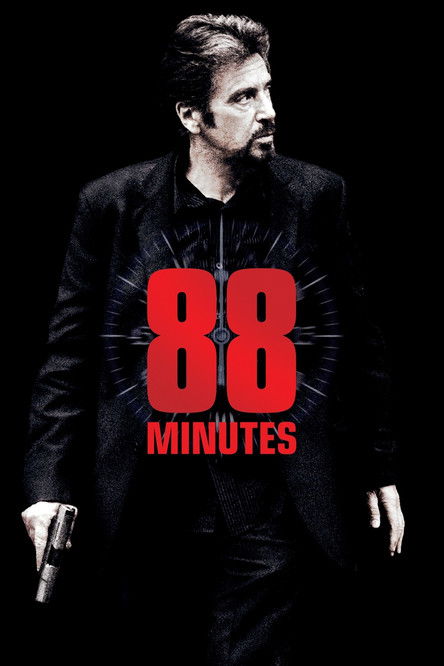
Imagine being the most respected actor of your generation and finding yourself in a movie where your hair is trying to escape your head while a killer calls you every five minutes to remind you of the runtime. I’m talking, of course, about 88 Minutes, a film that feels like a fever dream from the mid-2000s, an era when Hollywood was convinced that every thriller needed to be tinted green and move at the speed of a caffeinated squirrel. I recently revisited this one while trying to assemble a particularly stubborn IKEA bookshelf, and I realized that while the bookshelf eventually made sense, this plot never quite does.
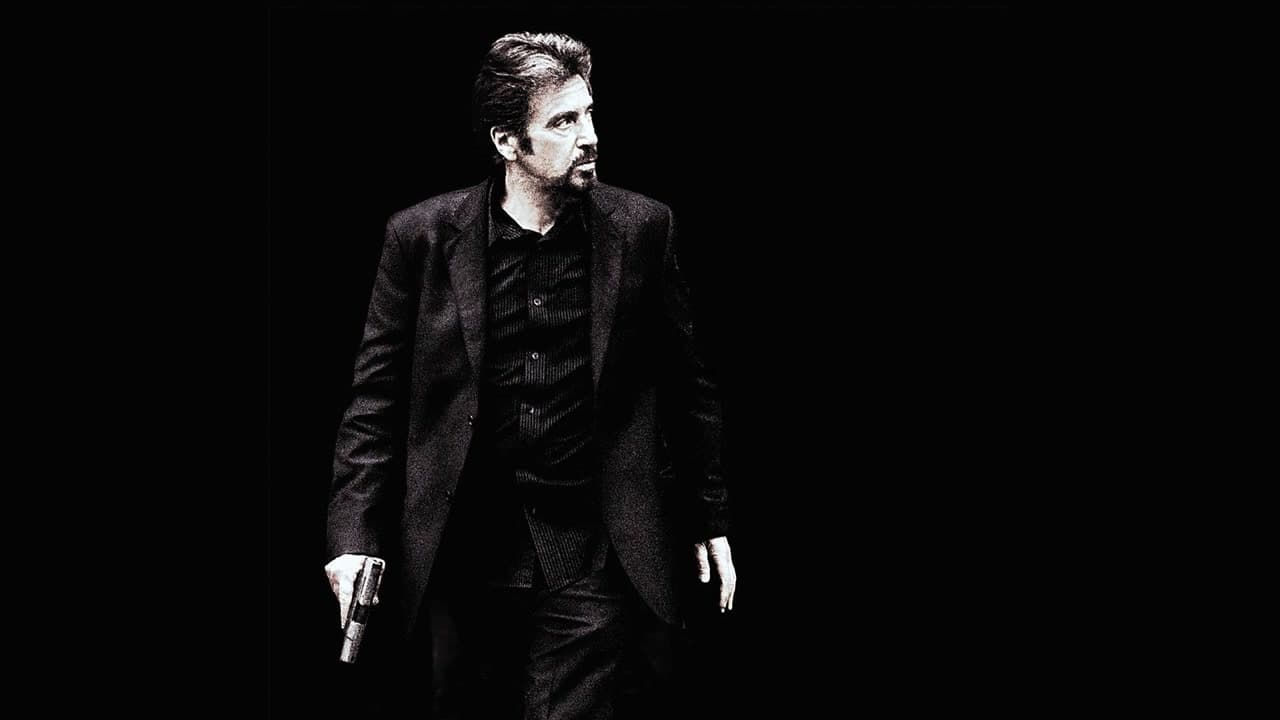
The premise is pure high-concept bait: Al Pacino plays Dr. Jack Gramm, a forensic psychiatrist whose testimony put a serial killer on death row. On the eve of the execution, Gramm receives a phone call telling him he has exactly 88 minutes to live. It’s a "real-time" thriller that isn’t actually filmed in real-time, which is the first of many betrayals the film offers its audience.
The Mid-2000s Mystery Machine
To understand why 88 Minutes exists, you have to look back at the cinematic landscape of 2007. We were in the tail end of the "DVD thriller" boom. This was a time when you could walk into a Blockbuster and find a dozen movies with similar covers—rainy streets, a ticking clock, and a legendary actor looking confused. The film was actually finished in 2005 but sat on a shelf for years, eventually leaking into international markets before limping into U.S. theaters.
Looking back, the movie is a time capsule of that awkward transition from analog to digital. Characters use flip phones with the intensity of people diffusing bombs, and the "hacking" sequences are pure cinematic gibberish designed by someone who once saw a computer in a dream. Director Jon Avnet leans heavily into the aesthetic of the time—shaky cams, sudden zooms, and a color palette that suggests the entire city of Seattle is suffering from a mild case of jaundice. It lacks the grounded grit of the 90s but hasn't yet found the sleekness of the 2010s.
A Masterclass in Late-Era Pacino

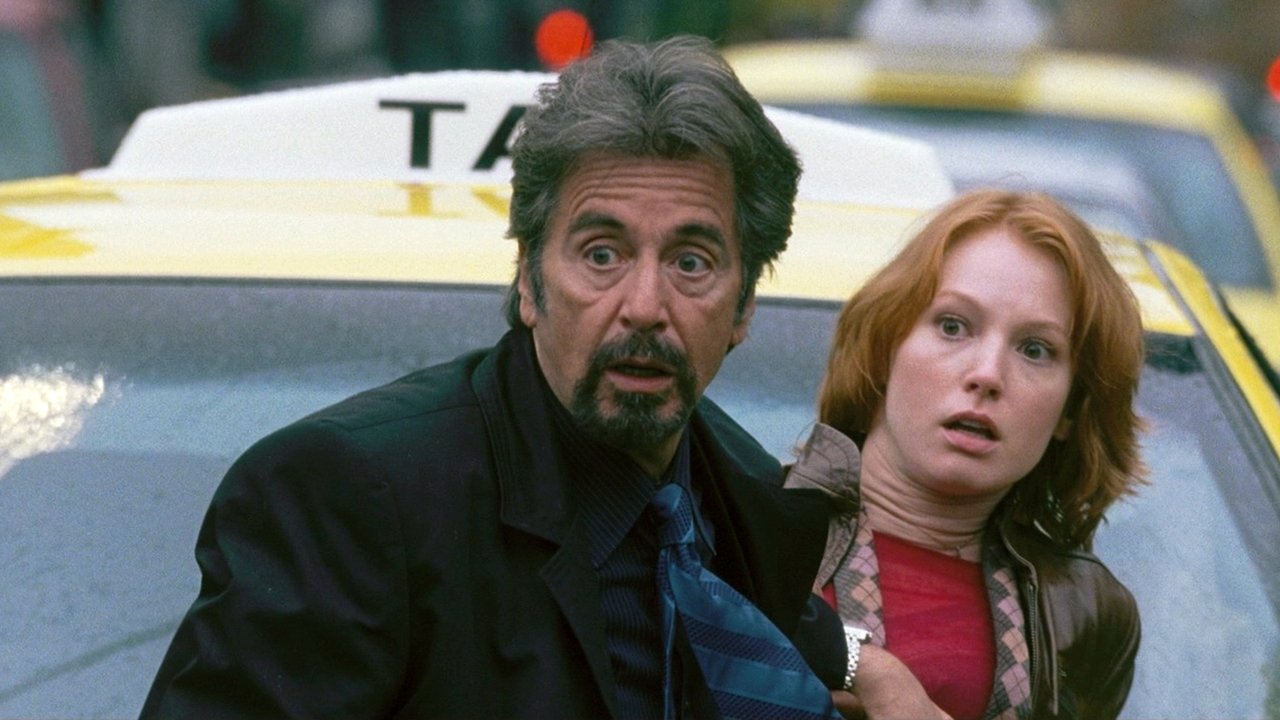
Let’s talk about Al Pacino. By 2007, he had fully transitioned into his "shouting" phase, and Dr. Jack Gramm is the perfect vessel for this energy. He spends most of the movie sprinting through the University of Washington campus, dodging explosions, and yelling into his phone. There is something inherently fascinating about watching a legend like Pacino commit this hard to a script that feels like it was written by an AI that had only ever seen episodes of CSI: Miami.
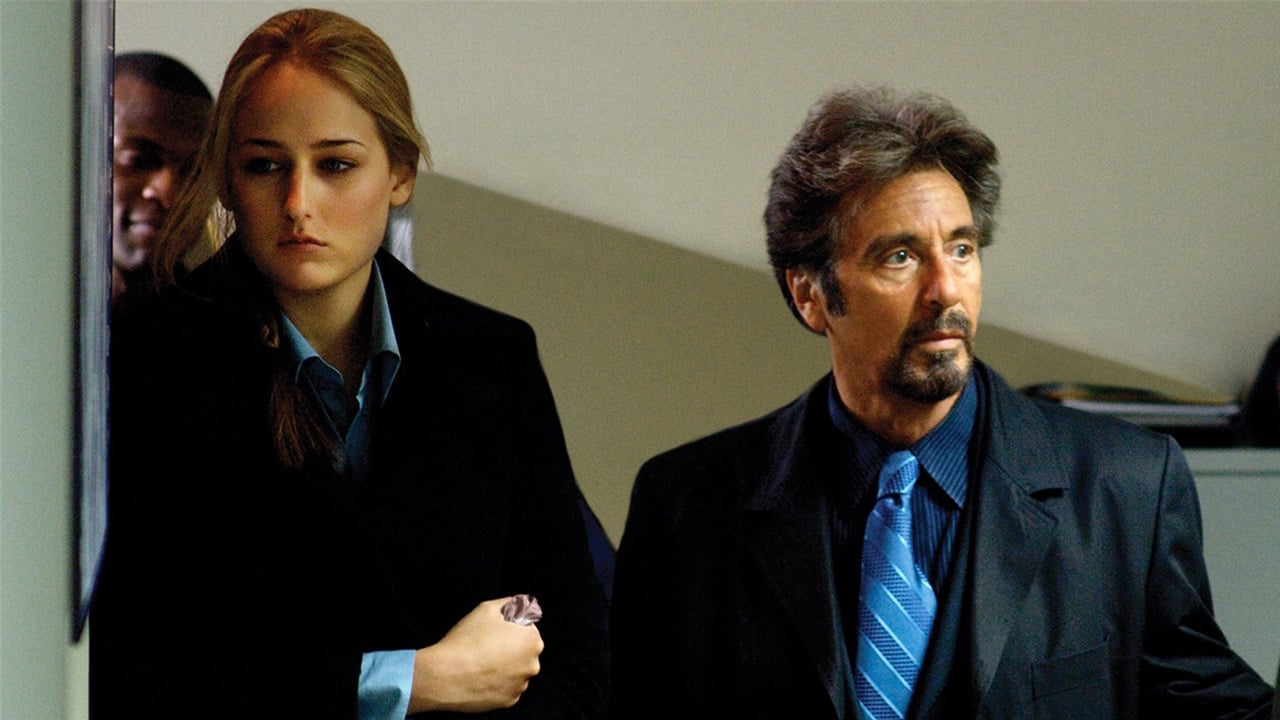
The supporting cast is an absolute "who’s who" of "I know that face." Alicia Witt and Leelee Sobieski do their best to play Gramm’s assistants/students/suspects, but the film treats every female character with a bizarre, suspicious energy. Even Amy Brenneman and Deborah Kara Unger pop up, looking like they wandered onto the wrong set but decided to stay for the craft services. The problem isn't the acting—it's that the movie wants everyone to be a suspect, which means every character has to act like a total sociopath for no reason. The movie’s internal logic is held together by hairspray and sheer audacity, and Pacino is the only one with the lung capacity to keep the balloon inflated.
Why the Clock Stopped Ticking
Why did this film vanish into the bargain bins of history? Beyond the troubled production and the delayed release, 88 Minutes suffers from a fundamental identity crisis. It wants to be a sophisticated psychological drama about the fallibility of forensic science, but it keeps getting interrupted by a plot that belongs in a straight-to-video action flick. At one point, a character gets shot with an arrow in a crowded parking garage. It’s that kind of movie.
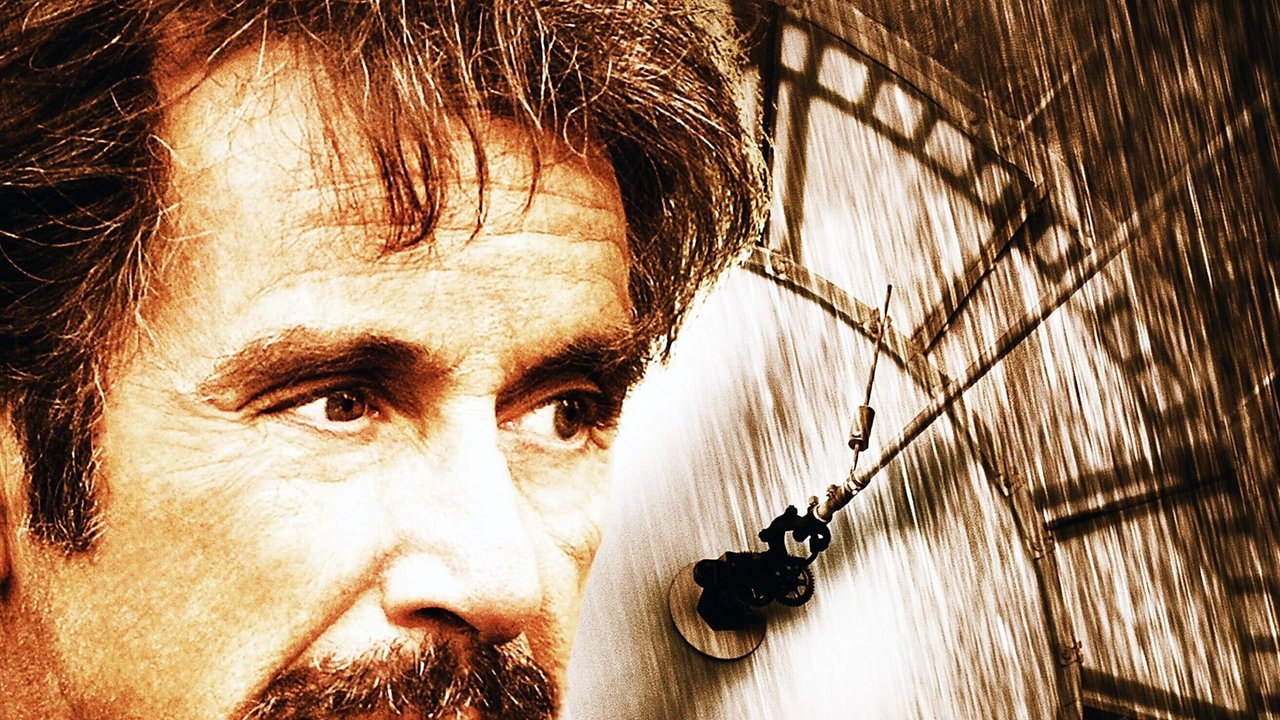
The "88 minutes" gimmick is also largely wasted. Instead of building a sense of claustrophobia or mounting dread, the timer just serves as a reminder of how much movie you have left. In retrospect, this film represents the dying gasp of the mid-budget star vehicle. Before the MCU swallowed the industry, these were the movies that filled theaters. They weren't always good, but they were weirdly ambitious in their mediocrity. Today, 88 Minutes is a forgotten curiosity, a reminder that even the greatest titans of cinema occasionally have a very bad day at the office.
Ultimately, 88 Minutes is a mess, but it’s an entertaining mess if you’re in the right headspace. It’s a fascinating look at a transitionary period in film history where "gritty" just meant "poorly lit" and star power was expected to cover for a nonsensical script. If you’re a Pacino completist or just miss the days when thrillers were loud, green, and obsessed with landlines, give it a look. Just don't expect the math to add up when the clock hits zero.
Keep Exploring...
-
Righteous Kill
2008
-

Silent Hill: Revelation 3D
2012
-
Mindhunters
2004
-
The Forgotten
2004
-
Cleaner
2007
-

Premonition
2007
-

The X Files: I Want to Believe
2008
-
Untraceable
2008
-

The Fourth Kind
2009
-
Chloe
2010
-
The Ward
2010
-
The Raven
2012
-
Blood Work
2002
-
Basic
2003
-

Paycheck
2003
-

Revolver
2005
-
Stay
2005
-
Awake
2007
-
Perfect Stranger
2007
-

The Invasion
2007