Alvin and the Chipmunks
"High-pitched harmonies, low-brow humor, and a billion-dollar squeak."
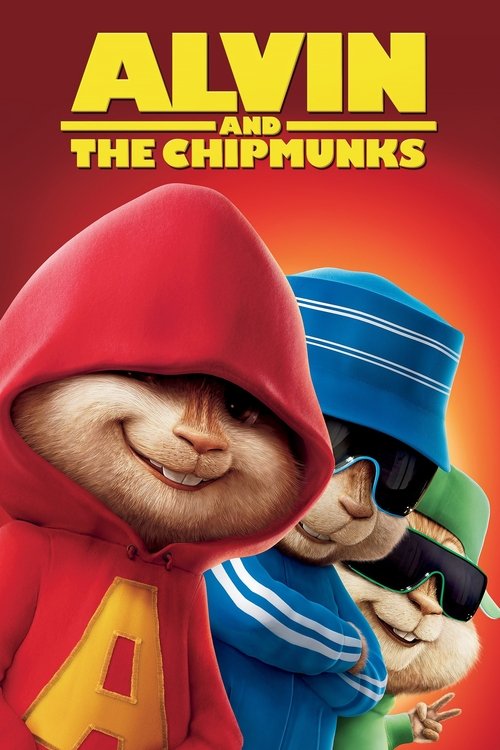
In the late 2000s, there was no escaping the frequency. If you turned on a radio, walked through a Target, or passed a playground, you were bombarded by the helium-laced sounds of three digital rodents covering Top 40 hits. It was a sonic siege. I once watched this film on a flight while the person in the seat next to me was aggressively peeling a hard-boiled egg; somehow, the sulfurous smell and the high-pitched rendition of "Funkytown" created a sensory memory that I have never been able to fully shake.
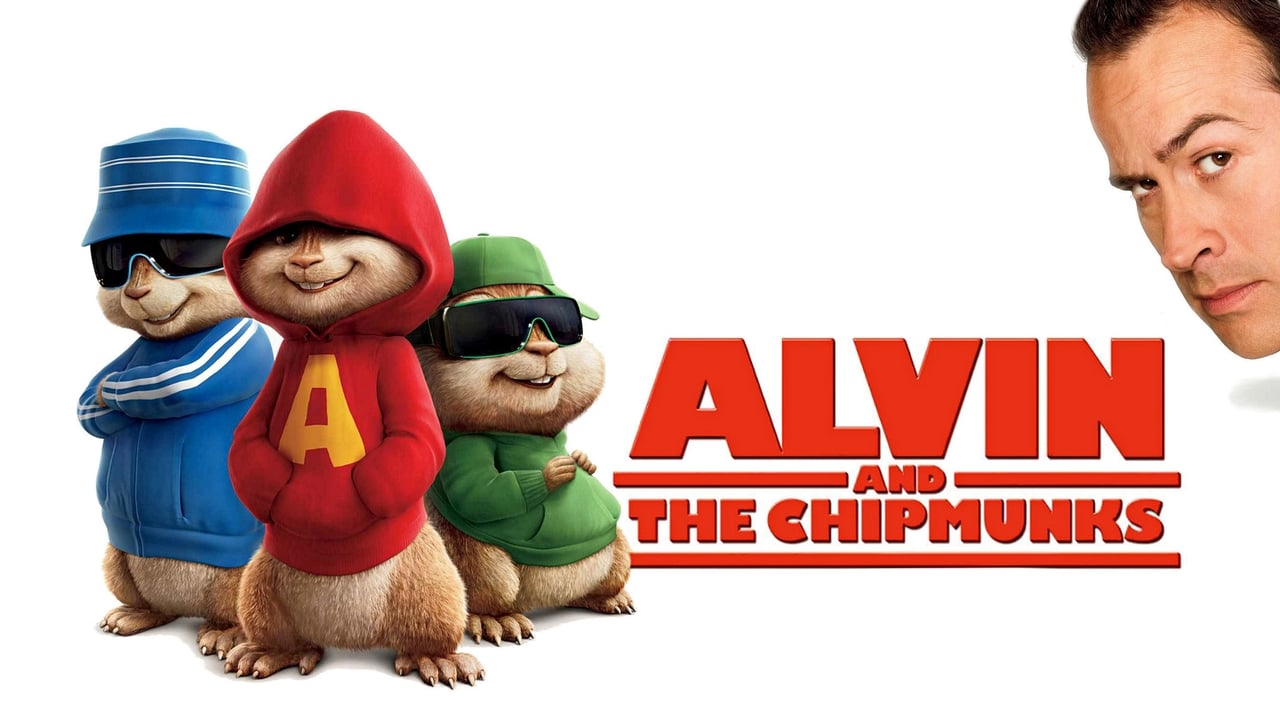
Directed by Tim Hill, Alvin and the Chipmunks wasn’t just a movie; it was a tactical strike on the global box office. Released in 2007, it arrived at the perfect intersection of the CGI revolution and the burgeoning "franchise-at-all-costs" mentality that was beginning to define the era. Looking back, it serves as a fascinating, if slightly shrill, artifact of cinema’s transition from the experimental digital effects of the 90s to the polished, corporate-mandated perfection of the 2010s.
The Great Squeak-Over of 2007
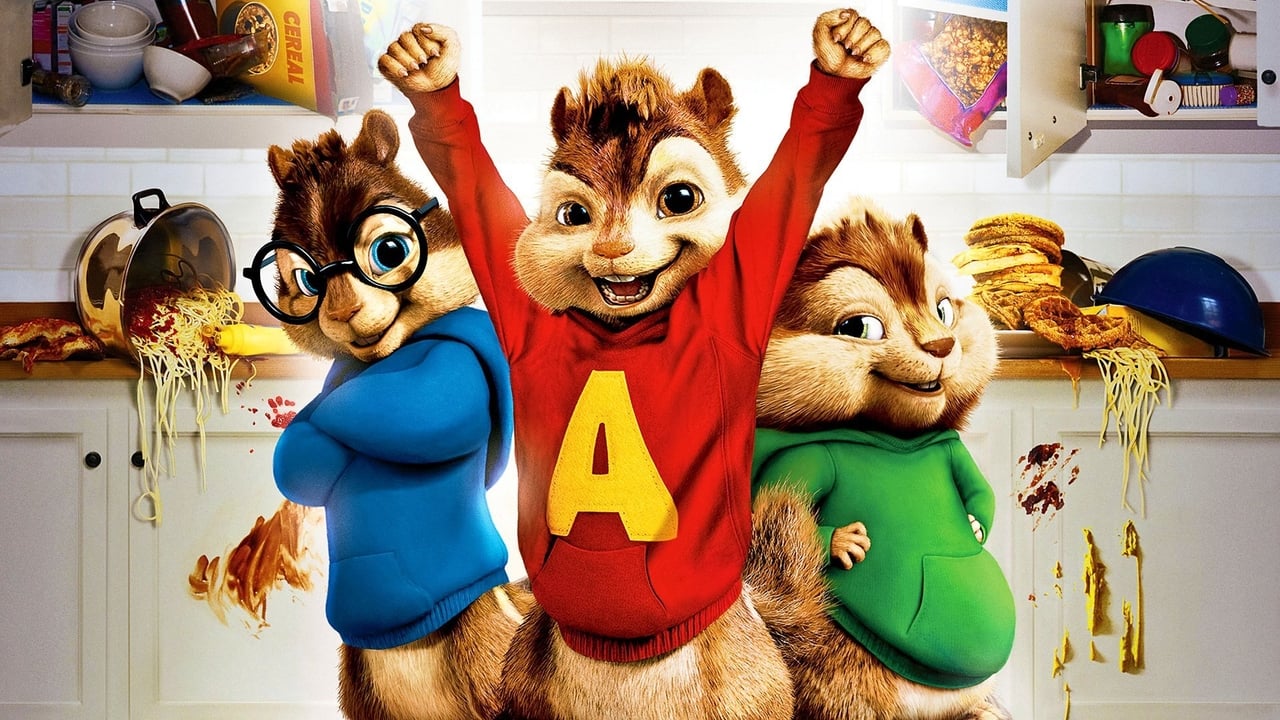
The plot is as thin as a wafer: Dave Seville (Jason Lee), a struggling songwriter whose career is in the gutter, discovers three talking, singing chipmunks—Alvin, Simon, and Theodore. They want food; he wants a hit. It’s a marriage of convenience that turns into a family dynamic, eventually pitting the trio against David Cross, who plays the villainous record executive Ian Hawke with the energy of a man who knows exactly how much his mortgage costs.
What’s wild in retrospect is the sheer scale of its success. With a $60 million budget, it wasn't exactly a gamble, but its $361 million global haul was a "stop everything" moment for 20th Century Fox. It outgrossed some of the most anticipated films of the year by leaning into a specific brand of hyper-kinetic, kid-friendly chaos. It captured that post-Y2K appetite for "safe" family entertainment that could also move units—the soundtrack went Platinum, proving that people would actually pay for music that sounded like a blender full of whistles.
The Indie-to-Rodent Pipeline

One of the most interesting things about the 2000s was watching indie darlings get swallowed by the studio machine. Jason Lee, the guy who built his career on being the coolest person in Kevin Smith movies like Mallrats and Chasing Amy, suddenly became the face of "Dad-core" slapstick. I’ve always felt a weird sympathy for Lee here; his job is essentially to scream "ALVIN!" at a piece of empty air while looking like he’s reconsidering every life choice leading to that moment.
Then there’s the voice cast. While the voices are sped up to the point of anonymity, the studio shelled out for actual talent: Justin Long as Alvin, Matthew Gray Gubler as Simon, and Jesse McCartney as Theodore. Apparently, the actors recorded their lines at a slower-than-normal pace so that when the pitch was shifted up, the delivery would still sound natural. It’s a lot of effort for characters that mostly exist to fall into bowls of cheese balls, but it speaks to the era’s obsession with "star-power" even when you can't actually hear the stars.
CGI Fur and Corporate Greed
Technologically, Alvin was a showcase for the "fur-rendering" breakthroughs of the mid-2000s. We were just a few years past the somewhat plastic-looking creatures of Scooby-Doo (2002), and the team at Rhythm & Hues (who also did the effects for Life of Pi later) made these chipmunks look surprisingly tactile. They have weight, their fur reacts to light, and they integrate into the live-action environments with a seamlessness that we now take for granted but was arguably the "Avatar" of singing rodent movies at the time.
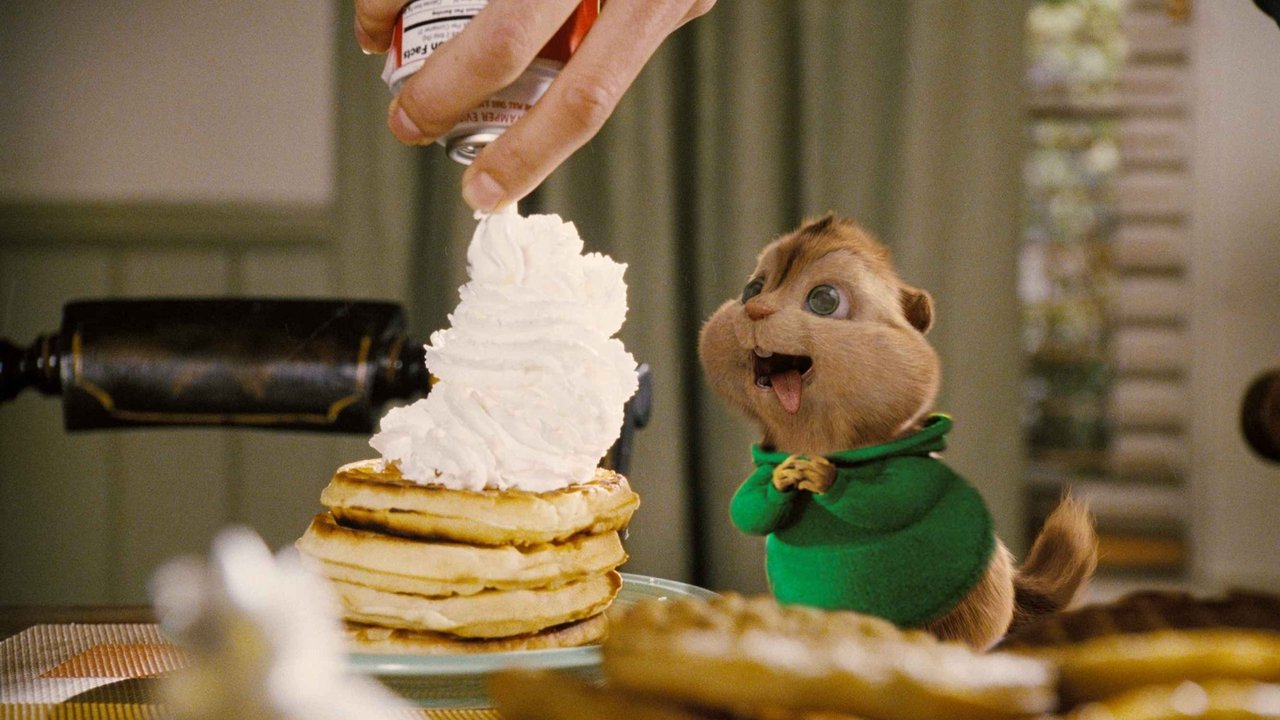
However, the film also leans heavily into the "cringe comedy" that defined the 2000s. There’s a scene involving a chipmunk eating a "raisin" that isn't a raisin (it's poop, the joke is poop), which serves as a reminder that family films of this era often aimed for the lowest common denominator. Yet, David Cross elevates the entire production. He has famously been vocal about his disdain for the experience of making these films, but his performance is a masterclass in professional cynicism. He plays Ian Hawke like a man who has sold his soul and is now just trying to get the best price for the remaining scraps.
In the end, Alvin and the Chipmunks is a perfect time capsule. It represents the moment when Hollywood realized that nostalgic IP plus decent CGI equals a license to print money. It’s not "high art," and the script is about as deep as a suburban birdbath, but it has a manic, sugar-rush energy that is impossible to ignore. It’s a film that knows exactly what it is: a 92-minute delivery system for toys, ringtones, and cereal tie-ins.
Ultimately, your enjoyment of this one depends entirely on your tolerance for pitch-shifted pop songs and Jason Lee’s visible internal struggle. It’s a landmark of its era for its commercial dominance and technical competence, even if it lacks the soul of the hand-drawn specials from decades prior. If you have kids, they’ll love the slapstick; if you’re an adult, you’ll find yourself wondering how many more "ALVIN!" screams it takes to pay for a house in the Hollywood Hills. It’s a fascinating, loud, and undeniably successful piece of 2000s pop culture history.
Keep Exploring...
-
Alvin and the Chipmunks: Chipwrecked
2011
-
Alvin and the Chipmunks: The Squeakquel
2009
-
Alvin and the Chipmunks: The Road Chip
2015
-
Shrek Forever After
2010
-

Night at the Museum
2006
-
Shrek the Third
2007
-
Horton Hears a Who!
2008
-

Hop
2011
-

Puss in Boots
2011
-
The Smurfs
2011
-
Garfield: A Tail of Two Kitties
2006
-
Herbie Fully Loaded
2005
-
Casper
1995
-
Doctor Dolittle
1998
-
The Smurfs 2
2013
-
The Santa Clause
1994
-

The Santa Clause 2
2002
-
The Haunted Mansion
2003
-

Charlotte's Web
2006
-

The Ant Bully
2006