American Gangster
"The American Dream is a hostile takeover."
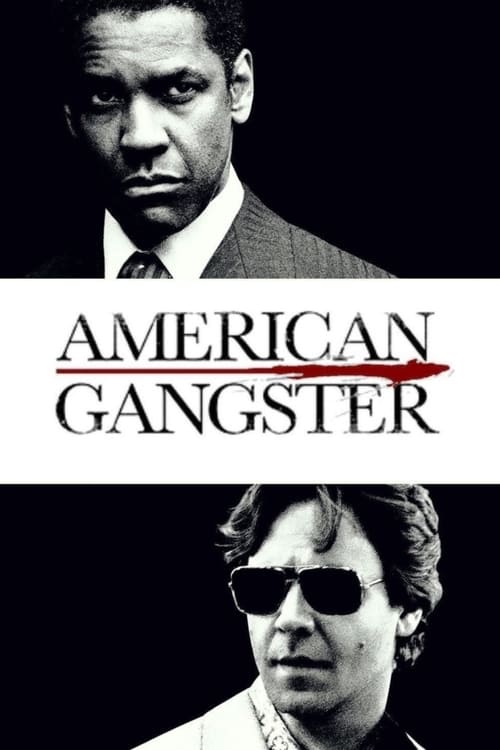
The opening of American Gangster doesn't bother with a slow burn; it gives us a man on fire. Literally. We watch Frank Lucas douse a victim in gasoline and light a cigar while the guy screams. It’s a terrifying, icy introduction to a character who spends the next two and a half hours convincing us he’s just a humble businessman. This isn't the operatic, cocaine-fueled madness of Scarface or the tragic, Shakespearean arc of The Godfather. It’s a blue-collar corporate procedural where the product just happens to be high-grade heroin shipped in the coffins of fallen soldiers.
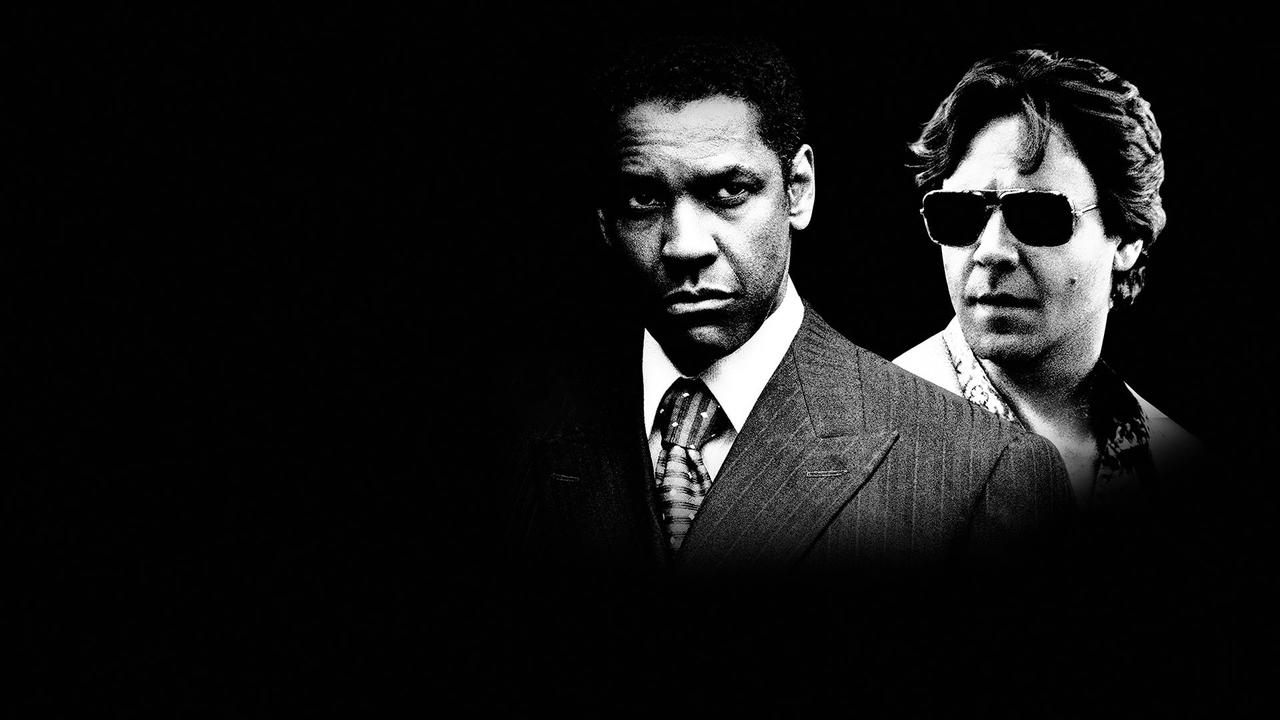
I watched this recently on a rainy Tuesday, and I realized I still have the original 2nd-generation iPod I used to listen to the Jay-Z "inspired-by" album back in '07—the battery is dead, but the memory of that specific cultural crossover is vivid. American Gangster feels like the peak of that mid-2000s era where "gritty realism" was the highest currency in Hollywood, sitting comfortably between the release of The Departed and The Dark Knight.
The CEO of Harlem
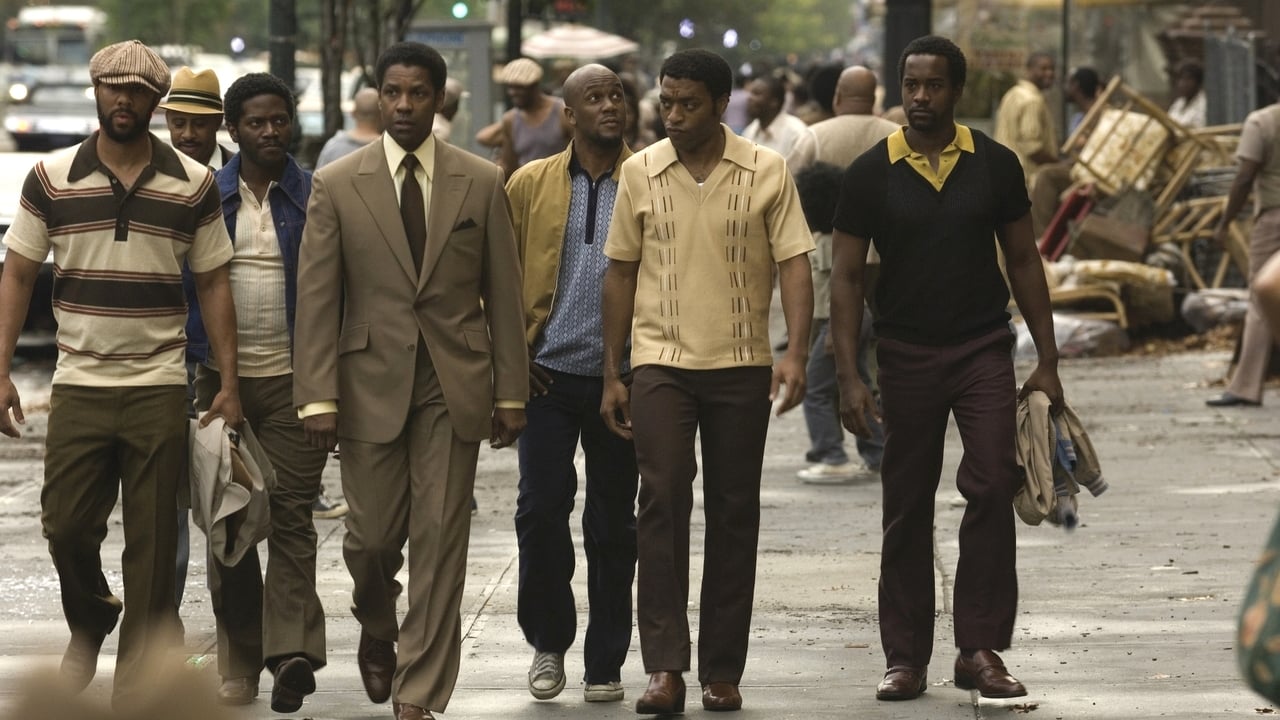
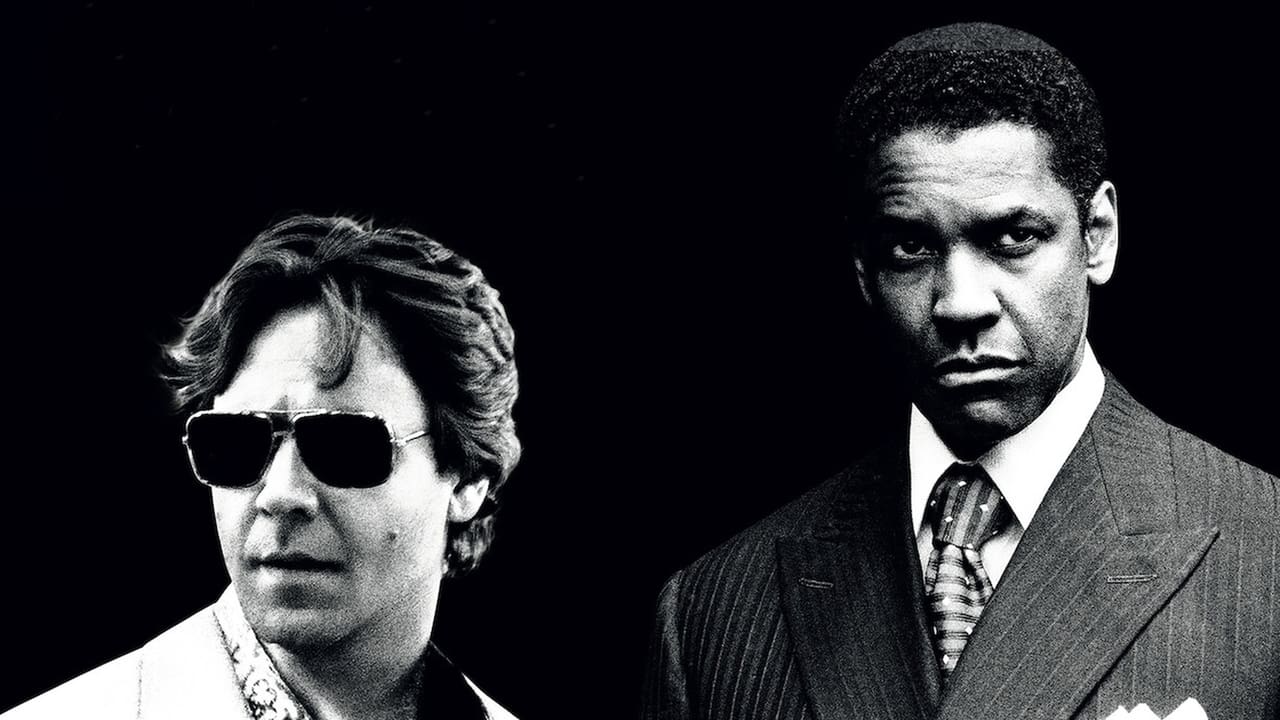
Denzel Washington delivers a performance that is terrifyingly controlled. His Frank Lucas is a man of quiet, lethal discipline. He’s the guy who tells his brothers to stop wearing loud suits because "the loudest one in the room is the weakest one in the room." Watching Denzel navigate the streets of Harlem is like watching a shark move through a kelp forest—efficient, silent, and always the apex predator. He plays Frank not as a monster, but as a pioneer of late-stage capitalism. He cuts out the middleman, goes straight to the source in the jungles of Southeast Asia, and sells a superior product ("Blue Magic") for a lower price.
Opposite him, we have Russell Crowe as Richie Roberts, a Newark detective who is so honest he’s become a pariah. In a police department overflowing with corruption—personified by a delightfully sleazy, gum-chewing Josh Brolin—Richie is the only guy who would turn in a million dollars of untraceable drug money rather than pocket it. The film spends its runtime as a parallel character study. We see Frank’s domestic bliss and professional success contrasted with Richie’s crumbling personal life and professional isolation. It’s basically The Wire if it had a $100 million budget and a fetish for Chinchilla coats.
A World of Grain and Grime
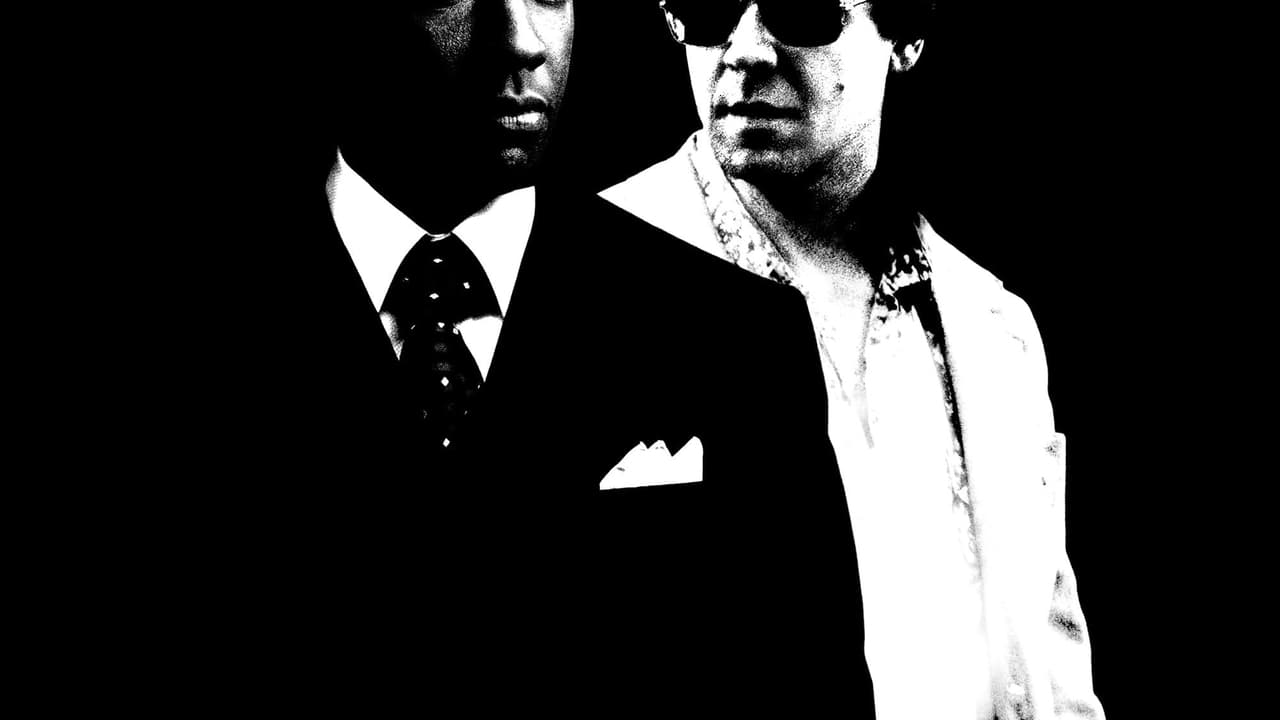
Director Ridley Scott (the man behind Blade Runner and Gladiator) and cinematographer Harris Savides opted for a desaturated, oily look that perfectly captures the "everything is for sale" vibe of the 1970s. This was a transitional moment for cinema; you can feel the weight of the film stock before digital took over the industry. The sets feel lived-in and damp. When Chiwetel Ejiofor or Cuba Gooding Jr. (who is fantastic as the flashy rival Nicky Barnes) walk through a scene, you can practically smell the exhaust fumes and the cheap cologne.
The script by Steven Zaillian is a masterclass in pacing. Despite the 157-minute runtime, it never drags. It moves with the steady, thumping heartbeat of a man who knows exactly where he’s going. The film captures that post-9/11 anxiety regarding systemic failure; the villains aren't just the guys in the shadows, but the institutions—the military, the police, the banks—that allow the shadows to grow.
The Legend vs. The Reality
Part of the fun of American Gangster is the layers of "cool" that have built up around it, though the production history is almost as chaotic as a street war.
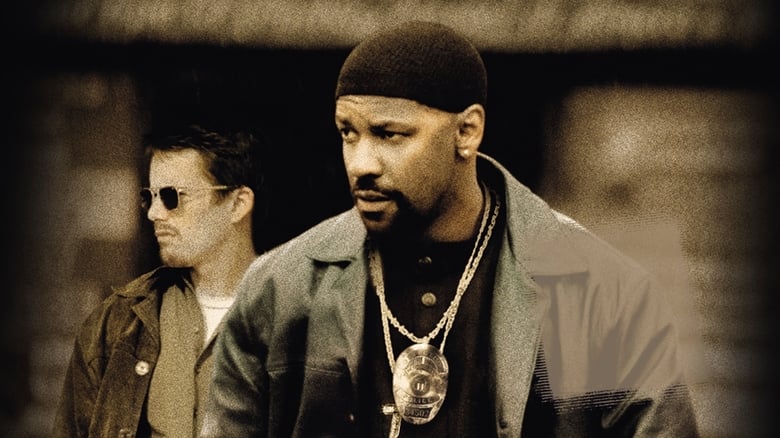
The project was originally "dead" in 2004. It was supposed to be directed by Antoine Fuqua (Training Day) starring Denzel and Benicio Del Toro, but Universal scrapped it due to budget concerns. They paid $30 million just in "kill fees" before Ridley Scott eventually stepped in to revive it. The real Frank Lucas was a constant presence on set. Denzel reportedly spent hours with him to nail the cadence, though the real Richie Roberts eventually noted that the film is about "one percent reality and 99 percent Hollywood." That Chinchilla coat was a character of its own. The real Lucas claimed that wearing that flashy coat to the Ali-Frazier fight was his biggest mistake, as it alerted the authorities that a new king was in town. In the movie, it’s the catalyst for his downfall. Jay-Z's involvement wasn't planned. After seeing a screening, Jay-Z was so moved he recorded an entire concept album inspired by the film. It’s one of the few times a "soundtrack" felt as essential as the movie itself. Denzel and Crowe barely share the screen. Much like Heat* (1995), the two leads don't actually meet face-to-face until the final act. It’s a masterclass in blue-balling the audience for a narrative payoff.
American Gangster is a towering achievement in the crime genre that manages to be both an epic and an intimate portrait of two men on opposite sides of the same coin. It’s a film about the price of integrity and the cost of the American Dream, delivered with a slickness that only a veteran like Ridley Scott could manage. While it might take liberties with the truth, it tells a story that feels profoundly honest about the rot at the heart of the system. It’s a heavy, intense watch, but one that rewards you with every frame.

Keep Exploring...
-
Thelma & Louise
1991
-
Matchstick Men
2003
-
Gangs of New York
2002
-
Kingdom of Heaven
2005
-
John Q
2002
-
Hannibal
2001
-

Inside Man
2006
-
Training Day
2001
-
Road to Perdition
2002
-
The Life of David Gale
2003
-

Batman Begins
2005
-

Changeling
2008
-

Law Abiding Citizen
2009
-
Body of Lies
2008
-
Man on Fire
2004
-
25th Hour
2002
-
Adaptation.
2002
-
21 Grams
2003
-
Monster
2003
-

Lord of War
2005