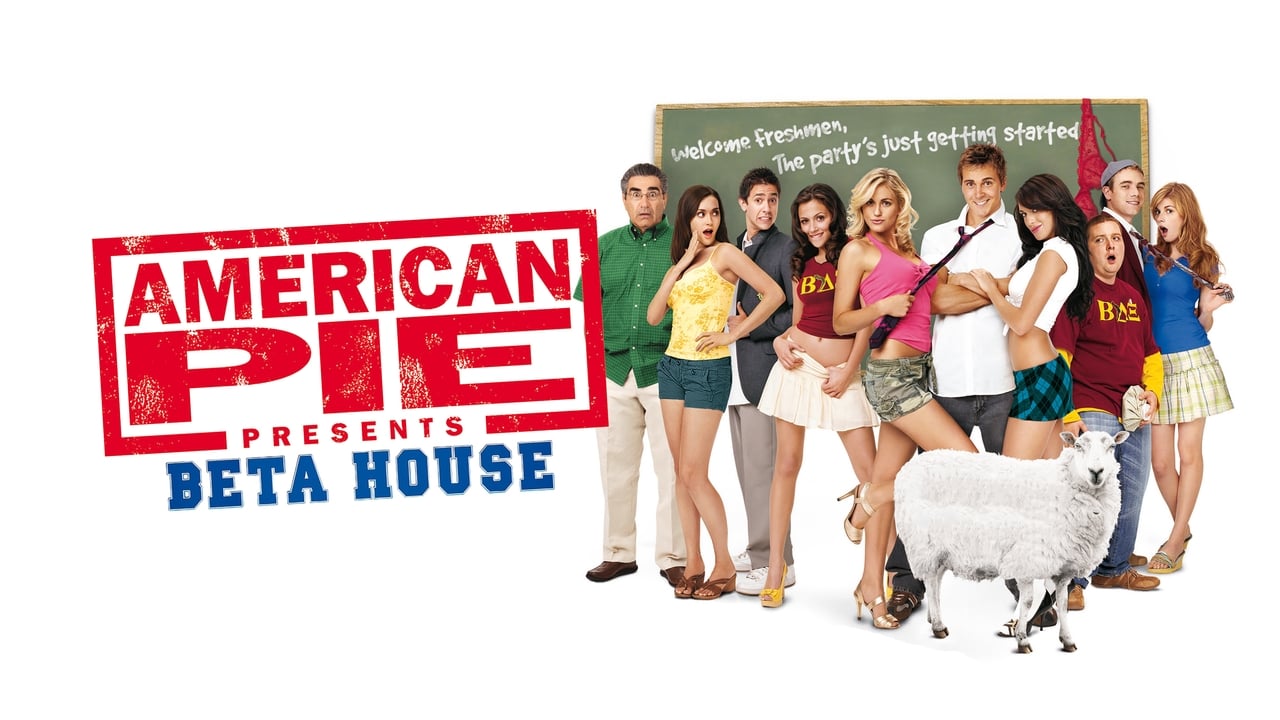
American Pie Presents: Beta House
"Higher education, lower standards."
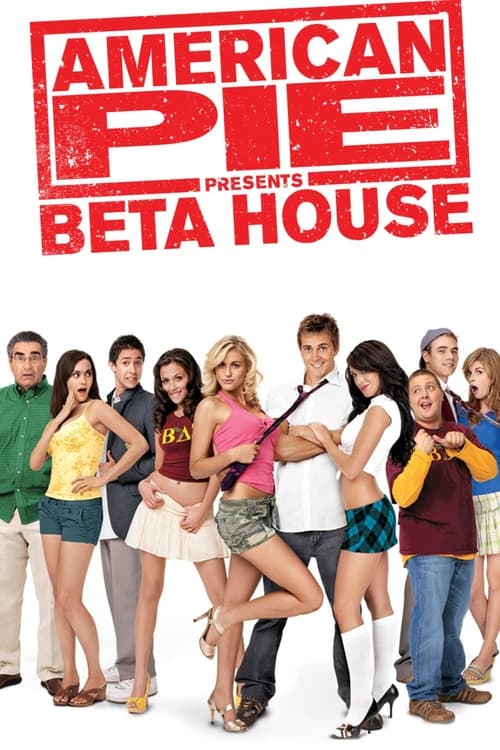
I remember the exact moment I realized the American Pie franchise had mutated into something entirely different. It was 2007, and I was sitting on a sagging beanbag chair in my cousin’s basement, eating a bowl of cereal that had gone dangerously soggy because I was too distracted by the sheer audacity of what was happening on the screen. I was watching a laptop with a flickering backlight, and the movie was American Pie Presents: Beta House. This wasn't the sweet, awkward coming-of-age story of Jim Levenstein and his pact-making buddies. This was something louder, cruder, and essentially a 90-minute beer commercial directed by Caligula.
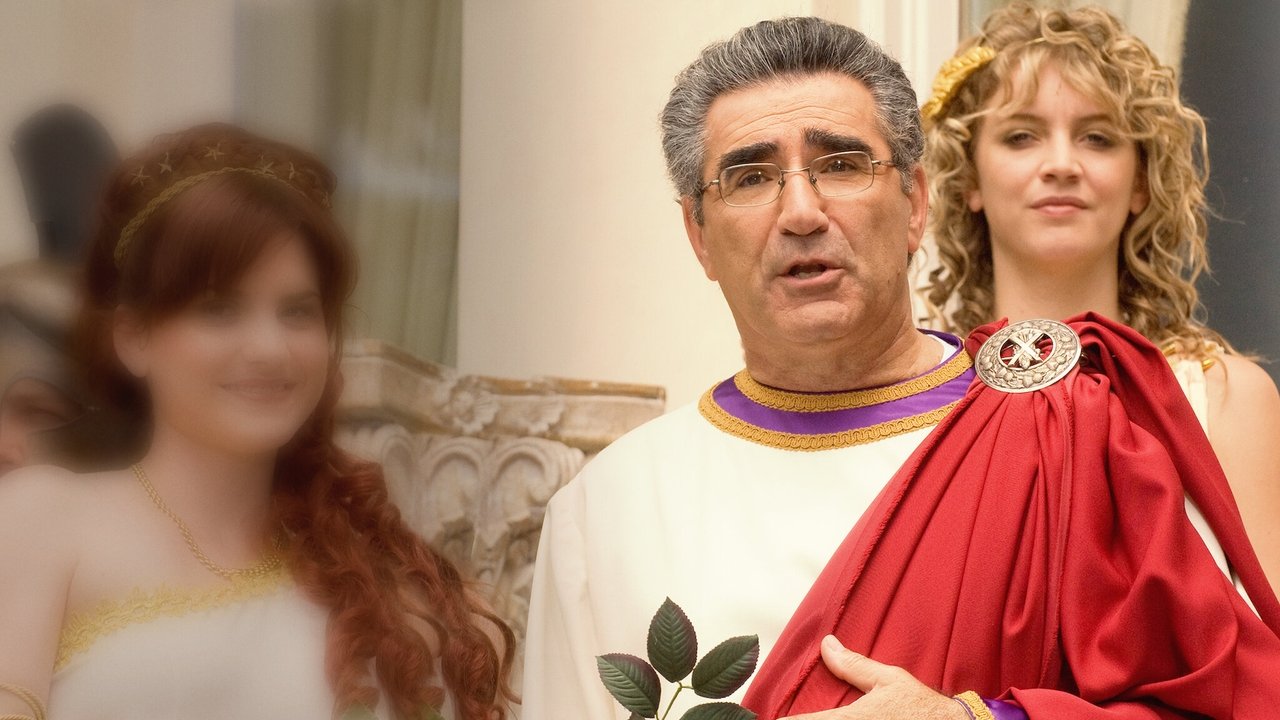
By the mid-2000s, the "Direct-to-DVD" market was the Wild West of Hollywood. Major studios realized they could slap a recognizable brand name on a low-budget production, keep Eugene Levy as a tether to reality, and print money. Beta House represents the absolute zenith—or nadir, depending on your hangover—of this era. It’s a film that exists because the "Unrated" banner on a DVD cover was the most powerful marketing tool in existence for a brief, shining window between the death of VHS and the birth of Netflix.
The Stifler Succession
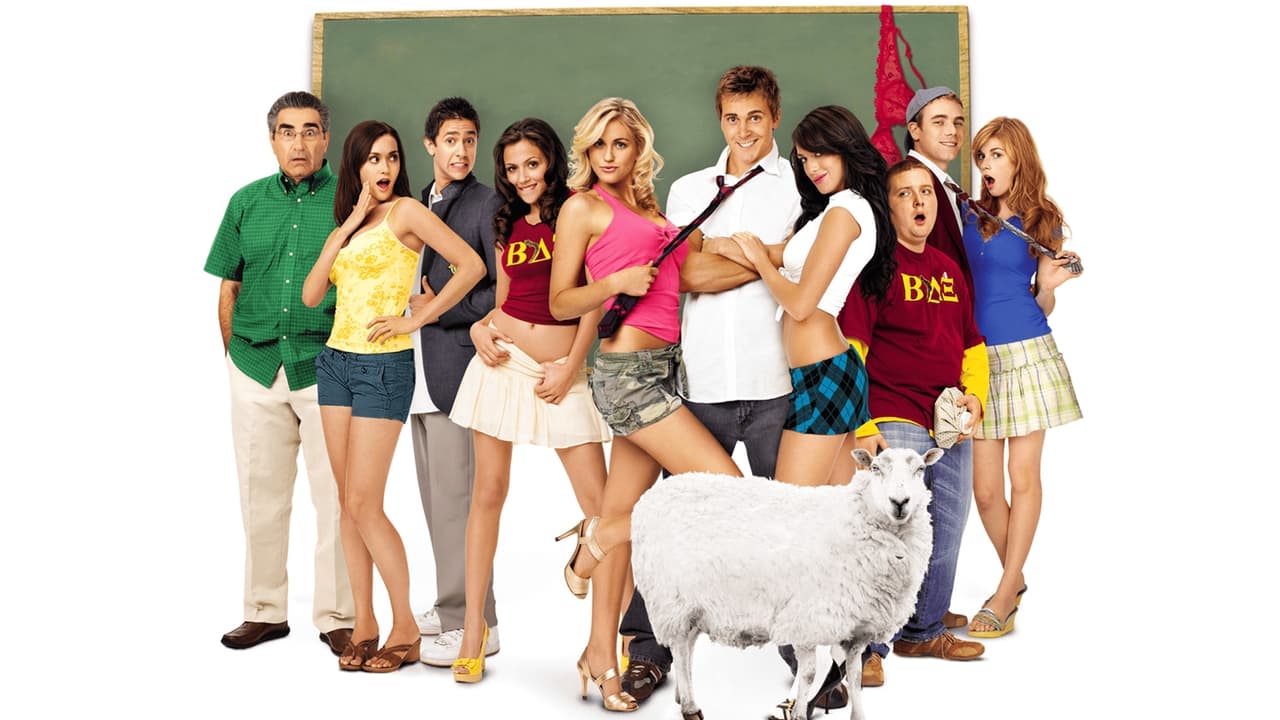
The plot, if we’re being generous enough to call it that, follows Erik Stifler (John White) and his buddy Cooze (Jake Siegel) as they enter college and pledge the Beta House. Presiding over this den of iniquity is Dwight Stifler, played by Steve Talley. Looking back, Steve Talley is a fascinating case study in franchise evolution. While Seann William Scott’s original Stifler was a frantic, insecure jerk masquerading as a party god, Talley's Dwight is a charismatic sociopath who has achieved total enlightenment through keg stands.
Steve Talley doesn't just play a Stifler; he inhabits the archetype with a terrifying level of commitment. He’s the guy you’d love to party with for exactly twenty minutes before realizing he’s probably going to get you arrested or inducted into a cult. His chemistry with the "Geek" rivals—the nerdy fraternity that wants to shut down the Betas—is where the movie finds its pulse. It’s a classic "Slobs vs. Snobs" setup, but in 2007, the "Slobs" had better hair and significantly less shame.
The Unrated DVD Aesthetic
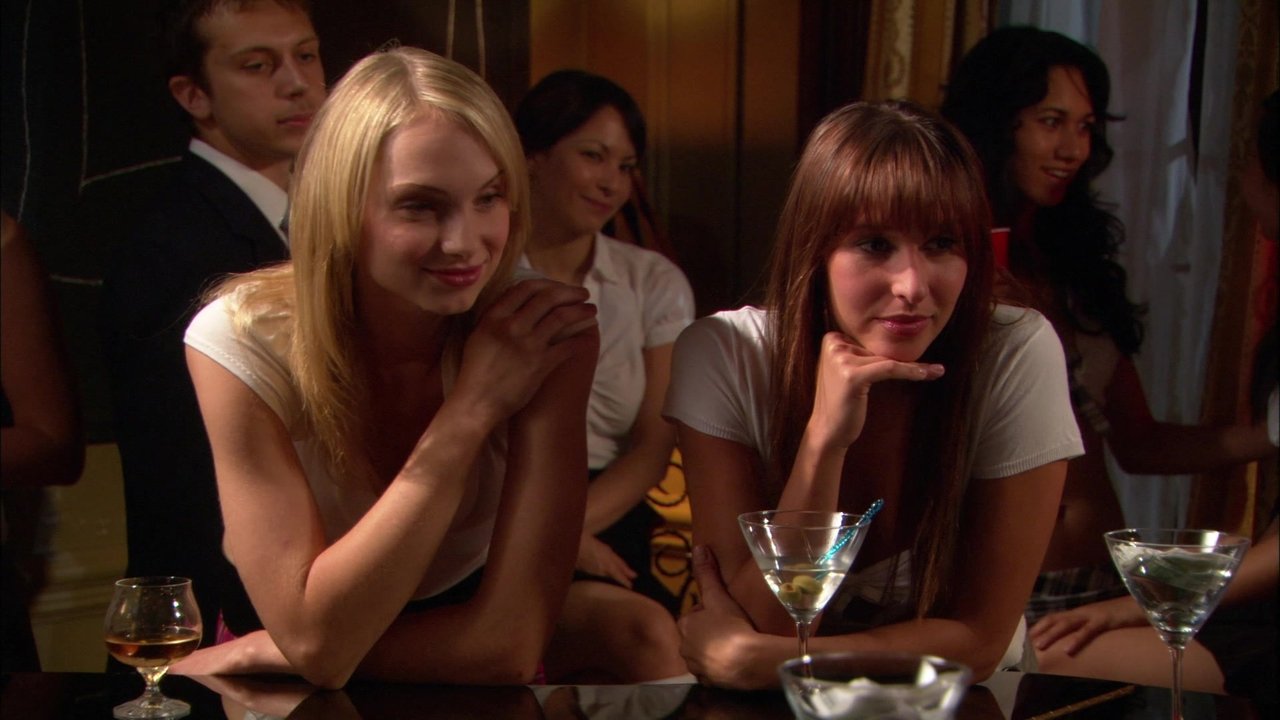
Visually, Beta House is a product of its time. Director Andrew Waller and cinematographer Gerald Packer lean into that high-saturation, glossy look that defined the mid-2000s comedy. It’s a world where the sun is always shining, every student is a catalog model, and the laws of physics only apply if they can facilitate a gross-out gag. This was the era where "more is more" was the guiding principle. If a joke worked in the original American Pie, Beta House assumes doing it three times while someone is on fire will be three times as funny.
The "Greek Games" sequence that dominates the final act is a masterclass in this philosophy. It’s a series of escalating challenges that feel like a fever dream curated by a frat president who just discovered Roman history. It’s chaotic, occasionally mean-spirited, and aggressively loud. Yet, there’s an undeniable craft to the timing. Screenwriter Erik Lindsay knows exactly how to structure a payoff, even if that payoff involves a fountain of bodily fluids. The joke-to-cringe ratio is remarkably high, yet it’s impossible to look away.
The Bridge to the Past
Then there’s Eugene Levy. Seeing Noah Levenstein interact with the Stifler clan in this setting is like seeing a high school principal accidentally wander into a rave. Levy is the MVP of the entire "Presents" spin-off run. He brings a level of sincerity to the role of the "Beta Alum" that the movie arguably doesn't deserve. He treats the ridiculous lore of the Beta House with the same gravitas he brought to the mockumentaries of Christopher Guest (like Best in Show). Without him, the movie would just be a series of disconnected sketches; with him, it feels like a weirdly essential chapter of a very specific, very sticky history book.
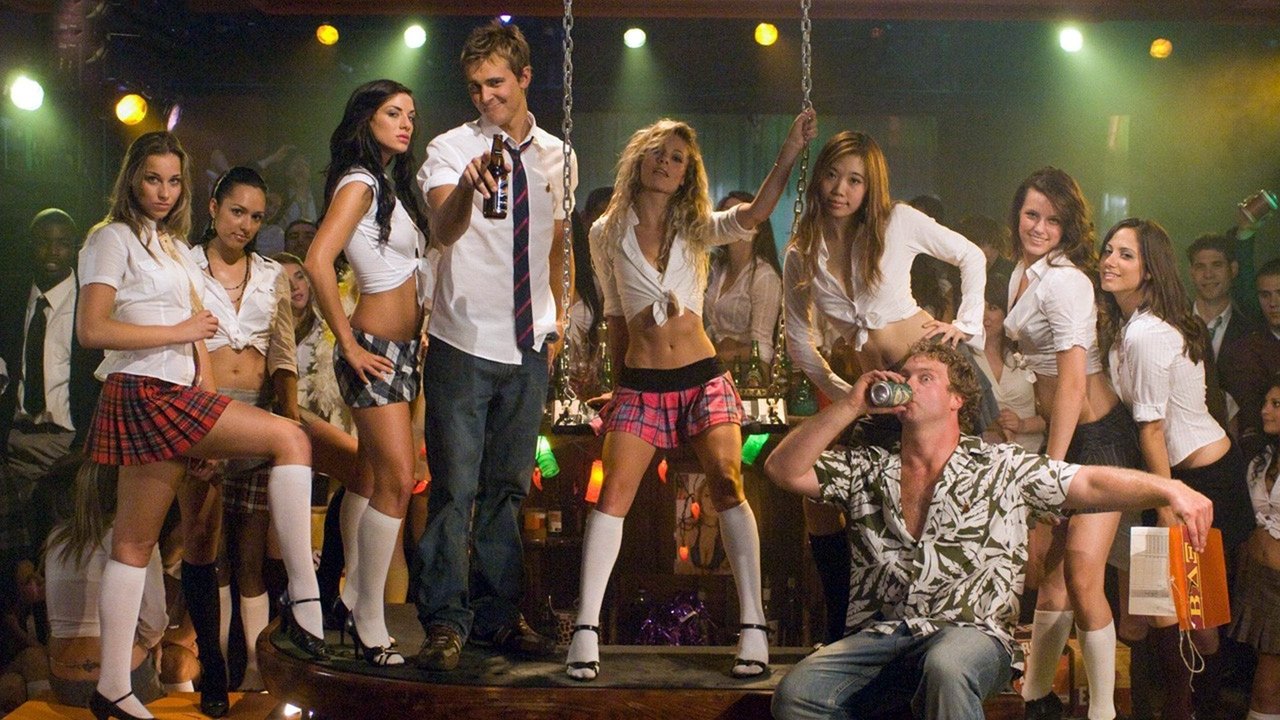
Interestingly, Beta House captured a specific cultural anxiety of the late 2000s—the "Geek vs. Greek" divide. Before the MCU made being a nerd the dominant cultural currency, this movie framed the conflict as a literal war for the soul of the campus. In retrospect, the "Geeks" in this movie aren't really geeks; they’re just slightly more organized antagonists for Dwight to steamroll. It’s a fascinating snapshot of a world just before the internet completely rewired how we categorize "cool."
American Pie Presents: Beta House is not "good" cinema by any traditional metric, but it is a fascinating artifact of the DVD boom. It represents a time when comedies didn't need a theatrical window to find an audience; they just needed a recognizable font and a promise of total debauchery. It’s a film that leans into its own absurdity with such vigor that you almost have to respect it.
If you’re looking for the heart of the 1999 original, you won't find it here. But if you want to see Christopher McDonald (the legendary Shooter McGavin from Happy Gilmore) show up as a Stifler patriarch and act like he’s in a Shakespearean tragedy, then Beta House is a journey worth taking. It’s a loud, messy, unrated relic of a time when the "right to party" was the only political platform that mattered. Just make sure your cereal isn't soggy when you hit play.
Keep Exploring...
-
American Pie Presents: The Naked Mile
2006
-
New York Minute
2004
-
The House Bunny
2008
-
Rumor Has It...
2005
-
Big Fat Liar
2002
-
Eight Legged Freaks
2002
-
National Lampoon's Van Wilder
2002
-
S1m0ne
2002
-

The Sweetest Thing
2002
-

Duplex
2003
-
Legally Blonde 2: Red, White & Blonde
2003
-
The Lizzie McGuire Movie
2003
-

What a Girl Wants
2003
-

Confessions of a Teenage Drama Queen
2004
-
First Daughter
2004
-
Jersey Girl
2004
-

Seed of Chucky
2004
-
Taxi
2004
-
The Ladykillers
2004
-
The Whole Ten Yards
2004