Atonement
"A story told is a life stolen."

The first thing you hear isn't the sweeping orchestral swell you’d expect from a prestige British period drama. It’s a rhythmic, aggressive clacking. The sound of a 1930s Corona typewriter being hammered by a girl with too much imagination and not enough empathy. It’s a percussive heartbeat that defines Atonement, a film that uses the act of writing as both a weapon and a desperate, failing shield against reality.

Back in 2007, the "Modern Classic" label was being slapped on everything from No Country for Old Men to There Will Be Blood. Amidst those gritty behemoths, Joe Wright’s adaptation of Ian McEwan’s novel felt like the "pretty" contender—the one with the lush locations and the famous green dress. But looking back at it now, Atonement isn't just a romance; it’s a devastating meta-commentary on how we use stories to colonize the truth. I recently rewatched this while trying to assemble an IKEA nightstand, and I ended up sitting on the floor with a half-finished drawer in my lap for two hours because I simply couldn’t look away. The furniture remained broken, much like my emotional state.
The Danger of a Child’s Gaze
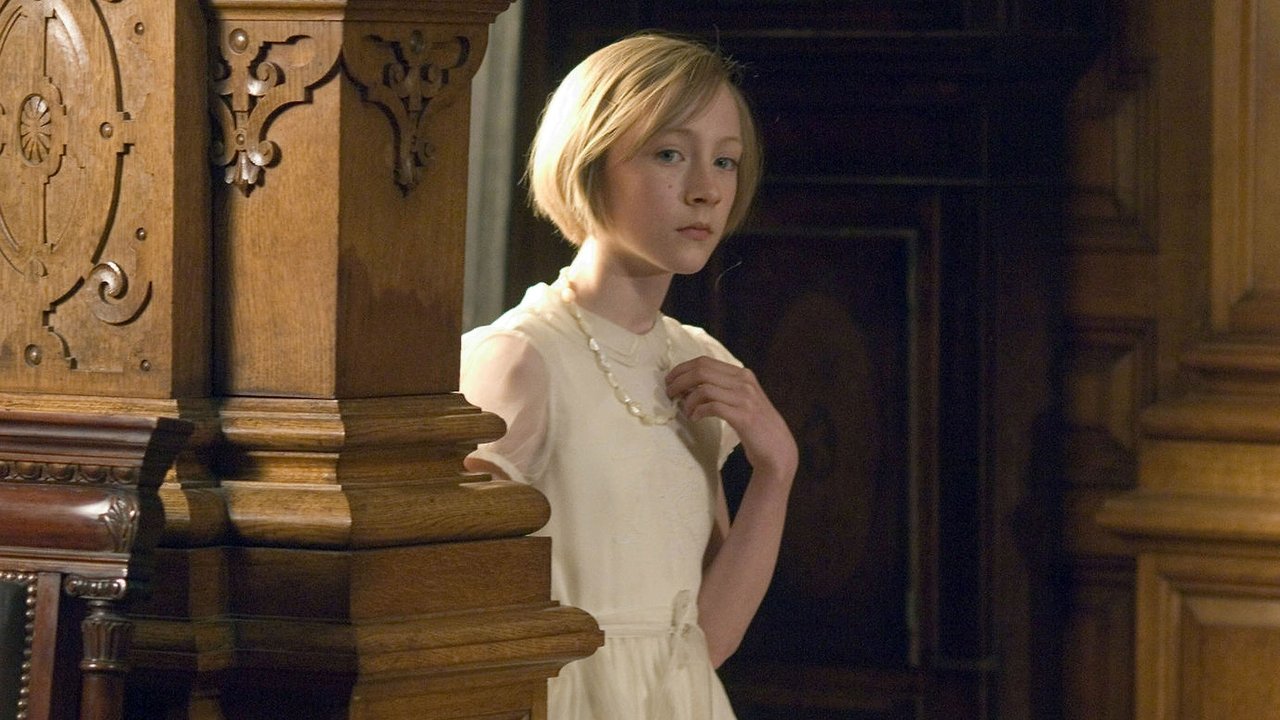
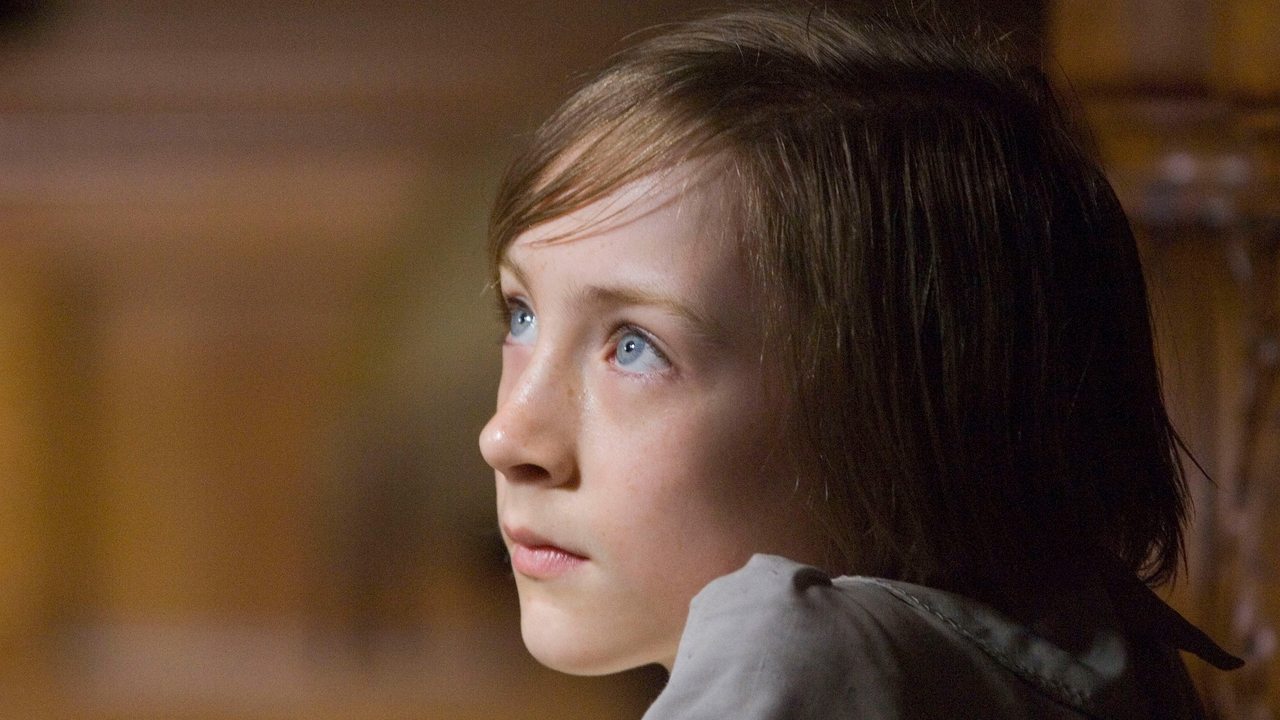
The film’s first act is a masterclass in perspective. We see the same events through different eyes: a fountain side encounter, a misplaced letter, a moment in a library. Saoirse Ronan, in her breakout role as the 13-year-old Briony Tallis, is hauntingly precise. She doesn't play Briony as a villain, but as a "pre-adult" who thinks she understands the world of grown-up desire because she’s read about it in plays.
When she witnesses the electric chemistry between James McAvoy's Robbie Turner and her sister Cecilia (Keira Knightley), she misinterprets passion as predatory. It’s a chilling reminder of how a single lie, born from a mix of jealousy and ignorance, can dismantle lives. James McAvoy gives what I still consider his career-best performance here; his transition from the optimistic, sweat-soaked groundskeeper to the hollowed-out soldier in France is gut-wrenching. He carries the weight of the film’s tragedy in his eyes, which seem to turn a darker shade of blue as the story progresses.
The Scale of Regret
If the first act is a claustrophobic pressure cooker of English aristocracy, the second act is a sprawling, nightmare descent into the reality of World War II. This is where Joe Wright (who had already proven his period-piece chops with Pride & Prejudice) shows off. We have to talk about the Dunkirk sequence.
In an era where we were starting to see CGI take over massive battle scenes, Wright opted for a staggering five-minute tracking shot involving 1,000 local extras on the beach at Redcar. There are no digital shortcuts here. As the camera weaves past a dying horse, a choir singing hymns, and a Ferris wheel spinning aimlessly against a smoke-filled sky, you feel the logistical madness of the retreat. It’s not just a "look at me" directorial flex; it’s a visual representation of Robbie’s internal chaos. He is a man lost in a world that has become as nonsensical as the lie that sent him there.
The Meta-Linguistic Twist
What elevates Atonement from a standard "star-crossed lovers" tale to something more cerebral is its final act. (Minor spoilers for the structure ahead, for the three people who haven't seen this). We jump forward to see an older Briony, played first by Romola Garai and finally by the legendary Vanessa Redgrave.
The film asks a difficult philosophical question: Can fiction actually provide penance? If you destroy two lives and then write a book where they live happily ever after, have you fixed anything, or have you just committed a second, more elaborate fraud? The ending is a cold bucket of water to the face. It forces us to re-evaluate everything we’ve just watched. The lush cinematography by Seamus McGarvey (who also shot The Avengers and Anna Karenina) starts to feel almost voyeuristic, like we were complicit in Briony’s fantasy.
Stuff You Might Not Have Noticed
That Percussive Score: Composer Dario Marianelli actually integrated the sound of the typewriter into the score. He had to find a specific vintage typewriter that clicked in the right key to match the orchestra. The Green Dress: Costume designer Jacqueline Durran was told to create the "most iconic dress of all time." She arguably succeeded; the emerald silk gown Keira Knightley wears in the library scene was voted the greatest film costume ever by several fashion mags. It was designed to look "shredded" and fragile, reflecting the precariousness of the night. The Dunkirk Gamble: The famous long take was only possible because the tide was coming in. They had one day to get it right. They did three takes, and the one you see in the film is the second one. A Young Cumberbatch: Keep an eye out for a very slimy, pre-Sherlock Benedict Cumberbatch as Paul Marshall. He plays the role with a greasy opportunism that makes your skin crawl.
Atonement is a rare bird: a big-budget studio film that is deeply cynical about the very stories it tells. It’s beautiful to look at, but it uses that beauty to mask a profound, aching sadness. It reminds me that while we can rewrite our memories as much as we want, the clock—and that damn typewriter—never stops ticking. If you want a film that rewards your attention and then breaks your heart for the trouble, this is the one.
Looking back from the 2020s, it’s a testament to a time when "prestige cinema" meant more than just a high budget; it meant a willingness to be intellectually demanding. It’s a film about the heavy cost of words and the impossible weight of seeking forgiveness from those who are no longer there to give it. Just don’t expect to feel like building any IKEA furniture after the credits roll.


Keep Exploring...
-

Pride & Prejudice
2005
-
Anna Karenina
2012
-
Brokeback Mountain
2005
-
The Reader
2008
-
Mr. Nobody
2009
-
The Bridges of Madison County
1995
-
Love Actually
2003
-
Slumdog Millionaire
2008
-

Sense and Sensibility
1995
-
Moulin Rouge!
2001
-

A Walk to Remember
2002
-
Talk to Her
2002
-
The Wrestler
2008
-

Flipped
2010
-

My Name Is Khan
2010
-
Amour
2012
-
Laurence Anyways
2012
-
Moonrise Kingdom
2012
-
The King's Speech
2010
-
About a Boy
2002