August Rush
"The city has a rhythm. He hears it."
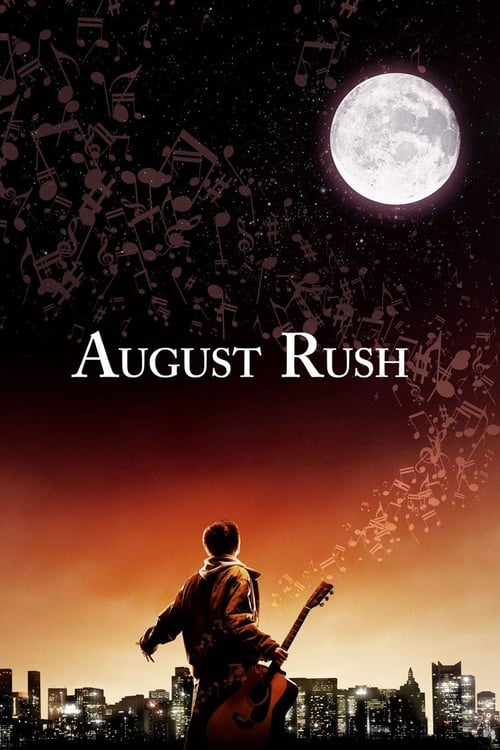
If you stood in the middle of Washington Square Park in 2007, you could practically feel the transition of the film industry vibrating through the pavement. We were past the initial shock of digital cinematography but not yet buried under the weight of the endless superhero assembly line. It was an era where a mid-budget, shamelessly sentimental musical fable like August Rush could snag a prime November release and find a permanent home in the hearts of band geeks everywhere.
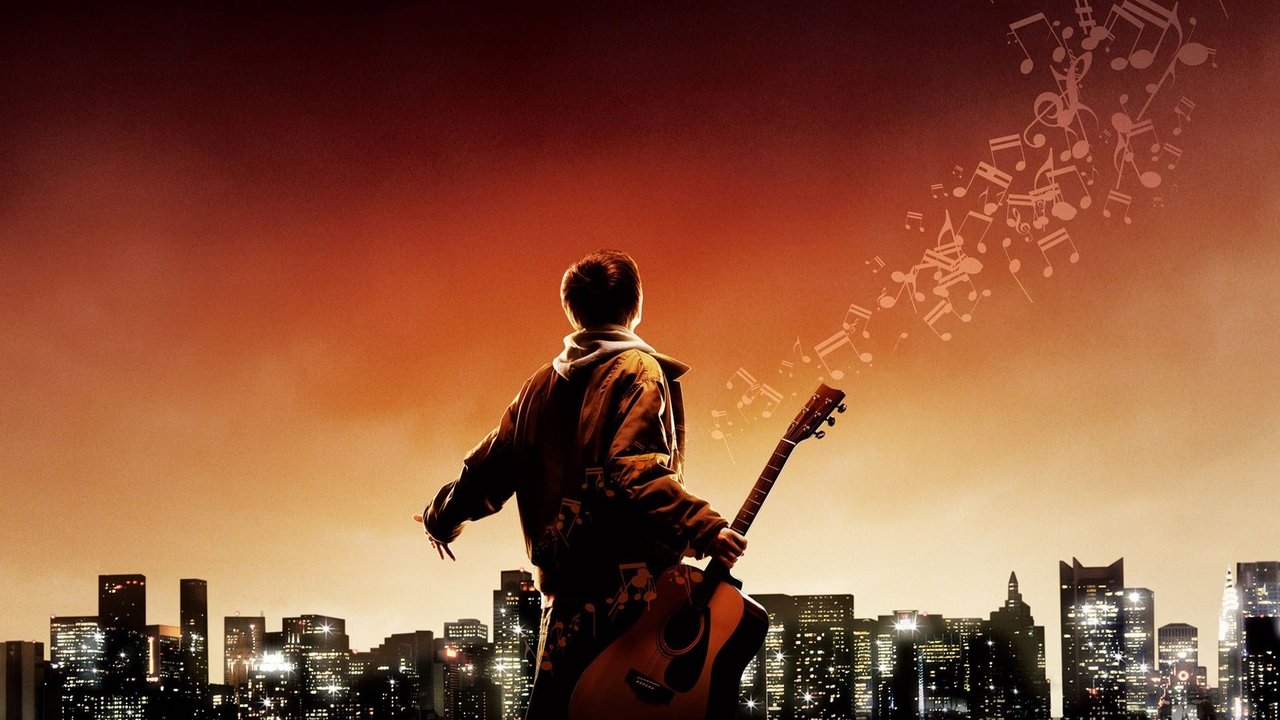
I’ll be the first to admit that my first viewing of this was on a flickering laptop screen in a dorm room while my roommate's pet hamster aggressively ran on a squeaky wheel in the background—and even then, the movie’s sheer earnestness managed to drown out the rodent. It’s a film that asks you to check your cynicism at the door, lock it, and throw away the key.
A Modern Fairy Tale in the Concrete Jungle
At its core, August Rush is a rhythmic retelling of Oliver Twist, substituting the pickpockets for power chords. Freddie Highmore, fresh off making everyone cry in Finding Neverland (2004), plays Evan Taylor, a musical prodigy escaping an orphanage to find the parents he "hears" in the wind. Those parents are Lyla (Keri Russell, cementing her post-Felicity indie darling status) and Louis (Jonathan Rhys Meyers, channeling a brooding Celtic rockstar vibe that feels very 2007).
The plot relies on a series of coincidences so astronomical they make the odds of winning the lottery look like a sure bet. But director Kirsten Sheridan—daughter of the legendary Jim Sheridan (In the Name of the Father)—doesn’t want you to worry about logistics. She treats New York City as a living, breathing instrument. The way the film syncs the sound of a rattling subway train, a basketball bouncing, and a jackhammer into a cohesive symphony is genuinely inventive. It’s the kind of creative sound design that made the DVD "Special Features" era so rewarding for nerds like me.
The Wizard and the Prodigy

Then there’s the Robin Williams of it all. Playing "Wizard," a Fagin-like street urchin pimp with a soul patch and a beret, Williams is essentially doing a darker, more eccentric version of his mentor figures from Good Will Hunting (1997) or Dead Poets Society (1989). His performance is a chaotic blend of menace and paternal longing that probably shouldn't work, but somehow does. He’s the one who gives Evan the name "August Rush," and while the character is a bit of a cartoon, Williams brings that trademark kinetic energy that feels like he’s improvising half of his soul onto the screen.
Apparently, Williams’ look was partially inspired by Bono—which, looking back, explains the tinted glasses and the general "I have a lot of feelings about the world" aura. The film also features a fantastic turn by Terrence Howard, who was in that sweet spot of his career between Hustle & Flow (2005) and the first Iron Man (2008). He provides the much-needed grounded reality as a social worker, acting as the audience's surrogate for the question: "Wait, where did this kid learn to play a Gibson like a percussion instrument?"
The Rhythm of the Era
Speaking of that guitar style, it was a massive "cool factor" moment for the film. The percussive, "slap-guitar" technique August uses was inspired by the late Michael Hedges, and Freddie Highmore actually had to learn the fingerings despite never having picked up a guitar before filming. It captures a specific moment in the mid-2000s when acoustic folk-rock was having a major resurgence (think the Once (2007) soundtrack or the rise of Iron & Wine).
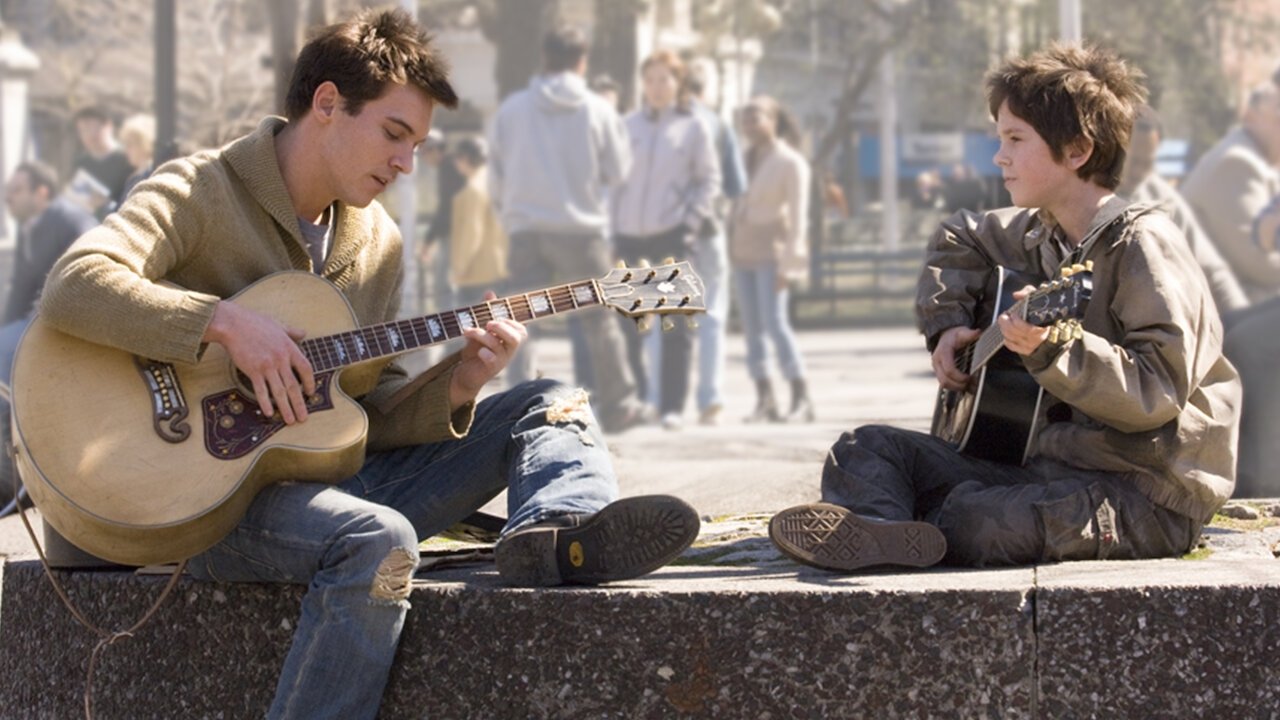
Looking back, the film’s "magic realism" approach to music is its strongest suit. In a world before TikTok turned every musical talent into a 15-second clip, August Rush treated a child’s mastery of a pipe organ or a Stradivarius as a superpower. The score by Mark Mancina (who also did Speed and worked on The Lion King) is the real star. The final "August's Rhapsody" is a genuinely soaring piece of music that manages to earn the emotional payoff the script spends 110 minutes chasing. The logic of New York Child Services in this movie is basically non-existent, but the music makes you forget that the NYPD would have probably shut down that final concert in three minutes flat.
August Rush is a cult classic for the dreamers. It’s a movie that believes in the "cosmic" connection of art, a sentiment that feels a bit like a relic in our current era of algorithmic content. It’s definitely "of its time"—the fashion, the earnestness, the Jonathan Rhys Meyers "rocker" hair—but it holds up because its heart is so loud. It’s the cinematic equivalent of a warm cup of cocoa on a rainy day; a little too sweet, maybe, but exactly what you need when you want to believe that everything is going to be okay. If you haven't seen it since the DVD days, it's worth a re-visit just to hear the city breathe again.


Keep Exploring...
-

High School Musical 2
2007
-
The Spiderwick Chronicles
2008
-
Raise Your Voice
2004
-

High School Musical 3: Senior Year
2008
-

Hannah Montana: The Movie
2009
-

High School Musical
2006
-
The Last Song
2010
-
Save the Last Dance
2001
-

Spirit: Stallion of the Cimarron
2002
-
Bridge to Terabithia
2007
-
Another Cinderella Story
2008
-

A Christmas Carol
2009
-

Hugo
2011
-
We Bought a Zoo
2011
-
Get Rich or Die Tryin'
2005
-

Camp Rock
2008
-
High Fidelity
2000
-
Inside Llewyn Davis
2013
-
Begin Again
2014
-

The Cat Returns
2002