Awake
"Wide awake. Paralyzed. Under the knife."
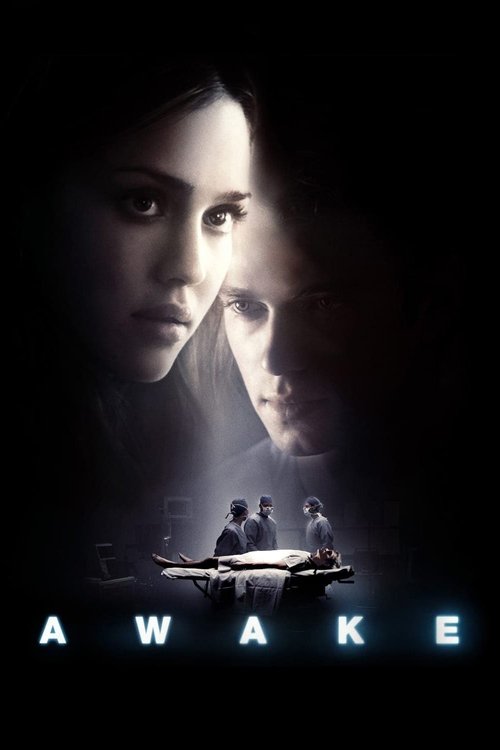
There is a specific kind of panic that sets in when you realize your body has checked out but your brain is still clocking overtime. It’s the stuff of urban legends and late-night Wikipedia rabbit holes. In 2007, Awake took that "one in 700" statistic—the terrifying reality of anesthetic awareness—and tried to turn it into a high-stakes medical thriller. It’s a film that lives in that strange, glossy pocket of the mid-2000s, an era when we were still trying to figure out if our favorite young stars could carry a movie without a lightsaber or a superhero suit in sight.
I watched this recently on a Tuesday afternoon while nursing a slightly stale granola bar that was 80% oats and 20% regret, and honestly, the dry crunch of the bar was a perfect rhythmic accompaniment to the movie’s jagged pacing. Awake is a film of two very different halves, and while neither quite reaches the heights of a "medical Hitchcock," the sheer audacity of its tonal shifts makes it a fascinating artifact of its time.
The Horror of Being a Passenger in Your Own Skin
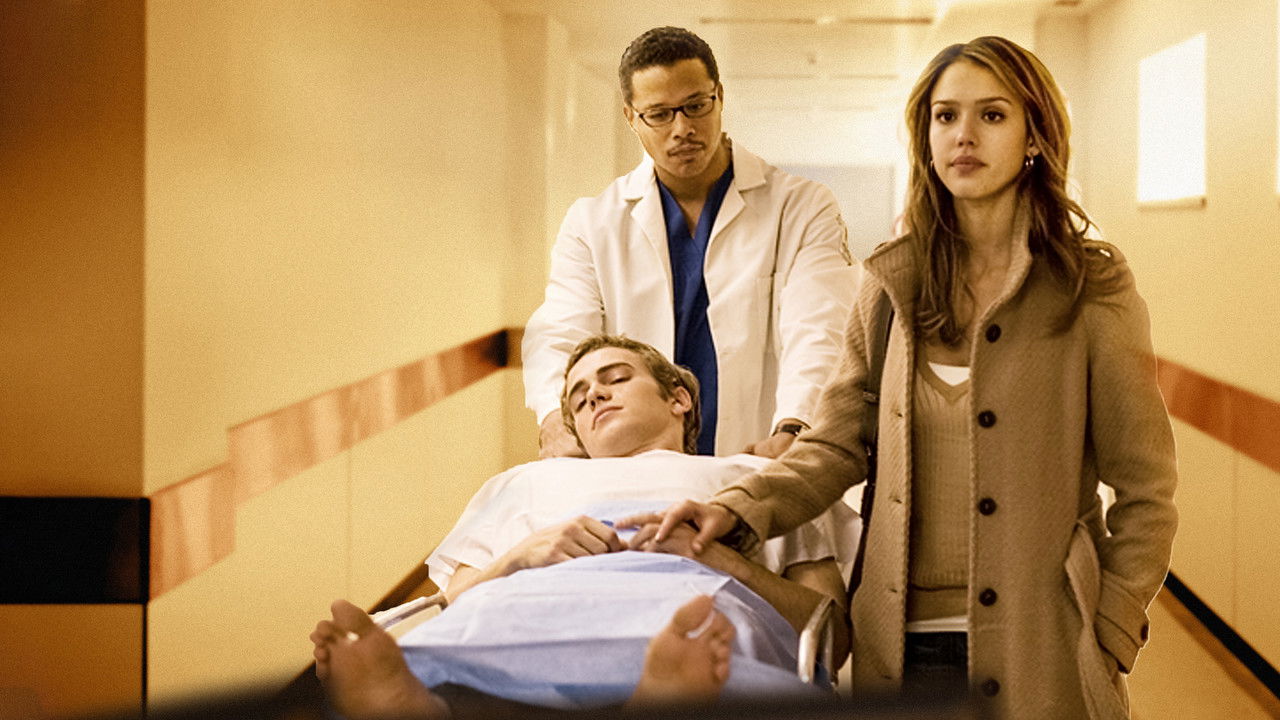
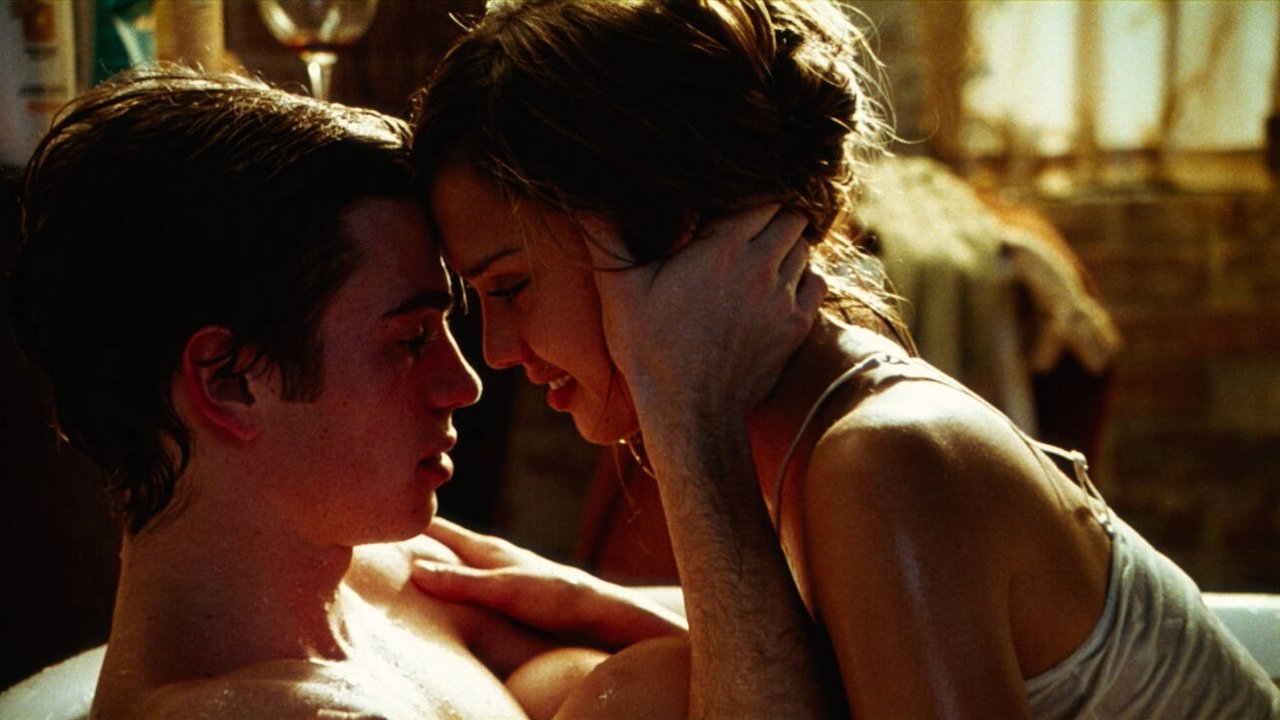
The first thirty minutes of Awake are genuinely effective, tapping into a primal, universal fear. We meet Clay Beresford (Hayden Christensen), a billionaire with a bad heart and a beautiful secret fiancée, Sam (Jessica Alba). When a donor heart finally becomes available, Clay insists on his friend, Dr. Jack Harper (Terrence Howard), performing the surgery despite his mother’s (Lena Olin) protestations.
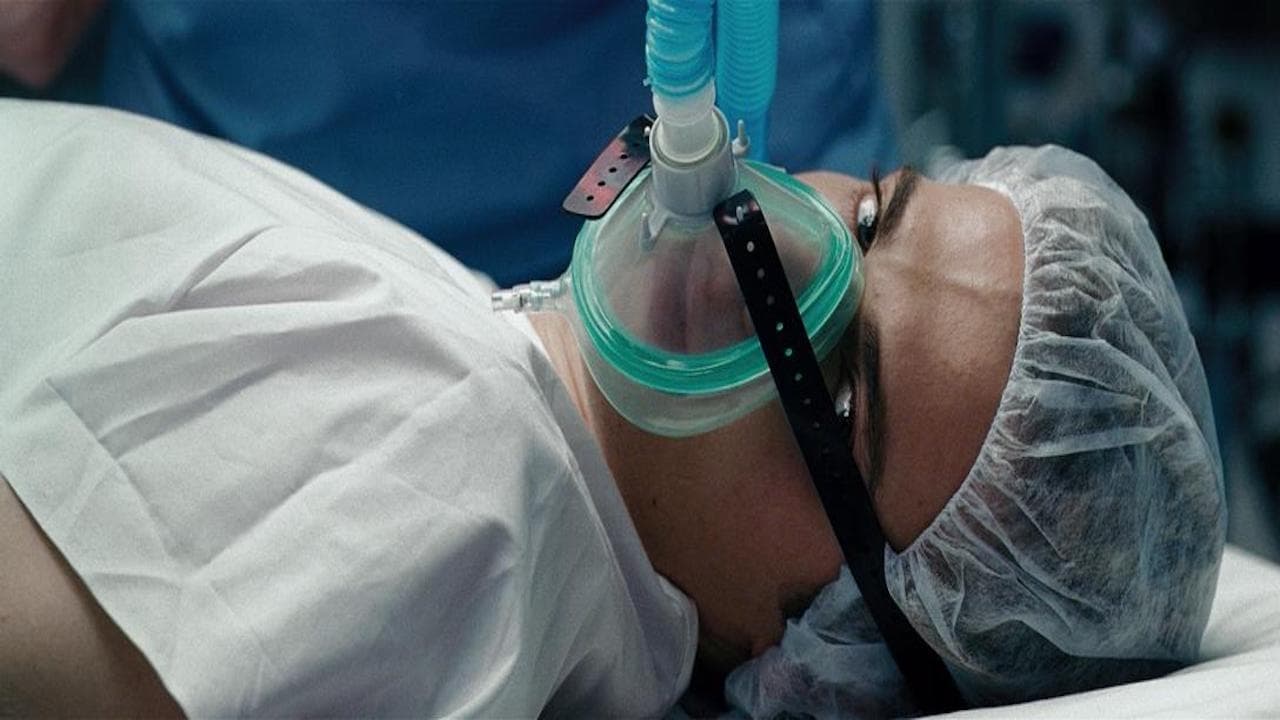
Once Clay is on the table, the movie hits its stride. The sequence where the anesthesia fails to "take"—leaving Clay paralyzed but fully conscious of every incision—is filmed with a cold, clinical dread. Hayden Christensen delivers a voiceover performance that captures the frantic, internal screaming of a man experiencing the impossible. It’s here that the film feels most grounded in its era’s obsession with "high-concept" hooks. Looking back, this was a time when the "twist" was king, and director Joby Harold leans hard into the sensory deprivation (or rather, sensory overload) of the operating room. The surgical scenes are essentially a Saw movie for people who pay for private insurance.
A Mid-Aughts Time Capsule of Star Power
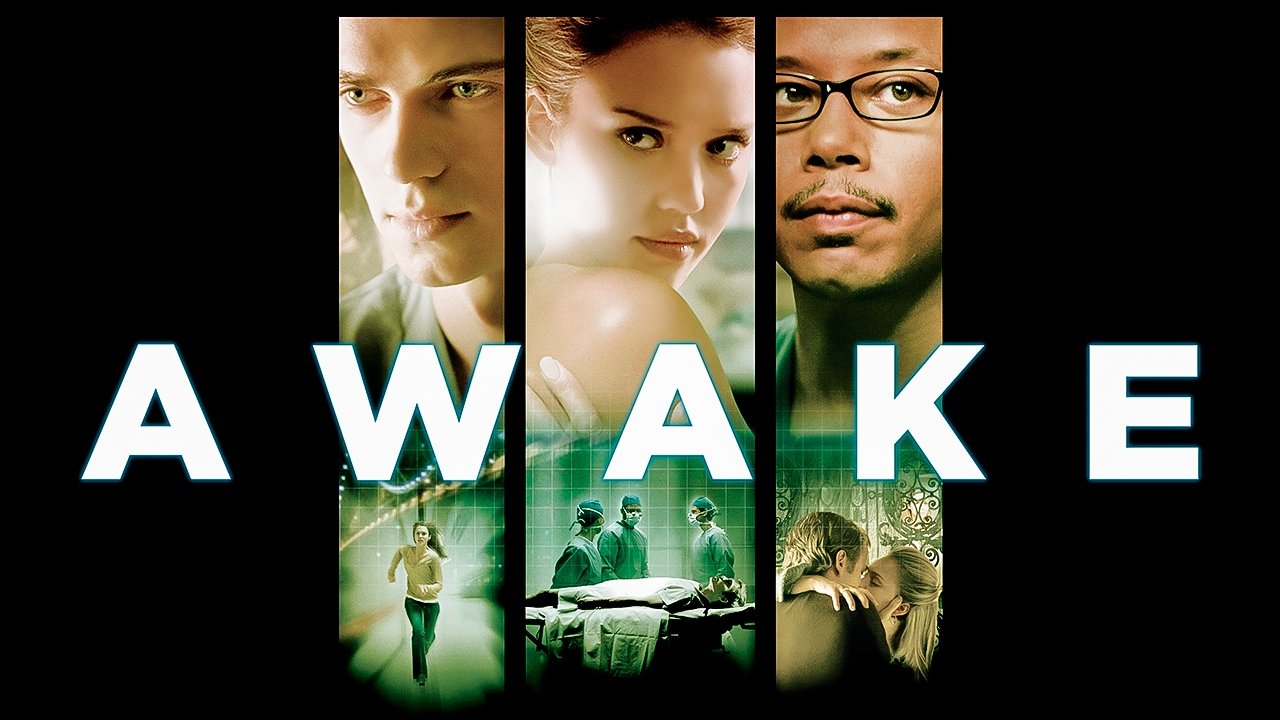
What’s truly striking in retrospect is the cast. In 2007, Hayden Christensen was still reeling from the divisive reception of the Star Wars prequels, and Jessica Alba was one of the most photographed women on the planet. Putting them together was a clear play for the "TMZ generation," yet the film doesn't quite know how to use their specific energies. Christensen is actually better than his reputation suggests; he plays "vulnerable billionaire" with a soft-edged sincerity that makes the later betrayals sting a bit more.
Then there’s Terrence Howard, coming off an Oscar nomination for Hustle & Flow. He brings a gravitas to the role of Dr. Harper that almost—almost—makes the increasingly absurd plot feel plausible. He and Christensen have a genuine chemistry that serves as the film’s emotional anchor, even when the script starts to do backflips. Lena Olin, as the overbearing matriarch, is essentially acting in a different, much classier movie, but she provides the much-needed "Prestige Drama" weight to the proceedings.
Interestingly, the production notes provided for this assignment list a budget of $86 million. If that’s true, someone was definitely laundering money through the hospital’s gauze budget, because Awake has the intimate, contained feel of a $10 million indie. It’s a sleek, well-shot film—thanks to cinematographer Russell Carpenter—but $86 million is "Batman" money, and this is a movie about a guy in a hospital bed.
The Pivot from Medical Nightmare to Pulp Conspiracy
Around the forty-minute mark, Awake decides it doesn't want to be a medical horror movie anymore. It takes a hard left turn into a noir-style conspiracy thriller, involving insurance fraud and hidden motives. This is where the film lost many critics at the time, but viewed today, there’s a certain "guilty pleasure" charm to how fast the wheels come off.
The plot becomes a dizzying array of flashbacks and "out-of-body" experiences as Clay’s mind wanders through his memories while his chest is open. It’s a risky narrative device that occasionally borders on the silly, but it keeps the momentum going for an 84-minute runtime that never feels bloated. It reflects that post-9/11 anxiety where institutions—in this case, the medical establishment—couldn’t be trusted.
The movie vanished from theaters pretty quickly, overshadowed by the burgeoning franchise era. It was released just as the DVD market was starting to cool, missing out on that "cult classic through rental" status that 90s thrillers enjoyed. Yet, it’s a film that deserves a second look, if only for its bizarre ambition. It’s a drama that handles its emotional beats with the subtlety of a sledgehammer wrapped in velvet, but you can’t say it isn't memorable.
Awake is the cinematic equivalent of a pulp novel you buy at an airport: you know exactly what it is, it’s fundamentally ridiculous, but you can’t stop turning the pages. It captures a moment in 2007 when Hollywood was still willing to bet on mid-budget star vehicles with weird, dark premises. While it doesn't always land its punches, the central nightmare of being "awake" on the table is a hook that still gets under the skin today. If you’re looking for a quick, trashy thriller with a surprisingly strong cast, you could do far worse than this forgotten curiosity.
Keep Exploring...
-
Blood Work
2002
-
Basic
2003
-
Perfect Stranger
2007
-
Righteous Kill
2008
-

The International
2009
-
Edge of Darkness
2010
-
Mindhunters
2004
-
Cleaner
2007
-
Untraceable
2008
-
The Losers
2010
-
The Raven
2012
-
Snake Eyes
1998
-
The General's Daughter
1999
-
Along Came a Spider
2001
-

Revolver
2005
-

Pride and Glory
2008
-
Striking Distance
1993
-
The Client
1994
-
Kiss the Girls
1997
-
The Score
2001