Becoming Jane
"Before the ink dried, the heart broke."

I distinctly remember watching Becoming Jane for the first time on a scratched DVD I rented from a Blockbuster that was about three weeks away from closing its doors forever. I was huddled on a basement sofa, nursing a lukewarm ginger ale and a mild case of the flu, and something about the film’s damp, English grayness felt perfectly in sync with my own congestion. Looking back at it now, seventeen years later, the film occupies a strange, lovely space in that mid-2000s transition where movies still felt like they were made of wool and wood rather than pixels and green screens.
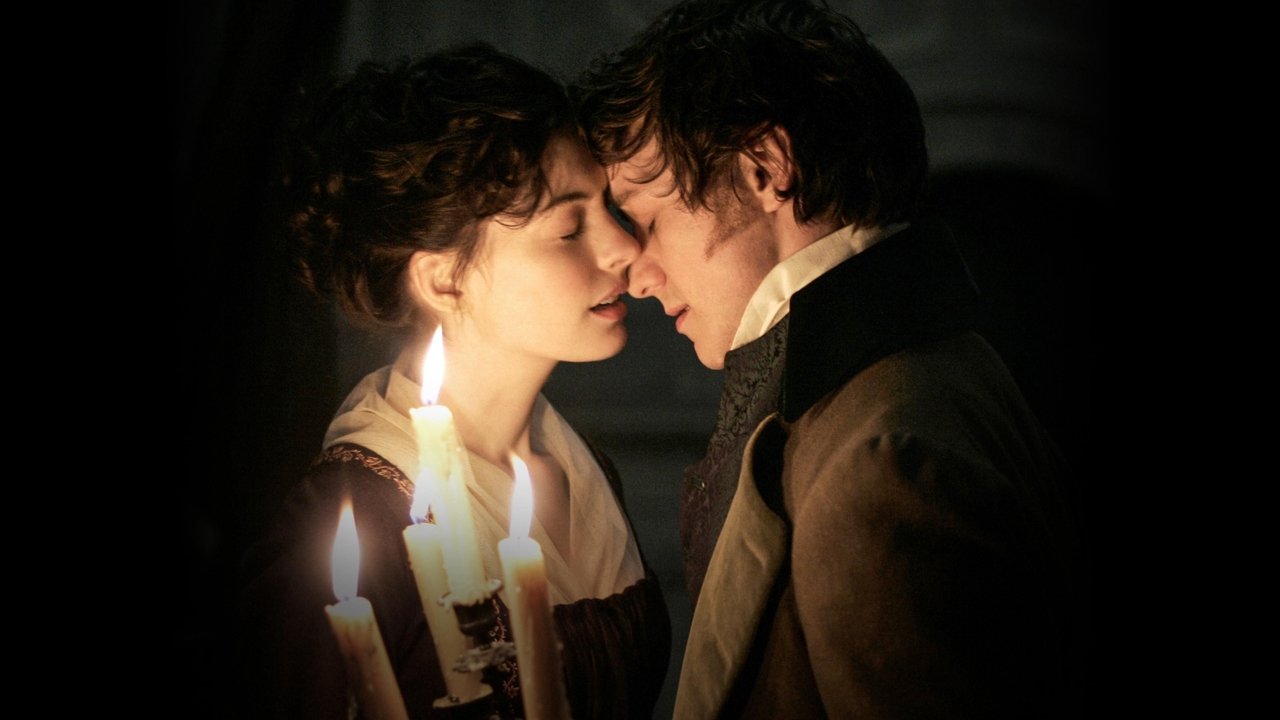
In 2007, the "Literary Biopic" was its own mini-franchise. We had Miss Potter, Finding Neverland, and Shakespeare in Love still looming large in the rearview mirror. Becoming Jane arrived at the tail end of "Austen-mania," following the massive success of Joe Wright’s Pride & Prejudice (2005). The pitch was simple: what if Jane Austen’s own life was the blueprint for Elizabeth Bennet’s? It’s a bit of a "greatest hits" remix of her novels, but seeing it again, I’m struck by how much heart it actually has under its petticoats.
The Brooklyn Girl in the Regency Bonnet
At the time, the casting of Anne Hathaway as the quintessential English novelist caused a minor international incident. People were convinced a girl from Brooklyn couldn’t handle the sharp, brittle wit of Hampshire. But looking back, Hathaway is actually the anchor that keeps this ship from drifting into pure Hallmark territory. She plays Jane not as a delicate flower, but as someone with a slightly desperate, frantic intelligence. You can see her brain working behind her eyes, trying to figure out how to be a "writer" in a world that only wants her to be a "wife."
And then there’s James McAvoy. This was peak McAvoy—the 2000s era where he specialized in playing the charming rogue who looked like he hadn't slept in three days. As Tom Lefroy, he brings a kinetic, almost modern energy to the screen. When he and Hathaway are in a room together, the air feels pressurized. I’ll go out on a limb and say McAvoy’s smirk is a more effective special effect than anything we’ve seen in the last decade of superhero cinema. He makes the act of reading a book look like a contact sport.
Dirt, Debt, and DVD Extras
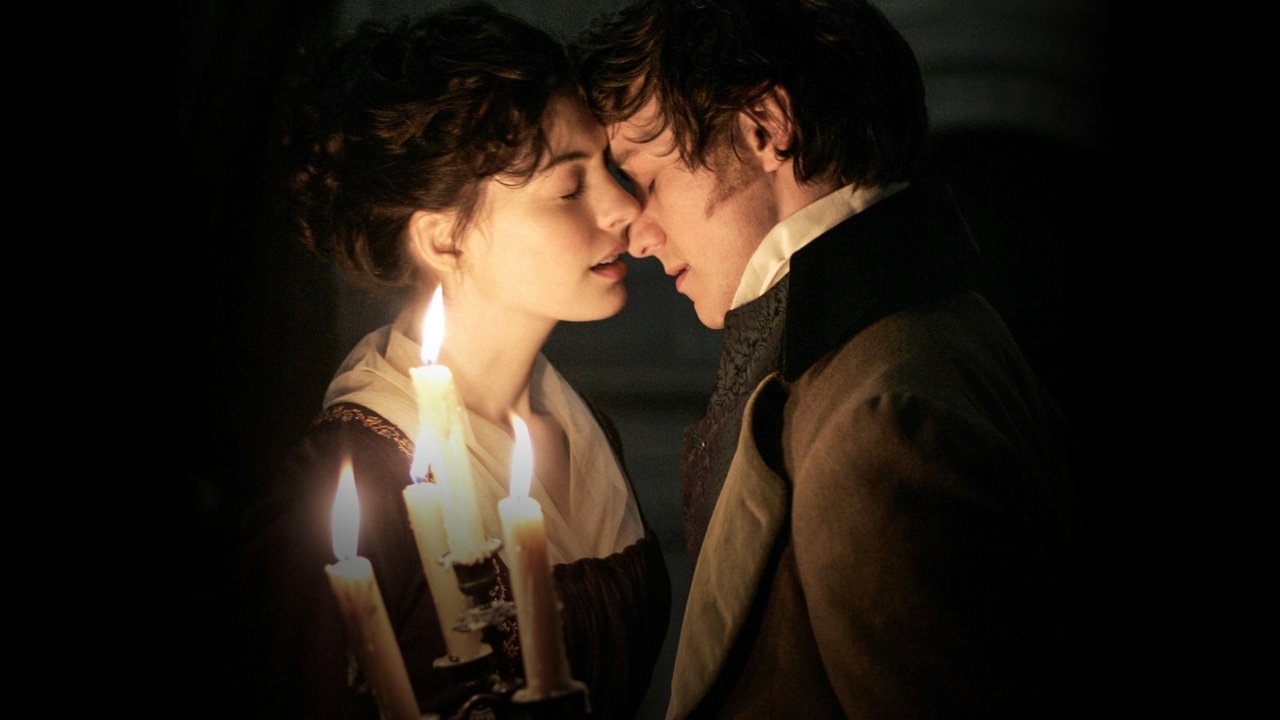
What I appreciate about director Julian Jarrold's approach is that he doesn't sanitize the era. This isn't the sparkling, clean Regency world of the 1940s adaptations. There is mud. There is poverty. There is the very real, suffocating anxiety of being "financially strapped." Julie Walters and James Cromwell (fresh off his Babe and L.A. Confidential fame) are excellent as Jane’s parents, portraying the kind of love that is constantly weighed down by the terror of debt.
The film also captures that specific mid-2000s cinematic aesthetic—lots of handheld camera work during the dances and a score by Adrian Johnston that feels like it’s weeping and dancing at the same time. I remember the DVD's "making-of" featurette went into great detail about the period-accurate cricket matches and the historical Tom Lefroy. It was a time when we actually cared about the "historical consultant" on a film, before we all collectively decided that Bridgerton-style neon colors and pop covers were the way to go. There’s a tactile, earthy quality here that I really miss.
The Bittersweet Reality of the "Happily Ever After"
The movie’s biggest gamble is its ending. Without spoiling it for the three people who haven't studied 19th-century literary history, it doesn't give you the neat, bow-tied resolution of a romantic comedy. It’s a drama about the cost of genius. Maggie Smith shows up as Lady Gresham, essentially playing a proto-Dowager Countess from Downton Abbey, providing the necessary friction that forces Jane to choose between a comfortable life and her creative soul.
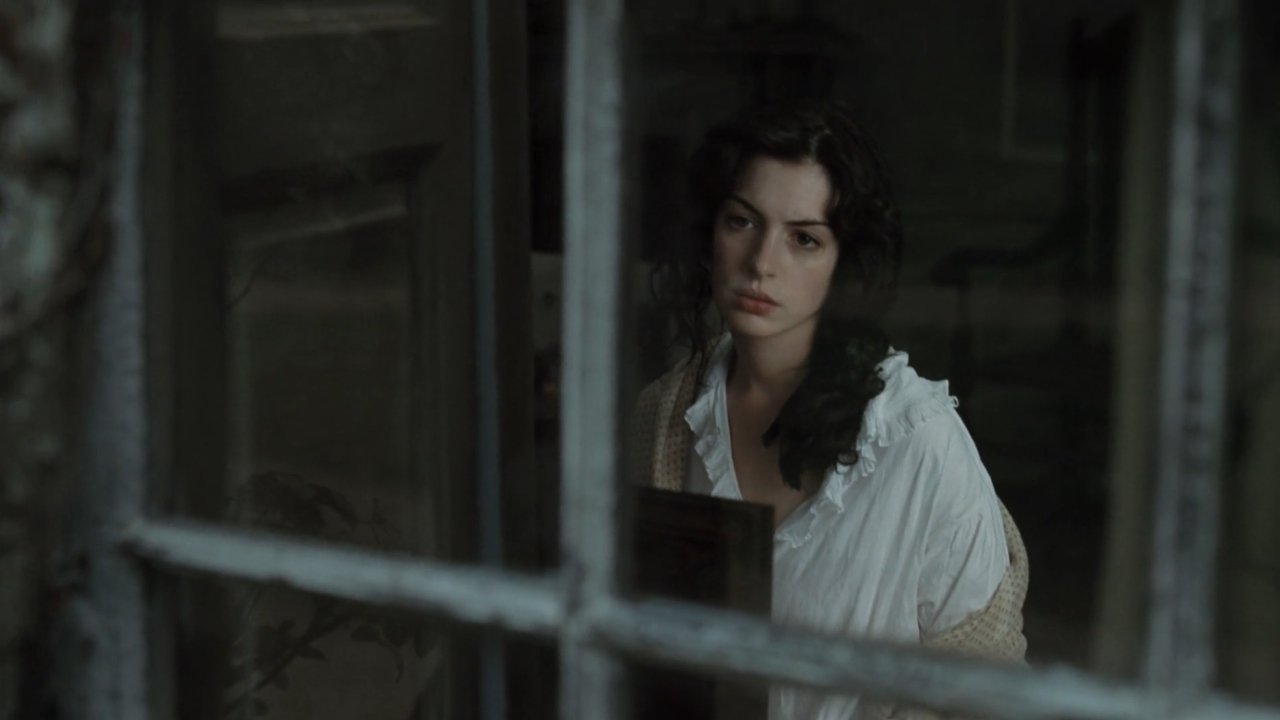
Is it 100% historically accurate? Absolutely not. It takes the few known facts about Austen’s brief flirtation with the real Tom Lefroy and stretches them into a feature-length heartbreak. But as a piece of "Modern Cinema" looking back at a "Classic" era, it works because it treats Jane like a person rather than a statue. It’s about the messy, painful process of turning a broken heart into a masterpiece.
The film remains a charming, slightly melancholic artifact of the mid-2000s. It’s a movie that understands that sometimes the most romantic thing you can do is leave the guy and write the book instead. If you can find a copy—scratched DVD or otherwise—it’s well worth a rainy afternoon of your time. Just bring your own ginger ale.

Keep Exploring...
-
Across the Universe
2007
-
The Princess Diaries 2: Royal Engagement
2004
-
One Day
2011
-
Confessions of a Dangerous Mind
2002
-
Honey
2003
-
What a Girl Wants
2003
-
Raise Your Voice
2004
-
A Lot Like Love
2005
-
Broken Flowers
2005
-
Casanova
2005
-
The New World
2005
-
The Sisterhood of the Traveling Pants
2005
-
A Good Year
2006
-

Little Children
2006
-
Dan in Real Life
2007
-
Lars and the Real Girl
2007
-
The Nanny Diaries
2007
-
Ghost Town
2008
-
Nick and Norah's Infinite Playlist
2008
-
Two Lovers
2008