Beowulf
"Pride is the monster, gold is the bait."
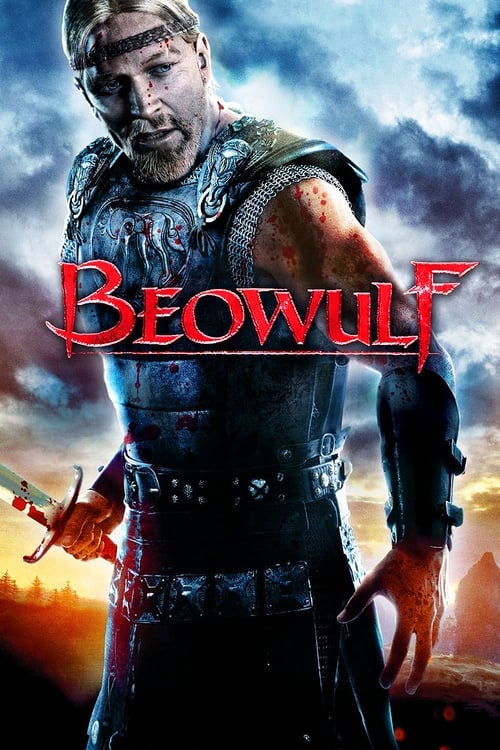
There’s something inherently hilarious about taking the oldest epic poem in the English language and turning it into a high-octane, motion-captured digital fever dream starring a beer-bellied East End tough guy. When Robert Zemeckis (the man who gave us Back to the Future) decided to tackle the 6th-century legend of Beowulf, he didn't go for the dusty, academic approach. Instead, he teamed up with Neil Gaiman (The Sandman) and Roger Avary (Pulp Fiction) to create what I can only describe as a $150 million heavy metal album cover brought to life.
I recently watched this while eating a bag of slightly stale pretzel nuggets I found in the back of my pantry, and the loud, aggressive crunching sound actually synchronized perfectly with Grendel biting people's heads off. It felt right. This is a movie that demands a certain level of sensory overstimulation.
The Valley of the Uncanny
Looking back at 2007, we were in the middle of cinema's awkward puberty. We were moving away from the tactile perfection of The Lord of the Rings and sprinting toward a future where everything was digital. Zemeckis was the high priest of this transition, convinced that "performance capture" was the ultimate filmmaking tool. The result is a film that looks simultaneously spectacular and deeply, deeply weird.
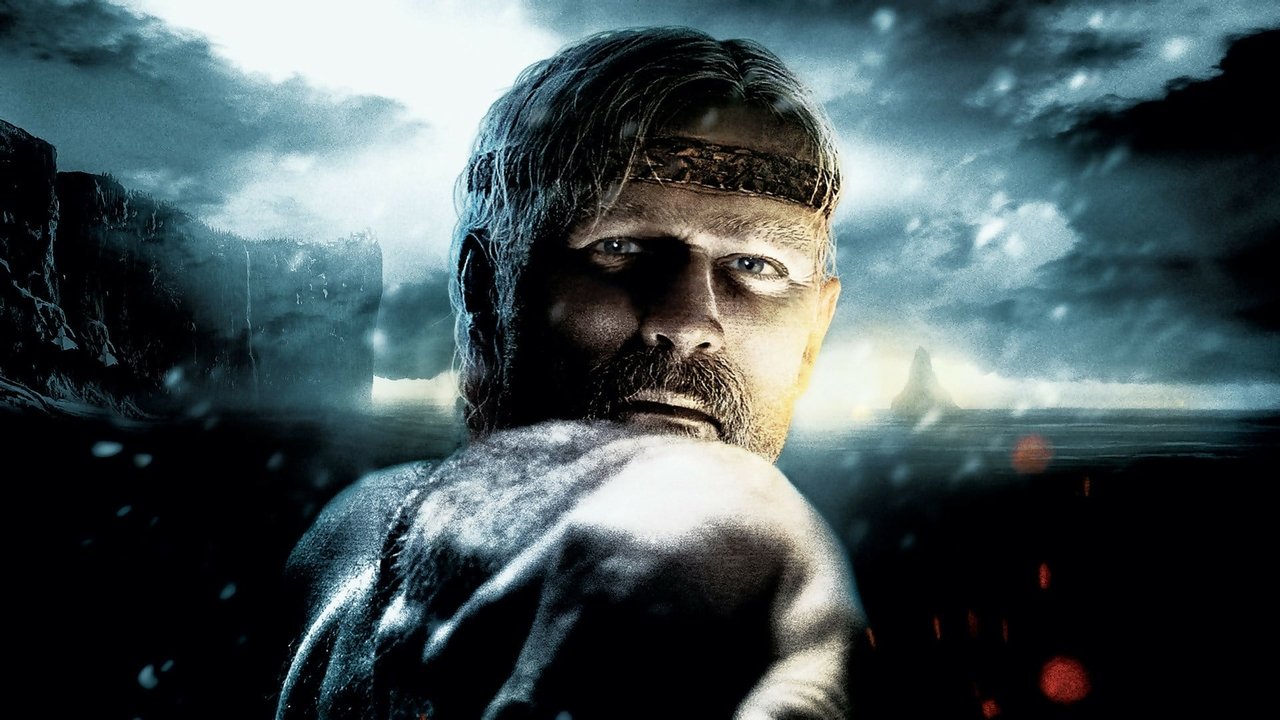
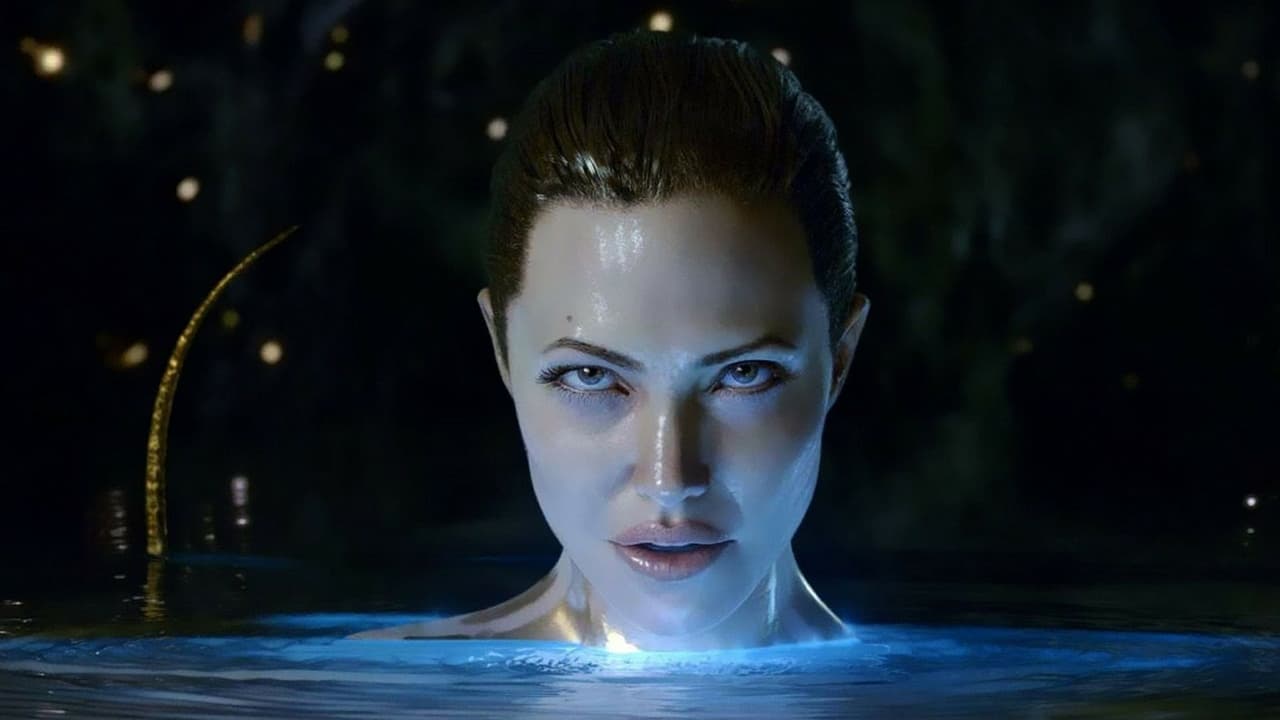
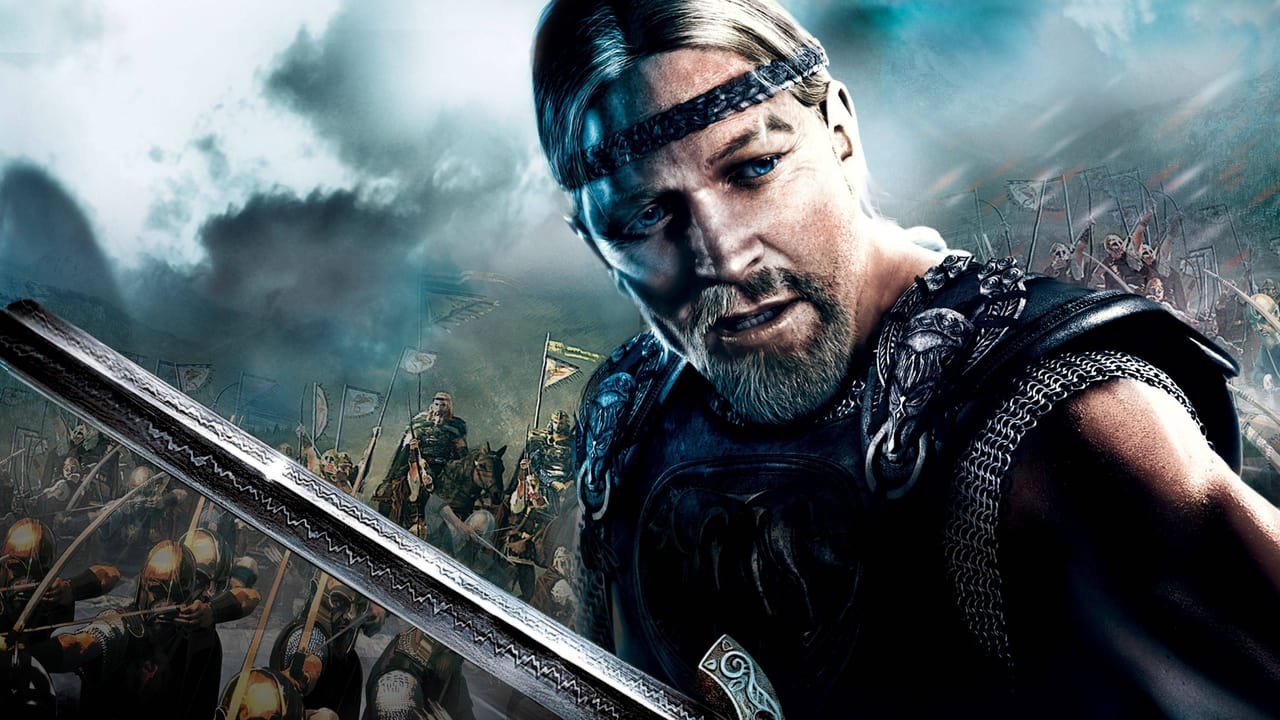
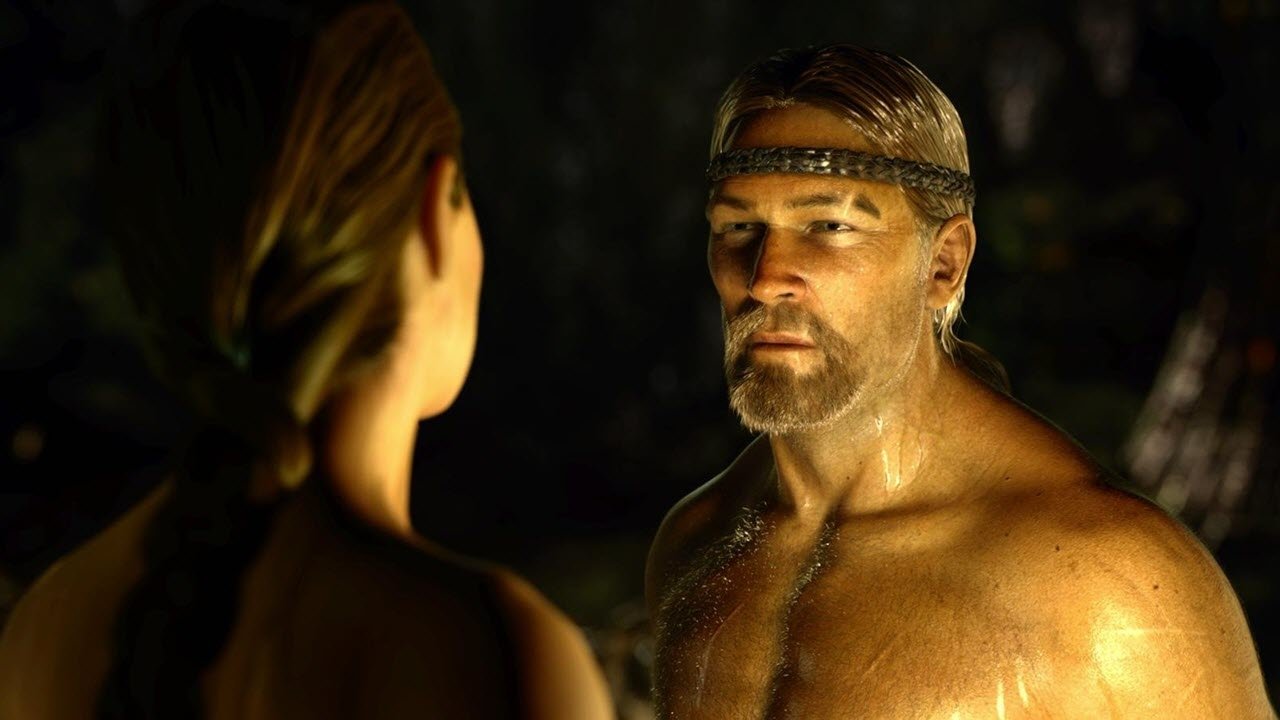
Ray Winstone (who usually plays hard-nosed London gangsters in films like Sexy Beast) provides the voice and movements for Beowulf, but his digital avatar looks like a golden-maned bodybuilder who has never seen a carb in his life. Then there’s Angelina Jolie as Grendel's Mother, emerging from a cave looking like she’s made of liquid gold and wearing permanent high heels that are actually part of her feet. It’s an aesthetic choice that screams "mid-2000s tech demo," and while the "dead eyes" of the characters can still be a bit distracting, there’s an undeniable scale to the world that practical sets could never have achieved. Honestly, the movie feels like an expensive PS3 cinematic that accidentally stumbled upon a great screenplay.
Fixing a Thousand-Year-Old Plot
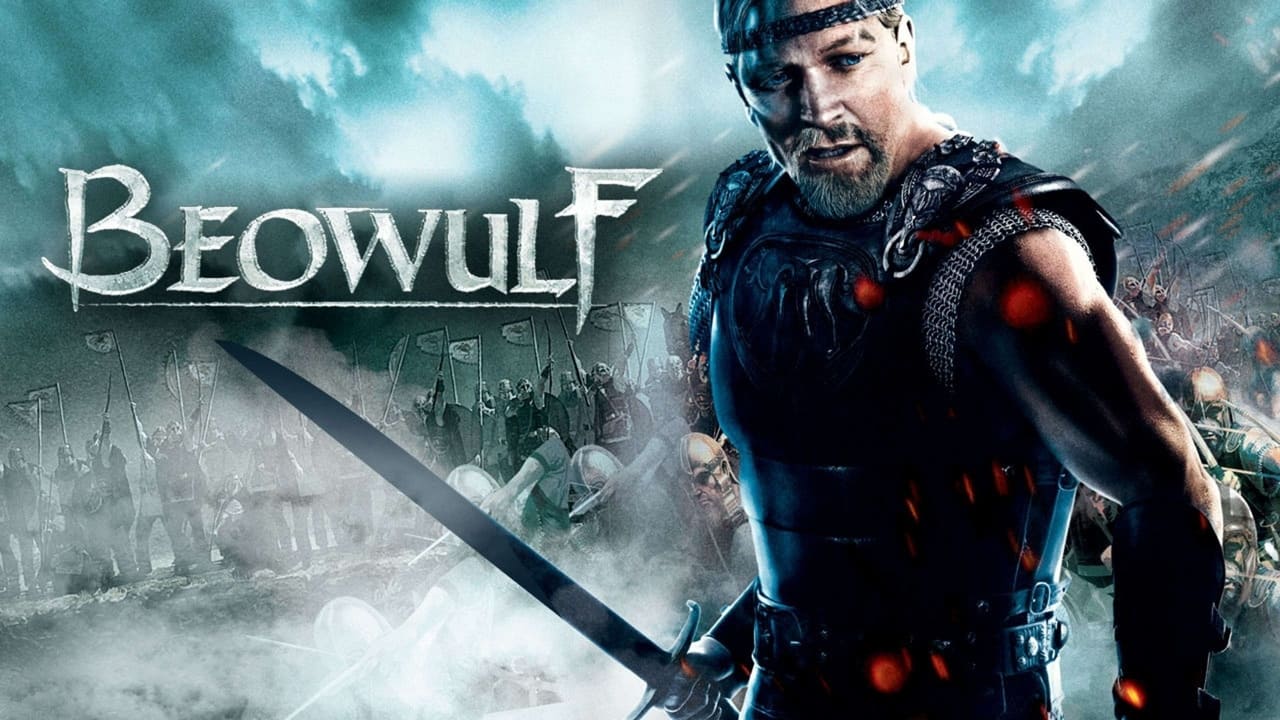
The real reason Beowulf is a cult curiosity worth your time isn't the tech—it's the writing. If you suffered through the poem in high school, you know it’s basically three loosely connected monster fights. Gaiman and Avary did something brilliant: they connected the dots. They turned Beowulf from a flawless superhero into a deeply flawed man trapped in a cycle of lies and "sins of the father" tropes.
When Beowulf kills the man-ogre Grendel (a pathetic, skinless creature played with heartbreaking shrieks by Crispin Glover), he goes to finish off the mother. But instead of the swamp-hag from the poem, he finds Angelina Jolie offering him a kingdom in exchange for a son. This change turns the whole story into a tragedy about the cost of fame and the weight of a guilty conscience. Anthony Hopkins is fantastic as the drunken, weary King Hrothgar, playing a man who clearly took the same deal years prior. Watching Hopkins chew the digital scenery while looking like a high-res version of himself is a treat that compensates for any lingering tech glitches.
Mead, Monsters, and Machismo
As an action film, Beowulf doesn't pull any punches. It’s surprisingly gory for something that was marketed to a broad audience. The opening mead-hall massacre is staged with a sense of claustrophobic chaos, and the final battle against a golden dragon is genuinely thrilling. The way the camera swoops through the air, chasing the dragon as Beowulf clings to its back, shows exactly why Zemeckis was so enamored with this medium. He could put the camera anywhere, physics be damned.
The supporting cast is a "Who's Who" of "That Guy" actors. Brendan Gleeson (The Banshees of Inisherin) is the heart of the movie as Wiglaf, Beowulf’s loyal second-in-command who has to watch his hero slowly rot from the inside. John Malkovich pops up as Unferth, doing that specific Malkovich thing where he sounds like he’s smelling something slightly off-putting at all times.
One of the best bits of trivia is that Ray Winstone was reportedly shocked when he saw the final Beowulf model. He’s a man of... let's say "sturdy" build, and seeing himself transformed into a 6'6" adonis with an eight-pack was a bit of a trip. Apparently, he told Zemeckis, "I've never looked like that in my life." It’s that gap between the gritty, grounded performances and the hyper-stylized digital shells that gives the film its unique, slightly surreal energy.
Beowulf is a fascinating artifact of a time when Hollywood was obsessed with the "next big thing" in animation. While it never quite escapes the Uncanny Valley, the strength of the Gaiman and Avary script makes it a much smarter film than it has any right to be. It’s loud, it’s weird, and it’s a total trip to see legendary actors turned into digital puppets. It may not be a masterpiece, but it’s a bold, ambitious swing that remains one of the most interesting "misses" of the decade.
Keep Exploring...
-

The Polar Express
2004
-
A Christmas Carol
2009
-

Star Wars: The Clone Wars
2008
-

Alexander
2004
-
Green Zone
2010
-

Puss in Boots
2011
-
Thor
2011
-
9
2009
-

Sinbad: Legend of the Seven Seas
2003
-
Brave
2012
-
Rise of the Guardians
2012
-
The Scorpion King
2002
-
The Time Machine
2002
-
Hulk
2003
-

Lara Croft: Tomb Raider - The Cradle of Life
2003
-
The Matrix Revolutions
2003
-
The Rundown
2003
-
AVP: Alien vs. Predator
2004
-
King Arthur
2004
-
Van Helsing
2004