Big Stan
"Fear the tiny fist."
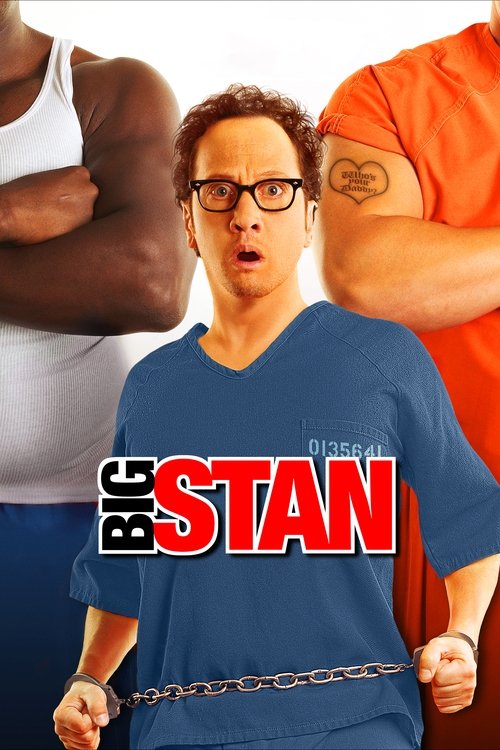
The 2000s were a strange, sweaty time for the mid-budget studio comedy. We were caught in this weird limbo between the polished high-concept hits of the 90s and the Judd Apatow-led improv revolution that was about to take over. Right in the middle of that transition, Rob Schneider decided to step behind the camera for his directorial debut. The result was Big Stan, a movie that feels like a fever dream from the bottom of a 2007 bargain bin, yet possesses a strange, scrappy heart that most of its contemporaries lacked.
I watched this on a laptop with a dying battery while a thunderstorm raged outside, which added a weirdly high-stakes atmosphere to the training montages. It’s a movie that knows exactly what it is: a crude, occasionally problematic, but surprisingly earnest martial arts comedy that lives and dies on the charisma of a guy who once played a carrot on Saturday Night Live.
The Art of Not Getting Shanked
The premise is pure high-concept gold. Stan Minton (Rob Schneider) is a sleazy real estate con artist who gets caught and sentenced to a stint in a maximum-security prison. Terrified of the "romantic" advances of his future cellmates—a trope the movie leans into with the subtlety of a sledgehammer—Stan spends his few remaining months of freedom training to become a lethal weapon.
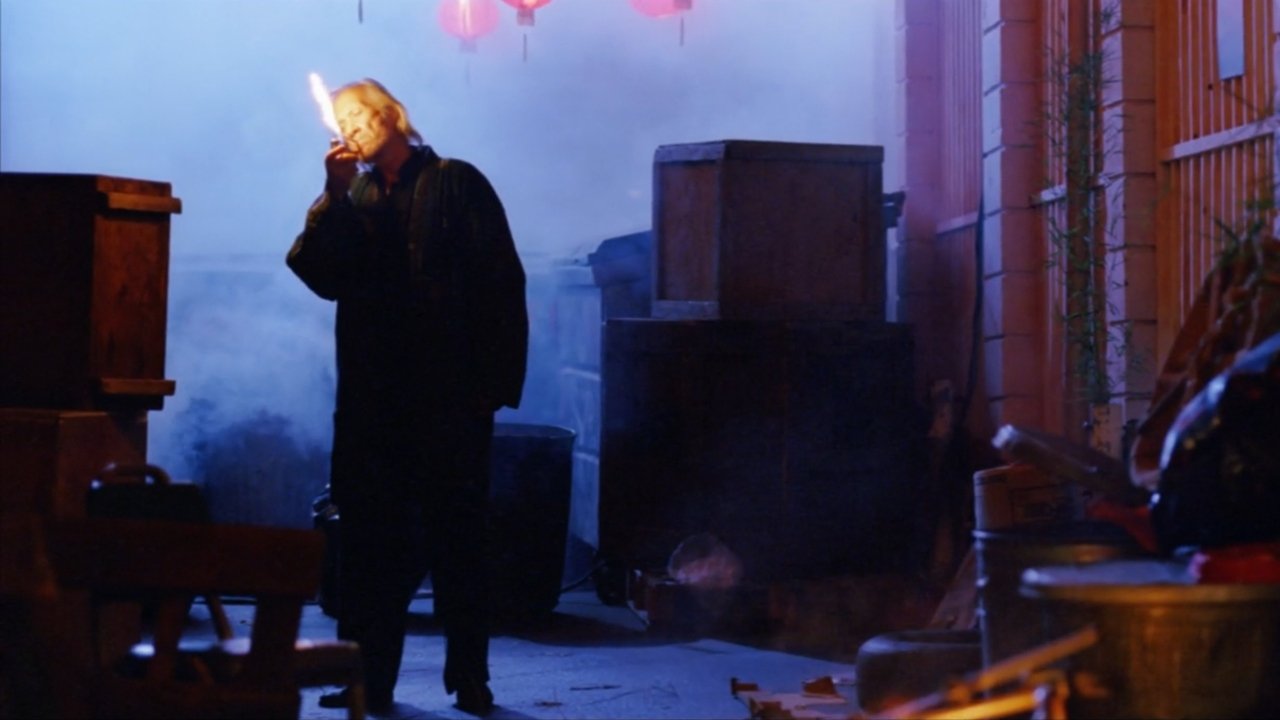
Enter "The Master," played by the legendary David Carradine. If you’re looking for a reason to watch Big Stan today, it’s Carradine. He’s essentially playing a burnt-out, cigarette-smoking version of his Kung Fu persona, teaching Stan how to harden his body by hitting him with sticks and making him eat bugs. Carradine treats this material with the same reverence he’d give a Scorsese script, and that deadpan commitment is what keeps the first half of the film afloat. Watching him mentor Schneider is like watching a Juilliard grad teach a golden retriever how to do Shakespeare; it shouldn't work, but the friction is fascinating.
Directing Through the Grime
As a director, Rob Schneider shows a surprising amount of competence for a first-timer. While many comedies of this era were shot with the flat, uninspired lighting of a sitcom, Big Stan actually tries to look like a movie. The training sequences have a gritty, sepia-toned texture, and the fight choreography is remarkably clear. You can actually see the hits landing.
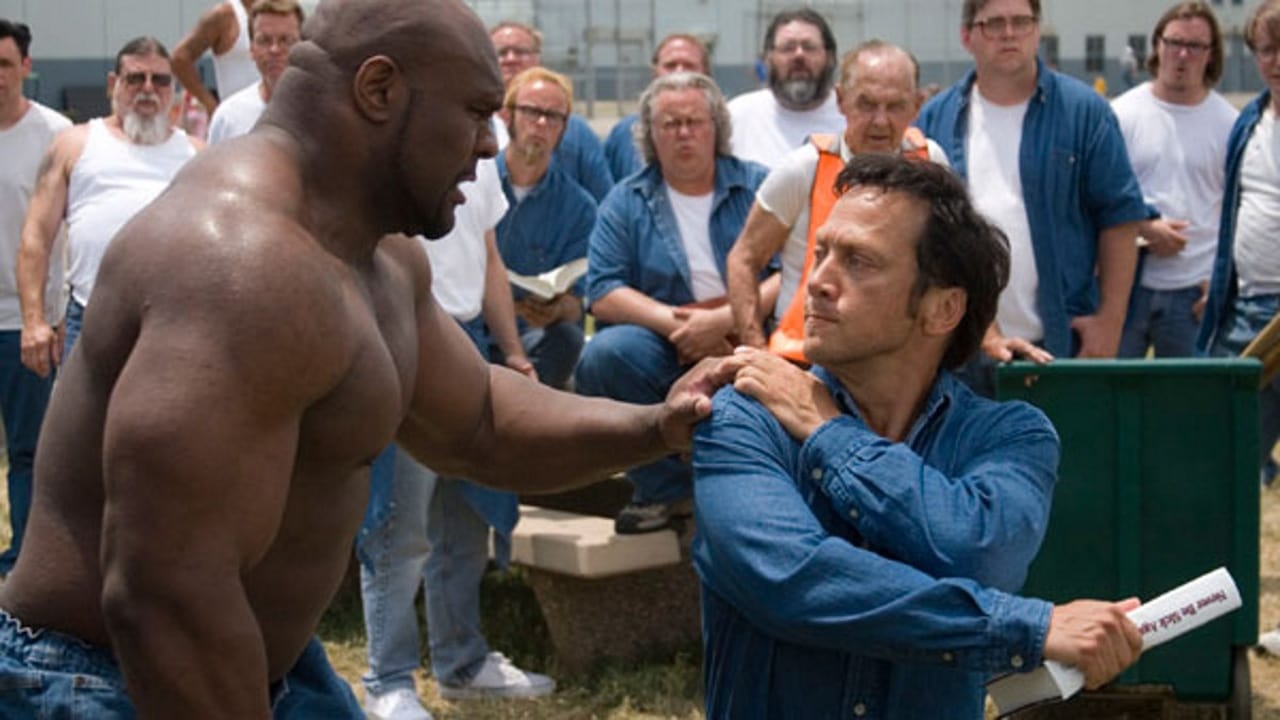
There’s a specific DNA to this era of comedy—the "Happy Madison" adjacent school of filmmaking—where the plot is just a clothesline for gags. However, Big Stan actually follows a classic sports-movie arc. Once Stan gets to prison, he doesn't just survive; he uses his newfound skills to beat the living hell out of every gang leader until he creates a unified, peaceful utopia within the walls. It’s absurd, yes, but it’s a prison movie where the most dangerous weapon is a well-timed Schneider squeal.
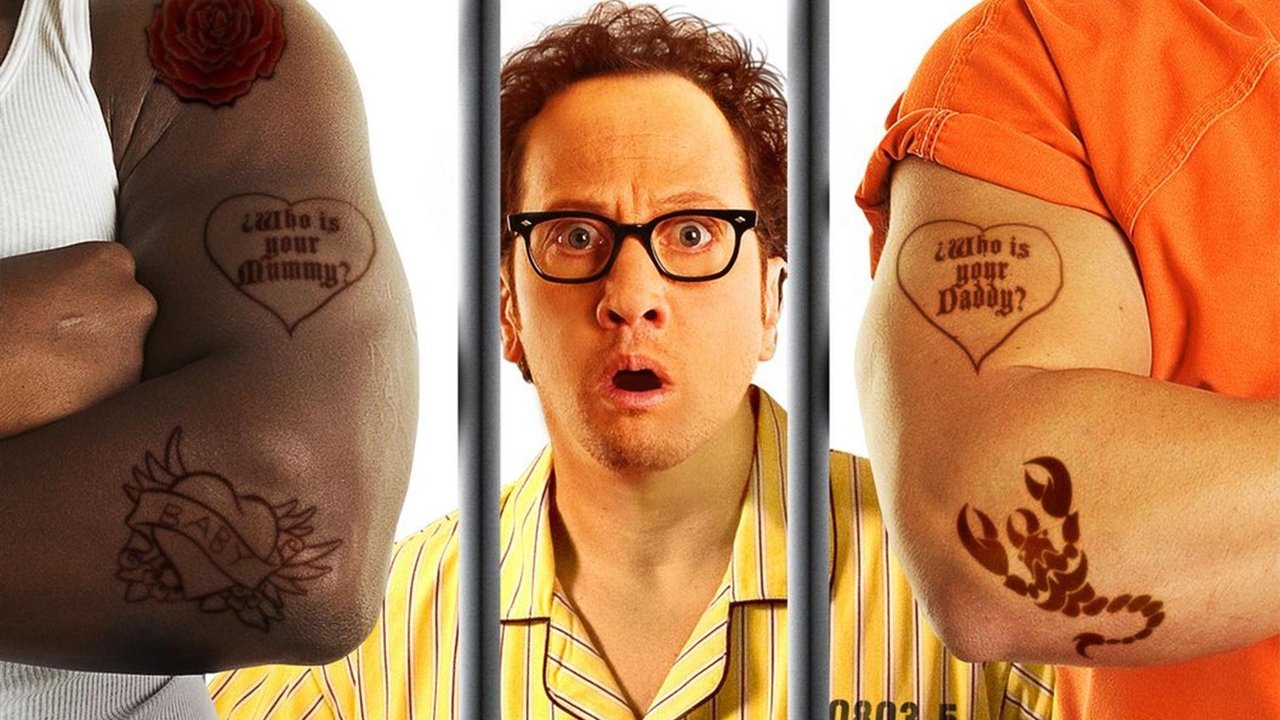
The supporting cast is a "who’s who" of character actors who clearly had a weekend free. Scott Wilson (years before The Walking Dead) plays the corrupt Warden Gasque with a slimy Southern charm, and Richard Kind pops up as Stan's lawyer, delivering lines with that nervous energy that only he can provide. Even Jennifer Morrison shows up as Stan’s wife, Mindy, though she’s mostly relegated to the "concerned woman at home" role that was mandatory for female leads in 2007.
A Relic of the DVD Bin
Looking back, Big Stan is a perfect example of the "straight-to-DVD" phenomenon that was peaking in the late 2000s. While it hit theaters internationally, it vanished into the home video market in the States. This was an era where a recognizable name like Schneider could still secure a $7.5 million budget based on the strength of his DVD sales for The Hot Chick or Deuce Bigalow: Male Gigolo.
Does it hold up? Mostly. Some of the humor is undeniably dated—the film’s obsession with prison assault as a punchline feels like a relic of a less sensitive comedic landscape. But if you can look past the cruder elements, there’s a genuine "underdog" spirit here. The film was shot at a real decommissioned prison in Stockton, California, and you can feel the oppressive heat and grime of the location.
The trivia surrounding the production is equally scrappy. Apparently, David Carradine was so impressed with the martial arts choreography that he stayed involved in the editing process to ensure the rhythm of the fights stayed intact. It’s also one of the few films where the director (Schneider) actually performed many of his own stunts, leading to a few genuine injuries on set. That physical commitment is what separates Big Stan from the dozens of other forgotten comedies of its time. It’s a movie that’s trying, even when the jokes are hitting below the belt.
Ultimately, Big Stan is the cinematic equivalent of a gas station snack: you know it’s not particularly good for you, but it hits the spot if you’re in the right mood. It’s a fascinating look at the tail end of the "star-driven" mid-budget comedy, anchored by a legendary performance from David Carradine. It isn't a masterpiece, but as a directorial debut from one of the most polarizing figures in comedy, it’s far more competent and entertaining than it has any right to be. Turn your brain off, ignore the 2007-era tropes, and just enjoy the sight of Rob Schneider trying to crane-kick a man twice his size.
Keep Exploring...
-
11:14
2003
-
The Ladykillers
2004
-
The Whole Ten Yards
2004
-
Shoot 'Em Up
2007
-
I Love You Phillip Morris
2010
-
Big Mommas: Like Father, Like Son
2011
-
Stand Up Guys
2012
-
The Benchwarmers
2006
-
Deuce Bigalow: Male Gigolo
1999
-
Analyze That
2002
-
Intolerable Cruelty
2003
-
National Security
2003
-
Taxi 3
2003
-
Bandidas
2006
-
Little Man
2006
-
Smokin' Aces
2006
-
Taxi 4
2007
-
God Bless America
2012
-

Dick Tracy
1990
-

Heartbreakers
2001