Blades of Glory
"Fire and ice have never been this spandex-heavy."
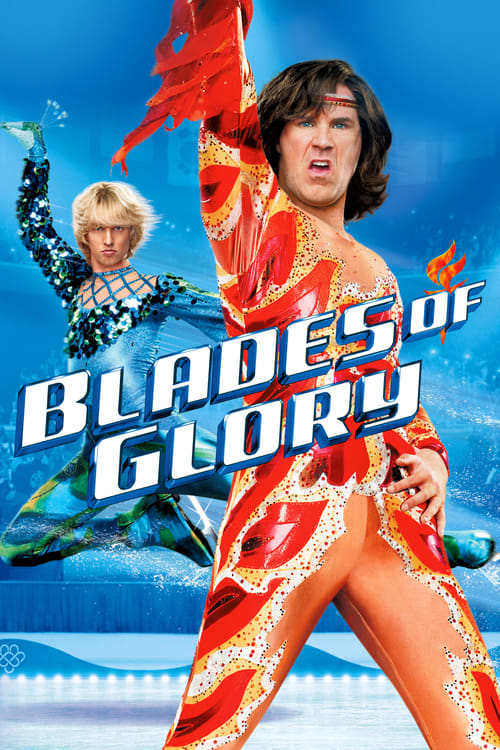
There is a specific, glistening brand of madness that could only exist in the mid-2000s, an era when the "sports parody" was the undisputed king of the multiplex. It was a time when Will Ferrell could essentially pick a hobby, put on a wig, and print money. While Talladega Nights gets the glory and Semi-Pro is the one people usually skip, Blades of Glory (2007) sits in that strange, sparkly middle ground. It’s a film that looks like it was costumed by a disco ball that exploded in a sequins factory, and yet, somehow, it remains one of the most consistently funny relics of the "Frat Pack" era.
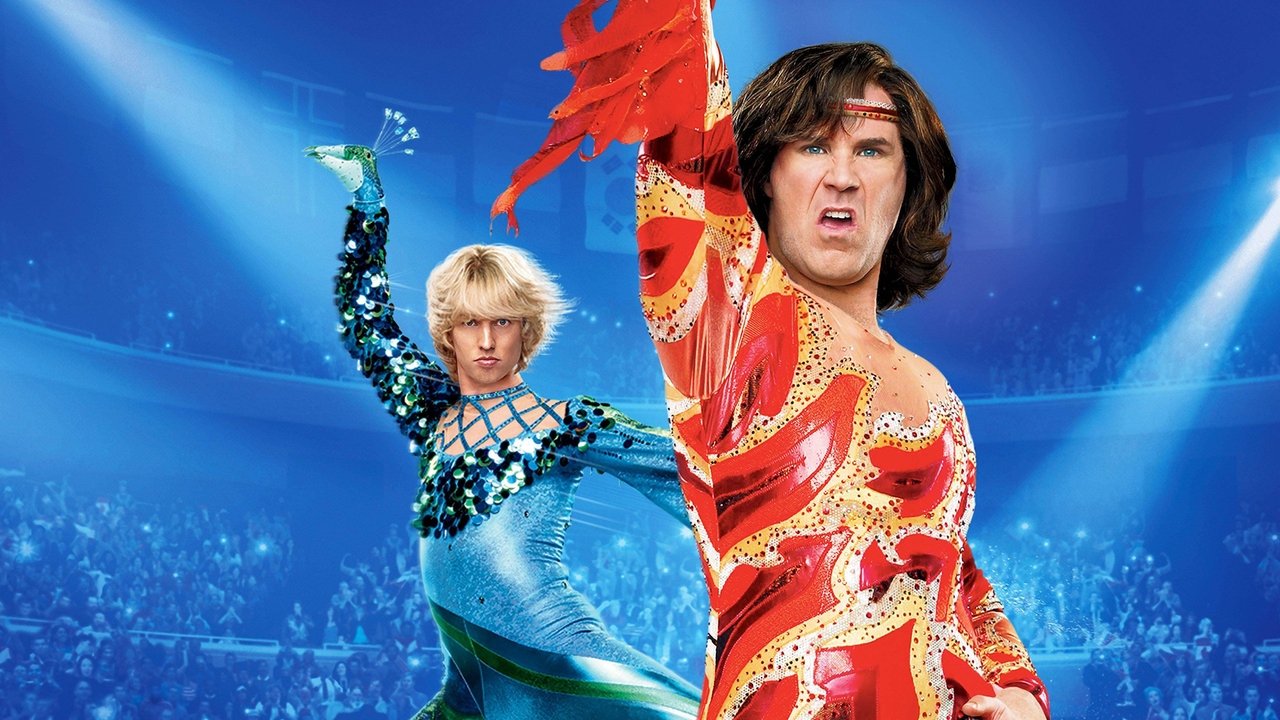
I watched this most recently while reclining in a beanbag chair that was slowly leaking its polystyrene guts onto my carpet, drinking a room-temperature ginger ale, and I found myself genuinely surprised by how well the absurdity holds up. It’s not just the sight of grown men in unitards; it’s the absolute, dead-eyed commitment to the bit.
The Fire, The Ice, and the Man-Perfume
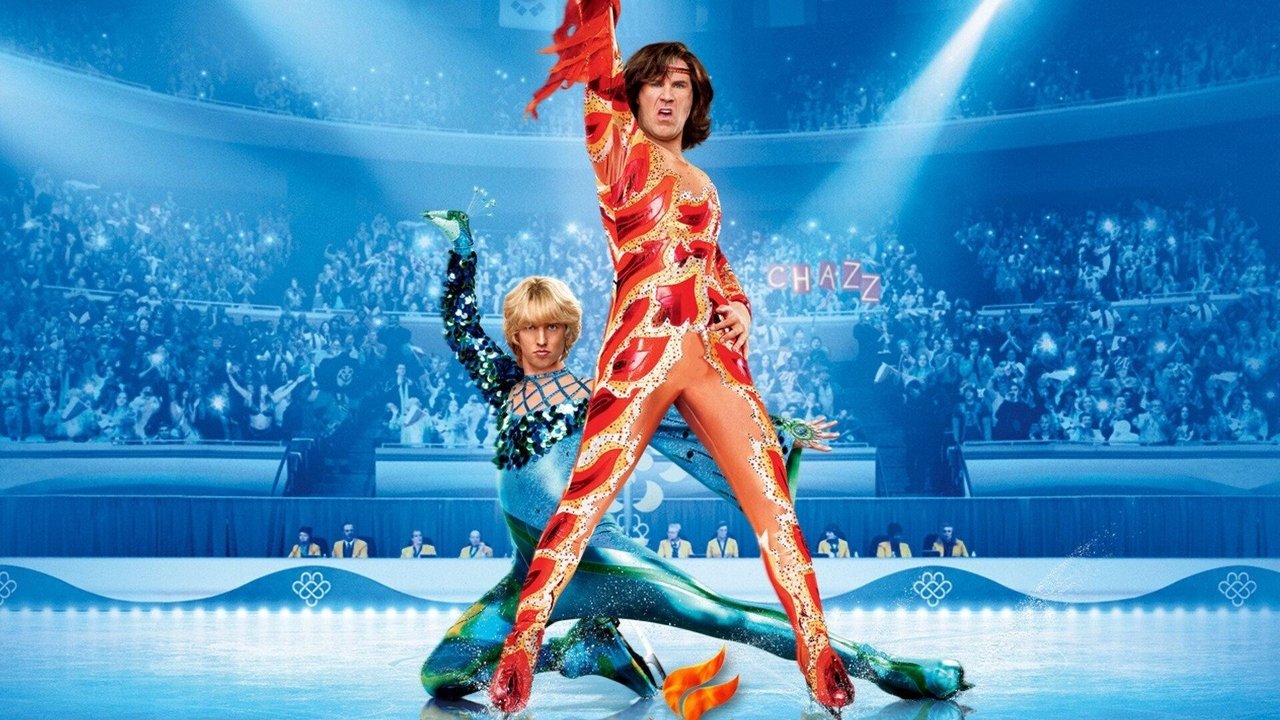
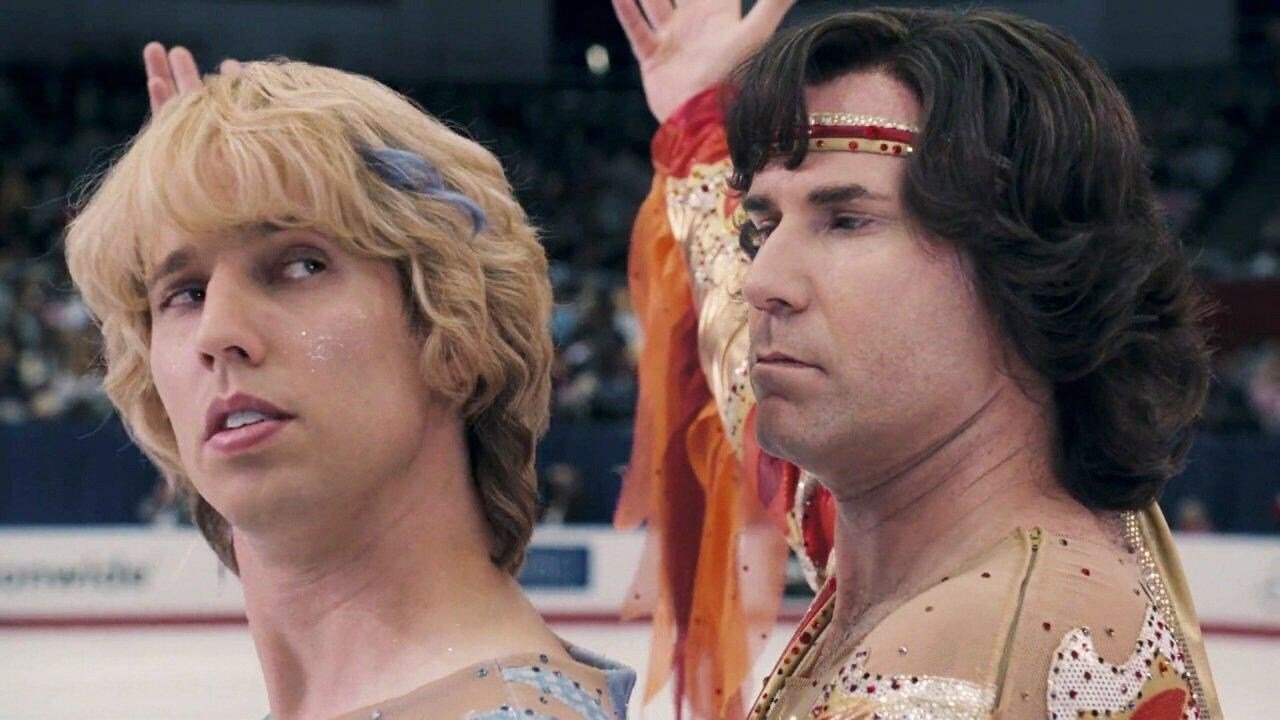
The premise is pure high-concept gold: Will Ferrell plays Chazz Michael Michaels, a "sex-addict on ice" who skates like he’s trying to impregnate the rink, while Jon Heder (still riding the high of Napoleon Dynamite) is Jimmy MacElroy, a pampered, technical prodigy who was raised in a literal skating lab. After a gold-medal podium brawl results in a lifetime ban from men’s singles, they discover a loophole: they can return, but only as a pair.
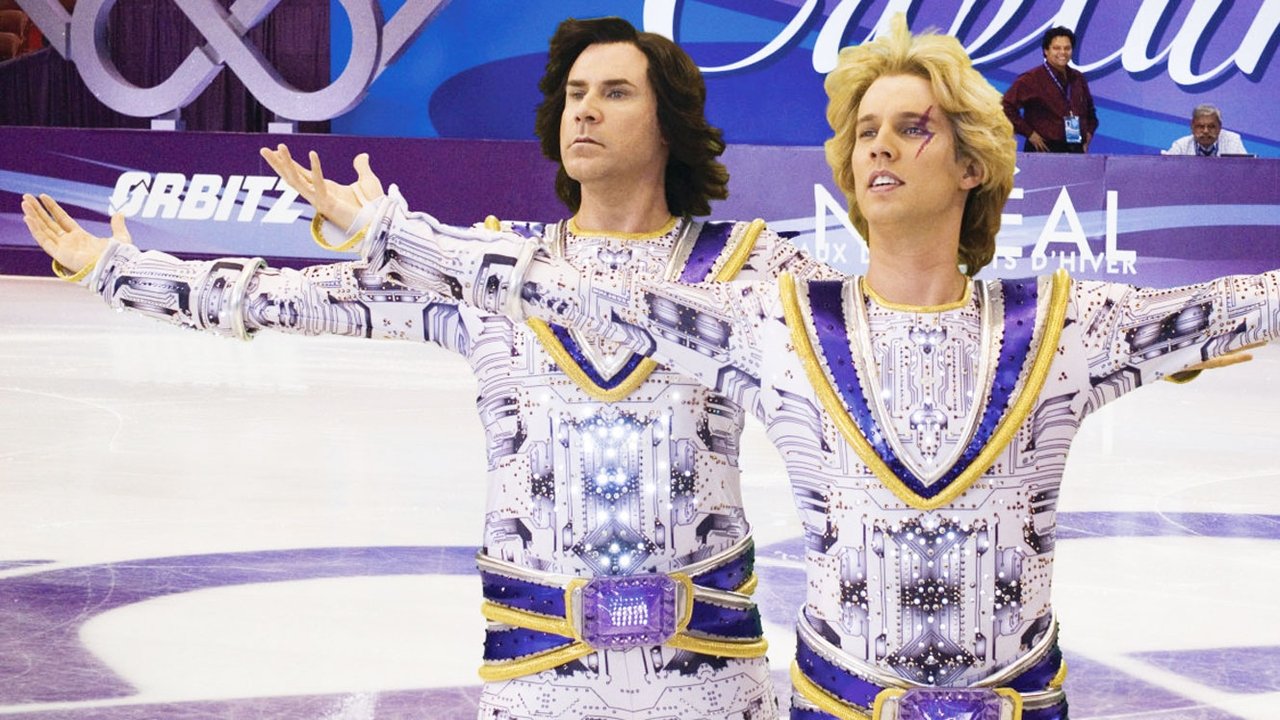
The chemistry between Ferrell and Heder is the engine that keeps this from being a one-joke sketch. Ferrell is doing his classic "arrogant blowhard" routine, but he’s at his peak here, weaponizing his own chest hair for comedic effect. Heder, meanwhile, provides the perfect effeminate foil. He’s all porcelain skin and delicate movements, playing the straight man in a way that allows Ferrell to chew the scenery until there’s nothing left but splinters. Their "Fire and Ice" routine is a masterstroke of physical comedy, mostly because it leans into the inherent intimacy—and the awkwardness—of pair skating.
Villains in Rhinestones
While the leads are great, the film’s secret weapons are the villains. Will Arnett and Amy Poehler play Stranz and Fairchild Van Waldenberg, a brother-sister skating duo whose relationship is uncomfortably close in a way that would make a Lannister blush. This was before Parks and Recreation made Poehler a household name, and seeing her play a sociopathic ice queen is a delightful reminder of her range. Arnett brings that gravelly-voiced pomposity he perfected in Arrested Development, and together they turn a standard "beat the rivals" plot into something weirdly operatic.
I also have to give a nod to William Fichtner, an actor usually reserved for playing grizzled cops or intense bureaucrats, who shows up here as Jimmy’s billionaire adoptive father. Watching him treat figure skating like a high-stakes corporate merger is the kind of character-driven humor that elevates the movie above a standard slapstick romp.
The Digital Rink and the Iron Lotus
Looking back, Blades of Glory is a fascinating snapshot of the "Modern Cinema" transition. It arrived right as digital face-replacement technology was becoming affordable enough for comedies to use it extensively. Because neither Ferrell nor Heder could actually perform a triple axel without breaking every bone in their bodies, the directors (Josh Gordon and Will Speck) relied heavily on CGI to paste the actors' faces onto professional skaters.
By today’s standards, the effects are occasionally noticeable, but they actually add to the film's surrealist charm. It gives the skating sequences a hyper-real, gravity-defying quality that culminates in the legendary "Iron Lotus"—a move so dangerous it supposedly decapitated a girl in North Korea. The Iron Lotus is the most scientifically sound part of this entire script, at least in terms of its internal logic. The movie doesn't care about the laws of physics, and by the third act, neither do you.
Stuff You Didn't Notice

Interestingly, despite being a massive hit at the time, the film has somewhat faded into the "TBS Sunday Afternoon" background. It was produced by Ben Stiller, who originally developed the project as a potential starring vehicle for himself. When he moved into a producing role instead, it allowed the film to lean harder into the Ferrell-brand of chaotic energy.
Also, the training sequences were filmed at various local rinks where the production actually had to keep the actors from freezing. Jon Heder reportedly suffered an ankle injury during the process, proving that even a comedy about figure skating carries a physical toll. There’s a deleted scene—which I remember seeing on the DVD extras back when people still bought those—where Chazz tries to explain his "skating as sex" philosophy to a group of bewildered children. It was probably "too much" for a PG-13 rating, but it perfectly encapsulates the lunacy they were aiming for.
Ultimately, this is a film that knows exactly what it is and refuses to blink. It’s a relic of a time when Hollywood had a seemingly bottomless budget for high-concept silliness, and it’s all the better for it. It might not have the cultural staying power of Anchorman, but for 93 minutes, it’s a beautifully absurd escape into a world of sequins, spandex, and very questionable choreography. If you haven't revisited the Van Waldenbergs lately, it's time to lace up the skates and lean into the madness.
Keep Exploring...
-
The Switch
2010
-
Semi-Pro
2008
-
Talladega Nights: The Ballad of Ricky Bobby
2006
-
The Campaign
2012
-
When in Rome
2010
-
The Benchwarmers
2006
-
RV
2006
-
Step Brothers
2008
-
Megamind
2010
-

The Other Guys
2010
-
The Family Stone
2005
-
Hot Rod
2007
-
30 Minutes or Less
2011
-

Think Like a Man
2012
-
Showtime
2002
-
The Santa Clause 2
2002
-
Intolerable Cruelty
2003
-
Looney Tunes: Back in Action
2003
-
Matchstick Men
2003
-

Alfie
2004