Bridge to Terabithia
"Beyond the river lies the truth about growing up."
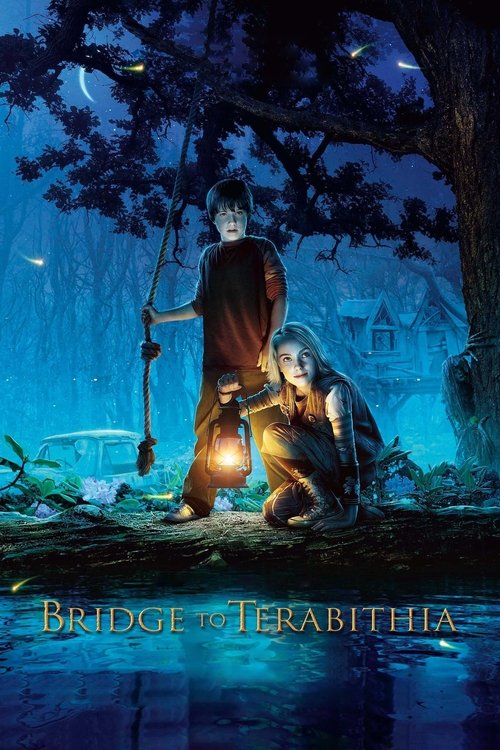
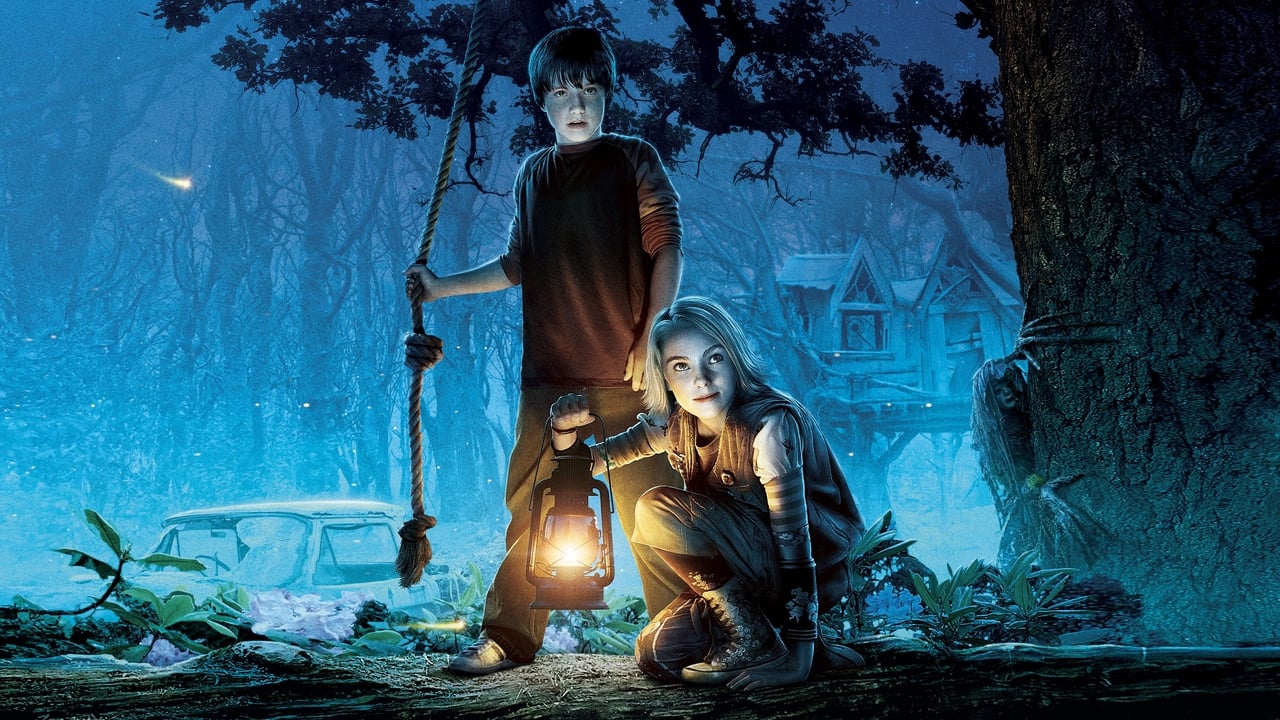
If you walked into a theater in February 2007 expecting a high-octane CGI spectacle filled with talking squirrels and epic sword fights, you were essentially a victim of one of the most successful cinematic bait-and-switches in history. The marketing for Bridge to Terabithia leaned hard into the post-Lord of the Rings and Harry Potter craze, positioning the film as a portal-fantasy epic. But the reality was something far more grounded, far more gut-wrenching, and—dare I say—far more important.
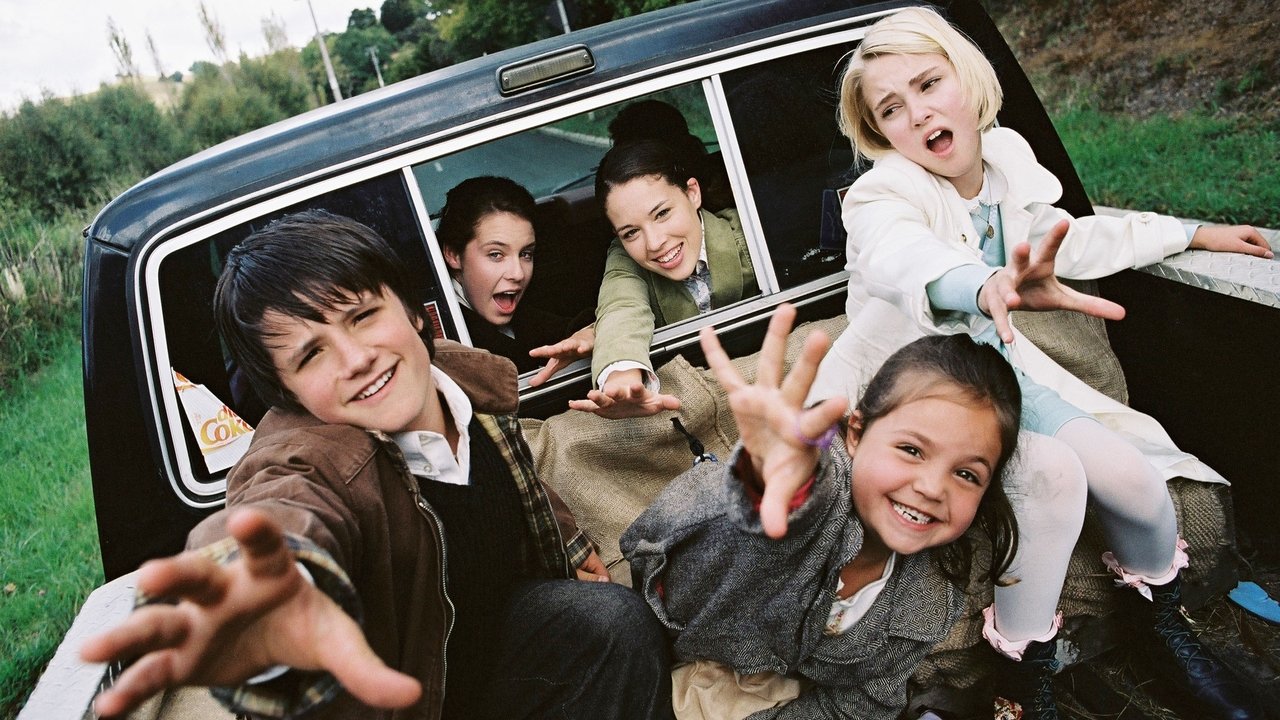
I’m still a little salty about those trailers, but in retrospect, I’m glad they tricked us. If they hadn't, a generation of kids might have missed out on one of the most honest depictions of childhood friendship and grief ever put to celluloid. I watched this most recently on a flight where the person in 14B was aggressively clipping their toenails, and honestly, even that grotesque display of public indecency couldn't distract me from the sheer emotional weight of the third act.
The Great Marketing Deception of the 2000s
Back in 2007, Walden Media was trying to find its next Narnia. They saw a book with "bridge" and a made-up word in the title and decided to sell it as a digital Wonderland. While the film does feature trolls, giants, and "sqogres," these aren't inhabitants of a literal magical realm. They are the imaginative manifestations of Jess Aarons and Leslie Burke. Directed by Gábor Csupó—the man behind the visual DNA of Rugrats and Wild Thornberrys—the film treats Terabithia not as a place you go to save the world, but as a place you go to survive middle school.
Looking back, the CGI is a fascinating time capsule of that mid-2000s transition period. Some of the creature designs are genuinely creative, but let’s be real: the CGI giants occasionally look like they wandered off the set of a late-era Spy Kids sequel. Yet, it doesn't matter. Because Terabithia is a product of two kids’ brains, the fact that the effects aren't "Avatar"-level photorealistic actually helps the narrative. It feels like play. It feels like the way a ten-year-old would envision a forest monster while swinging on a fraying rope.
Performance and Heart in Rural Virginia
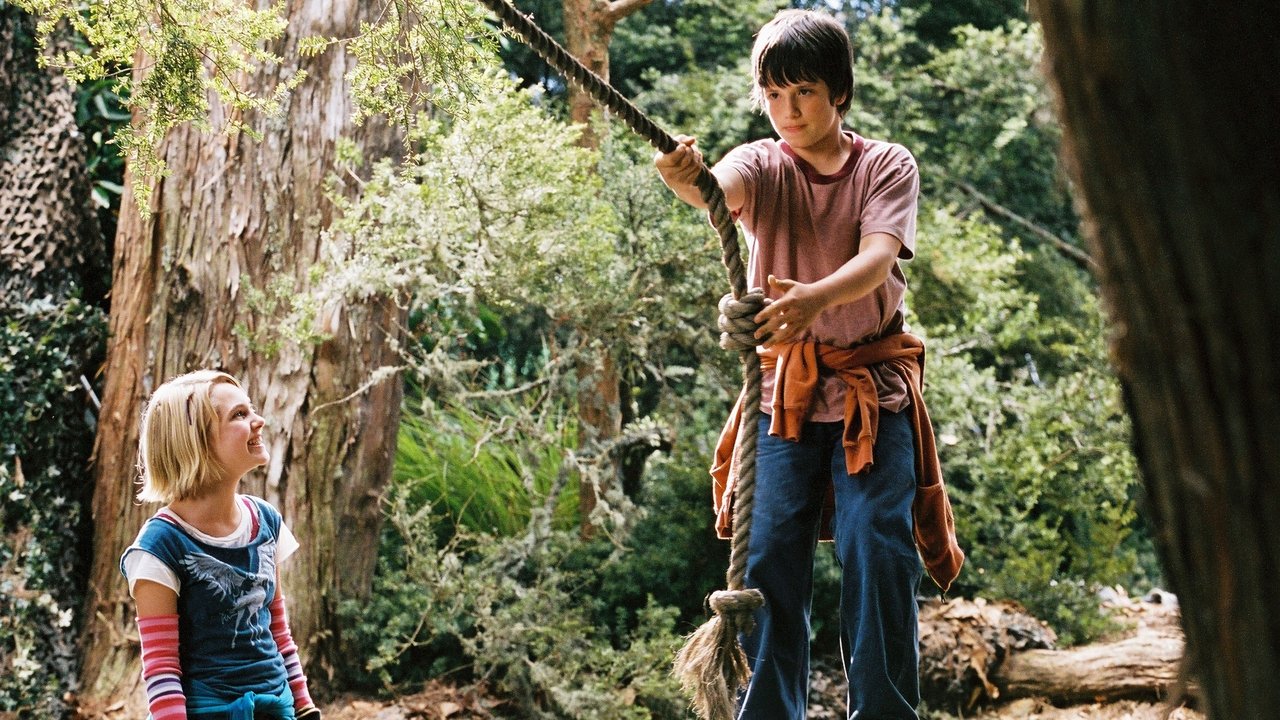
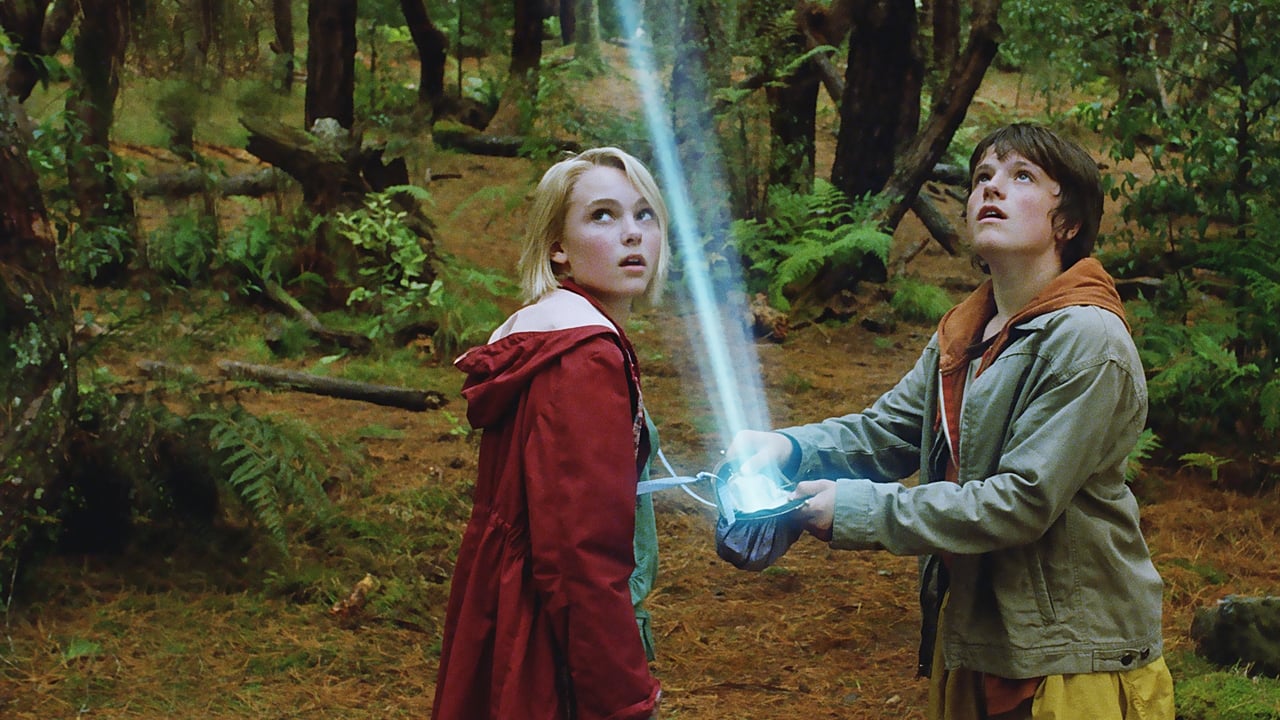
The real magic isn't in the pixels; it’s in the chemistry between Josh Hutcherson and AnnaSophia Robb. Long before he was fighting for his life in The Hunger Games, Josh Hutcherson was giving us one of the most soulful child performances of the decade as Jess. He captures that specific, quiet ache of being a creative kid in a house where there’s no money for art supplies and no time for "nonsense."
Then comes Leslie Burke. AnnaSophia Robb plays her with such infectious, un-ironic vibrance that you immediately understand why she upends Jess’s world. She isn't a "Manic Pixie Dream Girl" for middle-schoolers; she’s a kid who has been told she can be anything and chooses to be kind. Their friendship feels earned, built on the shared trauma of being outcasts and the shared joy of finding someone who "gets it."
I also have to give a massive shout-out to Robert Patrick. I’m a sucker for seeing the T-1000 play a stern, overworked father. He brings a heavy, blue-collar weariness to the role of Jack Aarons. He isn't a "movie villain" dad; he’s just a guy trying to keep the lights on, and his eventual pivot into emotional vulnerability is what usually sends me reaching for the tissues. Even Zooey Deschanel shows up as the music teacher, Ms. Edmunds, providing a glimpse of the "cool adult" we all wished we had in fifth grade.
The Legacy of the "Trauma Bridge"
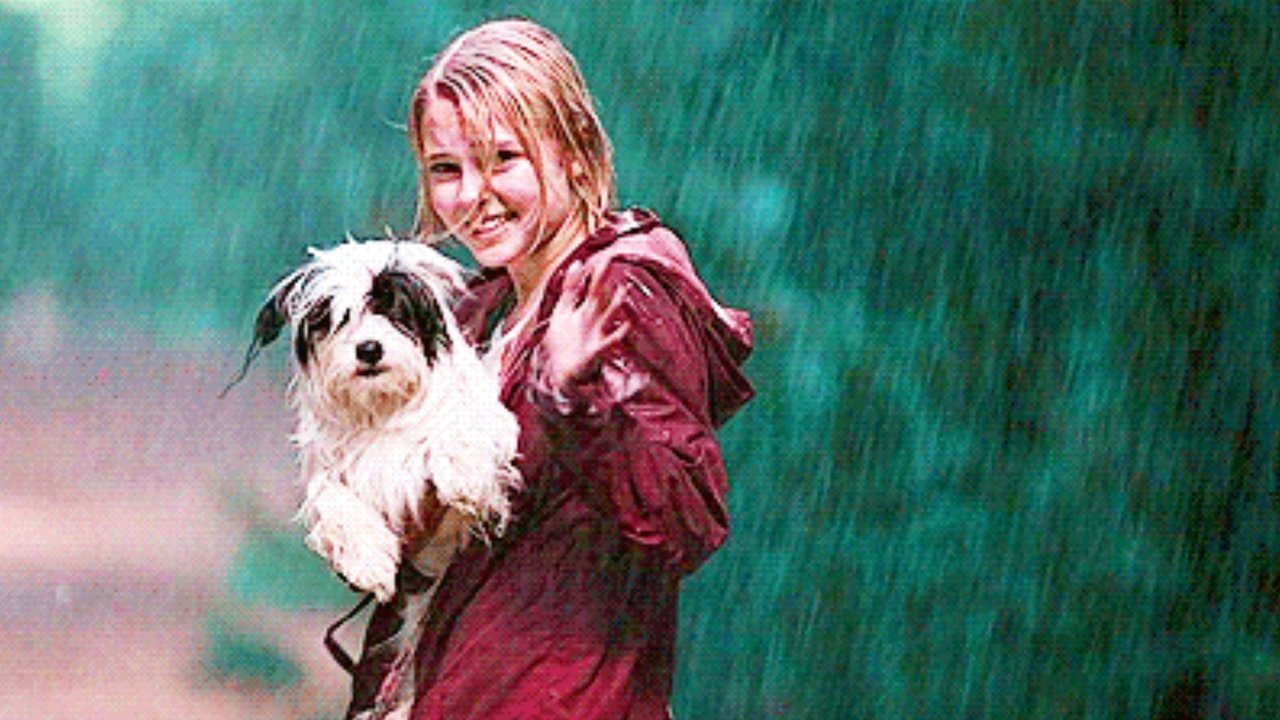
What makes Bridge to Terabithia a cult classic—and a staple of "movies that broke me" lists—is its refusal to pull its punches. It deals with class, poverty, and the sudden, senseless nature of tragedy with a maturity that few "Family" films dare to touch. It’s based on the Newbery Medal-winning book by Katherine Paterson, who wrote it after her son David lost his best friend to a lightning strike. That David Paterson co-wrote the screenplay is likely why the film feels so fiercely protective of its source material’s heart.
The movie captures a very specific 2000s vibe—that moment when indie-sensibility started to bleed into studio family films. It lacks the saccharine gloss of a Disney Channel Original Movie, opting instead for a muted, slightly overcast New Zealand-standing-in-for-Virginia palette. It’s a film that respects kids enough to tell them the truth: that life is beautiful and unfair, and that the things we build in our heads are sometimes the only things that keep our hearts from breaking.
The film's initial "flop" status was quickly rectified by a massive DVD life, where it became a word-of-mouth sensation for parents realizing it was much deeper than the "Narnia-lite" they expected. It remains a high-water mark for the era, proving that you don't need a thousand Orcs to make a movie feel epic. All you need is a rope swing, a sketchpad, and a friend who believes your stories. Just make sure you have a high-quality box of tissues nearby, because that ending still hits like a freight train even seventeen years later.
Keep Exploring...
-
Spirit: Stallion of the Cimarron
2002
-
The Spiderwick Chronicles
2008
-
Hugo
2011
-
Zathura: A Space Adventure
2005
-
Dinosaur
2000
-

The Cat Returns
2002
-
The Lion King II: Simba's Pride
1998
-

Where the Wild Things Are
2009
-
Holes
2003
-

Eight Below
2006
-

Wizards of Waverly Place: The Movie
2009
-
The Karate Kid
2010
-
Treasure Planet
2002
-
Big Fish
2003
-
Brother Bear
2003
-
Master and Commander: The Far Side of the World
2003
-

Sinbad: Legend of the Seven Seas
2003
-
Lemony Snicket's A Series of Unfortunate Events
2004
-
The Life Aquatic with Steve Zissou
2004
-

The Polar Express
2004