Cashback
"Find beauty in the seconds you usually throw away."
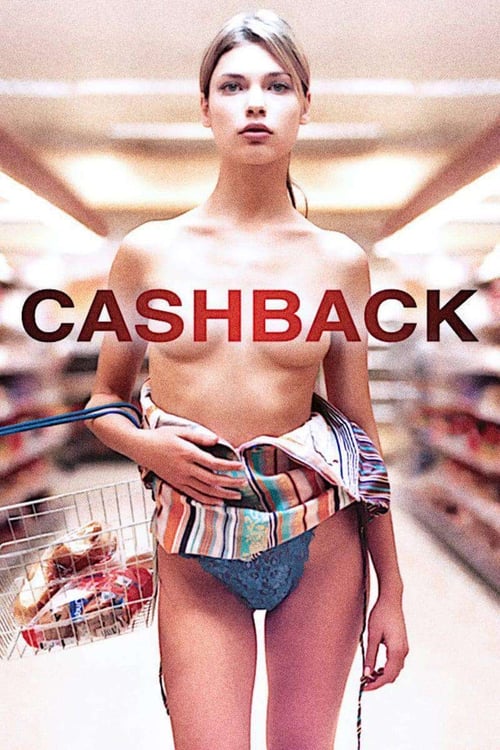
There is a specific, liminal flavor to a supermarket at three in the morning. The hum of the industrial refrigerators becomes a choir, and the fluorescent lights cast a sterile, purgatorial glow over the mountains of cereal boxes. It’s a place where time doesn’t move; it merely curdles. For most of us, this is a chore to be endured, but for Sean Ellis, it’s the canvas for one of the most visually arresting indie dramas of the mid-2000s.

I watched this film for the first time on a grainy DVD I borrowed from a friend who swore it was "the best movie nobody’s seen," and I remember eating a sleeve of slightly stale Jaffa Cakes while the credits rolled, feeling that strange, buzzing energy you get when you discover a secret. Cashback (2007) is exactly that: a secret whispered between the aisles of a Sainsbury’s.
The 124th Hour of the Day
The film follows Ben Willis, played with a perfect, wide-eyed exhaustion by Sean Biggerstaff (who most of us recognize as the intense Quidditch captain Oliver Wood from the Harry Potter films). Ben has been dumped by his girlfriend Suzy (Michelle Ryan), and the heartbreak has manifested as a terminal case of insomnia. He simply stops sleeping. Faced with an extra eight hours of consciousness every day, he decides to "exchange" that time for money, taking a graveyard shift at a local grocery store.
This is where the movie finds its heartbeat. To combat the soul-crushing boredom of fronting cans of beans, Ben lets his artistic imagination take the wheel. He discovers he can mentally freeze time, walking through a world of statues. He uses these frozen moments to sketch the shoppers, particularly the women, stripping away their layers to find the "beauty" beneath. It’s a conceit that could easily feel predatory—and let’s be honest, the film’s obsession with the female form walks a tightrope so thin it’s basically dental floss—but Sean Ellis frames it through the lens of a literal artist. Ben isn't looking for a thrill; he’s looking for a way to make the clock move.
The Supermarket Olympics
While Ben provides the brooding, melancholic core of the film, his coworkers provide the much-needed comedic relief. This is where Cashback reveals its British DNA. Shaun Evans and Michael Dixon play Sean and Barry, two bored-out-of-their-minds shelf-stackers who treat the supermarket floor like a playground. Their "Supermarket Olympics" and constant attempts to woo coworkers or prank their humorless manager, Jenkins (Stuart Goodwin), feel incredibly authentic to anyone who has ever worked a service job.
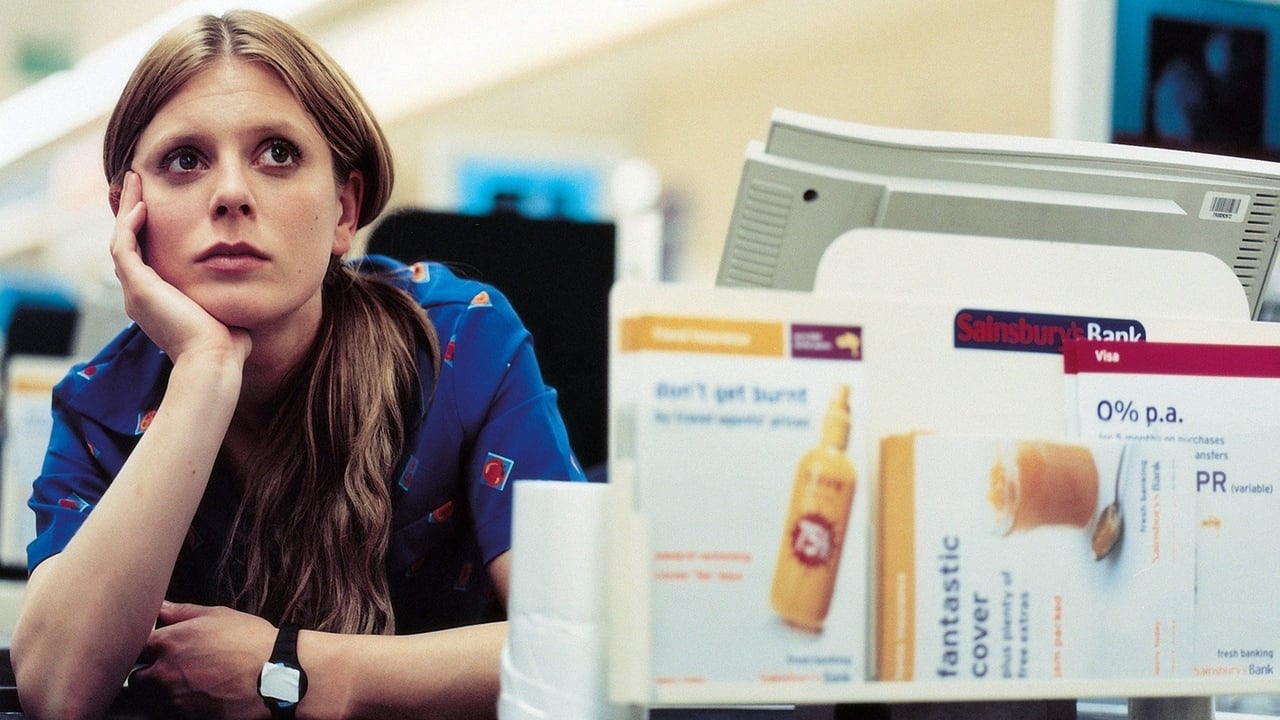
The chemistry between the staff turns what could have been a pretentious art-house slog into a genuine comedy. There’s a scene involving a disastrous football match that serves absolutely no purpose for the plot but is so wonderfully chaotic that I can’t imagine the movie without it. It reminds me of the mid-2000s obsession with "ensemble banter"—that post-Shaun of the Dead era where every group of British guys in a movie felt like they’d been friends since primary school.
A Photographer’s Eye in a Digital Shift
What truly sets Cashback apart is its visual language. Sean Ellis started as a fashion photographer, and it shows in every frame. This was 2007, the tail end of the era where indie films still felt like they were "shot" rather than "rendered." While we were in the middle of the CGI revolution, Ellis chose a more tactile approach. Many of the time-freezing sequences were achieved by having the actors stand incredibly still while the camera moved around them.
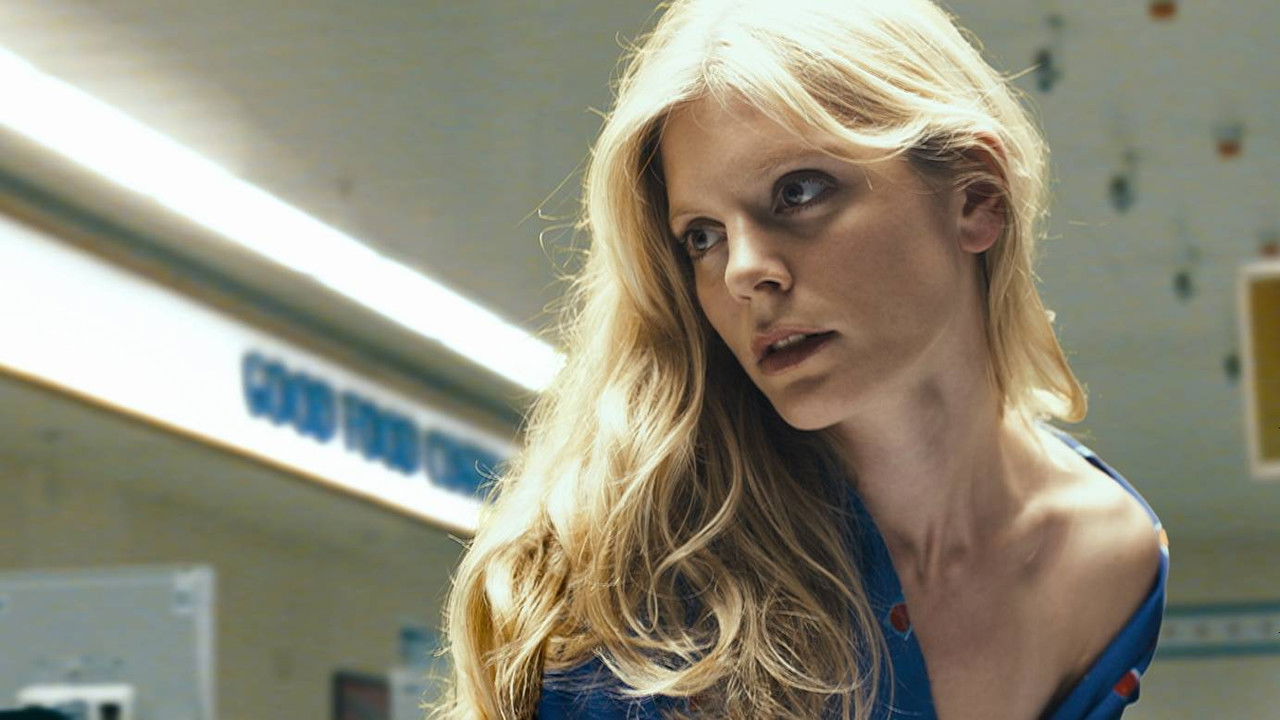
The result is a dreamlike, saturated aesthetic that feels like a high-end magazine spread come to life. The way the light catches a frozen droplet of water or the curve of Emilia Fox’s shoulder as the checkout girl, Sharon, feels purposeful. Fox is the understated anchor here; her performance is quiet and observant, acting as the perfect counterweight to Ben’s internal monologue. Their romance doesn't blossom with grand gestures; it builds in the quiet pauses between customers.
The Obscurity of the Ordinary
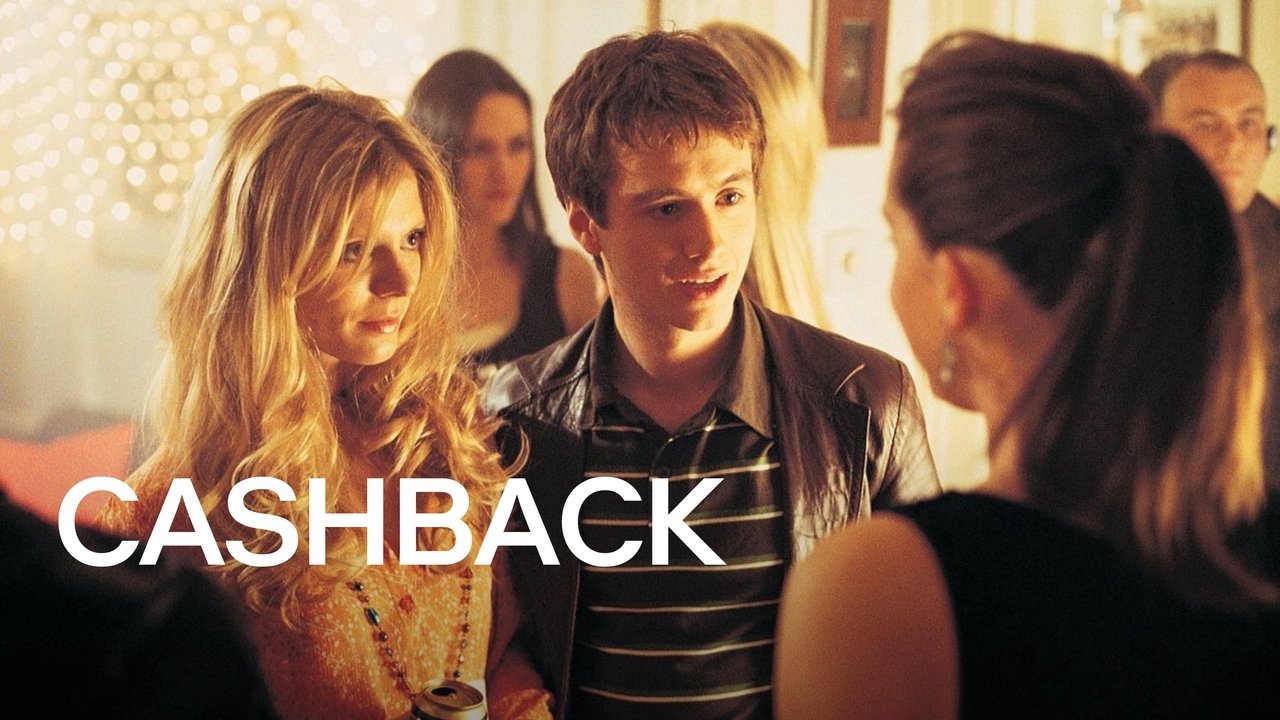
It’s a bit of a tragedy that Cashback has slipped into the "forgotten" bin of the 2000s. It originally started as a short film in 2004, which was nominated for an Oscar. When Ellis expanded it into a feature, it lost some of that tight, poetic pacing but gained a lot of heart. It’s a "small" movie in every sense of the word, but it tackles the "big" feeling of being stuck in your own head.
Looking back, the film captures that Y2K-adjacent anxiety of wanting to be an artist in a world that just wants you to stack the shelves. It’s a movie for the daydreamers and the people who stay up too late staring at the ceiling. It might be a little self-indulgent, and the male-gaze elements haven't aged perfectly, but there is an undeniable magic in its stillness.
Cashback is a stylish, slightly messy, but ultimately charming meditation on how we spend our lives. It turns the mundane drudgery of retail into a playground for the subconscious, proving that even in the middle of a fluorescent-lit aisle, there’s room for a little bit of wonder. If you’ve ever felt like the world was moving too fast—or not moving at all—this is a late-night shift worth taking.

Keep Exploring...
-

Submarine
2011
-

Salmon Fishing in the Yemen
2012
-
S1m0ne
2002
-
The Spanish Apartment
2002
-

Love Me If You Dare
2003
-
First Daughter
2004
-

Casanova
2005
-
The Sisterhood of the Traveling Pants
2005
-
Nick and Norah's Infinite Playlist
2008
-

Morning Glory
2010
-

What to Expect When You're Expecting
2012
-

EverAfter
1998
-
Blast from the Past
1999
-
Never Been Kissed
1999
-
Imagine Me & You
2006
-
Stuck in Love
2013
-
The Mafia Kills Only in Summer
2013
-
About a Boy
2002
-
Punch-Drunk Love
2002
-
Secretary
2002