Charlie Wilson's War
"Cocktails, charisma, and the collapse of the Soviet Union."
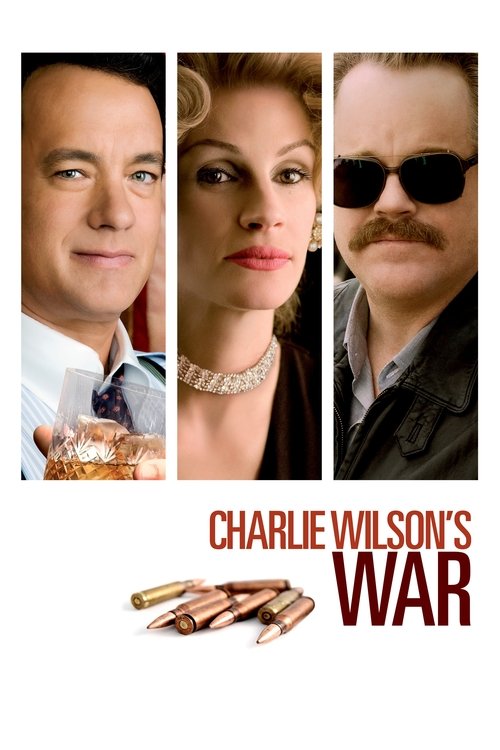
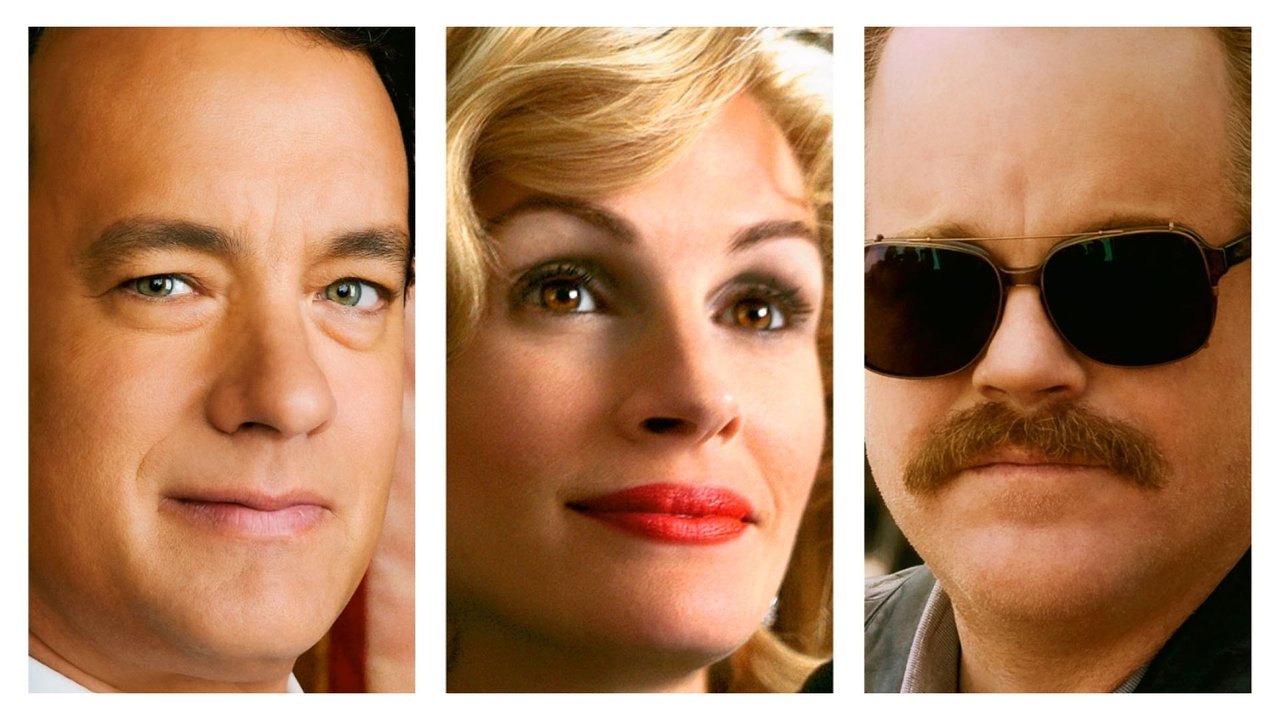
The first time I saw Tom Hanks in Charlie Wilson’s War, he was sitting in a Las Vegas hot tub surrounded by strippers, a mountain of cocaine, and a very confused "Dallas" producer. For a guy who had spent the previous decade playing the world’s most reliable captain, castaway, and Harvard symbologist, it was a magnificent shock to the system. This wasn't the "America’s Dad" version of Hanks; this was the "Cool Uncle who gets kicked out of Thanksgiving" version.
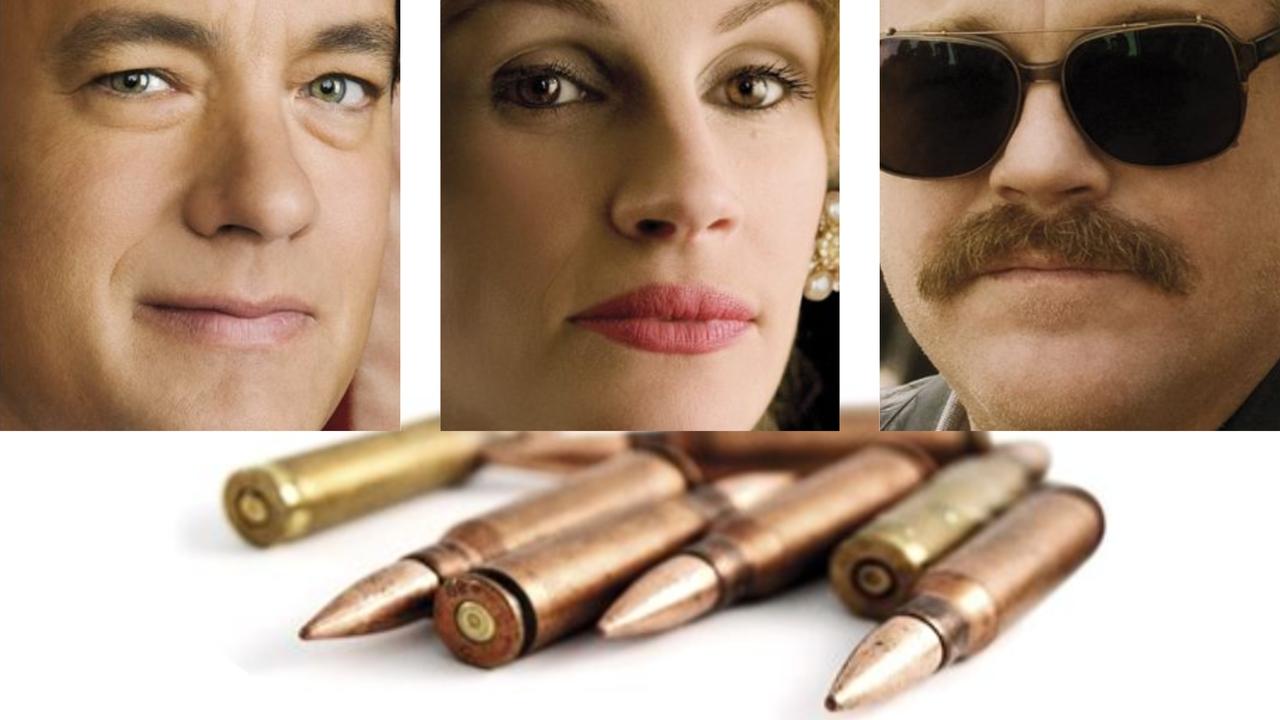
I actually watched this for the first time on a DVD I found in a bargain bin at a Walgreens while I was nursing a mild fever from a flu shot. The combination of the flu-induced brain fog and Aaron Sorkin’s rapid-fire dialogue made me feel like I was trying to solve a Rubik’s cube while riding a roller coaster. It was exhausting, exhilarating, and exactly how a political drama should feel.
The Sorkin-Nichols Power Hour
Released in late 2007, the film arrived at a strange crossroads in Hollywood history. We were deep into the post-9/11 era, a time when war movies were almost exclusively grim, handheld-camera affairs like The Kingdom or In the Valley of Elah. Then came Mike Nichols—the legendary director of The Graduate—teaming up with Aaron Sorkin to give us a movie about the beginnings of the Afghan-Soviet conflict that played like a screwball comedy.
It’s a "Modern Cinema" era relic that feels incredibly polished. Sorkin’s screenplay is a rhythmic beast, full of the "walk-and-talk" energy that defined The West Wing, but with a jagged, cynical edge. Tom Hanks plays Charlie Wilson, a real-life Texas congressman who loved whiskey, women, and freedom (in roughly that order). When he sees the horrors of the Soviet invasion of Afghanistan, he decides to do something about it—not through grand speeches on the House floor, but through backroom deals, scotch-fueled persuasion, and a very unlikely alliance.
A Masterclass in Supporting Steals
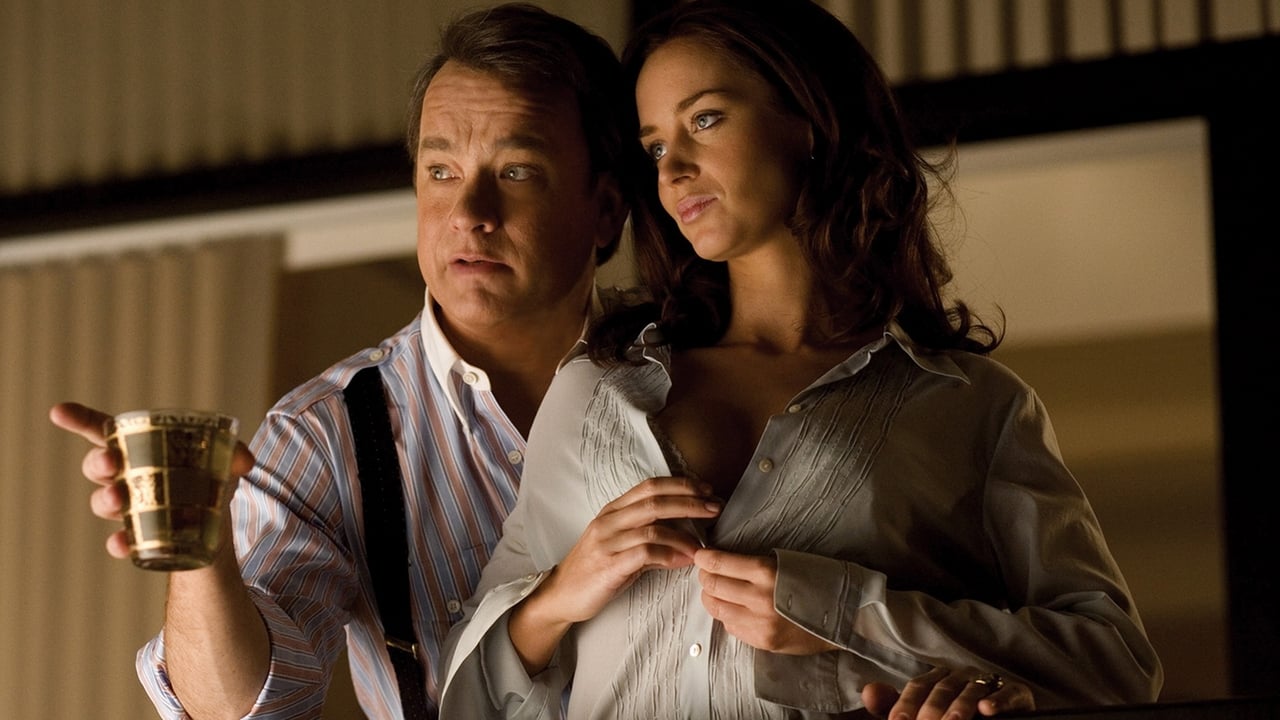
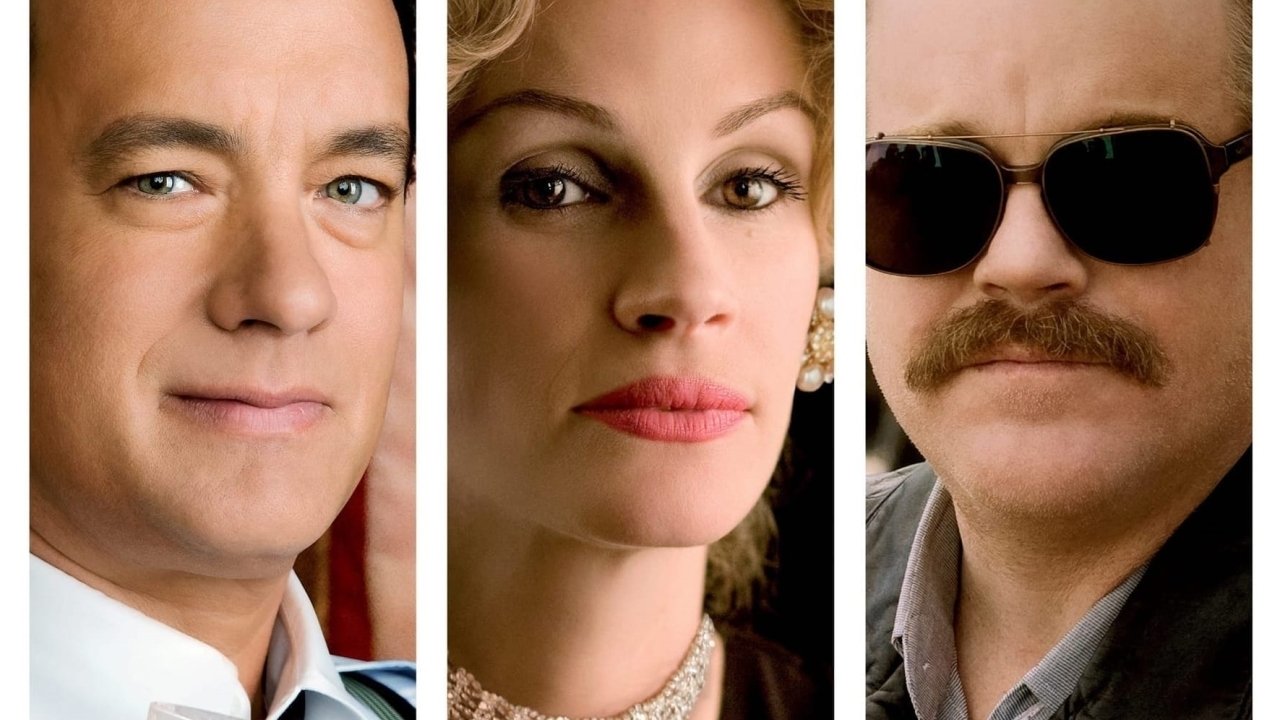
While Hanks is the engine, the film belongs to the late, great Philip Seymour Hoffman. Playing Gust Avrakotos, a blue-collar CIA operative with a permanent chip on his shoulder and a habit of breaking his boss’s office windows, Hoffman is a revelation. He is a rumpled, grumpy hurricane in a cheap suit. His chemistry with Hanks is some of the best "buddy-cop" energy ever put into a prestige drama. Every time Hoffman enters a scene, the IQ of the movie seems to jump thirty points while the manners drop by fifty.
Then you have Julia Roberts as Joanne Herring, a wealthy Texas socialite and fierce anti-communist who motivates Charlie to take up the cause. Roberts is playing a human-sized bottle of Tabasco sauce here, all big hair, sharp jewelry, and even sharper political convictions. It’s easy to forget that this era was also the launchpad for stars who hadn't quite hit their peak yet; seeing a young Amy Adams as Charlie’s hyper-competent assistant and Emily Blunt in a brief, sparkling cameo is like looking at a 2007 time capsule of future A-listers.
The Cost of "The Good Fight"
What makes Charlie Wilson’s War age so well is its ending. For 90 minutes, it’s a caper. We watch Charlie and Gust navigate the labyrinth of international arms dealing, convincing everyone from the Israelis to the Saudis to help arm the mujahideen. It’s funny, it’s fast, and it feels like a victory. But the final five minutes are a gut punch of historical hindsight.

The film was made while the real-world war in Afghanistan was going poorly, and Nichols doesn't let the audience off the hook. Charlie wins the war but loses the peace. He can get $500 million for anti-aircraft missiles, but he can’t get $1 million to build a school. The look on Charlie’s face as he realizes the "beginning of the end" might just be the "end of the beginning" is a haunting bit of acting from Hanks.
Interestingly, the real Charlie Wilson was a frequent visitor to the set. Apparently, he was quite pleased with the portrayal, though he jokingly mentioned that Hanks was much more handsome than he ever was. The production also had to deal with the logistical nightmare of recreating 1980s Afghanistan and Pakistan in Morocco, during a period when the actual geopolitical climate was making that kind of location scouting incredibly tense.
This is the kind of mid-budget, adult-oriented drama that Hollywood has mostly stopped making in favor of superhero tentpoles, and I miss it dearly. It manages to be educational without being a lecture and hilarious without being a farce. It captures that specific 2000s energy where we were just starting to look back at the Cold War with a mix of nostalgia and "oh no, what did we do?" If you have 100 minutes and want to see some of the best actors of their generation trade barbs at 100 miles per hour, this is your movie. Just keep an eye out for Philip Seymour Hoffman's broken window—it’s the funniest running gag in a movie about international arms smuggling.
Keep Exploring...
-
Confessions of a Dangerous Mind
2002
-
Larry Crowne
2011
-
Wolf
1994
-
That Thing You Do!
1996
-

The Terminal
2004
-
Closer
2004
-
Dan in Real Life
2007
-
Matchstick Men
2003
-
Mona Lisa Smile
2003
-
Seabiscuit
2003
-

Spanglish
2004
-

Sahara
2005
-
Flags of Our Fathers
2006
-
The Good Shepherd
2006
-

World Trade Center
2006
-

Agora
2009
-

Funny People
2009
-

Salmon Fishing in the Yemen
2012
-
Apollo 13
1995
-
K-19: The Widowmaker
2002