Cleaner
"Scrubbing the scene is the easy part."
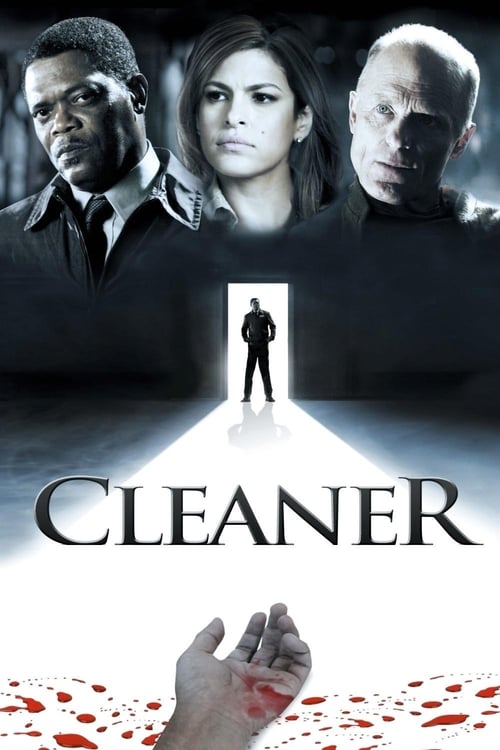
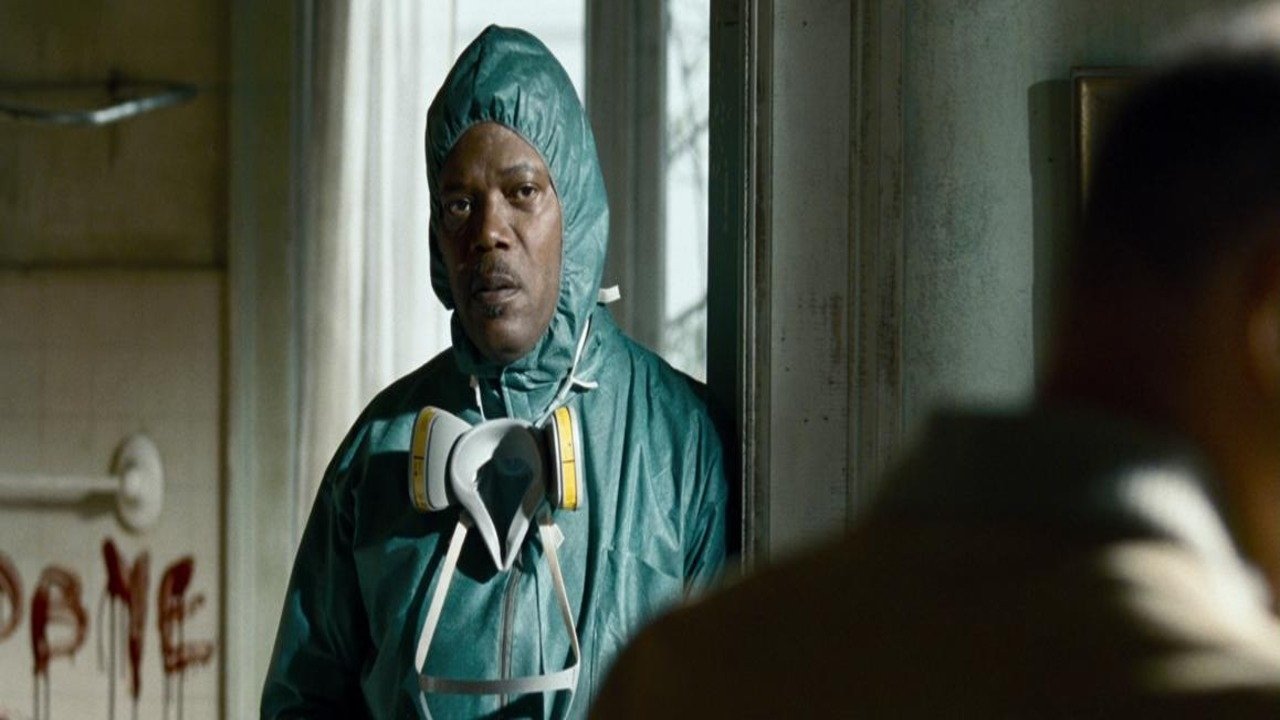
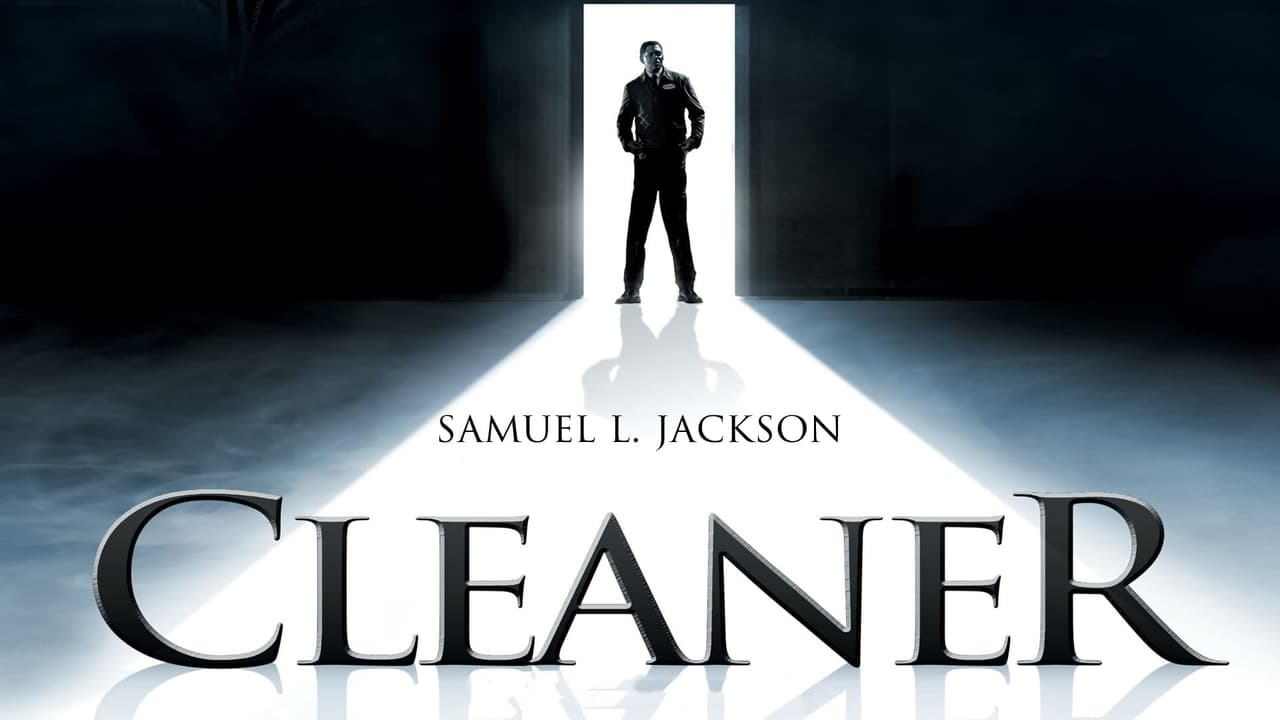
There is a specific, clinical rhythm to the first ten minutes of Cleaner that feels like it belongs to a different movie entirely. We see Samuel L. Jackson—not the shouting, "path of the righteous man" version, but a hushed, methodical one—donning a Tyvek suit and mixing chemicals. He’s Tom Cutler, a former cop who found a lucrative, if gruesome, niche: cleaning up what’s left behind after someone dies a violent death in their own home. It’s a fascinating, stomach-turning premise that feels like it’s going to be a deep character study about the emotional toll of being "the guy who scrubs the blood."
I watched this on a Tuesday night while my cat kept trying to eat a plastic grocery bag, and honestly, the crinkling sound added a layer of jittery tension that the movie’s actual score was occasionally missing.
Released in 2007, Cleaner arrived at the tail end of the era where mid-budget adult thrillers could still command a $25 million budget and a star-studded cast before being unceremoniously dumped into a limited theatrical run. It’s a "Dad Movie" in the purest sense—the kind of flick you’d find in a bargain bin at Blockbuster and realize, thirty minutes in, that it’s actually way better than the generic cover art suggested.
The Jackson Pivot and the Harlin Surprise
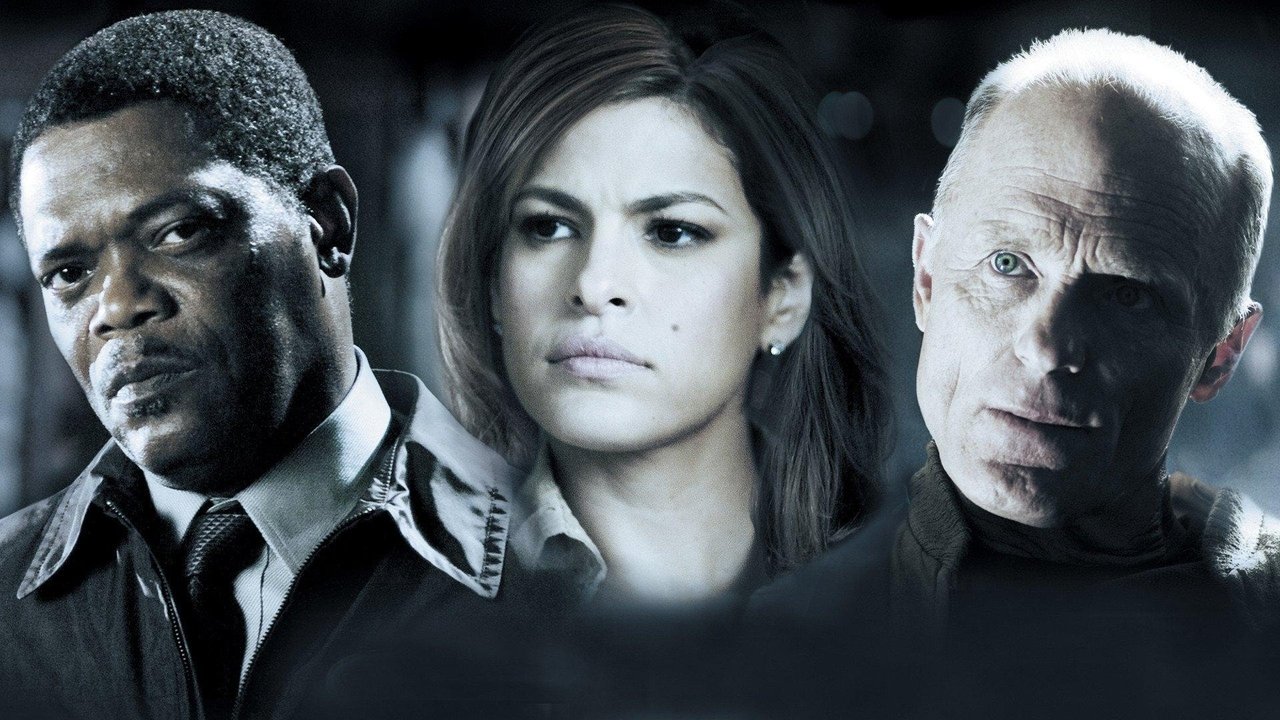
What struck me most is how Samuel L. Jackson plays against his own established brand. By 2007, Jackson was already the king of the cool-guy monologue. In Cleaner, he’s repressed, mourning his murdered wife, and trying to raise a daughter (Keke Palmer, showing early flashes of the charisma that would later make her a superstar in Nope). Jackson’s performance is built on small gestures—the way he obsessively organizes his cleaning supplies or the weary slump of his shoulders. It’s a reminder that when he isn't being a "Bad Motherf***er," he’s a damn fine dramatic actor.
The real shocker behind the camera is Renny Harlin. If you know Harlin, you know him for the high-octane, "blow everything up" excess of Die Hard 2 or the beautiful, bloated disaster of Cutthroat Island. Here, he’s remarkably restrained. He trades explosions for suburban shadows and tight close-ups. There’s a neo-noir slickness to the cinematography by Scott Kevan, who would later shoot John Wick. The film looks expensive and moody, capturing a version of suburban Virginia that feels claustrophobic and rot-filled beneath the manicured lawns.
A Setup Without a Payoff?
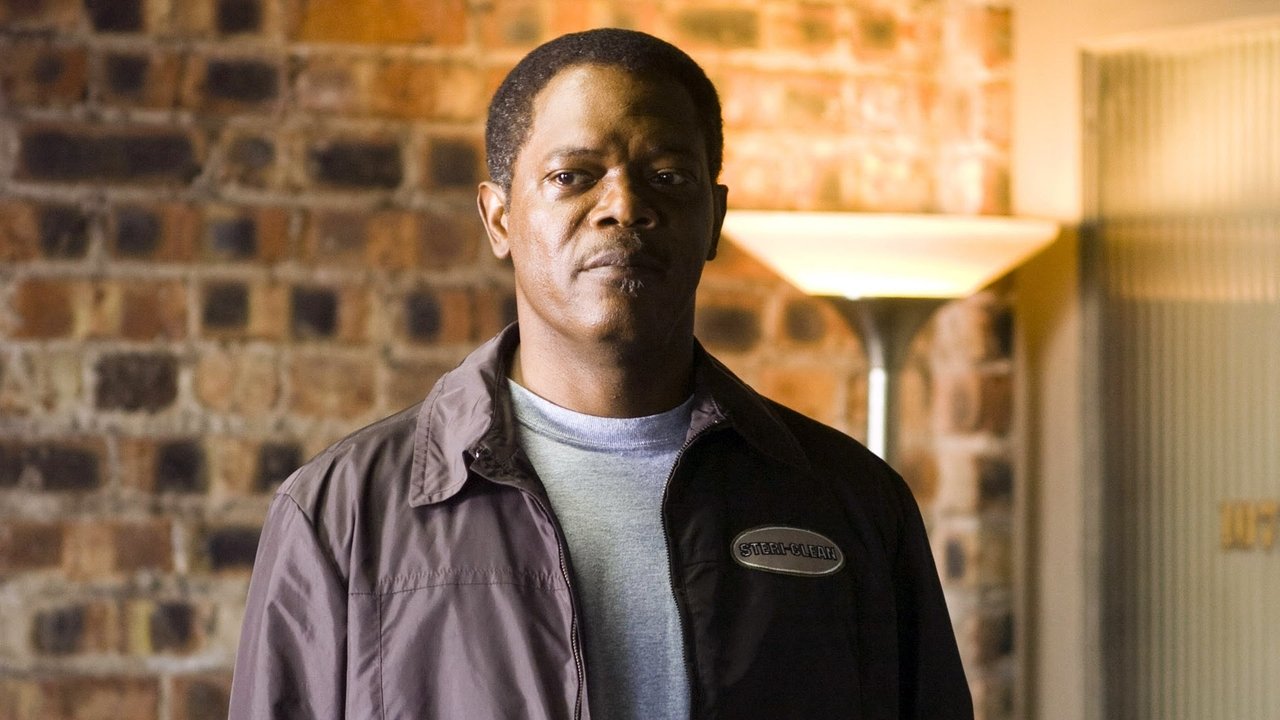
The plot kicks into gear when Cutler is called to a wealthy home to clean up a shooting. He does the job, gets the key from under the mat, and scrubs the place top to bottom. The problem? He later realizes the "police order" was a fake, and he’s just spent three hours erasing the evidence of a high-level political assassination. Suddenly, he’s the prime suspect in a murder that technically doesn’t exist.
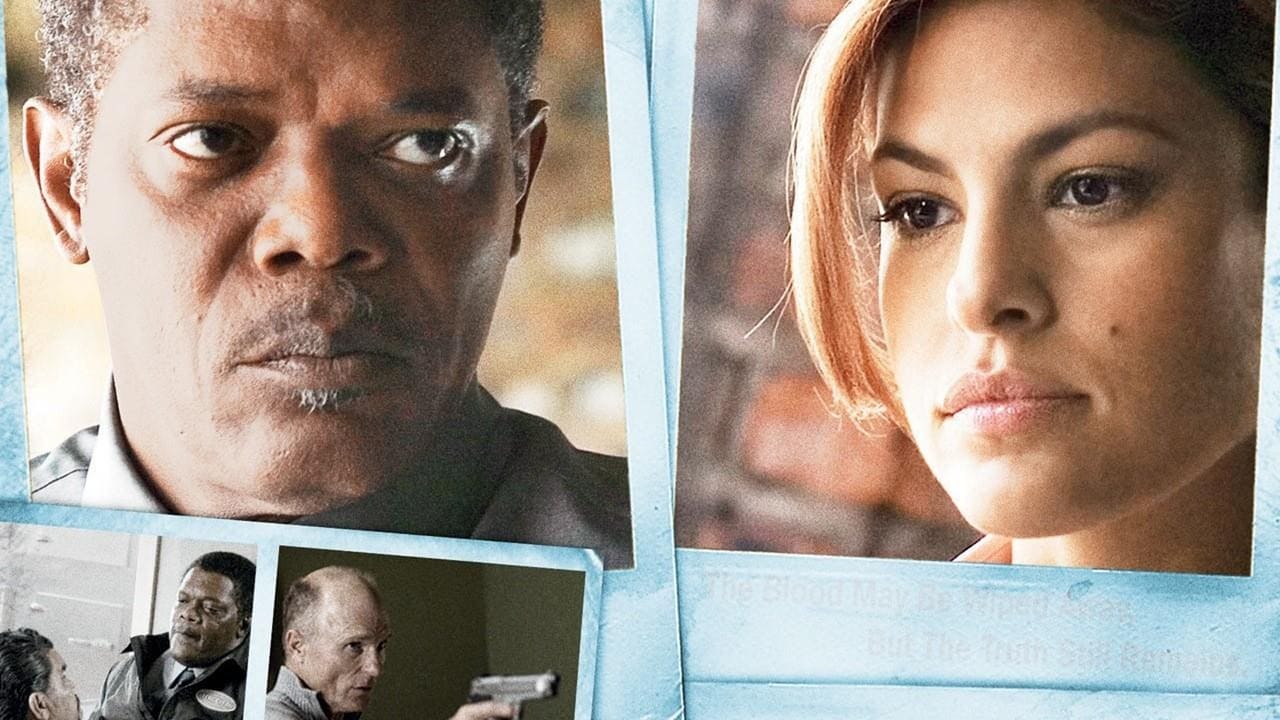
Enter Ed Harris as Eddie Lorenzo, Cutler’s old partner and the only guy he can trust. Ed Harris could play a weary, morally gray cop in his sleep, but he brings a genuine warmth to his scenes with Jackson. Their chemistry feels lived-in, like two guys who have shared too many bad coffees in stakeout vans. On the flip side, we have Luis Guzmán as Detective Vargas, who is essentially playing a human bloodhound with a grudge. He suspects Cutler is dirty, and watching Guzmán chew through his scenes with a mixture of suspicion and sarcasm is one of the film’s highlights.
However, the movie starts to wobble once the mystery deepens. Eva Mendes appears as the widow of the murdered man, and while she’s as luminous as ever, the script doesn’t quite know what to do with her. She’s the femme fatale who isn't really a fatale, and her subplot feels like it belongs to a more conventional, less interesting thriller. The film wants to be a complex web of corruption, but it eventually settles for a fairly standard "who can you trust?" trope that you’ll probably solve twenty minutes before the characters do.
Why Did This Vanish?
It’s a genuine mystery why Cleaner bombed so hard, making only $5 million against its $25 million budget. Looking back, 2007 was a monster year—No Country for Old Men and There Will Be Blood were sucking all the oxygen out of the room for adult dramas. Cleaner likely felt too much like a "straight-to-DVD" title to the critics of the time, even though the craft on display is leagues above that.
It’s also a product of its era's transition. This was the year the first iPhone launched and the year before Iron Man changed the industry forever. Cleaner is a relic of a time when you could build a movie around a singular, weird occupation and a few veteran actors talking in dimly lit rooms. It doesn't have the CGI-drenched spectacle that was starting to take over, and it's too grounded to be a "traditional" Renny Harlin actioner.
While it isn't a lost masterpiece, it is a very competent, well-acted thriller that deserves more than its current status as a "What’s that movie again?" footnote in Jackson’s filmography. It tackles the idea of "cleaning" as both a job and a metaphor for the secrets we bury, and even if the landing is a bit wobbly, the flight is worth the ticket.
Cleaner is the ultimate "discovery" film for a rainy afternoon. It’s got that glossy, mid-2000s professional sheen and a lead performance that reminds you why Samuel L. Jackson is a legend. It’s a shame the script couldn't quite match the grit of its opening premise, but as far as forgotten thrillers go, this one is worth the scrub. If you’re a fan of noir-lite or just want to see Luis Guzmán being delightfully annoying, give it a spin.
Keep Exploring...
-
Mindhunters
2004
-

The Long Kiss Goodnight
1996
-
In the Valley of Elah
2007
-
Untraceable
2008
-
The Losers
2010
-
The Raven
2012
-

Lakeview Terrace
2008
-
Blood Work
2002
-
Basic
2003
-

Revolver
2005
-
Awake
2007
-

Perfect Stranger
2007
-

Pride and Glory
2008
-
Righteous Kill
2008
-

The International
2009
-
Edge of Darkness
2010
-
Snake Eyes
1998
-
The Client
1994
-
Copycat
1995
-
Breakdown
1997