Control
"The sound of a soul fracturing in black and white."
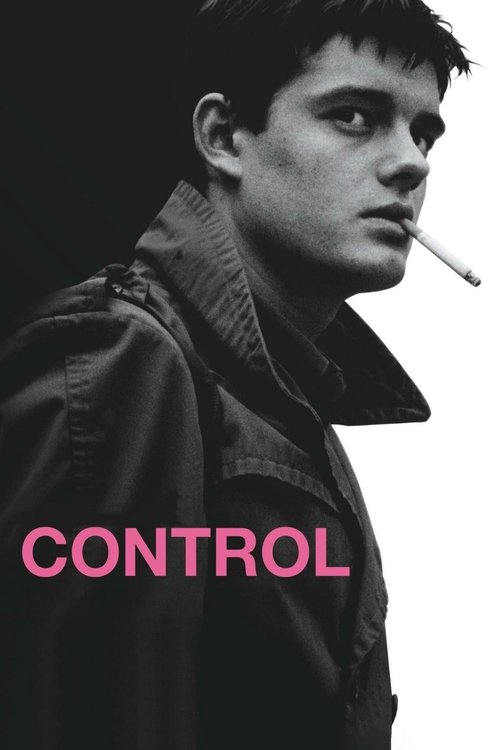
I remember watching Control for the first time on a cracked laptop screen while sitting in a drafty bedroom that smelled faintly of old damp—an environment that, in hindsight, was probably the most authentic way to experience Anton Corbijn’s directorial debut. My tea had gone stone cold and tasted like a wet paper bag, but I couldn't look away from the screen. This wasn't just a music biopic; it felt like a transmission from a ghost.
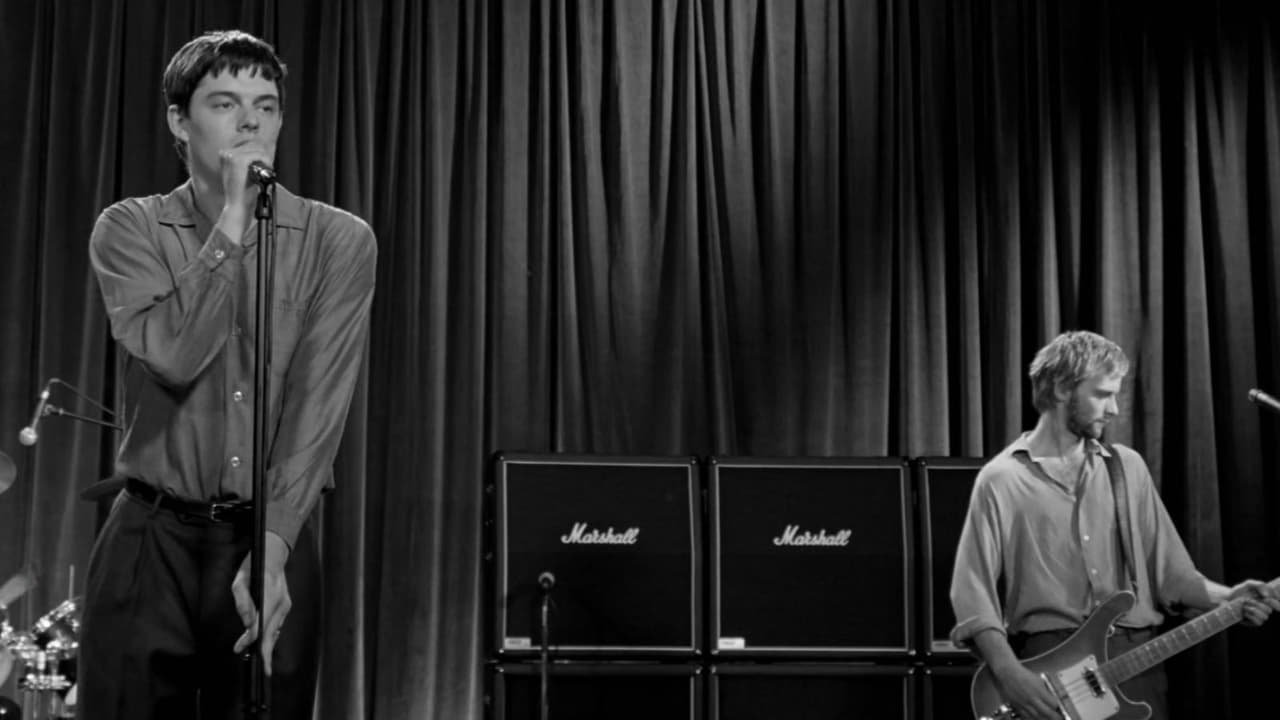
While the mid-2000s were busy giving us high-gloss, Oscar-bait musical biographies like Ray or Walk the Line, Control arrived with a quiet, monochromatic thud. It didn’t want to celebrate a legend; it wanted to document the slow-motion collapse of a twenty-three-year-old boy named Ian Curtis. Looking back at the film now, released in that 2007 sweet spot of the "indie-sleaze" era, it remains a staggering piece of work that refuses to romanticize the tragedy it depicts.
The Architect of the Image
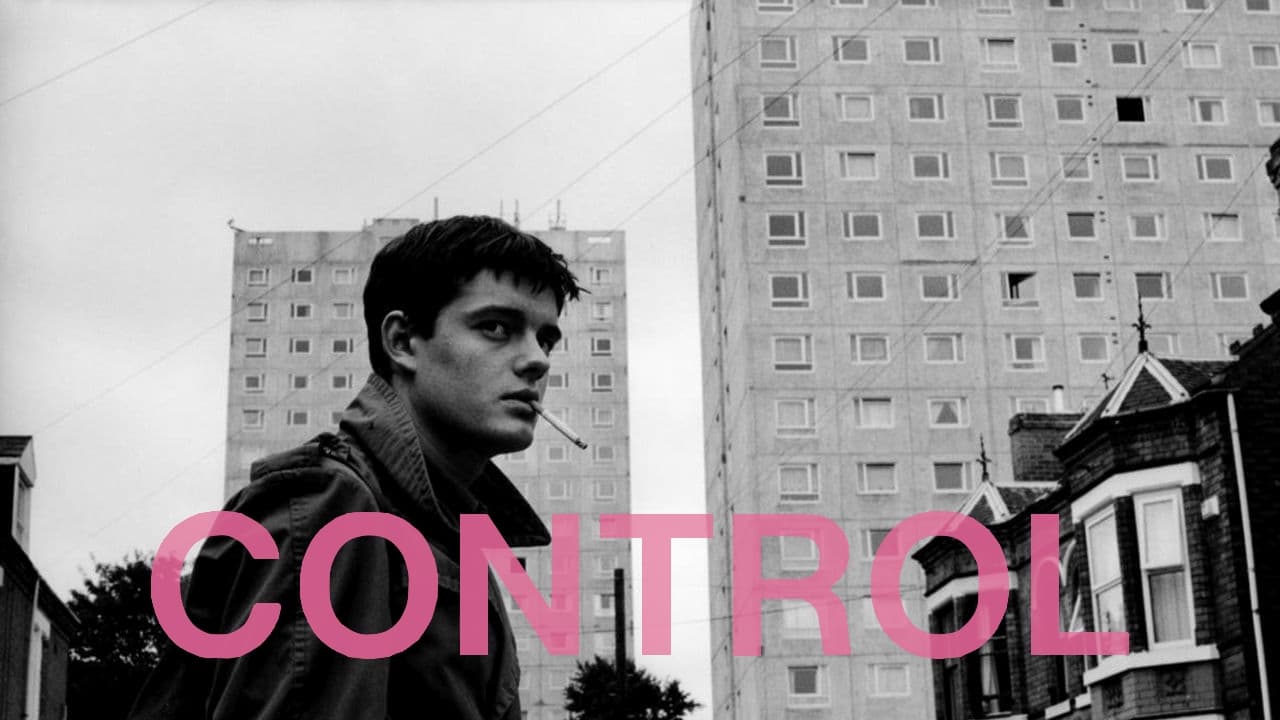
It is impossible to discuss this film without acknowledging that Anton Corbijn was the man who essentially invented the visual identity of Joy Division in the first place. As a photographer, he captured the iconic images of the band standing in the snow or looking mournfully into the distance. In Control, he moves from capturing stills to breathing life into those very frames.
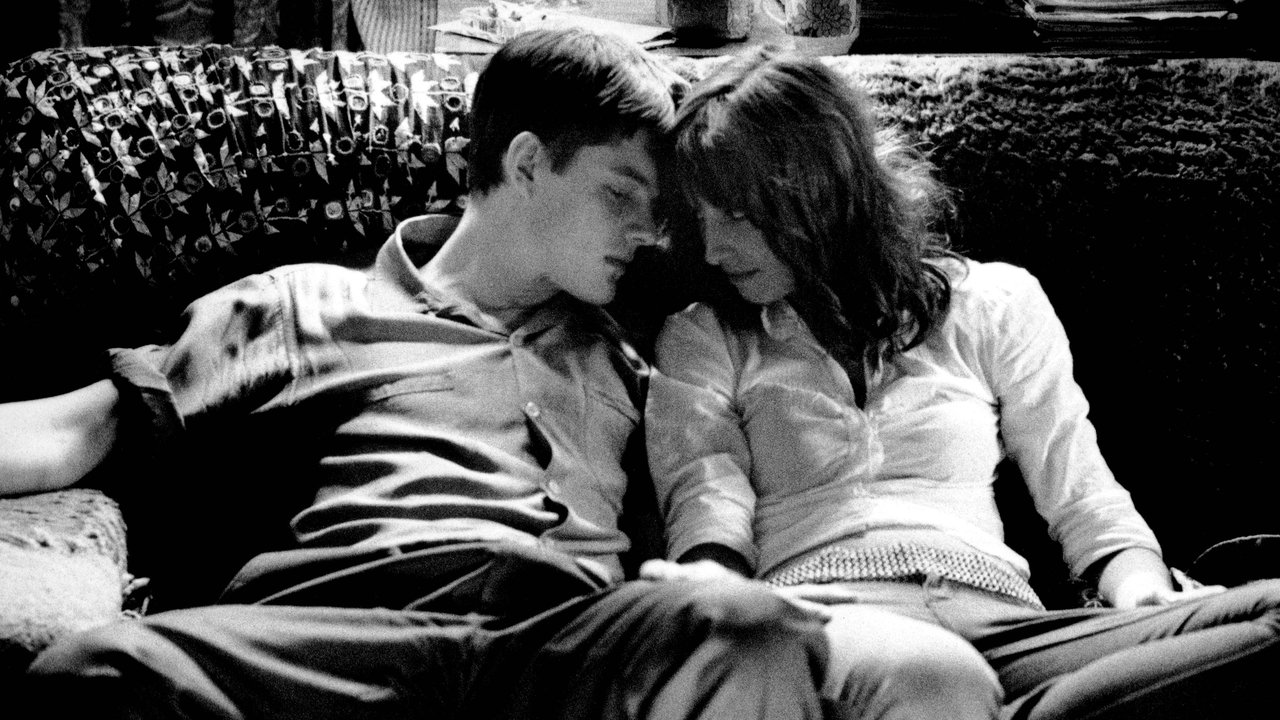
The choice to shoot in black and white wasn't some pretentious grab for "art-house" credibility. In the 70s, the north of England was socially and economically grey; color would have felt like a lie. Corbijn and cinematographer Martin Ruhe use a high-contrast palette that makes the council estates of Macclesfield look like something out of a German Expressionist nightmare. Every frame is composed with a photographer’s precision, yet it never feels static.
The film captures the transition of the era—that weird, jagged shift from the dying embers of glam rock to the abrasive birth of punk. I’ve always felt that most music movies treat the 'founding' of a band like a religious miracle, but Control treats it like a group of bored blokes in a room trying to figure out why their gear doesn't work. It’s grounded, gritty, and deeply unglamorous.
The Man Who Fell to Earth
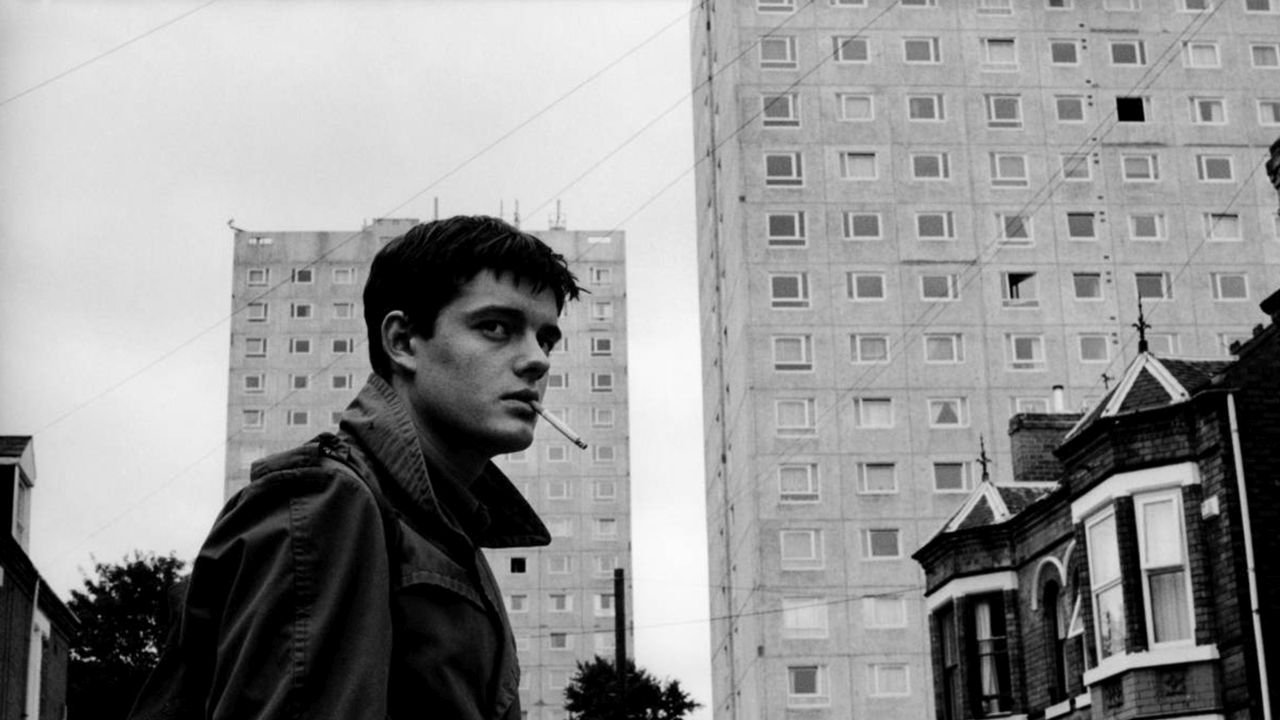
The heavy lifting, of course, falls on Sam Riley. At the time, he was a virtual unknown, which was vital. If a massive star had played Ian Curtis, we would have been watching "Actor X" do a "Curtis Impression." Instead, we get Sam Riley’s lanky, awkward, and hauntingly fragile presence. He captures the specific, frantic "dead fly" dance of Curtis on stage with terrifying accuracy, but it’s his quiet moments—the staring into mirrors, the heavy silences in his kitchen—that stay with you.
Opposite him, Samantha Morton provides the film’s moral and emotional anchor as Debbie Curtis. While Ian is drifting away into the abstract world of art and the arms of Annik Honoré (Alexandra Maria Lara), Debbie is left in the crushing reality of nappies and unpaid bills. Samantha Morton is one of our greatest living actors because she can convey a decade of heartbreak in a single blink.
Then there’s Toby Kebbell as the band’s manager, Rob Gretton. He provides the much-needed oxygen in an otherwise suffocating story. His performance is a masterclass in comic timing, proving that you can be a foul-mouthed agent of chaos and still be the film’s beating heart. He’s the one who reminds us that these were just kids from Manchester who happened to stumble into greatness.
A Legacy in the Shadows
Why has Control slipped into a bit of a "cult" status rather than being a household name? Perhaps because it’s a difficult hang. It grapples with epilepsy, infidelity, and the crushing weight of artistic expectation without offering any easy exits. It asks: How can you be a voice for a generation when you can’t even talk to your wife?
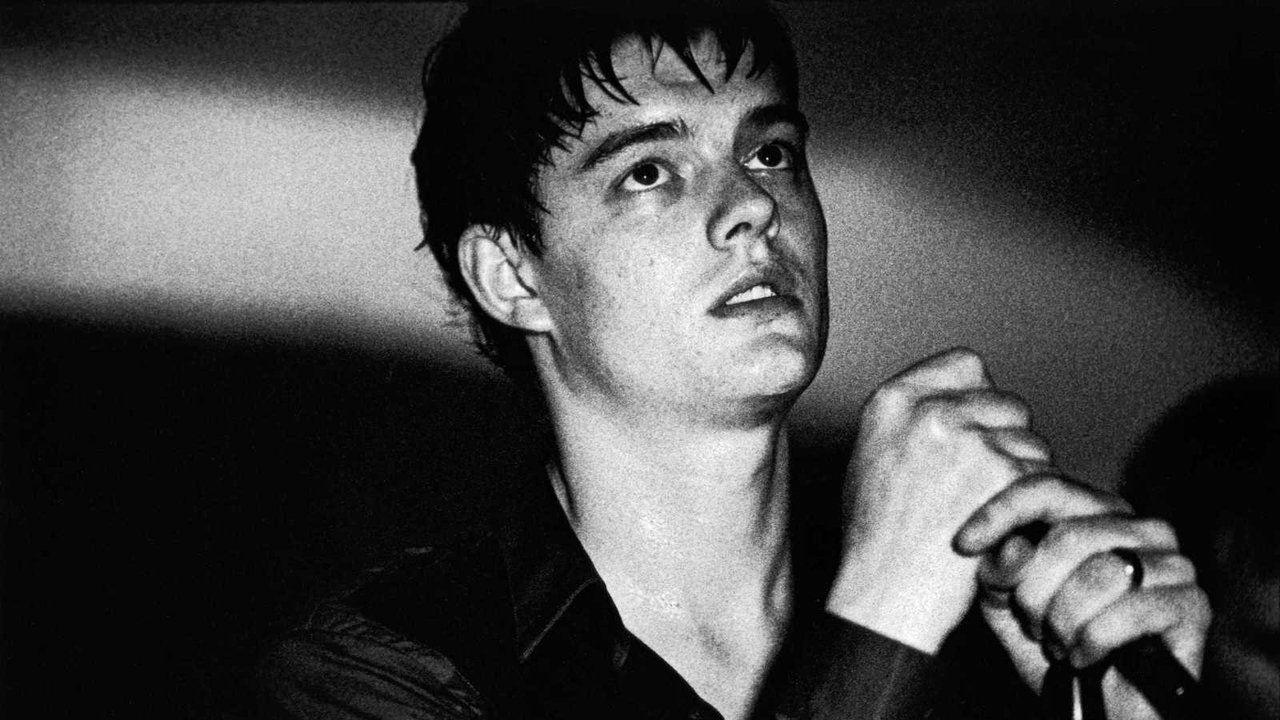
The film was made just as the digital revolution was starting to swallow film stock whole, and you can feel that tension in the texture of the movie. It’s a film about the analog world—vinyl records, handwritten letters, and the physical vibration of a bass guitar. Speaking of which, the actors actually learned to play the instruments and performed the songs live for the film. That’s why the live sets feel so urgent; you aren't hearing a studio-perfected track from 1979, you’re hearing the actors' own sweat and effort.
In the landscape of modern cinema, where every biopic feels like a Wikipedia entry come to life, Control stands out because it prioritizes mood over facts. It’s an atmospheric dive into the feeling of being trapped. It’s a film that understands that sometimes the most revolutionary thing you can do is stand still and let the audience feel uncomfortable.
Control is a haunting reassessment of a life cut short, stripped of the usual Hollywood gloss. It’s a beautiful, aching piece of cinema that captures the specific isolation of a man who could see the world clearly but couldn't find his place in it. Even if you aren't a fan of Joy Division, the sheer craft on display here makes it an essential watch for anyone who appreciates the power of a performance that leaves a scar.
If you're going to watch it, dim the lights and turn up the volume. Just maybe skip the lukewarm tea.
Keep Exploring...
-
Synecdoche, New York
2008
-
Talk to Her
2002
-
The Sea Inside
2004
-

The Fall
2006
-

Evangelion: 1.0 You Are (Not) Alone
2007
-
The Diving Bell and the Butterfly
2007
-
Il Divo
2008
-
Evangelion: 2.0 You Can (Not) Advance
2009
-

My Name Is Khan
2010
-

The American
2010
-

A Separation
2011
-
From Up on Poppy Hill
2011
-
Amour
2012
-
Laurence Anyways
2012
-
Millennium Actress
2002
-
Spring, Summer, Fall, Winter... and Spring
2003
-
Fearless
2006
-
Departures
2008
-
Detachment
2011
-
The Broken Circle Breakdown
2012