Dan in Real Life
"Expert advice is easy. Real life is messy."
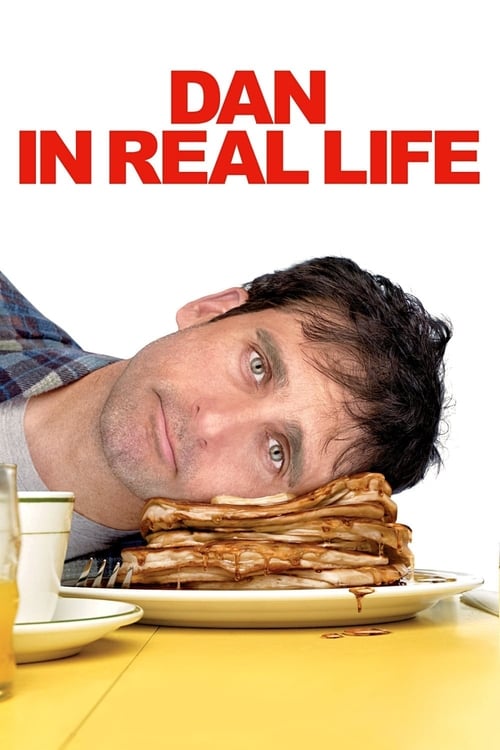
The 2000s were a fascinating decade for the "Funny Man." We were smack in the middle of a cultural pivot where the titans of slapstick—the guys who built careers on shouting and physical contortions—decided they wanted to make us weep. It was the era of the "Sad Clown" pivot. You had Jim Carrey in Eternal Sunshine of the Spotless Mind and Adam Sandler in Punch-Drunk Love. In 2007, it was Steve Carell’s turn to put down the "That’s what she said" mug and pick up a guitar for a minor-key ballad.
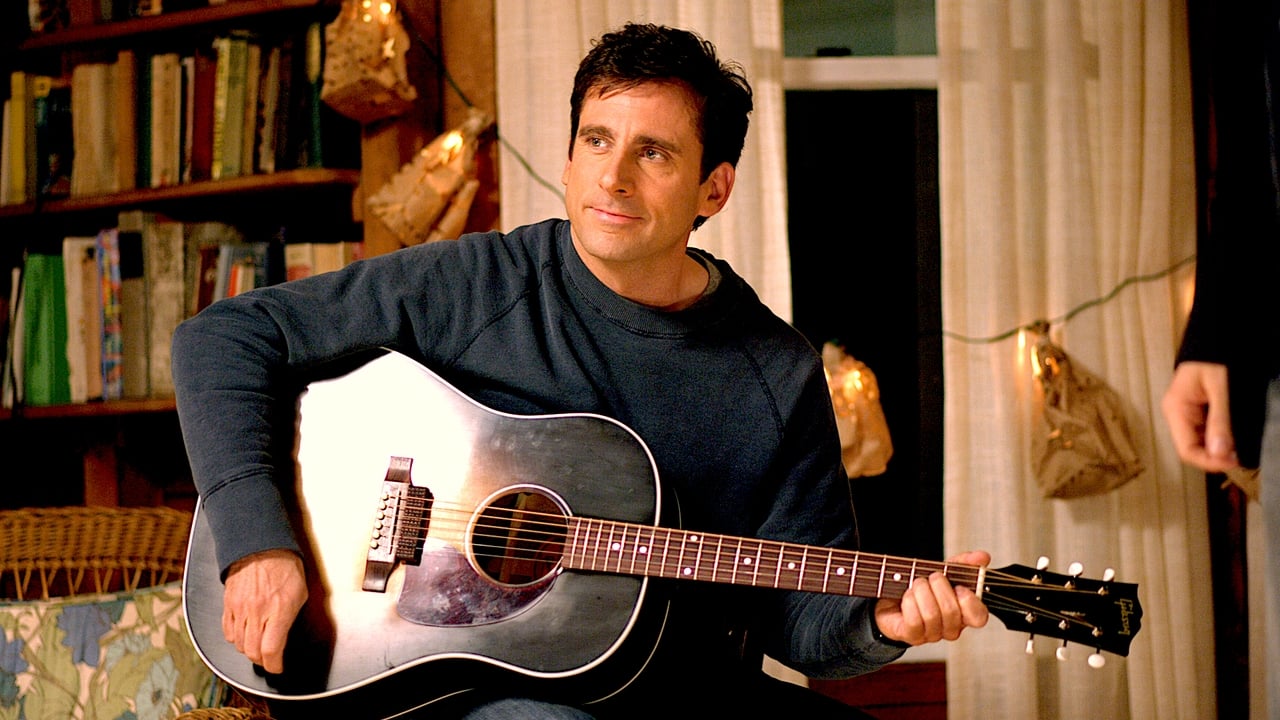
Dan in Real Life arrived at the perfect moment to capture this transition. It’s a film that feels like a thick wool sweater that’s just a little bit too itchy. It’s cozy, autumnal, and filled with the kind of upper-middle-class whimsy that populated the late-2000s "indie-lite" genre. Looking back at it now, it serves as a beautiful time capsule of a pre-social-media world where "family time" meant synchronized chores and talent shows rather than everyone staring at their own glowing rectangles.
The Art of the Melancholic Dad
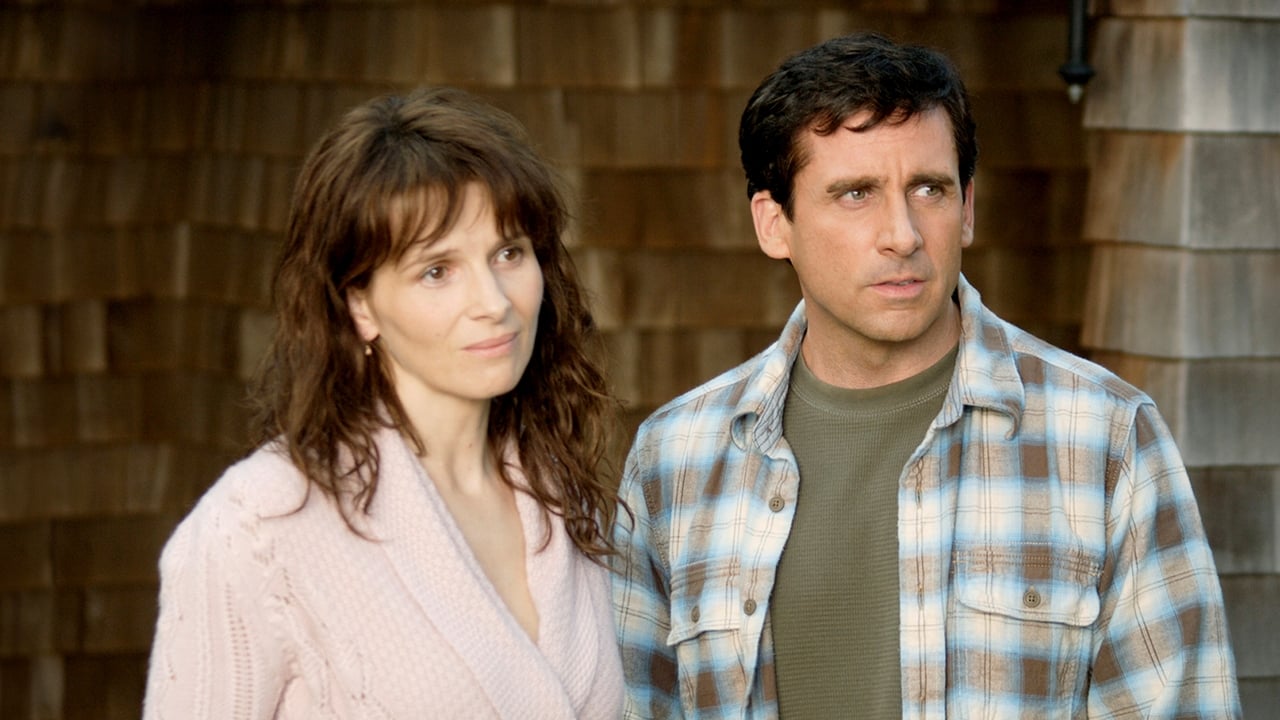
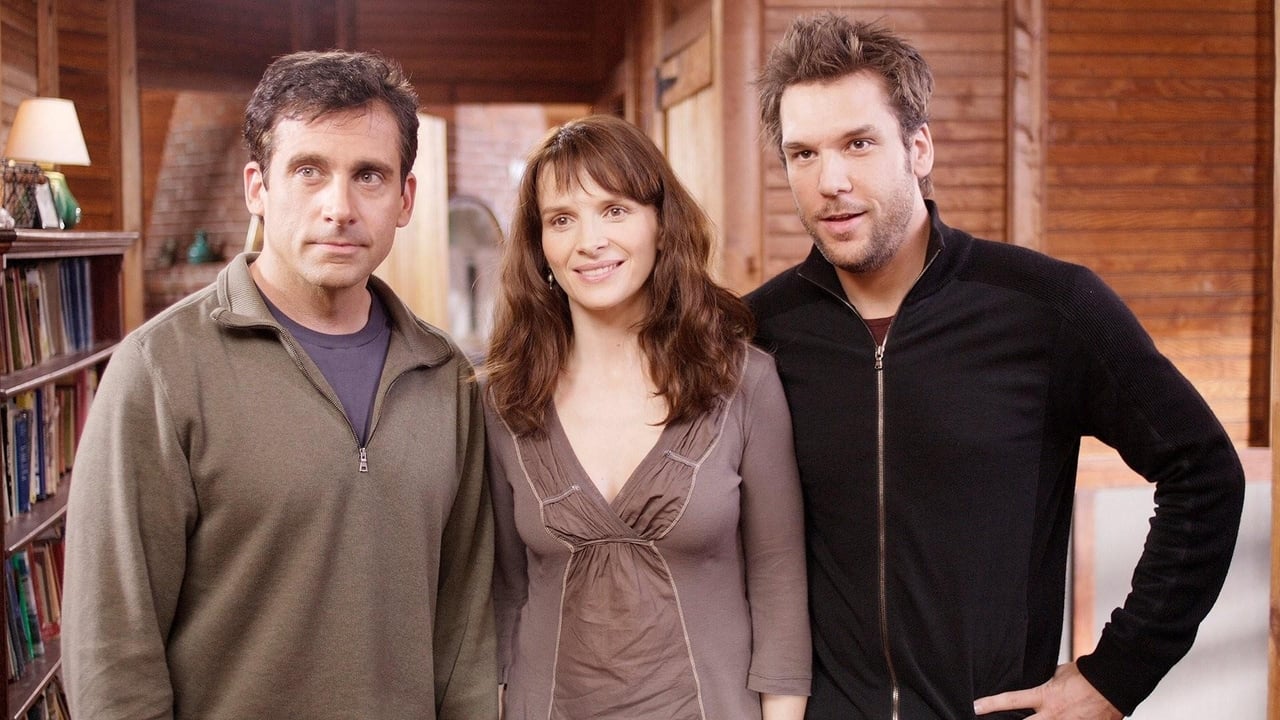
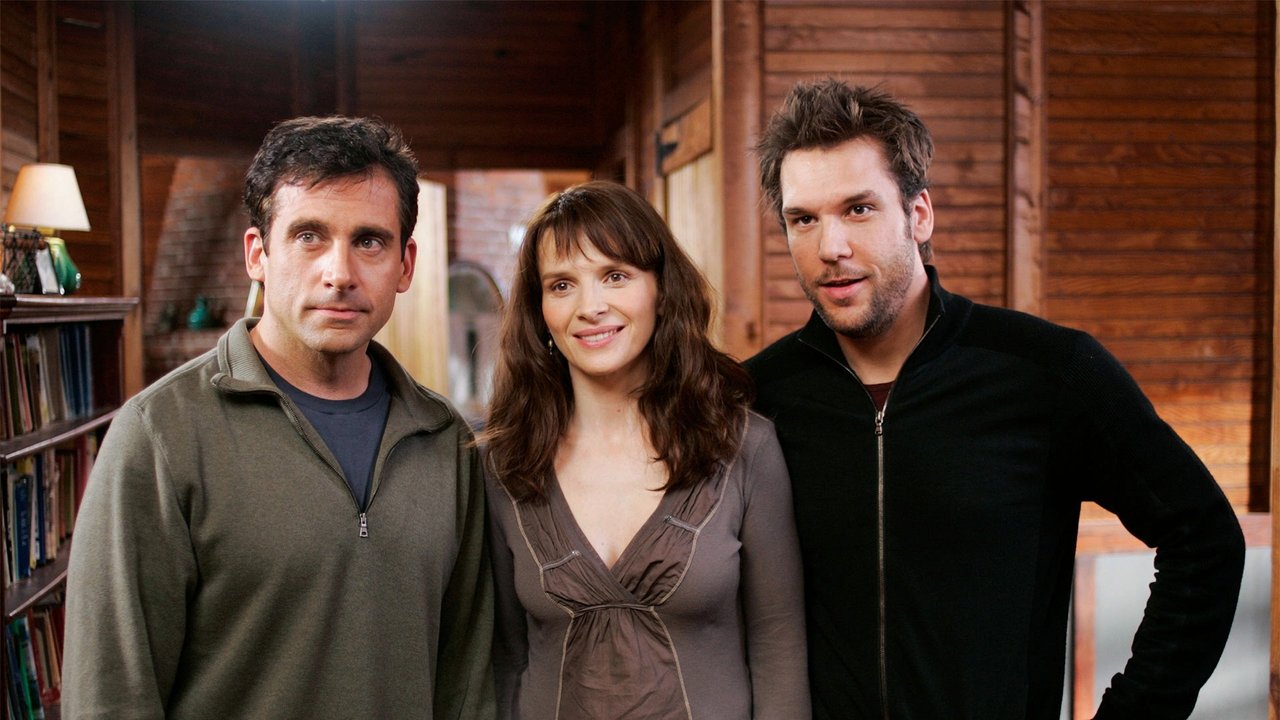
Steve Carell plays Dan Burns, a widower and parenting advice columnist who is, ironically, failing at parenting his three daughters. He’s repressed, overprotective, and looks like he hasn't had a full night's sleep since 2001. When the family gathers at a massive, drafty Rhode Island beach house for an annual reunion, Dan wanders into a bookstore and meets Marie.
Juliette Binoche is the secret weapon here. Casting a French cinematic icon in a mid-budget American dramedy was a stroke of genius by director Peter Hedges (who also wrote the screenplay for What’s Eating Gilbert Grape). She brings a grounded, effortless warmth that prevents the movie from sliding into standard rom-com tropes. The problem? Marie is the new girlfriend of Dan’s brother, Mitch, played by Dane Cook. Casting Dane Cook as the charismatic, "cool" brother is the most 2007 decision ever made, and surprisingly, it actually works because his natural frat-boy energy provides the perfect foil to Carell’s internal collapse.
I watched this recently on a grainy DVD on a laptop with a screen hinge so loose I had to prop it up with a hardcover copy of The Da Vinci Code, and honestly, the technical struggle added to the film's "analog" charm. There is something profoundly tactile about this movie. You can almost smell the woodsmoke and the sea salt.
The House That Cringe Built
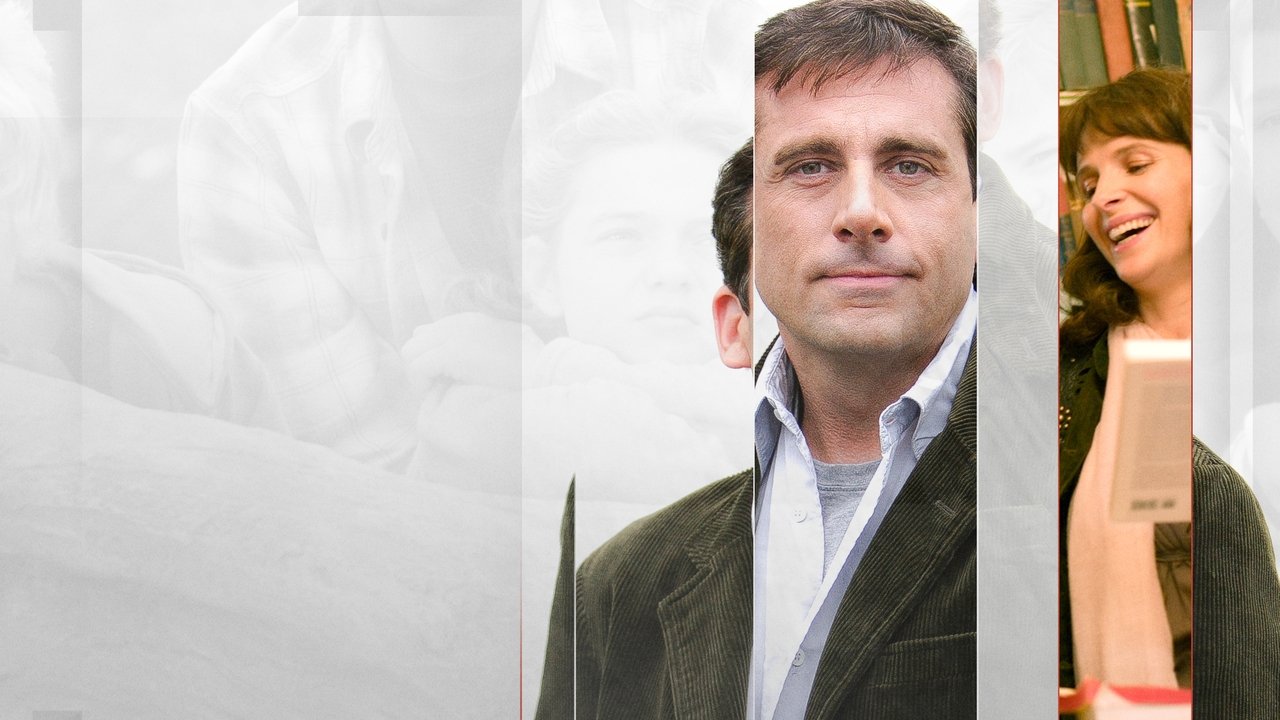
If you grew up in a family that forced you into mandatory "fun," Dan in Real Life might trigger a mild case of PTSD. The Burns family reunion is a relentless gauntlet of touch football, crossword puzzle competitions, and group singalongs. It’s the kind of environment where introverts go to die. The family talent show scene is basically a psychological horror movie for anyone who hates being perceived.
What makes the drama feel earned rather than forced is how Hedges directs the ensemble. The house feels lived-in. Characters are constantly moving in the background, folding laundry, or whispering in hallways. It captures that specific claustrophobia of being an adult child back in your parents' house, where you’re suddenly ten years old again, fighting with your siblings over who gets the best muffin.
The film also avoids the CGI-heavy spectacle that was starting to swallow Hollywood in 2007 (the same year Transformers and Spider-Man 3 hit theaters). It leans heavily into the "DVD Culture" aesthetic—the kind of movie that felt designed to be a "Special Edition" purchase at Target. The soundtrack by Norwegian singer-songwriter Sondre Lerche is essential to this vibe. It’s all acoustic guitars and breathy vocals, acting as a soft-focus narrator for Dan’s internal misery. Apparently, Lerche was on set during filming, often playing live to help the actors find the mood, which explains why the music feels so baked into the film's DNA.
Why It Still Fits
While the "advice columnist" trope feels a bit dated now—no one reads newspapers, Dan!—the core conflict of wanting something you can’t have is timeless. Steve Carell’s performance is a masterclass in holding back. You can see the gears turning in his head as he tries to be a good brother while his heart is doing backflips for the woman across the breakfast table.
Looking back, the film also features a young Alison Pill and Britt Robertson as Dan’s daughters, both of whom give performances that feel like real teenagers—messy, annoyed, and fiercely observant—rather than the "movie kids" who speak in perfectly timed quips. They remind us that Dan isn't just a protagonist in a romance; he’s a guy who is genuinely terrified of losing his connection to his children.
It’s not a perfect film. The ending feels a bit too neatly tied with a bow, and some of the supporting family members blend into a blur of khakis and fleece vests. But as a character study of a man rediscovering his own pulse, it’s remarkably effective. It’s a reminder of a time when we went to the movies just to see people try to navigate a weekend without ruining their lives.
Dan in Real Life is the ultimate "rainy Sunday" movie. It doesn't aim to reinvent the genre, but it populates it with enough genuine heart and awkward humor to make it stick in your memory long after the credits roll. If you’re tired of multiverses and want to watch a man fail at a crossword puzzle while falling in love, this is your stop. It’s a quiet, lovely piece of the late-aughts landscape that deserves a spot on your shelf.
Keep Exploring...
-
The Odd Life of Timothy Green
2012
-

Seeking a Friend for the End of the World
2012
-

Salmon Fishing in the Yemen
2012
-
About a Boy
2002
-
Confessions of a Dangerous Mind
2002
-

S1m0ne
2002
-

What a Girl Wants
2003
-
First Daughter
2004
-
Jersey Girl
2004
-

A Lot Like Love
2005
-
Broken Flowers
2005
-

Casanova
2005
-
The Family Stone
2005
-
The Sisterhood of the Traveling Pants
2005
-

A Good Year
2006
-
Just My Luck
2006
-
Lars and the Real Girl
2007
-
The Nanny Diaries
2007
-
Ghost Town
2008
-

Nick and Norah's Infinite Playlist
2008