Dead Silence
"Beware the stare of Mary Shaw."
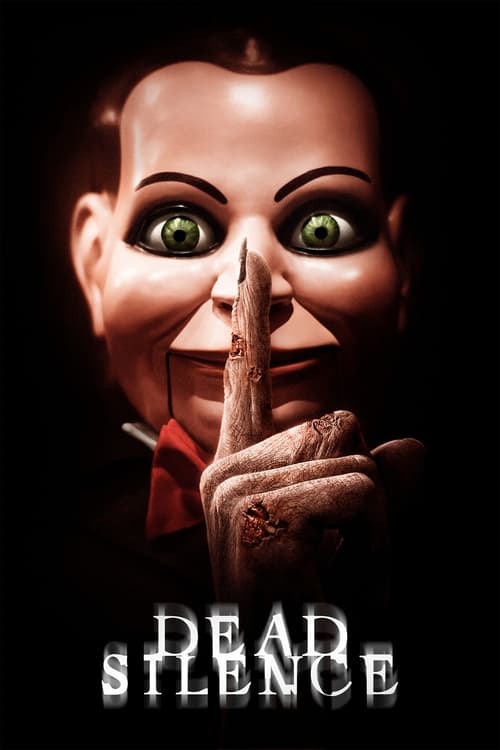
I remember watching Dead Silence for the first time on a scratched DVD I rented from a Blockbuster that was literally in the middle of a going-out-of-business sale. I was eating a lukewarm bowl of generic-brand SpaghettiOs, and honestly, the metallic tang of the pasta sauce weirdly complemented the film's cold, blue-and-gray color palette. At the time, James Wan and Leigh Whannell were the undisputed kings of the "Torture Porn" subgenre thanks to Saw (2004), and the marketing for this film led us all to believe we were getting more of that grimy, industrial clockwork horror. Instead, they handed us a Victorian ghost story wrapped in a mid-2000s studio skin, and the world—at least initially—had no idea what to do with it.
From Jigsaw to Creepy Dolls
Looking back at 2007, it’s fascinating to see how James Wan was already trying to escape the shadow of the reverse bear trap. While the Saw sequels were becoming increasingly obsessed with the mechanics of bone-breaking, Dead Silence felt like a deliberate pivot toward the atmospheric, "funhouse" style of horror that would later define Insidious and The Conjuring. It’s a movie that feels out of time. It’s got the DNA of an old Hammer Horror flick, complete with a fog-drenched cemetery and a cursed town called Raven’s Fair, but it’s shot with that hyper-stylized, high-contrast cinematography that defined the early digital-transition era.
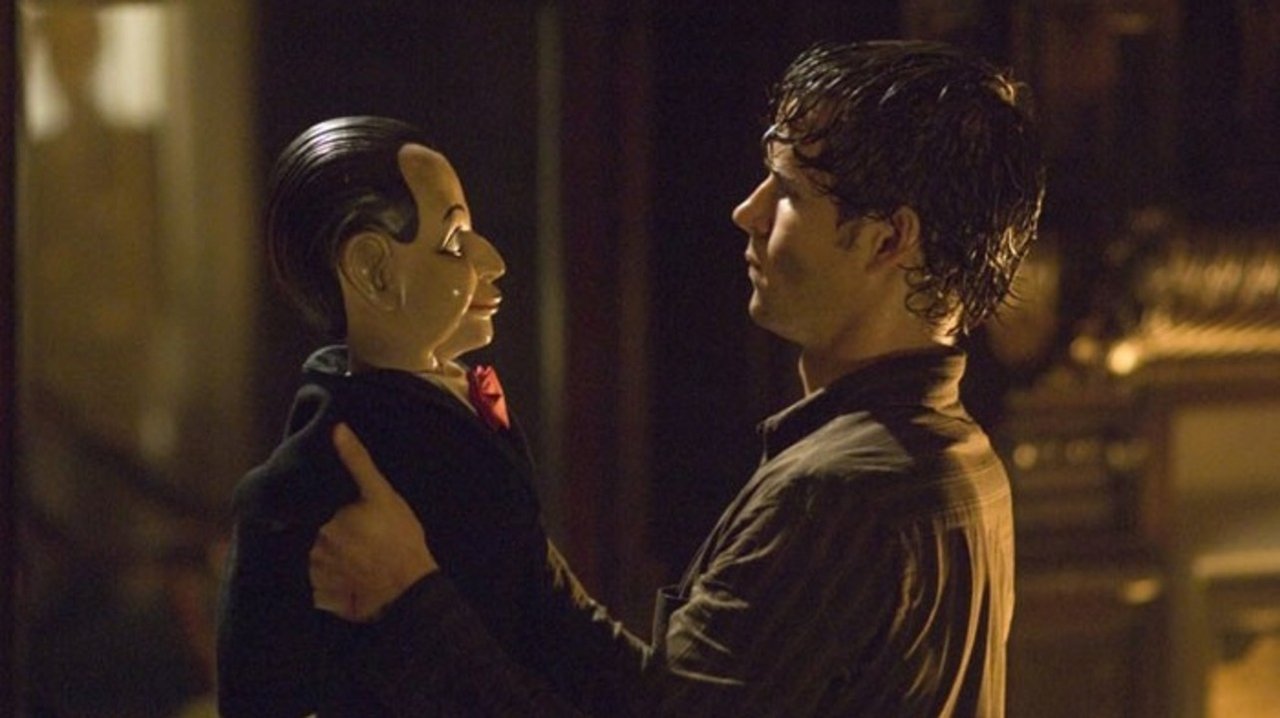
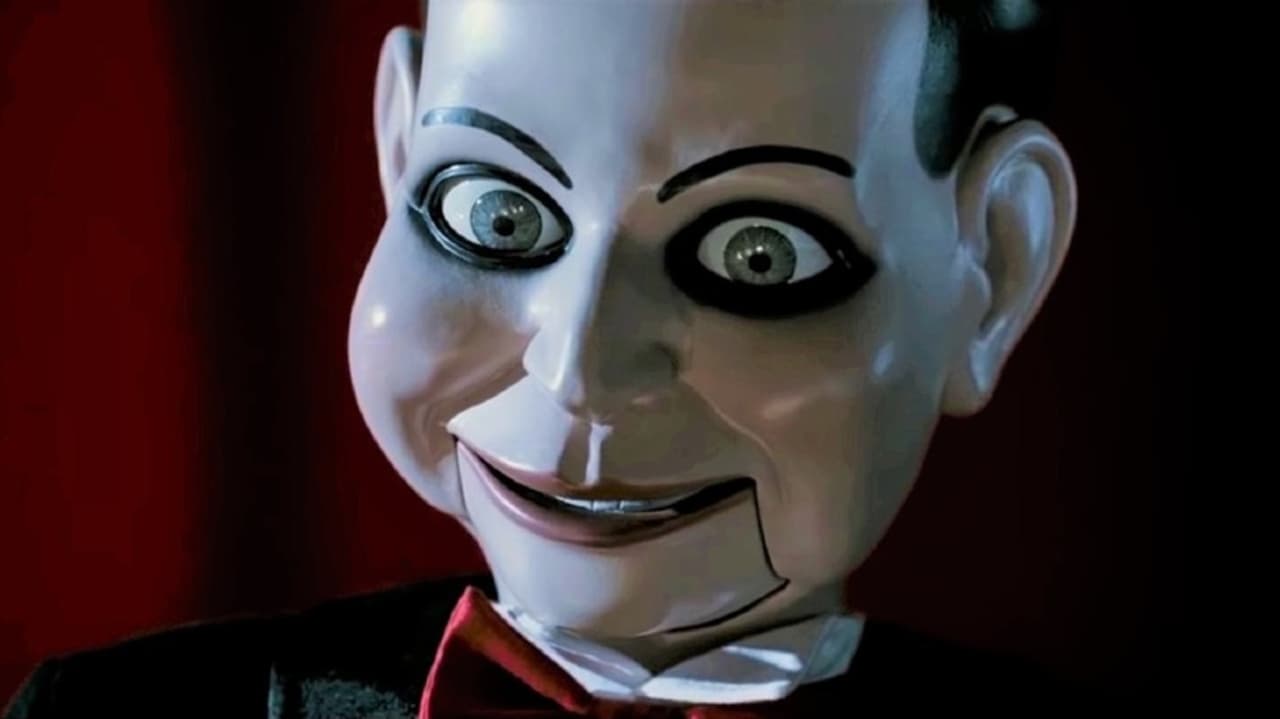
The plot is classic urban legend fodder: Jamie Ashen (Ryan Kwanten) receives a mysterious ventriloquist dummy named Billy, and shortly after, his wife ends up dead with her tongue ripped out. Jamie heads back to his hometown to solve the mystery, which involves the local boogeywoman, Mary Shaw, a ventriloquist who was lynched by a mob and apparently spent her afterlife perfecting the ultimate "silence is golden" policy. I’ve always maintained that the dummy Billy is actually more charismatic than the lead actor, though Ryan Kwanten (long before he became a fan favorite in True Blood) does a decent job playing the "confused guy in a leather jacket" trope.
Mary Shaw’s 101 Reasons to Keep Quiet
The real star of the show isn't the human cast; it's the puppets and the production design. The film leans heavily into the "uncanny valley" effect. There is something fundamentally wrong with a doll that looks like it’s trying to breathe, and James Wan milks that for all it’s worth. The sequence in the theater—an abandoned, decaying palace built over water—is a masterclass in set design. It feels like a place that has been festering for decades.

One of my favorite quirks of the film is Donnie Wahlberg as Detective Lipton. He spends the entire movie aggressively shaving with a battery-operated electric razor, even while interrogating suspects. Apparently, Wahlberg ad-libbed the constant shaving because he felt his character was too thin and needed a "thing" to make him memorable. It’s exactly the kind of weird, actor-driven choice that makes these mid-budget 2000s movies so much fun to revisit. It adds a layer of absurdist humor to a film that otherwise takes its "don't scream or she'll rip your tongue out" mythology very seriously.
The horror mechanics here rely heavily on "the sound of silence." When Mary Shaw is near, all ambient noise drops out—no wind, no crickets, no breathing. It’s a fantastic gimmick that creates a physical sense of dread in the viewer. You find yourself holding your breath along with the characters. However, being a product of its time, the film can't help but lean into some dated CGI. The "tongue" effects, in particular, haven't aged with the same grace as the practical puppet work, but there’s a charm to that early-digital ambition.
The Cult of the Uncanny Valley
Despite bombing at the box office and being largely dismissed by critics who wanted Saw 4, Dead Silence found its second life on home video. This was the peak of DVD culture, where "Unrated" editions and behind-the-scenes featurettes allowed fans to discover the craft behind the jump scares. If you dig into the trivia, you’ll find that Leigh Whannell has been quite vocal about how miserable the production was due to studio interference. He’s gone on record saying the experience was so soul-crushing that it actually inspired him to start directing his own scripts just to protect them.
You can see the seams where the studio tried to make it "hipper." There’s a frantic, music-video-style editing in the final twist that screams 2007. Speaking of the twist—without spoiling it for the three people who haven't seen it—it is one of the most audacious, "are they really doing this?" endings in modern horror. It’s ridiculous, logic-defying, and absolutely wonderful.
Other fun details for the eagle-eyed: the Saw puppet (also named Billy) makes a blink-and-you’ll-miss-it cameo sitting on the floor in one of the theater scenes. Also, the production actually built 101 unique dolls for Mary Shaw’s collection, which is a testament to the practical effects team's dedication before CGI became the default solution for everything.
Ultimately, Dead Silence is a flawed, atmospheric gem that serves as a bridge between the gore-soaked early 2000s and the supernatural revival of the 2010s. It’s not as polished as The Conjuring, but it has twice the personality and a much higher "creepy puppet" per-minute ratio. It’s the perfect movie for a rainy Tuesday night when you want to feel a little uneasy about that childhood toy sitting in the corner of your closet. It might not be a masterpiece, but it’s a hell of a lot of fun to watch with the lights off and the sound turned way up—just make sure you don't scream.
Keep Exploring...
-
Saw
2004
-
Insidious
2011
-
Insidious: Chapter 2
2013
-
Saw III
2006
-
Saw II
2005
-

Final Destination 2
2003
-
Wrong Turn
2003
-
Resident Evil: Apocalypse
2004
-
House of Wax
2005
-
The Skeleton Key
2005
-

The Hills Have Eyes
2006
-
30 Days of Night
2007
-
Halloween
2007
-

Planet Terror
2007
-

The Mist
2007
-
Funny Games
2008
-
The Strangers
2008
-
Drag Me to Hell
2009
-
Friday the 13th
2009
-
Jennifer's Body
2009