Death at a Funeral
"Grief has never been this crowded."

If you’ve ever sat in a stiflingly quiet room, nursing a lukewarm tea and trying not to let a nervous giggle escape while someone eulogizes a person you barely liked, you’ve already felt the DNA of Frank Oz’s Death at a Funeral. There is a specific, agonizing frequency to British embarrassment that most directors shy away from, but Oz—a man who spent decades making felt puppets feel like Shakespearean actors—embraces the cringe with the precision of a diamond cutter.
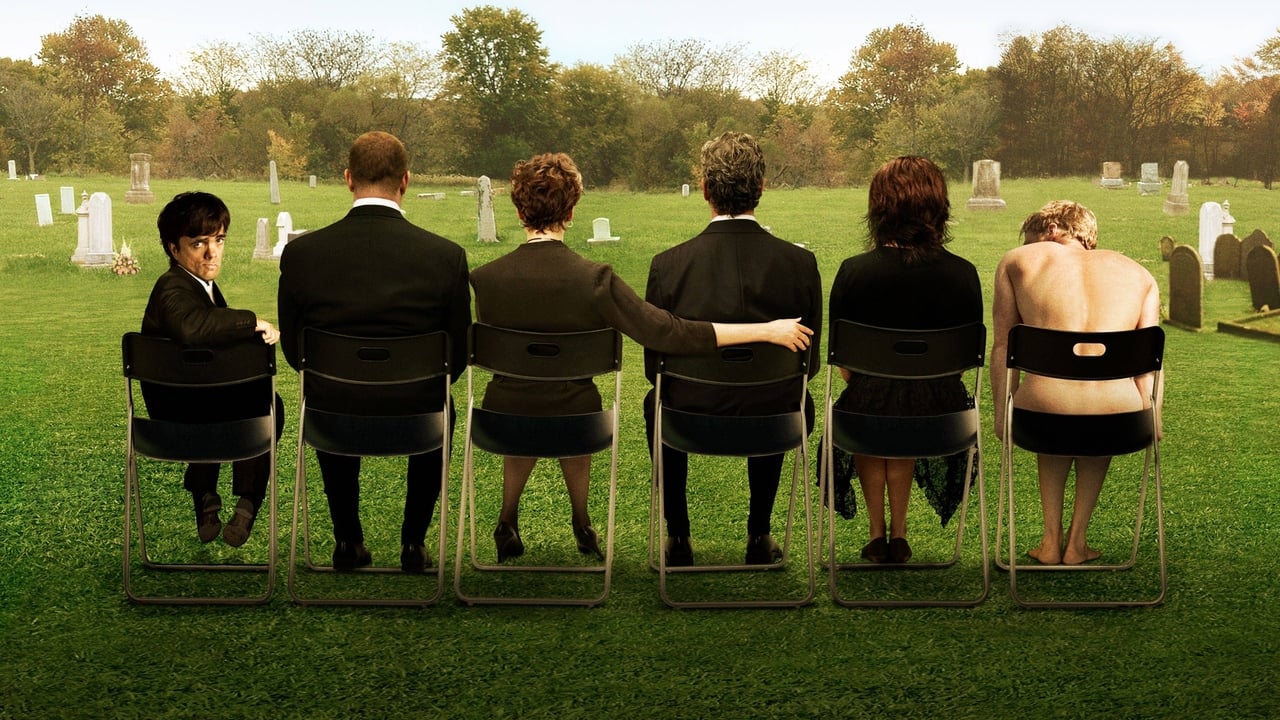
Released in 2007, just as the Judd Apatow "improv-until-it’s-funny" school of comedy was beginning its long, shaggy reign in the US, this film arrived like a sharp slap to the face. It’s a lean, mean 91-minute clockwork machine of a farce. I revisited it recently while my neighbor spent three straight hours operating a leaf blower outside my window; oddly, the external mechanical droning only enhanced the internal "oh god, everything is going wrong" energy of the film.
The Art of the Straight Man
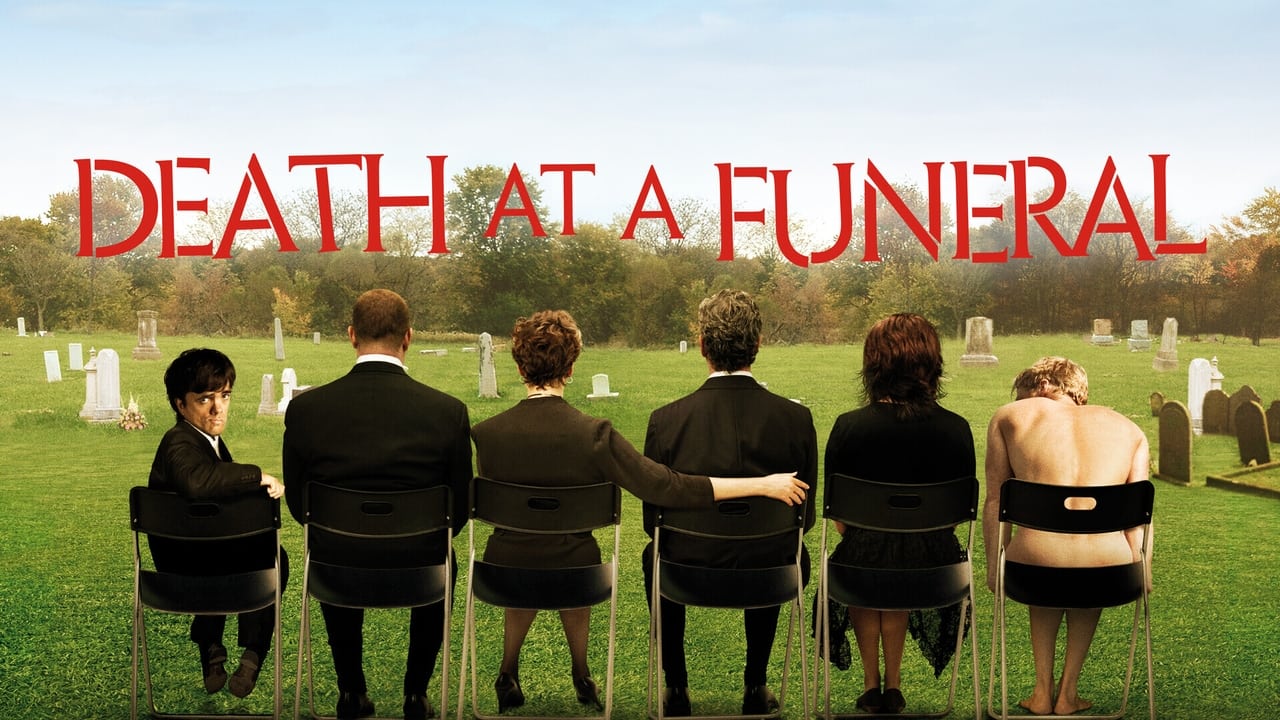
At the center of this hurricane is Matthew Macfadyen as Daniel, a man so repressed he seems to be vibrating at a sub-atomic level. Years before he perfected the "pathetic-yet-calculating" vibe as Tom Wambsgans in Succession, Macfadyen was here playing the ultimate straight man. He just wants to give a dignified speech for his late father. Instead, he’s dealing with a brother who’s a famous novelist (and a cheapskate), a cousin’s fiancé who has accidentally ingested a powerful hallucinogen, and a mysterious guest who is about to drop a bombshell that would make a tabloid editor blush.
The casting here is frankly ridiculous. You’ve got Keeley Hawes (Macfadyen’s real-life wife) playing his on-screen wife Jane, and their chemistry is rooted in that specific brand of "we are the only two sane people in this house" solidarity. Then there’s Alan Tudyk—technically an American outlier in this very British clan—who delivers what I genuinely believe to be the greatest 'accidental drug trip' performance in the history of cinema. Most actors play "high" as a series of goofy tropes; Tudyk plays it as a man who has lost the ability to understand how gravity or clothes work. Watching him naked on a roof while trying to navigate a funeral is a masterclass in physical commitment.
Why Frank Oz Was the Secret Weapon
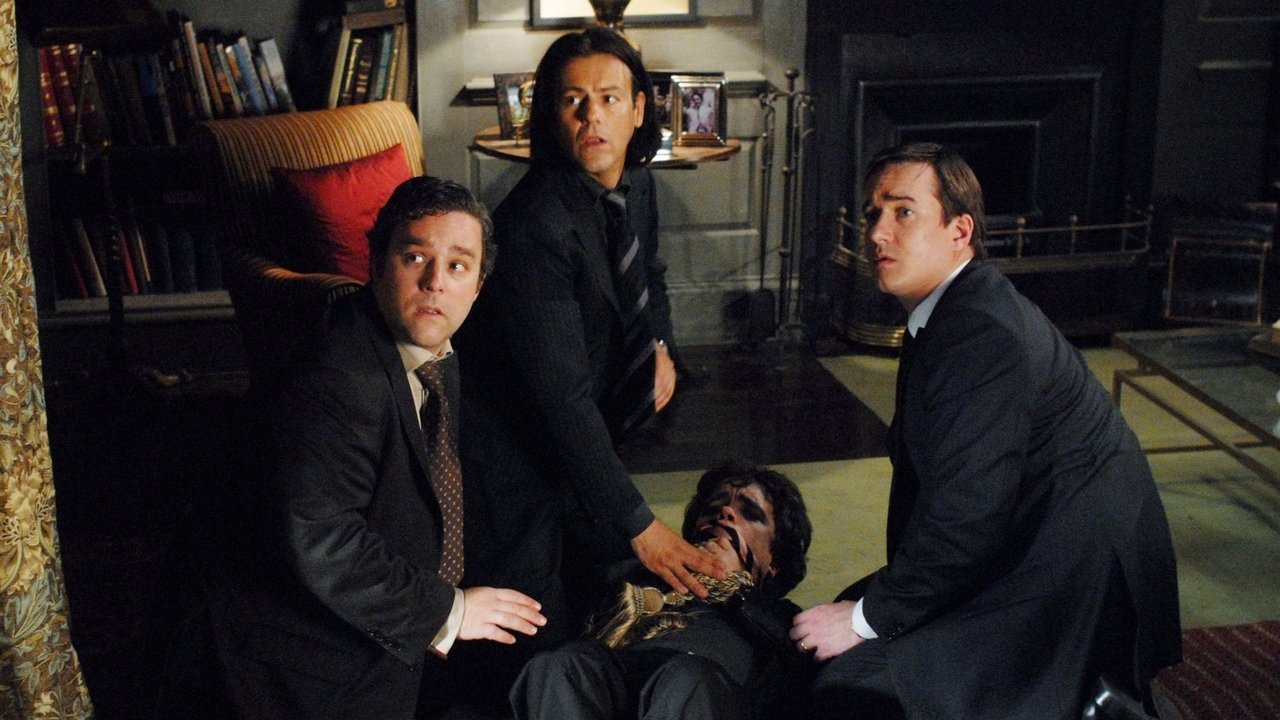
It’s easy to forget that Frank Oz directed this. We associate him with The Muppets or the voice of Yoda, but his directorial stint in the 80s and 90s (Little Shop of Horrors, Dirty Rotten Scoundrels) proved he had a wicked handle on dark, escalating stakes. In Death at a Funeral, he treats the comedy like a thriller. The pacing doesn't just "move"—it accelerates until you're genuinely worried someone might actually die (again).
The screenplay by Dean Craig is a bit of a throwback. In the mid-2000s, we were seeing the death of the mid-budget, high-concept comedy. Everything was either a $100 million blockbuster or a micro-budget indie. This film represents that sweet spot: a single-location story that relies entirely on blocking, timing, and a cast that knows how to share the ball. Looking back, it’s essentially a 90-minute panic attack disguised as a movie, and Oz’s restraint is what makes it work. He doesn't use flashy camera moves; he just lets the camera sit there and witness the carnage.
The Dinklage Factor and Hidden Gems
Then, of course, there is Peter Dinklage. Years before Game of Thrones made him a household name, he showed up here as Peter, the secret lover of the deceased patriarch. He is the catalyst for the film's shift from "uncomfortable family drama" to "full-blown blackmail farce." Interestingly, Dinklage is the only cast member who was asked to return for the 2010 American remake. Having seen both, I can confidently say the original UK version is the superior cut. The humor here is drier, the stakes feel more "lived-in," and the contrast between the somber Victorian setting and the mounting absurdity is far more effective.
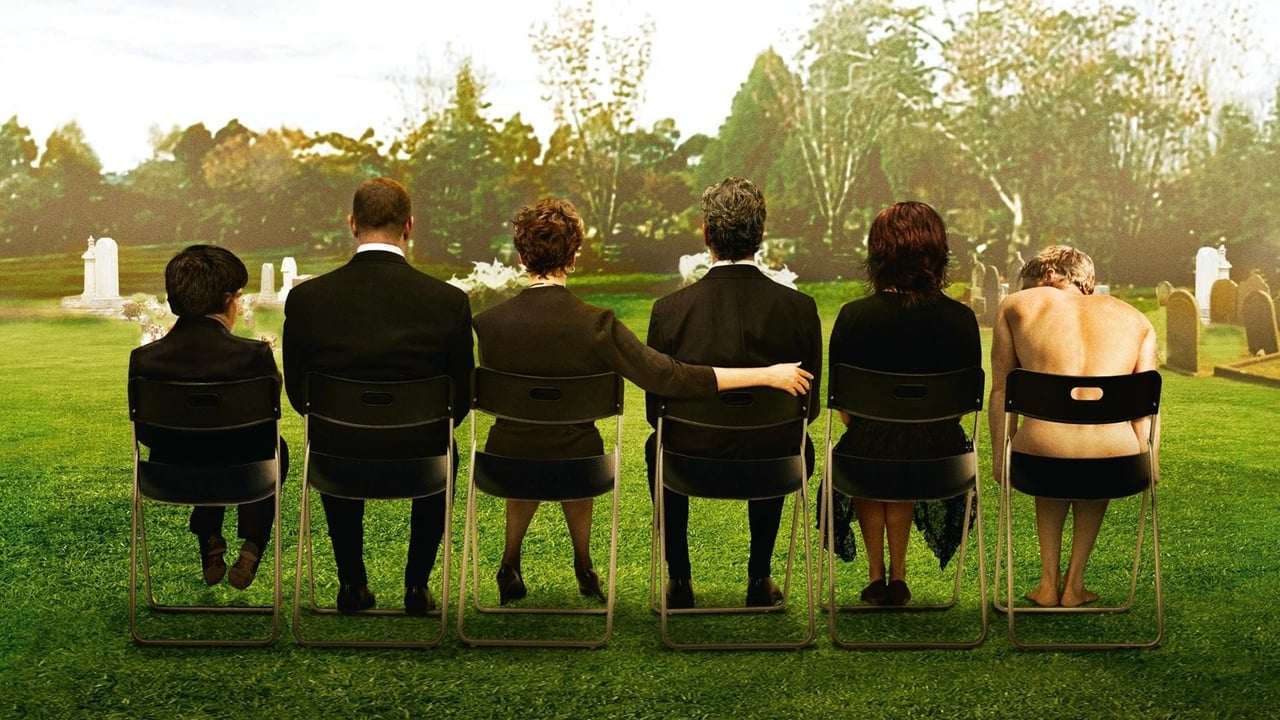
One of my favorite "blink-and-you'll-miss-it" details involves Andy Nyman as Howard, the hypochondriac friend. His obsession with a small skin blemish throughout the most chaotic scenes in the movie is a perfect distillation of the film's theme: everyone is so wrapped up in their own tiny, pathetic dramas that they can’t even grieve properly. It’s a cynical observation, sure, but in the hands of this ensemble, it’s also incredibly human.
It’s a shame this film doesn't get mentioned more in the "greatest comedies" conversation. It’s a "DVD era" classic—the kind of movie you’d find in a Blockbuster, take a chance on because the cover looked funny, and then end up forcing all your friends to watch the following weekend. It captures a moment in the late 2000s when British comedy was pivoting from the "Cool Britannia" era of the 90s into something darker, more cynical, and arguably much funnier.
If you haven't seen this in a few years, or if you only know the remake, go back to the original. It’s a reminder that you don't need a $100 million CGI budget or a sprawling multi-film universe to tell a great story. Sometimes, all you need is a dead body, a bottle of misplaced Valium, and a group of actors who are willing to look absolutely ridiculous in the name of a good laugh. It’s tight, it’s mean, and it’s arguably the most fun you’ll ever have at a memorial service.
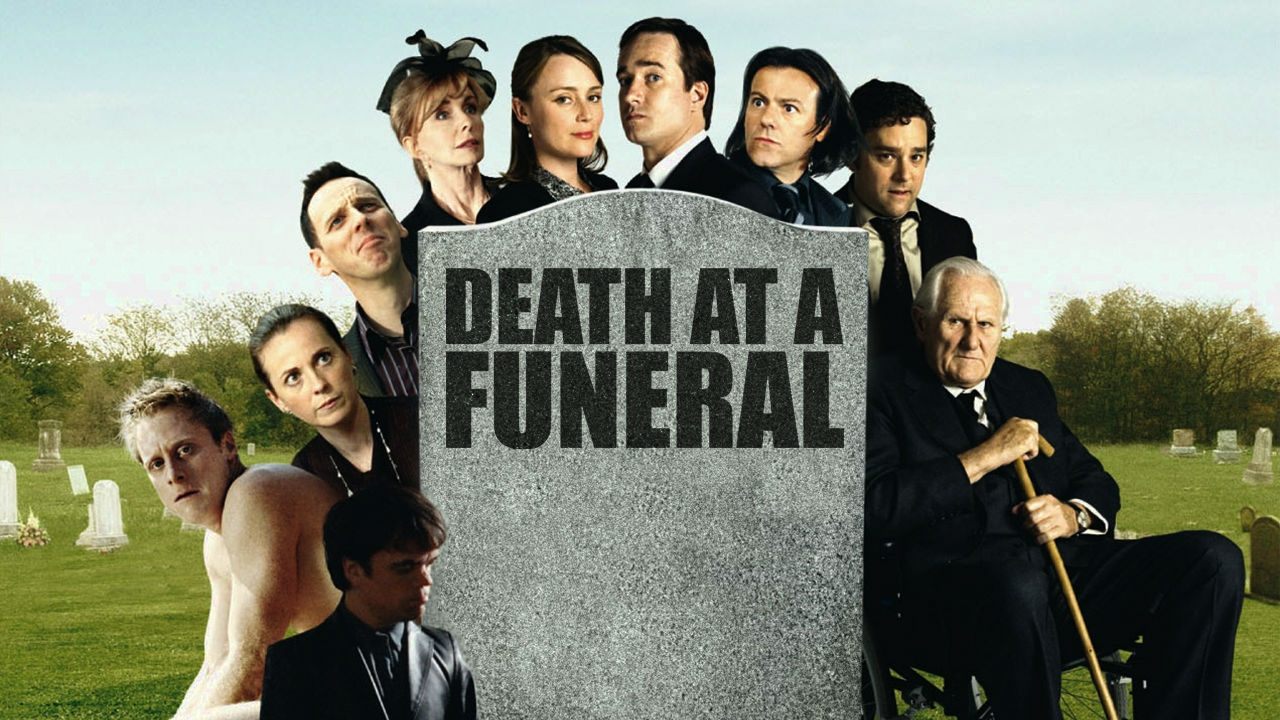
Keep Exploring...
-
What About Bob?
1991
-
Bowfinger
1999
-
Confessions of a Dangerous Mind
2002
-
S1m0ne
2002
-
Holes
2003
-
Uptown Girls
2003
-
What a Girl Wants
2003
-
Jersey Girl
2004
-
A Lot Like Love
2005
-
Broken Flowers
2005
-
Casanova
2005
-

Ice Princess
2005
-
The Family Stone
2005
-
The Sisterhood of the Traveling Pants
2005
-

The Weather Man
2005
-

A Good Year
2006
-
Dan in Real Life
2007
-
Lars and the Real Girl
2007
-
The Nanny Diaries
2007
-
Be Kind Rewind
2008