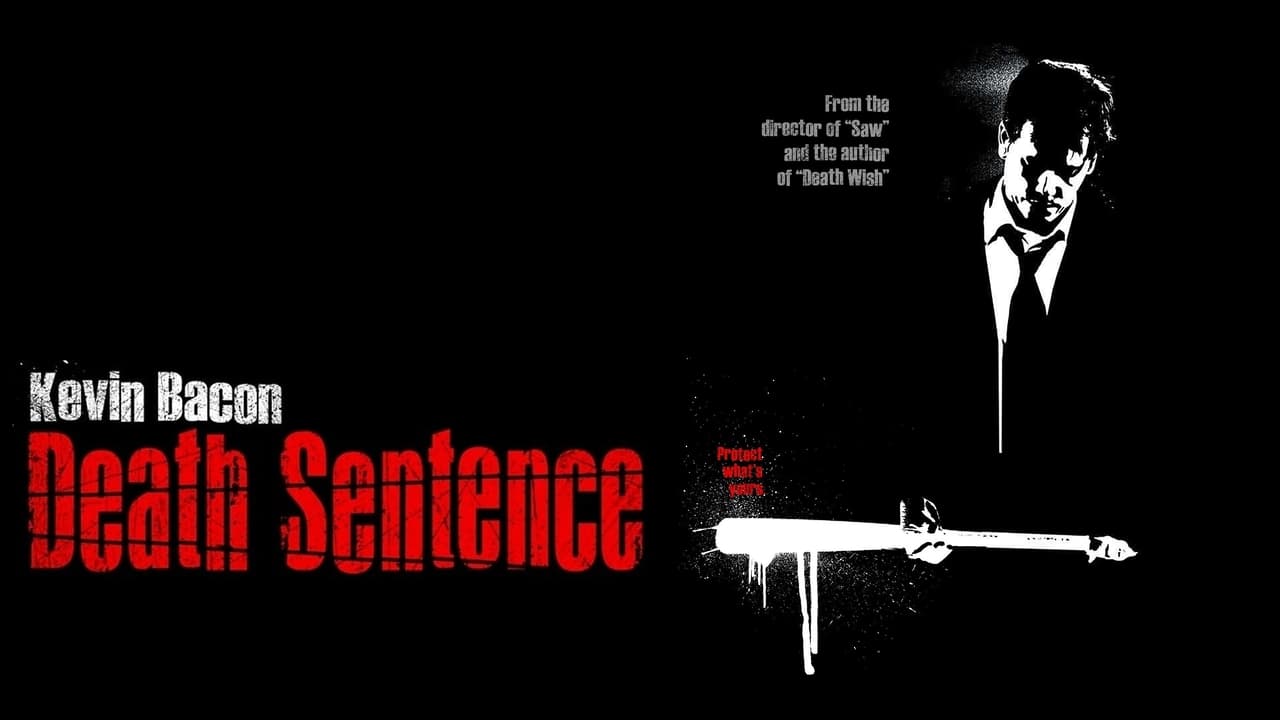
Death Sentence
"Vengeance has a price you can't afford."
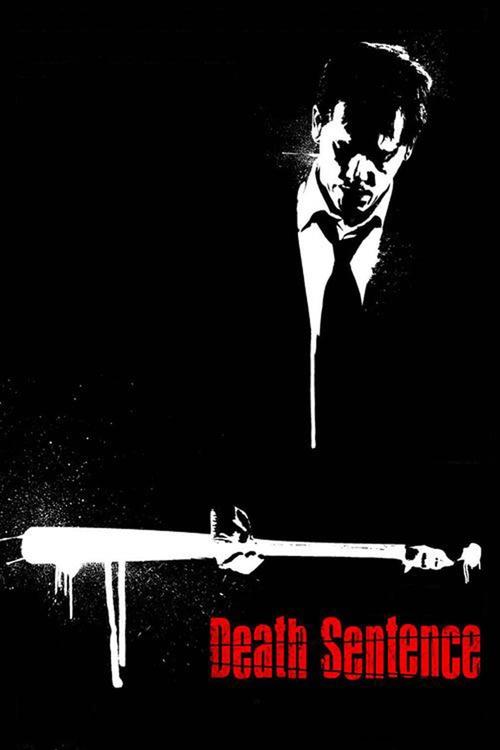
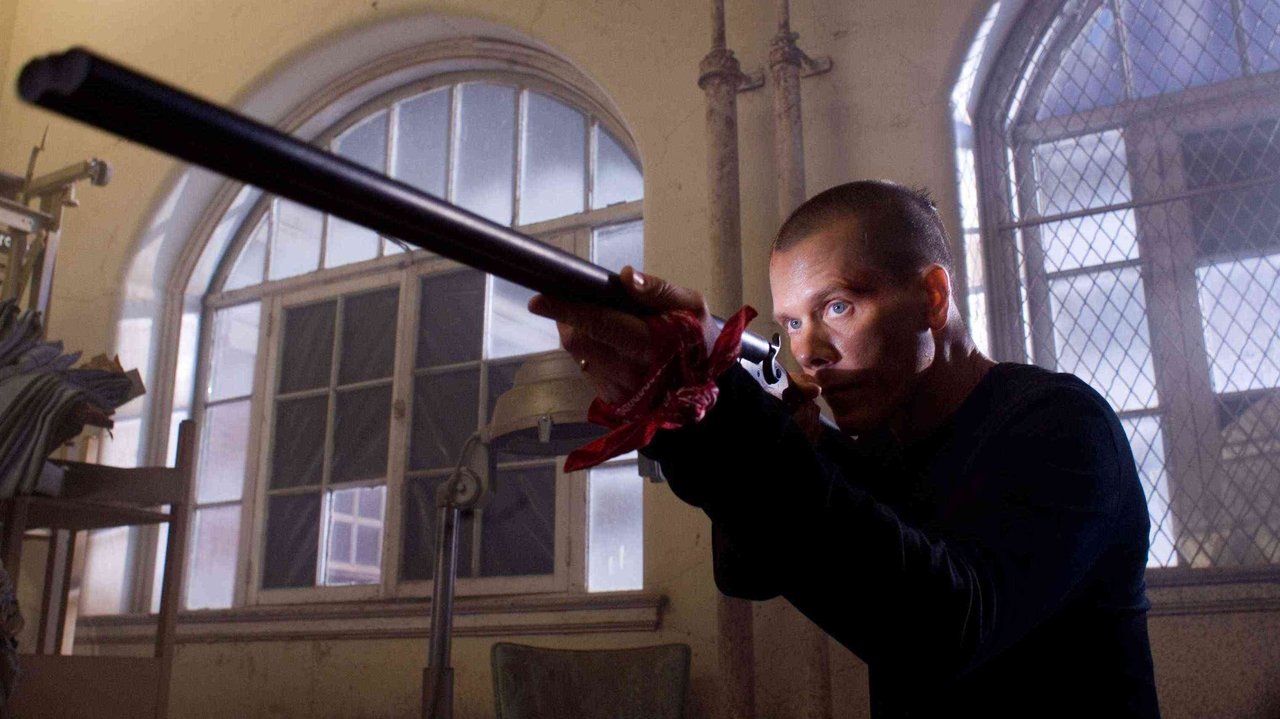
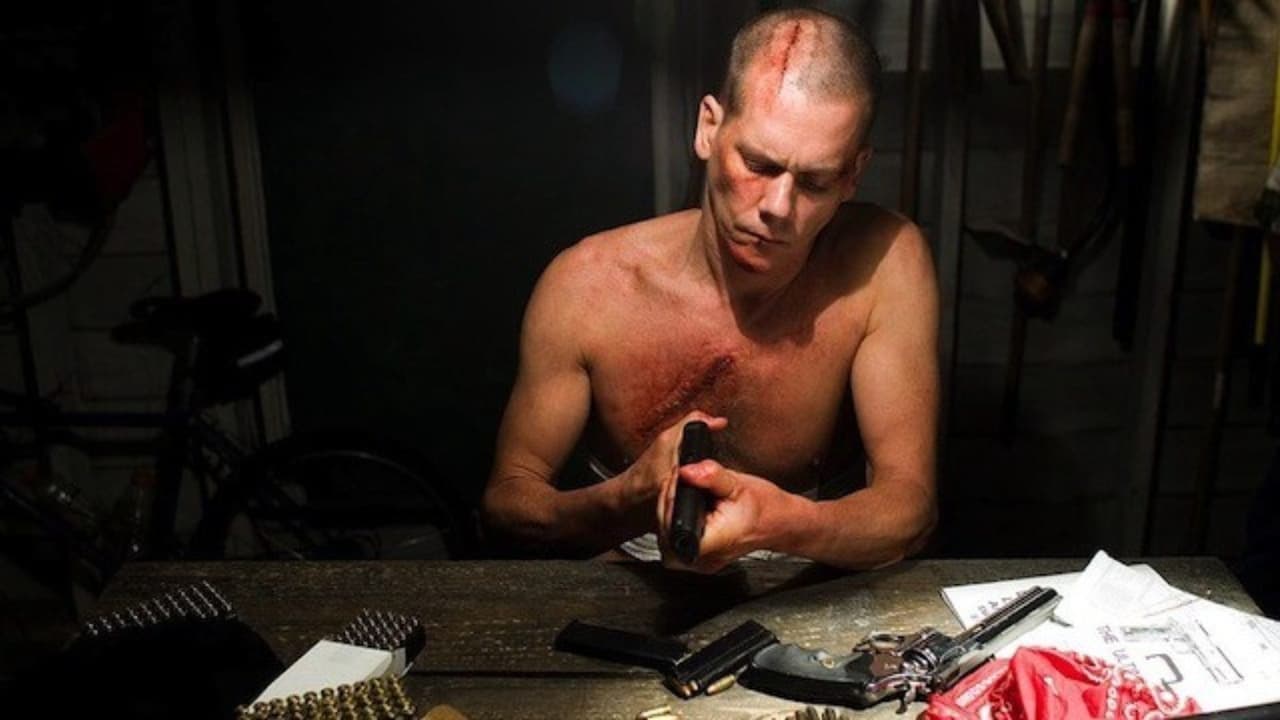
The moment Kevin Bacon stands in front of a bathroom mirror and begins haphazardly buzzing his hair into a jagged, uneven mohawk, you realize you aren't watching a standard 2000s action flick. This isn't the slick, invulnerable heroics of Transporter or the polished Bourne-style spy craft that dominated the mid-aughts. This is something much uglier, grittier, and deeply mournful. I remember watching this for the first time on a grainy DVD I borrowed from a coworker who smelled faintly of old peppermint, and that low-fi, slightly uncomfortable vibe actually suited the movie perfectly.
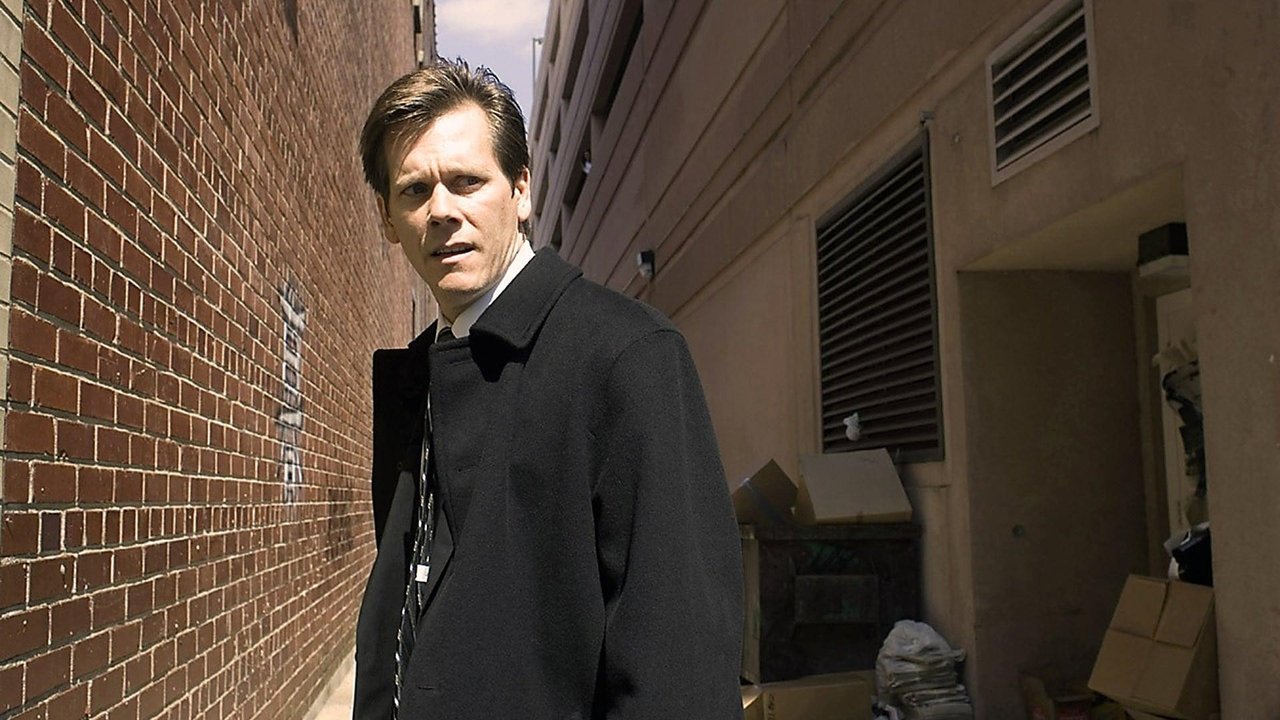
Death Sentence arrived in 2007, a year that saw the release of No Country for Old Men and There Will Be Blood. It was a time when cinema was grappling with the moral gray areas of the post-9/11 world, shifting away from clear-cut "good vs. evil" narratives toward something more fractured. Directed by James Wan—who was then primarily known as "the guy who made Saw"—this film was a radical departure that many critics at the time didn't quite know what to do with. It’s a revenge movie that hates the idea of revenge.
The Anatomy of a Downward Spiral
The premise feels familiar on paper: Nick Hume (Kevin Bacon), a successful insurance executive with a picturesque suburban life, witnesses his eldest son’s brutal murder during a gang initiation at a gas station. When the legal system fails, Nick takes matters into his own hands. However, unlike Death Wish (the original novel of which was written by Brian Garfield, who also wrote the source material for this film), Death Sentence doesn't treat the protagonist's transition into a vigilante as an empowering transformation.
Instead, James Wan frames Nick’s descent as a pathetic, terrifying disintegration. Kevin Bacon is phenomenal here because he never stops looking like a suburban dad who is completely out of his depth. When he gets into his first physical altercation, he’s clumsy and terrified. Nick Hume’s tactical strategy is basically ‘what if a CPA became The Punisher and immediately realized he’s way out of his league.’ He isn't a "super-soldier" in waiting; he’s just a man fueled by a grief so profound it has erased his common sense.
A Masterclass in Propulsive Tension
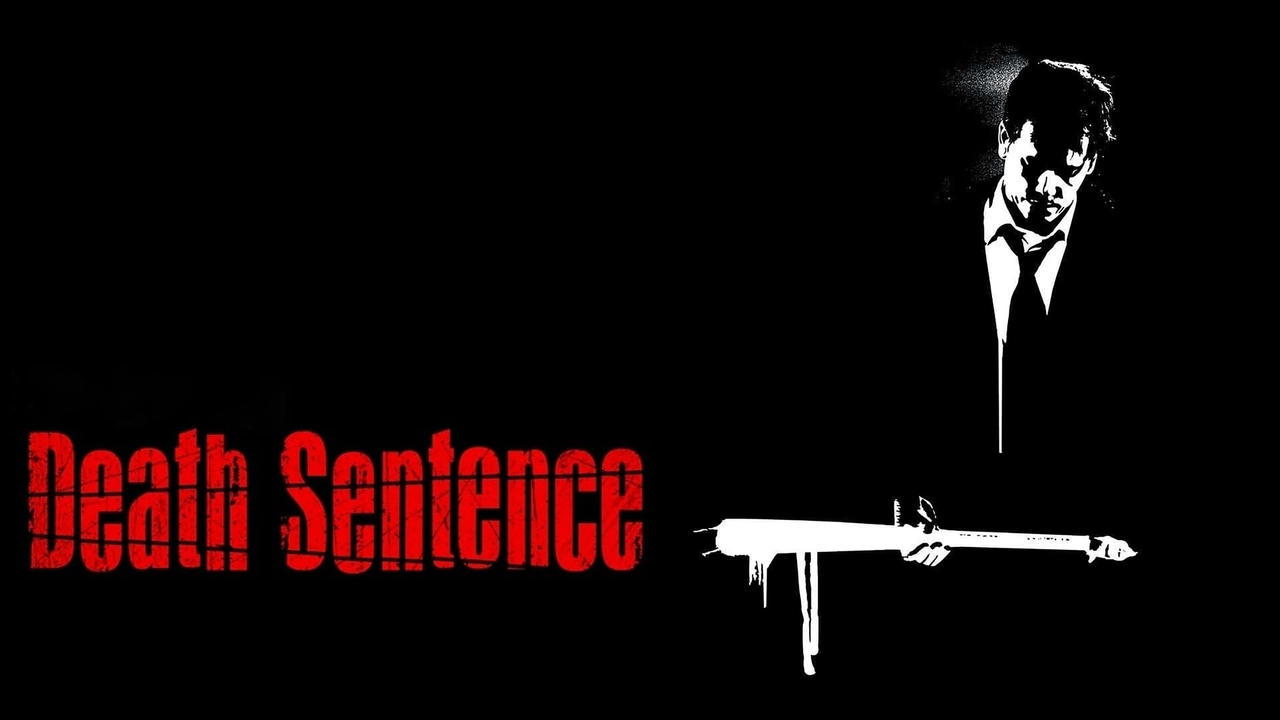
While the emotional weight is heavy, the action choreography is where James Wan truly flexes his muscles, proving he could handle more than just "torture porn" aesthetics. There is a specific sequence in a multi-story parking garage that remains one of the most impressive feats of action cinematography from that decade.
Working with cinematographer John R. Leonetti (who later directed Annabelle), Wan utilizes a long, unbroken tracking shot that follows Nick as he is hunted through the concrete levels. The camera glides over ledges, follows him down stairs, and whips around corners with a fluid, terrifying grace. It’s a sequence that earns its tension through geography; you always know exactly where the threats are, which makes the closing distance feel claustrophobic. It’s a far cry from the "shaky cam" style that was colonizing action cinema at the time, offering a clarity that makes the violence feel impactful and heavy.
The sound design, too, deserves a shout-out. Charlie Clouser, who composed the iconic Saw theme, provides a score that is less about bombast and more about a low, industrial dread. The gunshots in this movie don't sound like "movie" guns; they sound like metallic cracks that rip through the atmosphere, leaving a ringing silence in their wake.
The Faces of the Underground
The supporting cast is an eclectic mix that adds to the film’s "forgotten gem" status. A young, pre-fame Garrett Hedlund is almost unrecognizable as Billy Darley, the gang leader. He brings a cold, nihilistic charisma to a role that could have easily been a cartoon villain. Then there’s the late Kelly Preston, who provides the film’s emotional heartbeat, and Aisha Tyler as a detective who serves as the audience’s moral compass, watching the carnage unfold with a weary sense of inevitability.
But the real scene-stealer is John Goodman. Appearing for only a few scenes as Bones Darley, a black-market arms dealer and the father of the film’s antagonist, Goodman is genuinely repulsive. He’s a sweating, bloated patriarch of a criminal dynasty, delivering lines with a casual cruelty that makes your skin crawl. His presence anchors the film’s second half, reminding us that Nick isn't just fighting a gang—he’s fighting a cycle of violence that has been spinning for generations.
Looking back, it’s easy to see why Death Sentence didn't set the box office on fire. It was marketed as a standard action-thriller, but it’s actually a bleak, operatic tragedy. It’s a movie that asks you to cheer for the hero’s revenge and then spends the final thirty minutes showing you exactly how much that revenge cost him. It’s a film that exists in the shadow of the 1970s grit, updated with 2000s camera tech and a soul-crushing sense of consequence.
If you’re looking for a breezy Friday night watch, this isn't it. But if you want to see Kevin Bacon give a career-best performance in a movie that treats action with the weight of a funeral, Death Sentence is a relic from the mid-2000s that absolutely deserves a second look. It’s a reminder that before he was building blockbusters, James Wan was a master of making us feel every bit of the darkness.
Keep Exploring...
-
The Protector
2005
-
Running Scared
2006
-
Undisputed II: Last Man Standing
2006
-
United 93
2006
-
Mesrine: Killer Instinct
2008
-
Mesrine: Public Enemy #1
2008
-
Street Kings
2008
-
Harry Brown
2009
-
Takers
2010
-

Get the Gringo
2012
-
Basic
2003
-
The Hunted
2003
-

Domino
2005
-
Batman: Year One
2011
-

Double Impact
1991
-

Hackers
1995
-
Breakdown
1997
-
Dead Man Down
2013
-
Backdraft
1991
-
The Siege
1998